

On the morning of October 22, Russia and Ukraine again traded blows with each other as the war in Eastern Europe shows no sign of slowing down.
Kyiv launched another large-scale attack against the Moscow region.
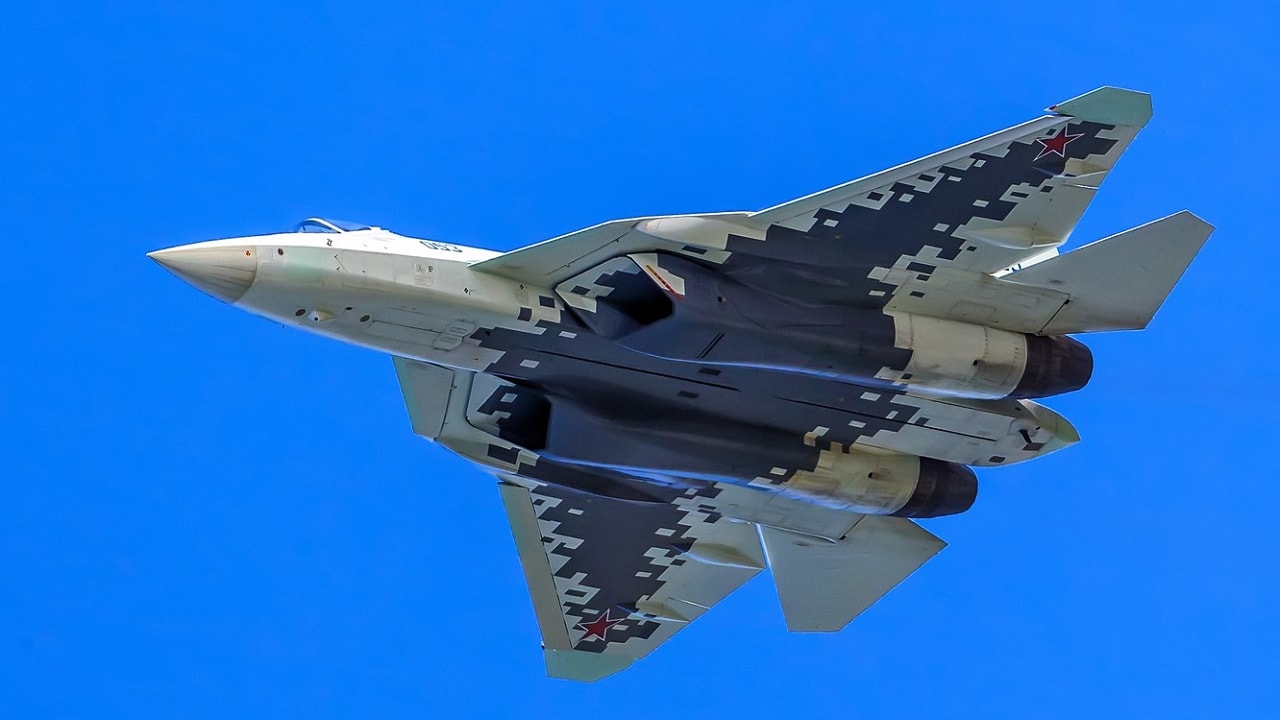
Su-57 Felon from Russian Air Force. Image Credit: Creative Commons.
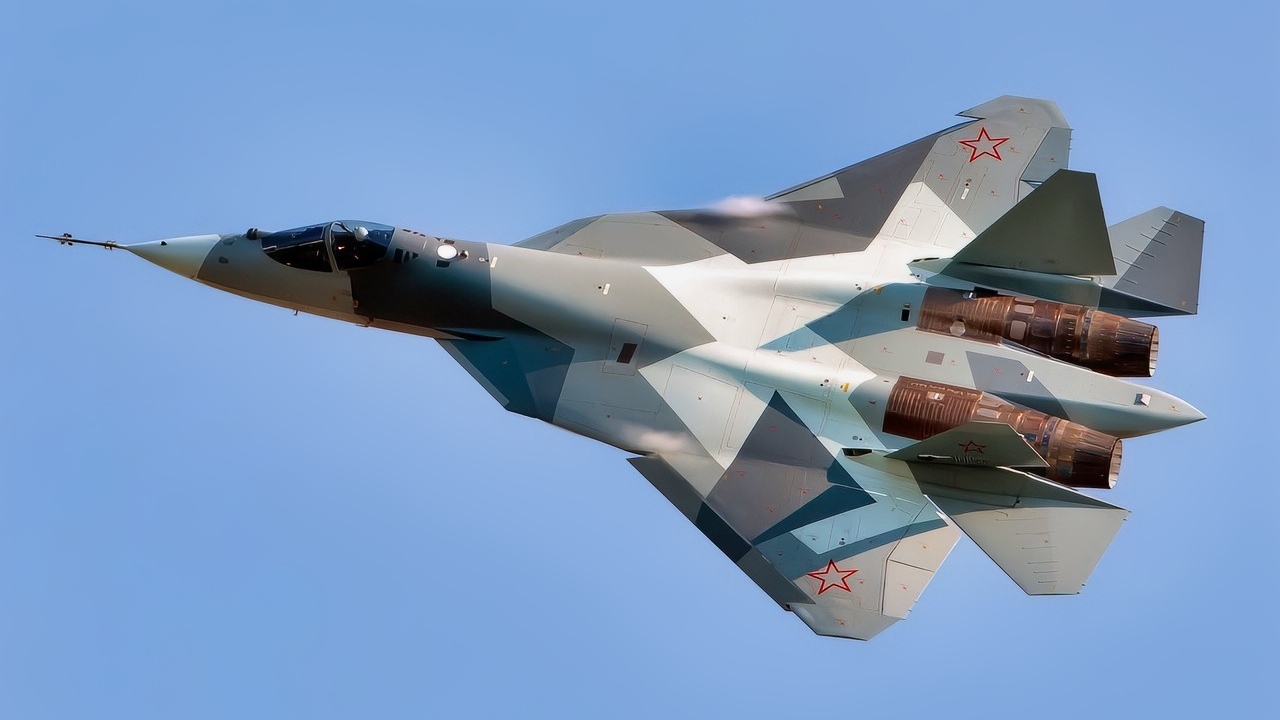
Su-57 Felon Fighter from Russia. Image Credit: Creative Commons.
According to Russian authorities, more than 600 attack UAVs were launched against Russian territory on Thursday morning.
Initial reports suggest the attack may have struck a repair depot in the Moscow region.
Likewise, Russia carried out another massive missile/drone attack against Kyiv, utilizing multiple ballistic missiles.
Due to Ukraine’s critical shortage of PAC-3 interceptors, not a single ballistic missile was shot down.
Ukraine Attacks Moscow
Last night, Moscow’s Mayor, Sergi Sobyanin, reported that 630 attack UAVs were detected flying towards the Moscow region.
Most were reportedly intercepted at a distance, but the mayor claimed 163 were intercepted as they approached the city.
According to regional authorities, two people were injured in the village of Voronovo by falling debris, but no one was killed.
Regional authorities in the Lipetsk, Tula, and Voronezh regions also reported Ukrainian drone activity. According to Lipetsk Region Governor Igor Artamonov, one civilian was injured in the attacks, with several residential buildings and a local polyclinic receiving minor damage.
Residential homes in Tula and Voronezh were also damaged, but as of right now, there is no confirmation of any damage to any important facilities.
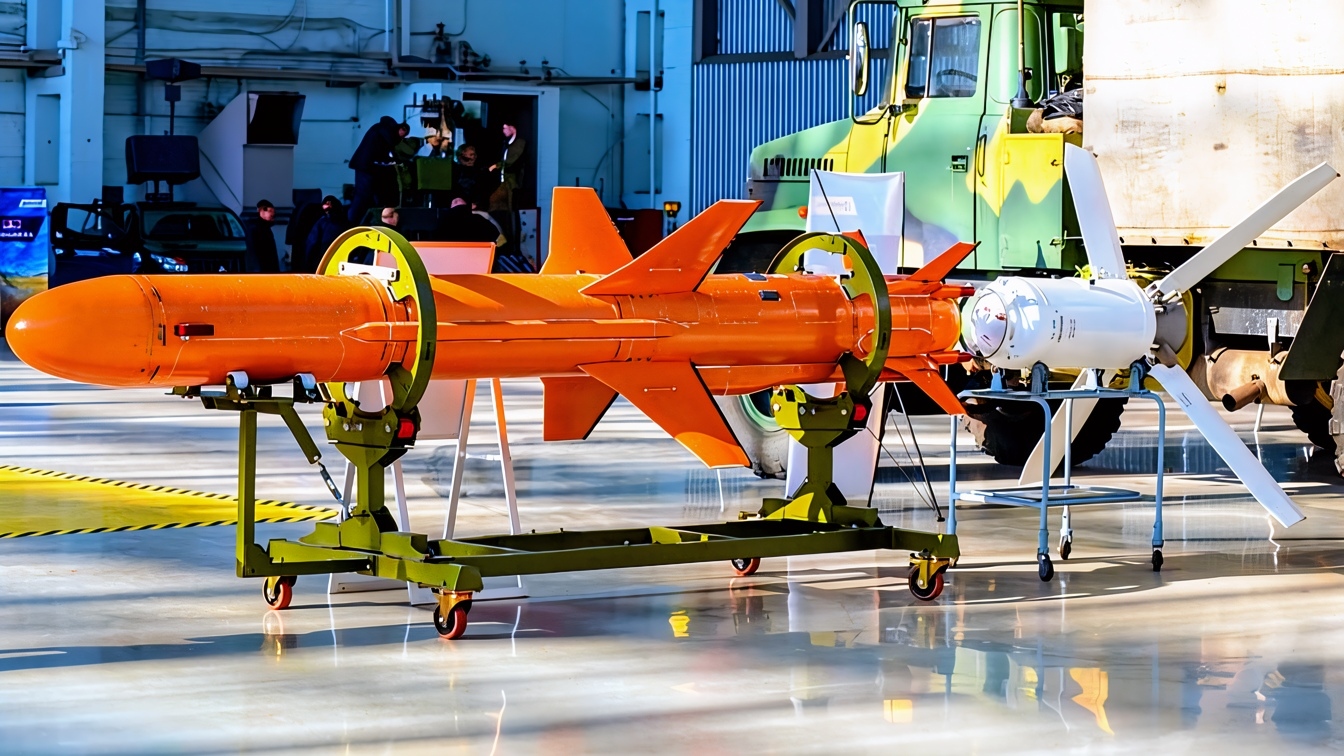
In Serpukhov, near Moscow, jet-powered drones or cruise missiles reportedly struck the 75th Arsenal military plant.
The repair plant is operated by the Main Missile and Artillery Directorate (GRAU) and specializes in producing air-defense missiles and repairing Buk-M1, Buk-M2, and S-300V surface-to-air missile systems.
Residents in the area reported that at least three drones/missiles struck the plant, though this has not yet been confirmed. Footage taken during the attack shows at least one explosion at the plant.
The full extent of the damage is still unknown.
It is also unknown whether rocket-powered drones, FP-5 Flamingo cruise missiles, or some other type of missile carried out the strikes.
Russia Attacks Kyiv
Meanwhile, Russia carried out another long-range strike last night, targeting Kyiv. According to President Zelenskyy, the attack utilized around 21 ballistic missiles and dozens of strike UAVs.
The main targets were the CHP-4 and CHP-5 combined heat and power plants, along with electrical substations.
According to Kyiv Mayor Vitalii Klichko, the attack also damaged the city’s Southern Bridge, located next to CHP-5.
The attacks caused widespread blackouts across the capital region, while Russian munitions also attacked energy infrastructure in four other regions.
On October 21, Ukraine’s energy Minister, Denys Shmyhal, confirmed that several settlements were experiencing blackouts due to the attacks and that authorities had implemented mandatory power outages in multiple settlements.
Russian drones and missiles also struck warehouses and other areas of Kyiv as Moscow ramps up its attacks against the Ukrainian Capital.
After the strikes, the Russian Ministry of Defense claimed that it had struck “defense industry enterprises of Ukraine involved in the production and storage of cruise missiles, medium- and long-range unmanned aerial vehicles, transport infrastructure facilities in Kyiv, as well as port infrastructure facilities in Odesa region and ships used in the interests of the AFU.”
The Russian MoD claimed it struck the Anatov Aircraft Plant in Kyiv, which, among other things, builds and assembles FP-5, FP-7, and FP-9 missiles. OSINT sources confirmed that three Zircon hypersonic cruise missiles had struck the plant.
The extent of the damage is currently unknown.
According to Zelenskyy, 34 people were injured, and 2 were killed in last night’s attacks.
Mutual Attacks and America’s Attempt at Diplomacy
The attacks followed separate talks between U.S. negotiators Steve Whitkoff and Jared Kushner and Presidents Zelenskyy and Putin.
The pair met with Zelenskyy and a Ukrainian delegation in Norway to discuss proposals to end the war and the possibility of American security guarantees.
Afterward, Kushner and Whitkoff traveled to Saint Petersburg, where they met with Vladimir Putin to discuss efforts to end the war and possible economic cooperation between Moscow and Washington after the conflict ends.
Both Russia and Ukraine described the talks with the American diplomats as positive and highly constructive.
While Moscow and Kyiv continue trading blows, the U.S. tries to broker a deal to end, or at least de-escalate, the conflict.
So far, most of these attempts have been unsuccessful. Earlier this month, President Trump claimed an energy ceasefire had been implemented in the war, a deal neither Kyiv nor Moscow recalled agreeing to.
When Russia inevitably continued its attacks against Ukraine’s energy grid, Zelenskyy expressed his frustrations with Trump for his softer approach towards Russia.
Now, Trump hopes to present Zelenskyy and Putin with a comprehensive peace plan to end the conflict for good at the G20 summit in December.
Given the results of previous diplomatic efforts (or lack thereof), this latest push is unlikely to produce anything substantial.
About the Author: Isaac Seitz
Isaac Seitz, a Defense Columnist, graduated from Patrick Henry College’s Strategic Intelligence and National Security program. He has also studied Russian at Middlebury Language Schools and has worked as an intelligence Analyst in the private sector.


