

U.S. Military Leaders Warn Iran War Is Unsustainable: Even as US President Donald J. Trump ordered new strikes on Iran just a few hours ago, important questions are being raised as to how much longer the Pentagon can carry on the fight.
Senior U.S. military commanders, according to new reports, are warning that the war against Iran is becoming impossible to sustain, with ships and weapons being pulled from other parts of the world just to maintain the massive American military presence in the Middle East necessary to keep the situation from simply getting worse.
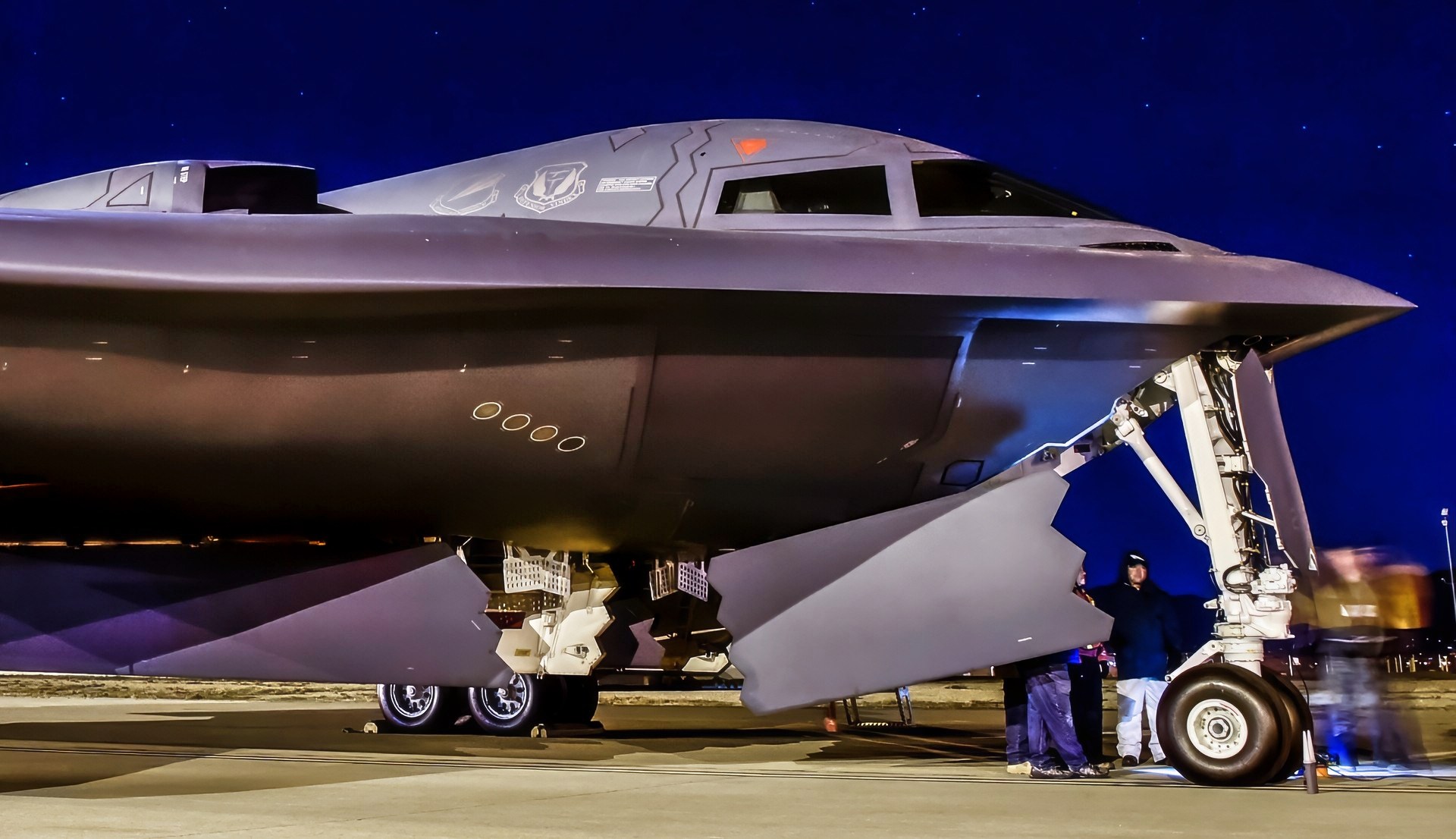
B-2 Spirit Stealth Bomber on Runway. Image Credit: Creative Commons.
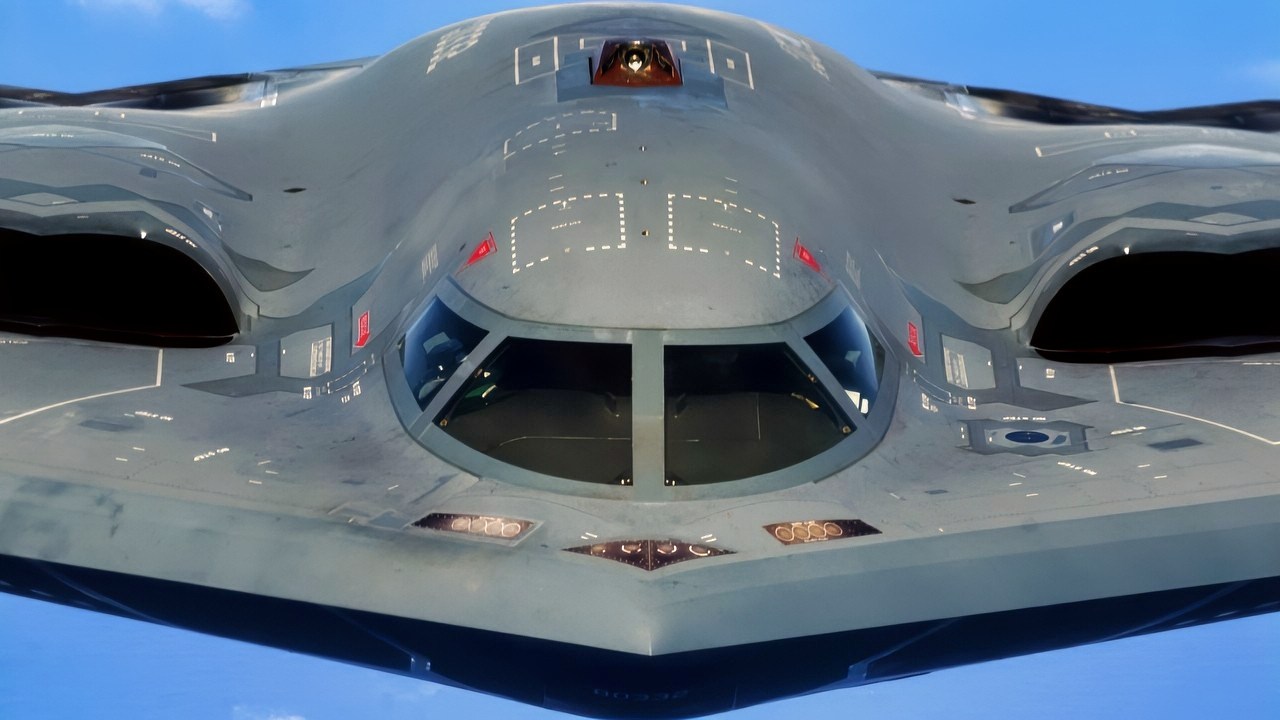
B-2 Spirit Stealth Bomber Flying. Image Credit: Creative Commons.
Senior officials have warned Defense Secretary Pete Hegseth that keeping tens of thousands of American troops and high-value American assets in the region is unsustainable and weakening the military’s ability to respond to other threats, potentially from China and Russia.
The warnings were revealed in a classified Pentagon assessment on August 14 and publicly reported on Sunday, August 30. Commanders responsible for U.S. forces in Europe, the Pacific and Latin America formally objected to orders requiring them to continue providing ships, aircraft and other military assets to U.S. Central Command for operations against Iran.
The Navy’s top officer also warned that only about a quarter of the service’s destroyer fleet is currently deployable, while European and Southern Command leaders said that transferring surveillance aircraft and ships to the Middle East has degraded their ability to perform other missions related to defending the United States.
The news comes as more than 50,000 U.S. personnel are still on alert across the Middle East, with President Donald Trump still pressuring Tehran to open the Strait of Hormuz and accept Washington’s conditions for ending the war.
And with no agreement in sight and Tehran still refusing to concede, some American units are even preparing to stay deployed well into next year.
Commanders Object to Extending Deployments to Iran
According to reports, the objections to the extended conflict were recorded in the Secretary of Defense Orders Book on August 14 — a classified document produced roughly twice a month that assesses the availability of U.S. personnel, aircraft, ships, and weapons globally.
The heads of U.S. European Command, U.S. Pacific Command, and U.S. Southern Command, along with Chief of Naval Operations Adm. Daryl Caudle, reportedly issued formal “non-concurs” over orders extending forces committed to the Iran operation. Importantly, a non-concur does not mean that a commander will refuse the order. Instead, it formally records their disagreement while confirming that the order will still be carried out.
The Army and Air Force are said to have agreed to continue supporting the deployments, but did warn that doing so would carry significant risks.
One person familiar with the assessment claimed that the military leadership’s overall view of the six-month operation was that too much was done, and that it has gone on for too long.
Navy Says Operations Are Unsustainable
Caudle was reportedly most opposed to the continued U.S. presence in the region, telling Hegseth that the Navy cannot sustain its current contribution to the conflict indefinitely and insisting that there needed to be an anticipated end date for the Navy’s operations.
It comes after dozens of American vessels were sent to the Middle East to attack Iranian targets and defend U.S. forces against Iranian retaliation. Now, U.S. Navy vessels are also being used to impose a blockade of Iranian ports — part of the ongoing economic pressure campaign that Washington hopes will force Iran to make concessions, end its nuclear program, and open the Strait of Hormuz.
Keeping those ships deployed not only reduces overall readiness elsewhere but also delays essential maintenance and extends deployments for sailors.
Caudle reportedly told the defense secretary that barely a quarter of the Navy’s destroyers are ready for deployment, and warned that continued operations at this pace — or at an even higher pace — could further reduce fleet availability should another conflict begin.
U.S. Forces Could Be There Until 2027
The strain communicated to the defense secretary is unlikely to be relieved any time soon, with Tehran insisting that it will continue to push back at least until after the November midterm elections, and potentially for the rest of the Trump administration. The Pentagon, well aware of those dynamics, is reportedly preparing to keep some of the forces deployed to the Middle East in place substantially longer than originally planned.
Around 2,000 soldiers from the Army’s 82nd Airborne Division were mobilized in March, shortly after the war began. Elements of the force are now expected to remain mobilized for up to a year, extending their commitment into 2027.
Army Patriot air defense units that are tasked with protecting American bases and personnel in the region from Iranian ballistic missiles and drones are also expected to remain in the region far longer than originally intended, along with some Air Force units that are deployed for bombing missions. Those units are also expected to remain in place well into the new year.
Trump now faces an impossible problem: he needs to bring Tehran into line, even as the regime knows that the U.S. military is under major pressure.
About the Author: Jack Buckby
Jack Buckby is a British researcher and analyst specializing in defense and national security, based in New York. His work focuses on military capability, procurement, and strategic competition, producing and editing analysis for policy and defense audiences. He brings extensive editorial experience, with a career output spanning over 1,000 articles at 19FortyFive and National Security Journal, and has previously authored books and papers on extremism and deradicalization.


