

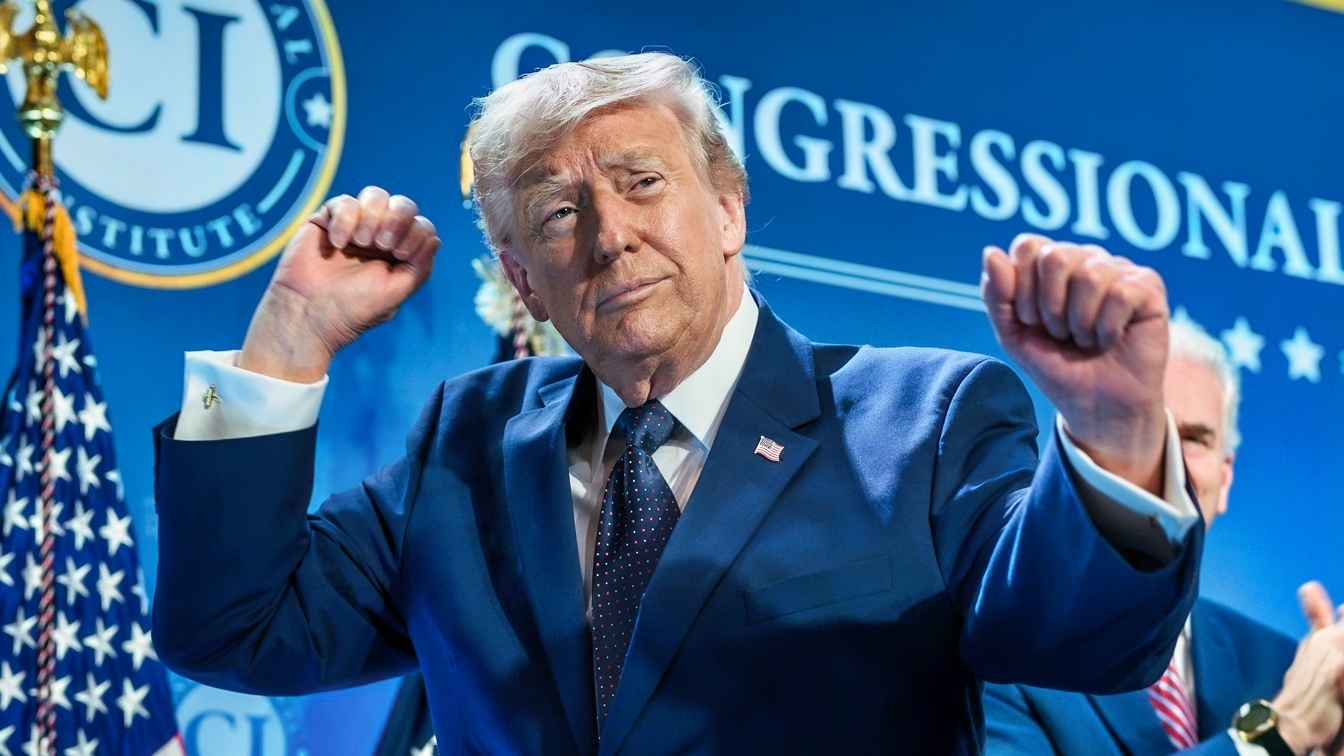
When Donald Trump got involved in the Iran War in February, coming off the successful intervention in Venezuela, it was almost certainly with the idea that the conflict would end with a quick U.S. victory over a regime long hostile to the United States.
After all, Trump had, in his presidential campaigns, repeatedly vowed to keep the country out of open-ended foreign wars, while implying that his opponents would get into such wars.
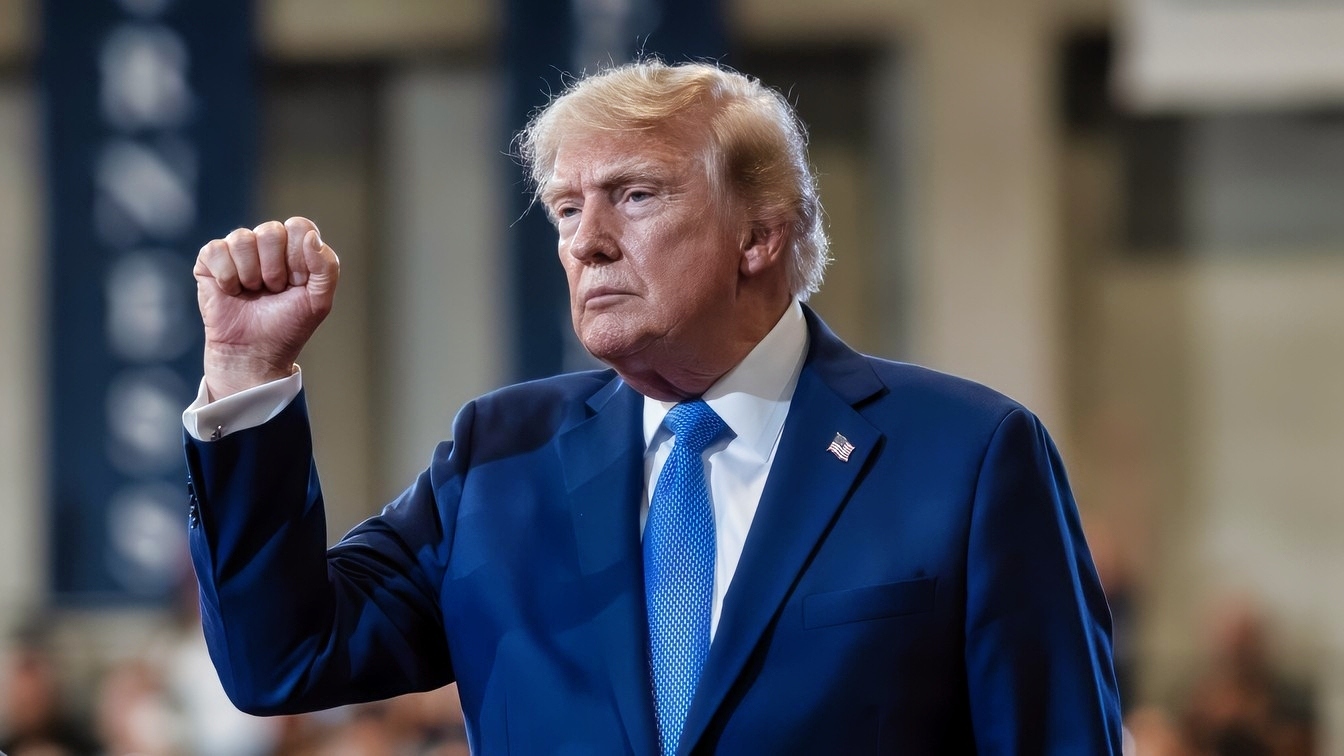
President Donald J. Trump delivers remarks at the David S. Mack Center for Training and Intelligence in Garden City, New York, Friday, August 14, 2026. (Official White House Photo by Molly Riley)
And after the invasion, he spoke about the war as if it would be over within weeks.
However, with the Iran War now over six months old, some around the president are reportedly worried that the war could extend for the rest of Trump’s presidency, or possibly even beyond.
That’s according to a Wall Street Journal story this week, which reported that the president’s advisers, including Vice President JD Vance and Secretary of State Marco Rubio, “have raised privately with President Trump the prospect that the Iran war could drag on through the remainder of his term.”
The Journal story cited “U.S. officials” in reporting about discussions held behind closed doors.
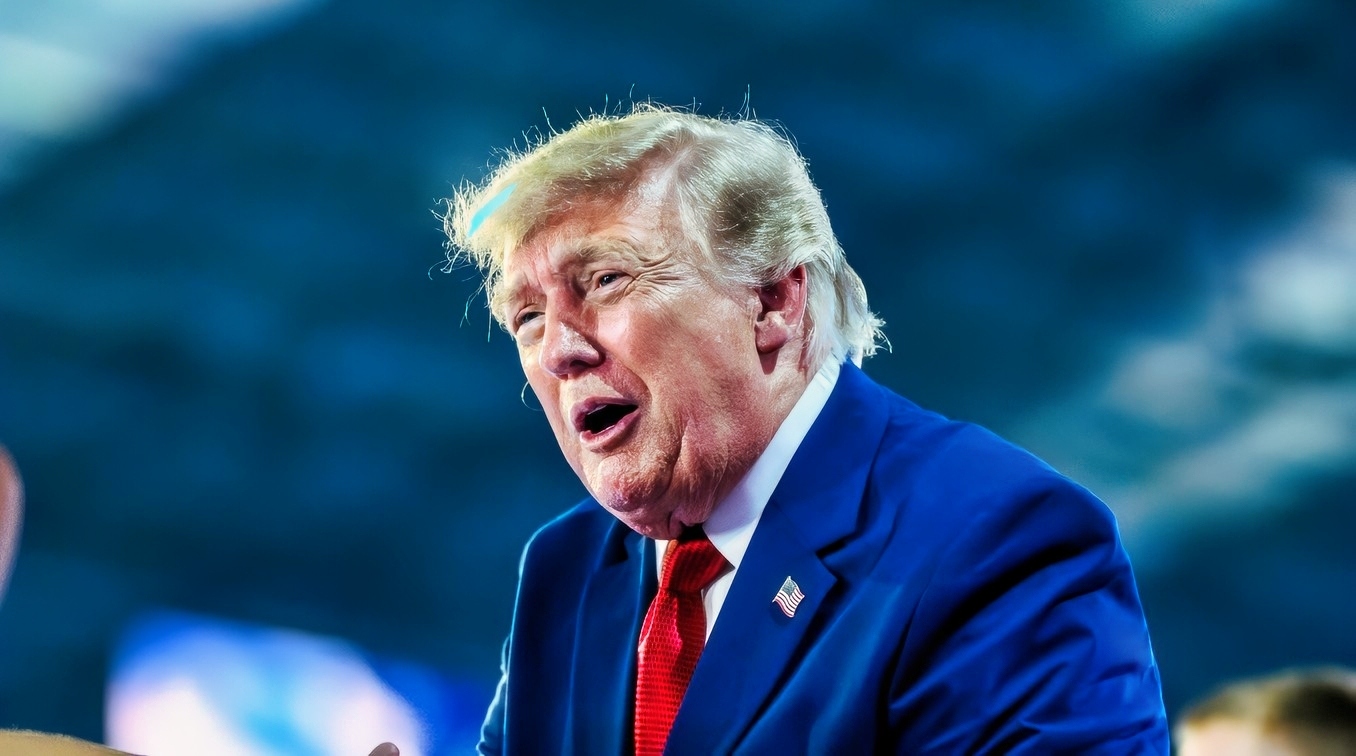
President Donald J. Trump attends the finale of the inaugural Patriot Games youth sports competition at SPIRE Academy in Geneva, Ohio, Tuesday, August 11, 2026. (Official White House Photo by Daniel Torok)
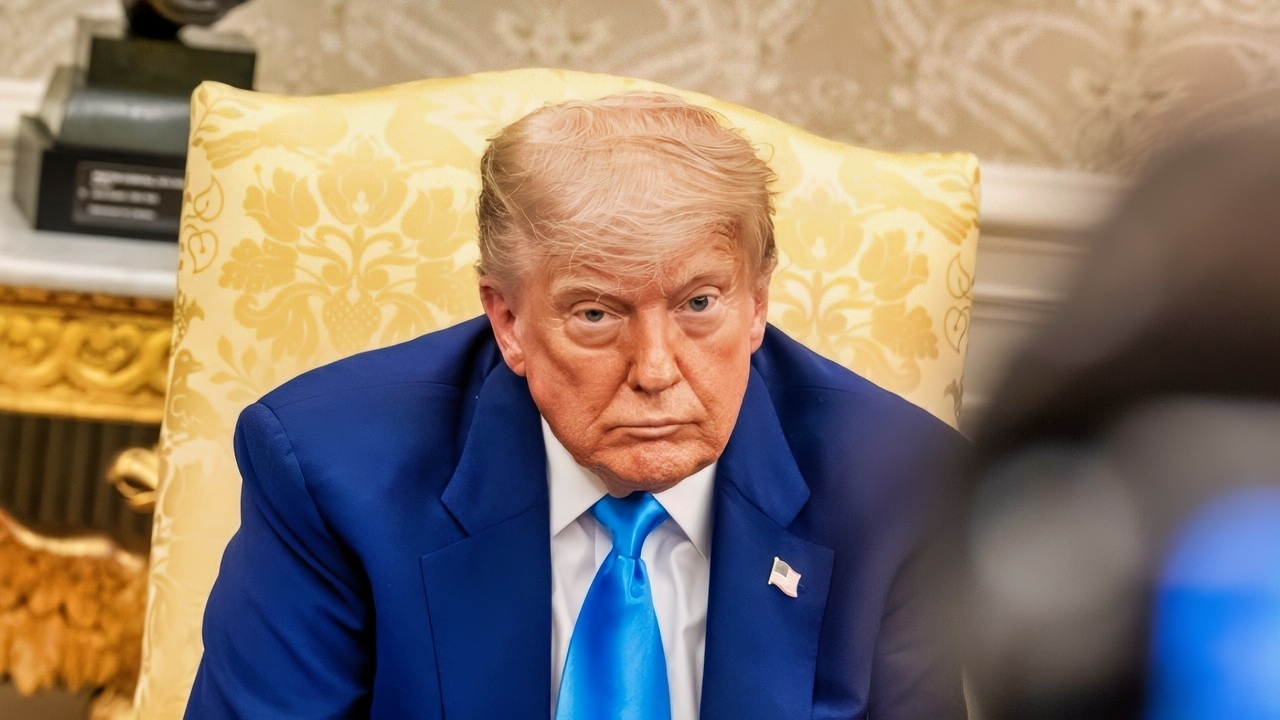
President Donald Trump meets with President of South Africa Cyril Ramaphosa, Wednesday, May 21, 2025, in the Oval Office. (Official White House Photo by Daniel Torok)
Donald Trump Drops Clue on When War Could End
Trump told reporters on Wednesday that he expects the war to end and oil prices to come down once the midterm elections are over.
“I think the war’s going to end immediately after the election because they can’t hold out any longer,” Trump said of the Iranians. But his advisers appear to worry about a less-than-easy outcome.
Worst-Case Scenario
The Journal pointed to a scenario in which “a years-long conflict would strain military resources and risk long-term disruptions to global oil markets,” heading into the 2028 election, in which Vance and Rubio, two officials who were present for the planning and carrying out of the war, are the two most-often-mentioned candidates to run as Trump’s Republican successor.
It also opens the possibility that someone like Tucker Carlson could run in 2028 in the anti-war lane, much as Trump, in the 2016 primary, was willing to criticize the wars of the Bush era and tie his opponents to them.
So the Iran War, heading into 2028, could serve as an albatross around Republican candidates’ necks. Vance, for his part, said in public comments earlier this week that he was hesitant to even describe the current state of the conflict as a “war.”
And that’s not to mention gas prices, as oil has climbed back above $100 a barrel and the average gas price has been over $4 for weeks.
Trump, the Journal added, has both talked to his advisers about bringing about a fast end to the war, but also about long-term policies like a naval blockade and sanctions.

President Donald Trump attends an event celebrating the 2025 NCAA Division 1 Men’s Basketball Champion Florida Gators, Wednesday, May 21, 2025, in the East Room of the White House. (Official White House Photo by Daniel Torok)
It’s also been clear, for several months, that Trump has no easy way out of the war.
“The private acknowledgment by top aides that the military conflict could drag on for years cuts against Trump’s assurances that the U.S. has already defeated Iran’s forces and that the regime will soon surrender,” the Journal wrote.
Experts Weigh In
Some Iran experts quoted by the Journal also didn’t see an easy way out of the conflict, as Iran is unlikely to capitulate anytime soon.
“The U.S. naval blockade is unlikely to produce a decisive outcome in the near or even medium term, so the only realistic use of this tool would have to be predicated on plans for a long-term siege,” Suzanne Maloney, an Iran expert and vice president for foreign policy at the Brookings Institution, told the Journal.
“Even then its prospects for success are dubious, mainly because of the unintended consequences,” Maloney added.
Ali Vaez, an Iran expert at the International Crisis Group, laid out another scenario to the Journal of how the near future may look.
“Washington can keep grinding Iran down at a manageable cost, while Tehran can shift much of the pain onto its population and still protect the institutions essential to regime survival,” Vaez told the newspaper.
“Everyone pays, but neither leadership is yet paying enough to accept the other side’s terms.”
That would mean that the war will continue indefinitely — and possibly well into the second half of Trump’s term.
About the Author: Stephen Silver
Stephen Silver is an award-winning journalist, essayist, and film critic, and contributor to the Philadelphia Inquirer, the Jewish Telegraphic Agency, Broad Street Review, and Splice Today. The co-founder of the Philadelphia Film Critics Circle, Stephen lives in suburban Philadelphia with his wife and two sons. For over a decade, Stephen has authored thousands of articles that focus on politics, national security, technology, and the economy. Follow him on X (formerly Twitter) at @StephenSilver, and subscribe to his Substack newsletter.


