

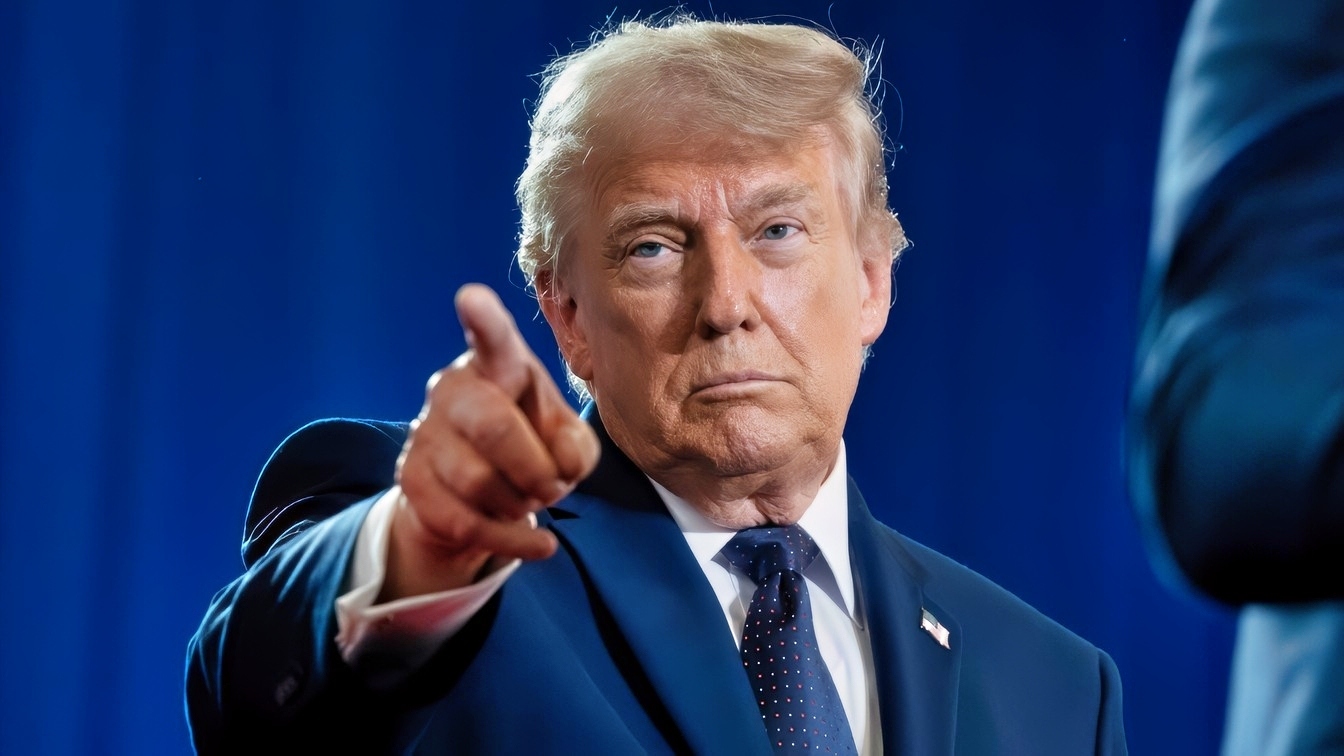
Same script, different city, no results. Two more days of US-brokered talks between Russia and Ukraine have wrapped up in the United Arab Emirates without a peace deal, a ceasefire, or any movement on territory. And once again, President Trump’s envoys, Steve Witkoff and Jared Kushner, are flying to the Kremlin to try to get in person what their negotiators couldn’t get at the table.
Kushner announced the trip Wednesday at a press conference in Abu Dhabi. He said he and Witkoff would meet Vladimir Putin in Moscow on Thursday to go over what was discussed and push for progress, because they see “some openings and some opportunities.”
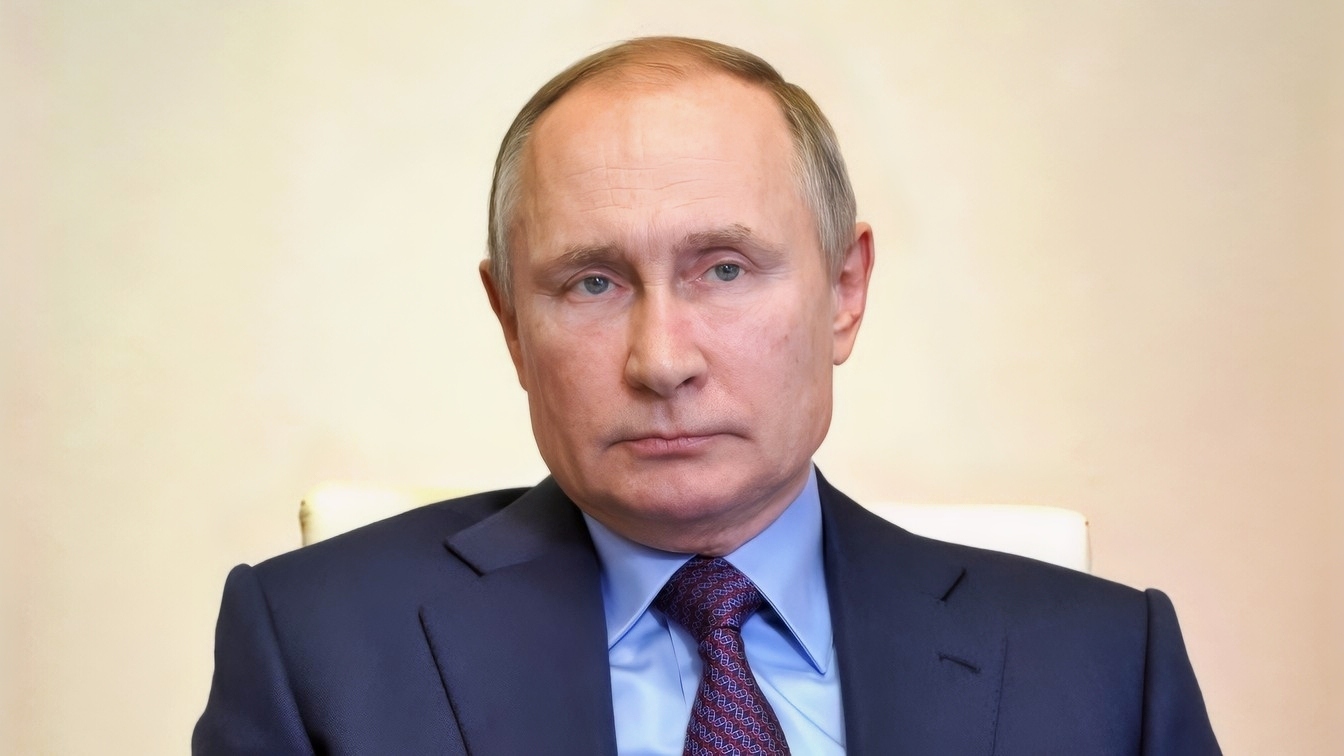
Putin in March 2022 Creative Commons Image
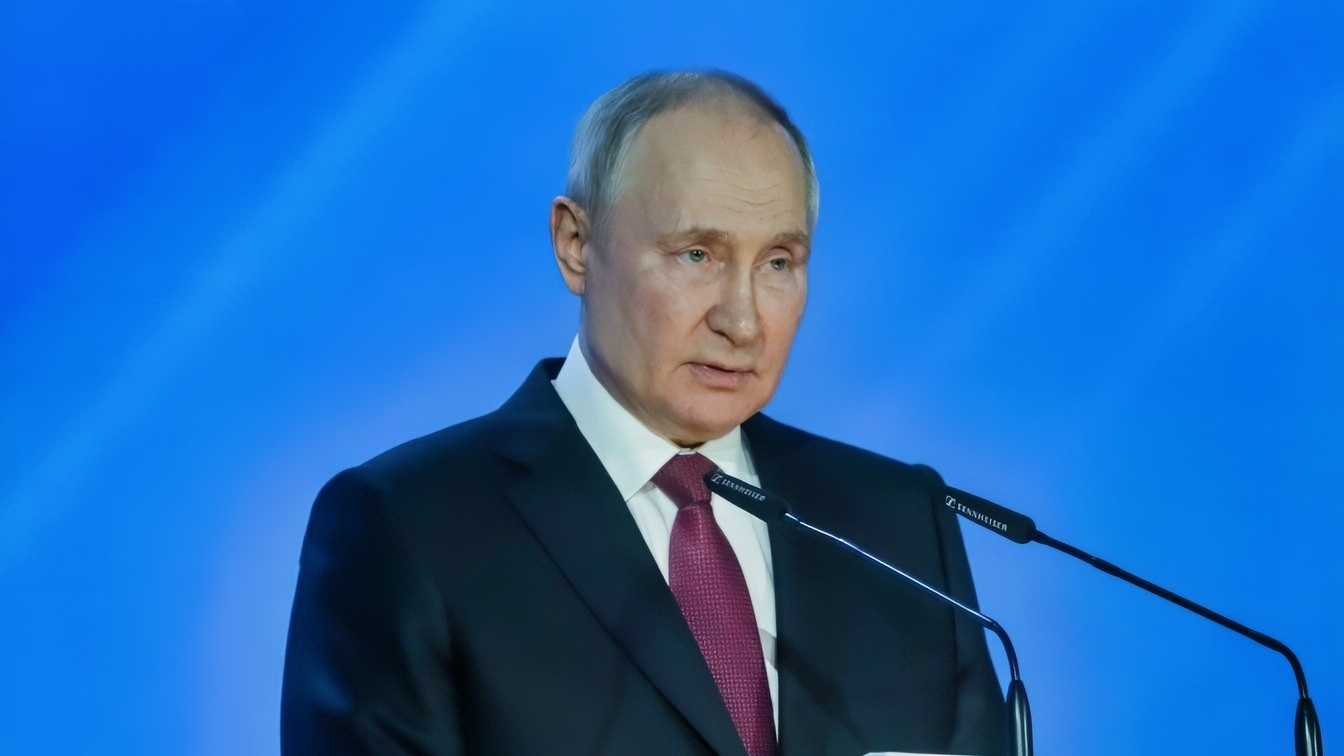
Putin March 2023 Image Credit Creative Commons
From Moscow, the pair heads to Dublin to brief Ukrainian President Volodymyr Zelenskyy.
Will this move bear fruit? Many hope so, especially those in Ukraine. However, we’ve watched this movie before. So have they
The Only Thing Anyone Agreed On
The Abu Dhabi round on November 10 and 11 was the first direct sit-down between Kyiv and Moscow in nine months, following a February session in Geneva that also produced nothing.
According to Euronews, an agreement in principle on another large prisoner exchange.
Zelenskyy said negotiators had discussed swapping 1,000 prisoners from each side, possibly as many as 1,500.
Kushner said the final numbers would be locked in Thursday.
While it is far from what was hoped for, the prisoner exchange is significant.
The prisoner swap is a humanitarian gesture. It’s no substitute for a peace process. The two sides also agreed to exchange 1,000 prisoners each during the Istanbul talks in May 2025. The war has since ground on for another year and a half.
Moscow Showed Up With Strict Orders From Putin
Russia’s top negotiator, Vladimir Medinsky, followed the same playbook. Wednesday’s session lasted under two hours, and Medinsky gave little indication that Moscow’s demands had changed, saying the sides reached an understanding in some areas and not in others.
Ukraine’s negotiator Davyd Arakhamia said bluntly that Russia arrived with “very strict directives” and called it one of the toughest rounds he’s sat through since 2022.
Rustem Umerov, Kyiv’s lead negotiator and foreign intelligence chief, said progress was made on security matters, but significant progress on anything meaningful remains distant.
Those differences are the same ones that have plagued every round. Moscow still insists Ukraine pull its troops out of the part of the Donbas it still holds, and it still rejects an immediate ceasefire until broader security arrangements are agreed.
Medinsky even questioned why European representatives were in Abu Dhabi at all, saying Moscow didn’t understand what there was to discuss with them.
That’s the Kremlin and Putin telling the world exactly where it stands.
So What Changes In Moscow?
Probably not much. The track record speaks for itself.
When Witkoff and Kushner sat with Putin on September 5, a Kremlin aide called the three-plus hours of talks “highly useful,” yet Putin gave no sign of a breakthrough.
A Kyiv Independent article reported the envoys found Putin still unwilling to make meaningful concessions, even after bringing revised proposals to both capitals.
Go even further back, and Putin has been unwilling to negotiate seriously.
The Alaska summit in August 2025 produced no ceasefire. The trilateral round in Geneva this February ended without a breakthrough. Yahoo’s own timeline of past talks reads like a list of meetings that went nowhere.
Putin isn’t confused about what he wants.
Per Financial Times reporting carried by the Irish Times, he has demanded that Ukraine surrender the rest of the Donbas as a precondition for a ceasefire, and he expects more territory in exchange for any NATO-backed security guarantees.
Time is on his side as long as the concessions keep coming from the US.
The Concessions Are Flowing One Way
And they are still coming. In recent weeks, Trump has announced significant concessions to Moscow that rattled European capitals.
Last month, CNN reported the administration had granted sanctions waivers allowing Russian diesel exports and exempting Russia from economic penalties mandated by Congress.
The envoys have also reportedly floated releasing frozen Russian assets and restarting Russian gas flows to Europe as incentives, ideas European governments rejected.
Then Trump hosted Kremlin envoy Kirill Dmitriev at the White House and talked up a new security framework that “might involve all of Europe.”
That is completely backward. You don’t give up leverage before the other side gives you anything.
Sanctions relief, frozen assets, and energy deals are the only cards Washington holds that Putin actually wants. Spend them up front, and you’ve got nothing left to trade when the hard part arrives.
And how has Putin rewarded Trump’s gift of sanctions relief? By providing (along with China) Iran with satellite imagery to make the targeting of American and Saudi assets in the region more easily done.
The Territorial Questions Remain
Trump insists Russia and Ukraine want to make a deal for the first time. However, wanting a deal and accepting the other guy’s terms are two very different things.
Zelenskyy says territorial questions belong at the leaders’ level.
European capitals say nothing can be imposed on Ukraine or Europe without their consent, and they’re pushing hard for a seat at the table.
Moscow wants the Donbas first and a ceasefire later.
Washington wants the whole thing wrapped up.
Those positions don’t fit together.
Here’s what Thursday likely looks like.
A long meeting.
A Kremlin readout calling the talks “constructive” and “frank.” A flight to Dublin.
The prisoners eventually come home, and that’s a genuine good. The shelling continues.
About the Author: Steve Balestrieri
Steve Balestrieri is a National Security Columnist. He served as a US Army Special Forces NCO and Warrant Officer. In addition to writing on defense, he covers the NFL for PatsFans.com and is a member of the Pro Football Writers of America (PFWA). His work was regularly featured in many military publications.


