
As Americans continue to grapple with the seven-month-long conflict between the US and Iran, and as they fork over more at the pump, reports suggest the supply of oil to the States from the Middle East is finally starting to reach pre-war levels.
Iran continues to exert its power over oil supplies passing through the Strait of Hormuz, but analysts point to several factors that have seen oil supply to the US reach 92% of the volume it typically received prior to the US and Israel kicking off a direct armed offensive against the Islamic country.
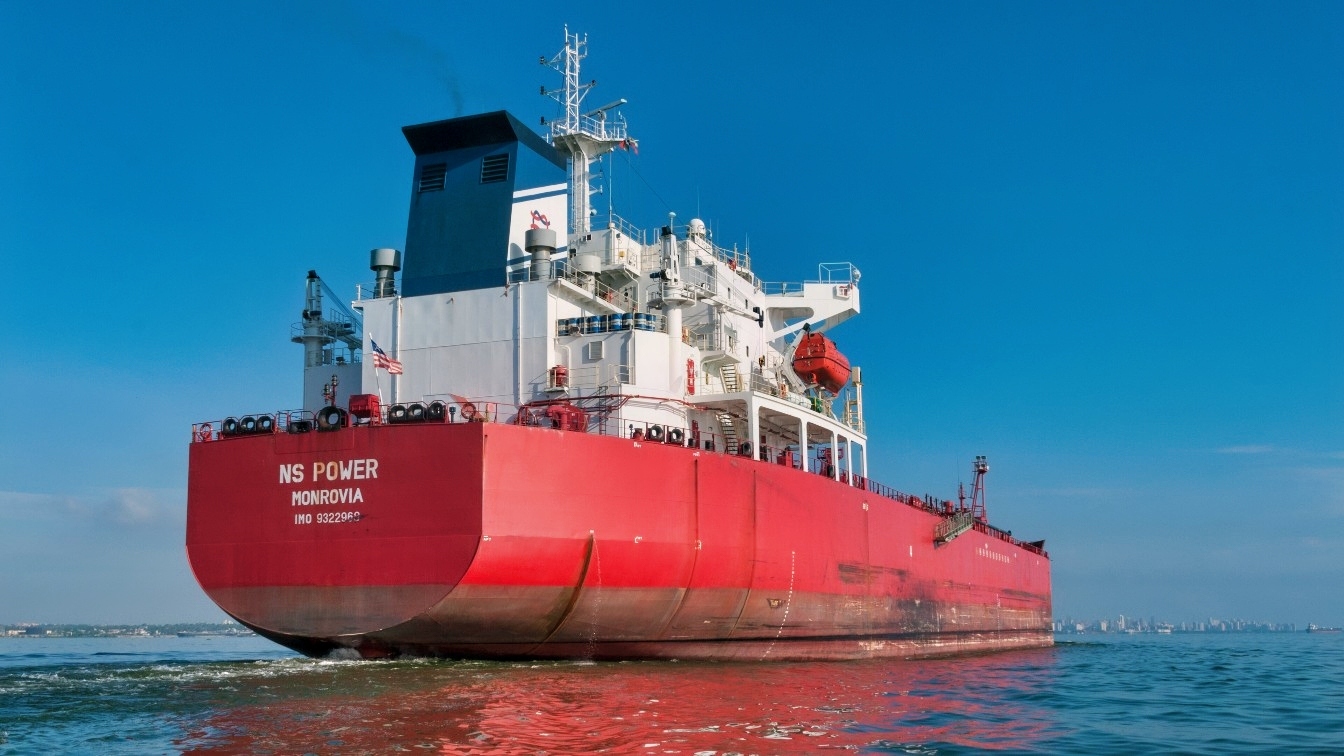
Oil Tanker. Image Credit: Creative Commons.
The US is flexing its military muscles to help get oil through contested waters
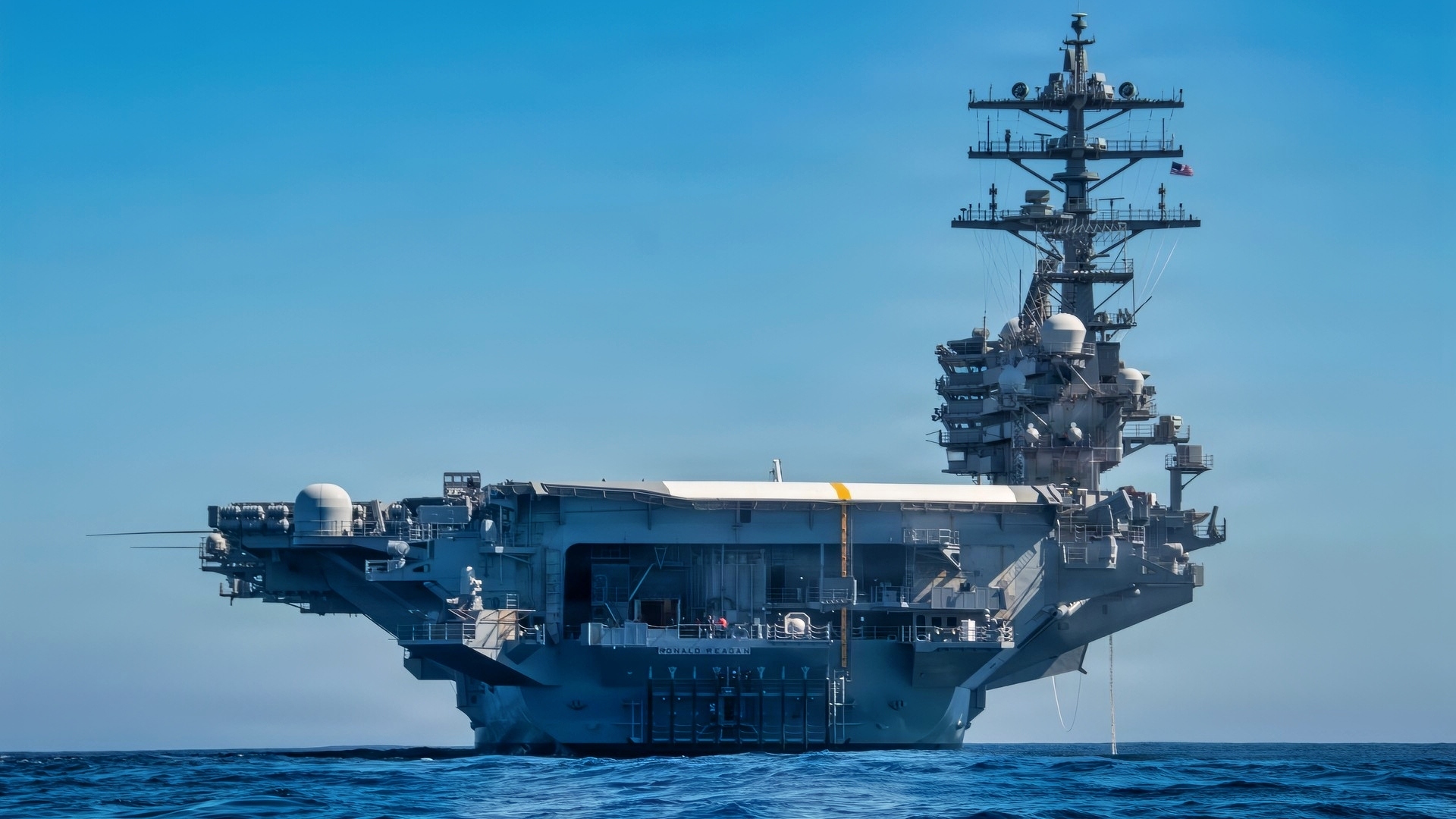
According to analysts, one critical factor is that the US is circumventing Iran’s effective closure of the Strait of Hormuz by using its military might to escort oil supply vessels through the strait. As early as March, US President Donald Trump announced plans to have military vessels escort oil tankers, after the war prompted Iran to launch attacks not only on oil vessels passing the Strait of Hormuz, but also on those in the Persian Gulf.
The US apparently followed through, with President Trump posting about the launch of an operation dubbed “Project Freedom” on Truth Social, a social media platform he owns and still uses heavily.
“This process, Project Freedom, will begin Monday morning, Middle East time. I am fully aware that my representatives are having very positive discussions with the country of Iran, and that these discussions could lead to something very positive for all,” read part of Trump’s statement on the platform.
The operation had a rocky start, with the president posting roughly 50 hours later that the launch would be delayed “for a short period of time,” as he floated the possibility of a deal with Iran over reopening the Strait of Hormuz.
US Central Command has apparently continued military escorts of oil vessels through hostile waters, but has largely tried to keep such efforts under wraps for obvious security reasons.

Generic Oil Tanker Image. Image Credit: Creative Commons.
Utilizing the “shuttle” system
Another method is transferring oil from one ship to another outside conflict-riddled waters, allowing oil supply vessels to bypass routes that involve passing through the Strait of Hormuz. Many Middle Eastern oil exporters who have no interest in supporting the continued conflict and prefer to keep a steady oil supply to the West, such as the United Arab Emirates, use this method.
While the shuttle system is much more flexible, the Iranian military has not missed it, with Iran’s Persian Gulf Strait Authority (PGSA) issuing notices, effectively threats, against vessels it deems to be cooperating in ship-to-ship oil transfers. The PGSA says it has about 70 vessels listed as “non-compliant” and blacklisted for not following “Iranian arrangements” in the Persian Gulf.
Bypassing Iran through pipelines
Other major oil exporters, particularly Saudi Arabia, have poured resources into building and controlling oil pipelines that bypass Iran’s hold over the strait, a move some US officials believe would significantly reduce Iran’s influence on the oil industry and make it irrelevant in the long term.
“What we are going to see over the next two years — the strait’s going to become irrelevant. It is going to become just another body of water,” US Treasury Secretary Scott Bessent said in an interview. However, industry experts say that it’s too early to be optimistic.
Iran is losing its leverage
Still, while ships that take the risky passage through the Strait of Hormuz face a “heightened and increasingly unpredictable kinetic threat”, reports for oil exports in September show that almost half of the oil exports from the Middle East – around 40% – have bypassed routes that would have taken them through the strait. Market intelligence reports say that Middle East oil exports are at their highest levels since the war began.
The problem: Hormuz is opening, but prices at the pump aren’t falling yet
However, US consumers may not see relief at the pump for some time, as they continue to contend with high prices driven by the war. There was a brief reprieve earlier in the year, but it was short-lived.
Gas prices in the US remain well above the country’s typical averages; a price-tracking tool developed by Brown University pegs gasoline at 46.4% above pre-war levels. Diesel, which impacts many critical industries in America and plays an understated role in the US economy, has seen a whopping 72.2% price jump.
About the Author: Tim Ramos
Tim Ramos has written for various publications, corporations, and organizations, covering everything from finance and politics to travel, entertainment, and sports, in Asia and the U.S. for more than 10 years.