
Russia Makes Life Harder for Those Who Wish to Dodge the Draft – Russia is making it increasingly difficult for young men to avoid military service, tightening restrictions on everyday civilian life as the Kremlin tries to replenish an armed forces battered by more than four and a half years of war in Ukraine.
Men aged 18 to 30 face tighter restrictions on property transactions unless they can show they have complied with Russia’s military registration requirements.
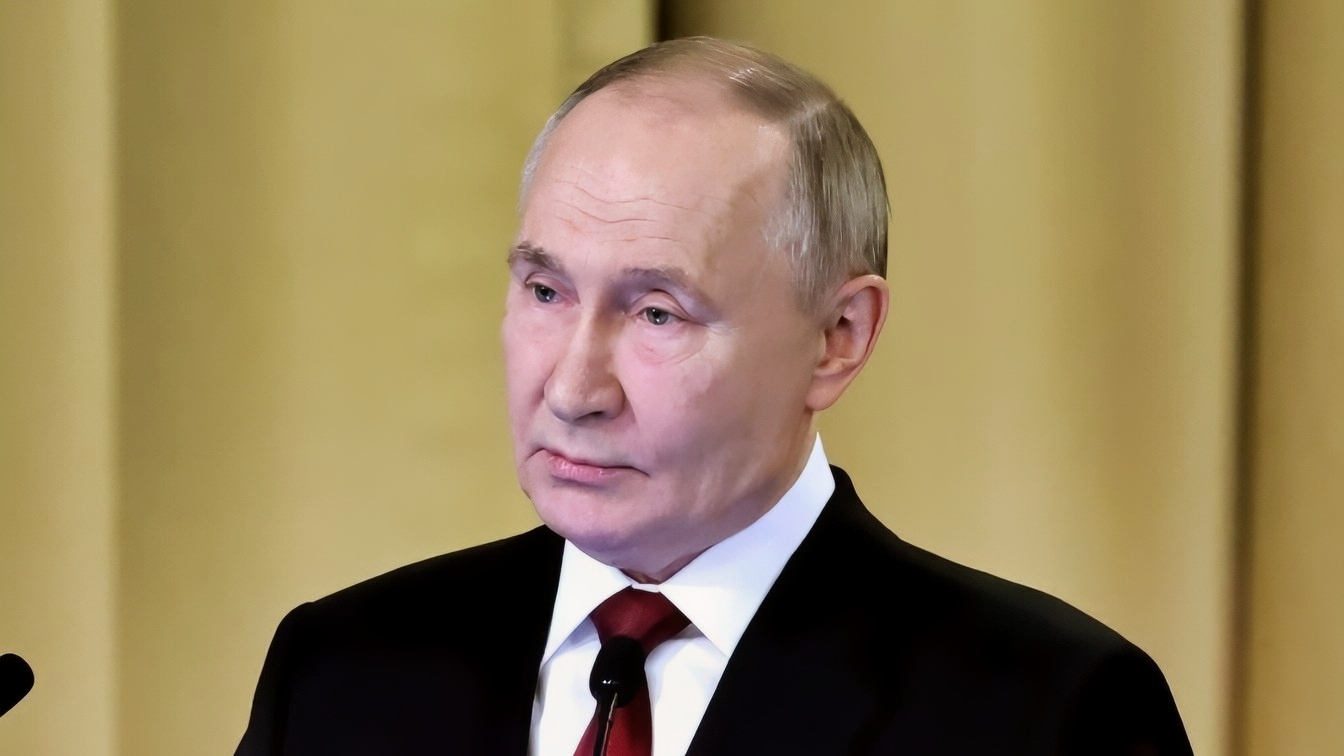
Putin in 2025 Government Meeting Creative Commons Photo
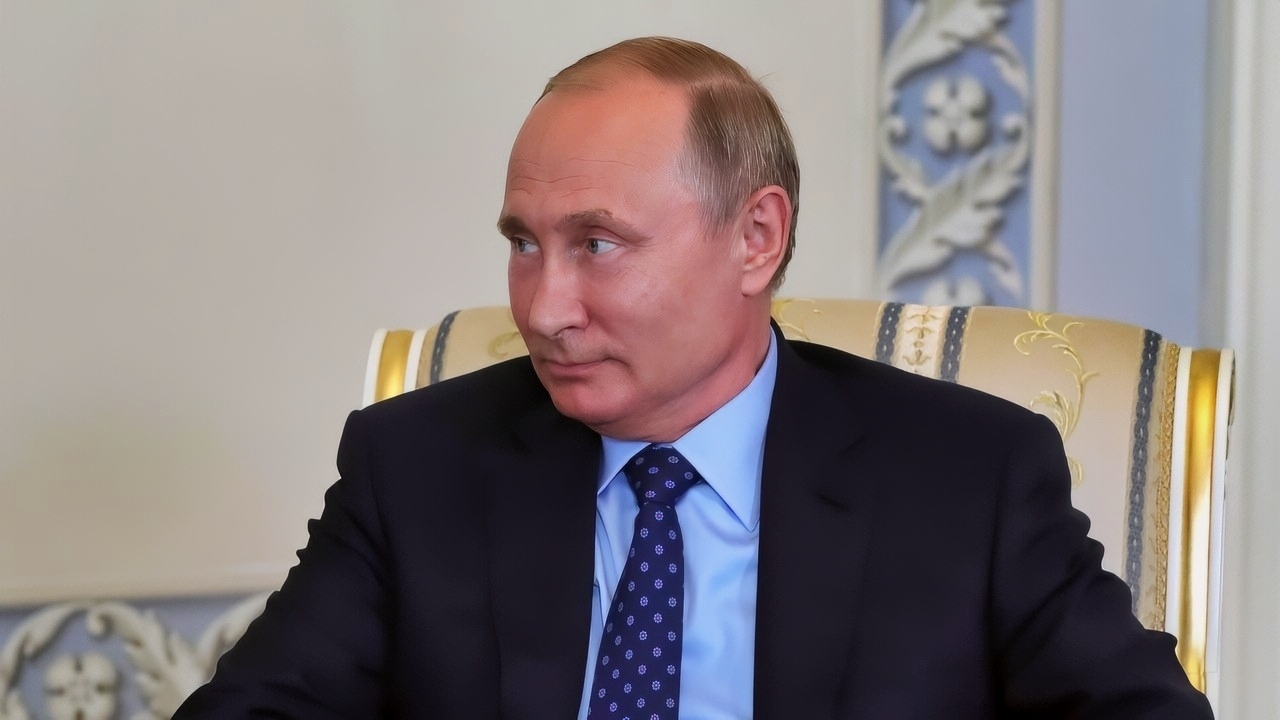
Putin May 2018 Meeting Creative Commons Photo
Despite the Kremlin’s claims that mass mobilization is not ongoing, a document seen by The Sunday Times reveals how Russia is making life harder for those who do not want to fight in its full-scale invasion of Ukraine.
Draft Dodging
Ever since its full-scale invasion of Ukraine began in February 2022, Russia has struggled to recruit eligible men to fight. In September of that year, Russian President Vladimir Putin ordered the partial mobilization of 300,000 reservists. Hundreds of thousands fled the country, while others ignored summons, with some moving addresses to avoid conscription.
It’s an uncomfortable situation for a government that prides itself on national unity. An overt mobilization campaign will undoubtedly spark more protests, while those best suited for the front lines flee abroad. Alas, the Kremlin has introduced a new covert mechanism designed to make draft dodging considerably harder.
Mortgages and the Military
According to a document seen by The Sunday Times, eligible men aged 18 to 30 who fail to comply with military registration requirements may be locked out of major financial and legal transactions.
Without the correct documentation, they may be unable to take out a mortgage, sell an apartment, or register themselves as business owners.
Rather than relying only on police or military officials to enforce the draft, Moscow is increasingly tying participation in ordinary civilian life to compliance with the conscription system.
Conscripts Required
It couldn’t come at a more pressing time for the Kremlin. As part of its Fall conscription campaign, Russia is looking to recruit 120,000 reservists this month. It’s a larger-than-usual call-up, with 100,000 men usually called up during the biannual draft cycles.
The Kremlin claims these additional recruits are ordinary conscripts and will not be sent to war in Ukraine. Military officials have doubled down on these claims, with conscripts not deployed to the frontline or Russia’s four occupied regions of Ukraine.
It’s a cautious approach, with government and military officials wary of the unpopularity of mass mobilization earlier in the conflict. Nevertheless, what they currently claim may not prove true, with Russia previously forced to admit that conscripts had been sent to frontlines earlier in the war.
After nearly five years of war and 1.5 million casualties, Russia is expanding its armed forces to fight a war it’s struggling to win. The Kremlin recently shared plans for additional defense spending over the next three years, while Putin authorized an increase in active-duty personnel to 1.55 million.
It’s Russia’s latest strategy to recruit men for the roles it needs. Contract soldiers, financial incentives, and regional recruitment, while bypassing mass mobilization, have their limitations. Covert mobilization avoids political drama while securing the resources needed to fight a war with little end in sight.
What Comes Next?
Russia is preparing for long-term warfare, perhaps most evident through its 2027 draft budget, where the country will allocate 375% more for defense spending than it did in 2021 – the year before its invasion of Ukraine began. 17.1 trillion Rubles is earmarked for 2027 – the highest proportion of Russia’s federal budget allocated to defense since the end of the Soviet Union.
It signals the Kremlin’s anticipated prolonged war, with households, businesses, and public services expected to foot more of the bill.
Hopes are also fading for a permanent peace agreement between Moscow and Kyiv. A visit by U.S. envoys Jared Kushner and Steve Witkoff to both cities last month has seemingly yielded little compromise between Putin and Ukrainian President Volodymyr Zelensky.
The former’s armed forces are ramping up attacks on critical infrastructure across the country, with bridges in Kyiv targeted for four consecutive days. Likewise, Ukraine, despite U.S. President Donald Trump’s requests, has continued to target Russian oil refineries. While Zelensky calls for peace, Putin’s increased defense spending and mobilization efforts suggest hostilities may be far from over.
About the Author: Shay Bottomley
Shay Bottomley is a British journalist. He has written for the Western Standard, Business Insider, Maidenhead Advertiser, Slough Express, Windsor Express, Berkshire Live and Southend Echo.