

Iran has disrupted the global oil market and dramatically increased prices, but it would be a stretch to claim that Tehran has won the oil war. Even as strikes on commercial shipping in the Strait of Hormuz continue, new shipping data released Tuesday, October 6, shows Gulf oil exports are recovering substantially, following earlier September data that showed Middle Eastern oil exports exceeded pre-war levels for three days that month.
And while Gulf oil exports recover, Iran’s own oil exports have been reduced to virtually nothing by the American naval blockade.
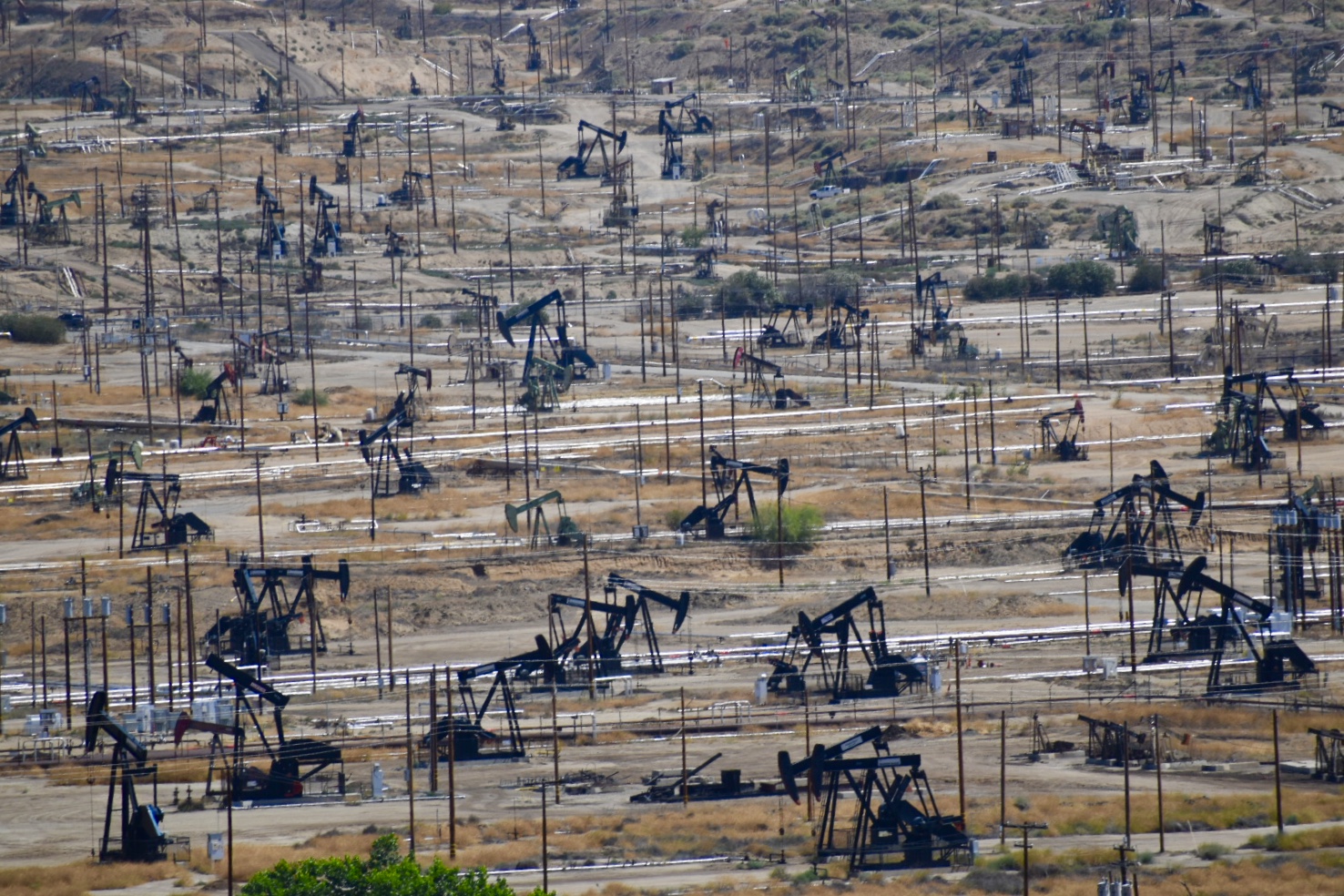
Oil fields. Image Credit: Creative Commons.
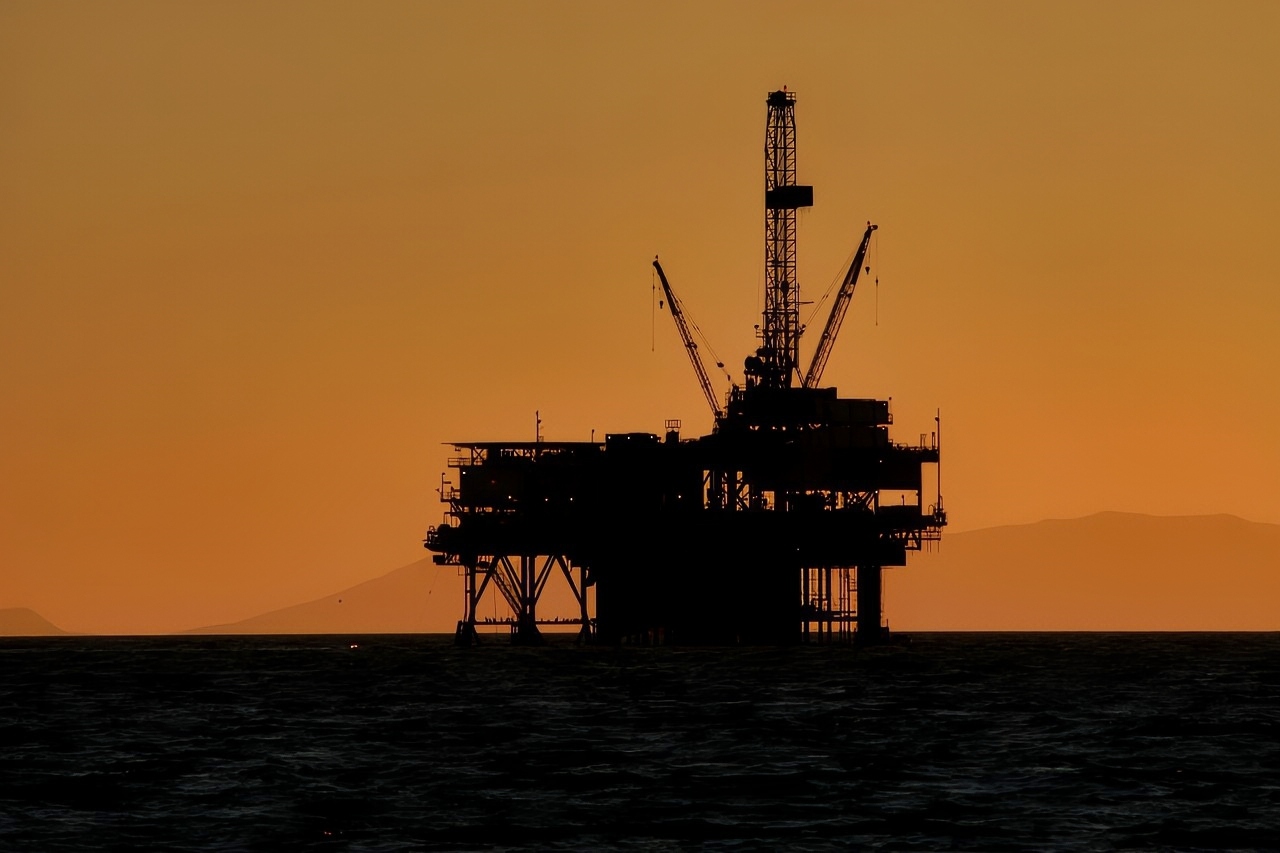
Oil Platform. Image Credit: Creative Commons.
On Tuesday, a projectile struck the Panama-flagged tanker MT On Peace as it transited the Strait of Hormuz off the coast of Oman. Twelve of the vessel’s 19 crew members were injured, including 11 Indian nationals, according to the Indian Ministry of External Affairs.
Omani authorities evacuated the injured sailors. They also took them to Khasab for treatment.
It was just the latest in a long series of attacks on commercial vessels operating in and around the Strait, proving that Iran still retains the ability to make one of the most important shipping routes in the world extremely dangerous.
What Tehran is struggling to do, however, is actually stop all of the oil from getting out. For now, it is only increasing the risk and cost.
Gulf Oil Is Flowing Again
The latest figures come from maritime analytics firm Vortexa, which shows that oil exports from Gulf producers, excluding Iran, averaged 19.2 million barrels per day in September, equivalent to more than 81% of the 23.6 million barrels per day exported before the war began on February 28.
The recovery looks even better when one specifically considers crude oil and condensates, with exports returning to around 91% of pre-war levels last month,
Saudi Arabia also drove much of that increase, with crude exports jumping roughly 4.2 million barrels per day between August and September.
Exports reached 6.6 million barrels per day last month, and combined crude exports from all Gulf producers increased from 10.8 million barrels per day in August to 14.7 million in September.
Kpler data also shows the seven-day moving average for Middle Eastern crude exports reached 18.3 million barrels per day on September 30, slightly above the roughly 18 million barrels per day average before the war began.
Exports are recovering — but this doesn’t mean it will last, with Iran exploring options to escalate and its proxies launching strikes on alternative pipelines and infrastructure supporting efforts to bypass the Strait of Hormuz.
The Gulf Found New Ways Out
The numbers don’t mean that Iran has given up control of the Strait of Hormuz — they are the result of U.S. naval support for convoys of ships moving through the strait, recent strikes on Iranian missile and radar infrastructure surrounding the water, and Gulf producers using alternative pipelines and transport routes.
Before the war, around 83% of the region’s crude oil exports crossed through the Strait of Hormuz. As of September, around 40% of all crude leaves the region without passing through the Strait of Hormuz, up from 17% before the war began.
Saudi Arabia has been moving crude west through its East-West pipeline to the Red Sea, although repeated strikes periodically disrupt operations, and sufficient, sustained attacks could force the pipeline to close for months or longer. The United Arab Emirates also operates a pipeline connecting its oil fields to Fujairah, outside the Strait of Hormuz.
Oil that does cross the strait is now largely moved by shuttle tankers, vessels tasked with making the dangerous journey through the waterway before transferring their cargoes to other tankers, operated by companies or crews less willing to absorb the risk, waiting outside the waterway.
According to Kpler, over 70% of crude that crossed through Hormuz in August changed tankers offshore.
The process appears to work, but it is still dangerous and expensive.
Iran’s Oil Isn’t Moving
The problem for Tehran now is that while its neighbors keep adapting and finding new ways to export oil, even if only a finite number of alternative routes exist, Iran’s own crude is barely moving. Vortexa data shows Iran’s exports fell to effectively zero in September because the U.S. naval blockade prevented tankers from loading and exporting crude.
That leaves Iran with major decisions—namely, whether to keep fighting the U.S. until Trump’s term ends, as officials have previously indicated, or make a deal as soon as possible to start generating oil revenue again. But for that to happen, President Trump is publicly signaling it will require Tehran to end its nuclear ambitions altogether.
About the Author: Jack Buckby
Jack Buckby is a British researcher and analyst specializing in defense and national security, based in New York. His work focuses on military capability, procurement, and strategic competition, and he produces and edits analysis for policy and defense audiences. He brings extensive editorial experience, with a career output spanning over 1,000 articles at National Security Journal, and has previously authored books and papers on extremism and deradicalization.


