
The Trump administration is again stepping up the economic and military pressure against Iran as the Islamic Republic struggles to keep its financial crisis from spiraling out of control — and a whole new confrontation in the Gulf of Oman suggests that Washington has no intention of easing its blockade or overall pressure.
On Saturday, October 10, the U.S. military disabled a commercial vessel attempting to evade the American naval blockade.
The incident came only two days after the Treasury Department announced another round of sanctions designed to cut off Iran’s remaining oil revenues.
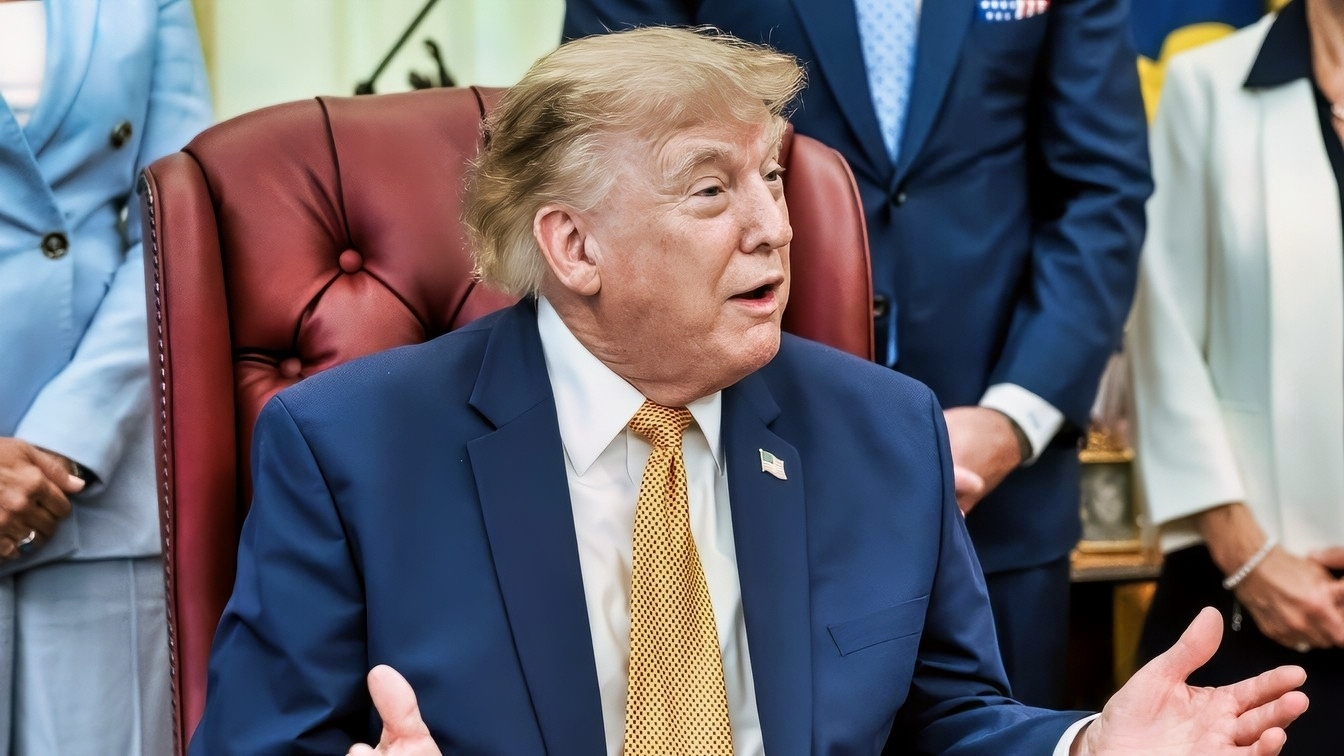
President Donald J. Trump, joined by Secretary of War Pete Hegseth and wife Jennifer Hegseth, signs an executive order creating a new White House commission focused on military families, Monday, August 3, 2026, in the Oval Office. (Official White House Photo by Molly Riley)
Meanwhile, the Iranian economy continues to deteriorate, with soaring inflation, declining oil exports, and a collapsing currency, creating serious problems for the Tehran government.
Despite recent indications that Washington and Tehran could reach a diplomatic agreement, with offers exchanged via mediators from Qatar, Iranian officials said on Sunday, October 11, that Washington’s latest proposal does not meet their demands.
U.S. Military Strikes Commercial Vessel
According to reports, U.S. Central Command confirmed that an American fighter jet struck the Panama-flagged M/V Ocean Molica in the Gulf of Oman on Saturday after the vessel attempted to breach the U.S. naval blockade.
The military said the ship, known as the Arika Sun, ignored repeated warnings from U.S. forces as it traveled from an Iranian port. U.S. forces used a precision-guided munition to disable the vessel’s propulsion system.
No crew members were injured.
The strike shows that Washington is still taking steps to enforce the blockade, not simply threatening ships and raising the risks of attempting to pass. It has been the primary Trump administration tool to force Tehran to abandon its nuclear ambitions after long periods of escalating military strikes failed to bring Tehran to the negotiating table and meet American demands.
But the operation also comes after U.S. President Donald Trump said that he would not conduct further military strikes against Iran before the November 3 midterm elections.
Trump Targets Iran’s Remaining Oil Tankers
The U.S. strike followed another major development on Thursday, October 8, when the U.S. Treasury Department announced new sanctions against Iran’s remaining shadow fleet, ships used to help the country sell sanctioned oil to global buyers.
The new sanction measures, introduced under Operation Economic Outcast, target the network of vessels and the companies that support them in their efforts to sell Iranian oil. Treasury Secretary Scott Bessent said that Washington would continue to disrupt Iranian oil sales to prevent the government from financing its military operations throughout the Middle East.
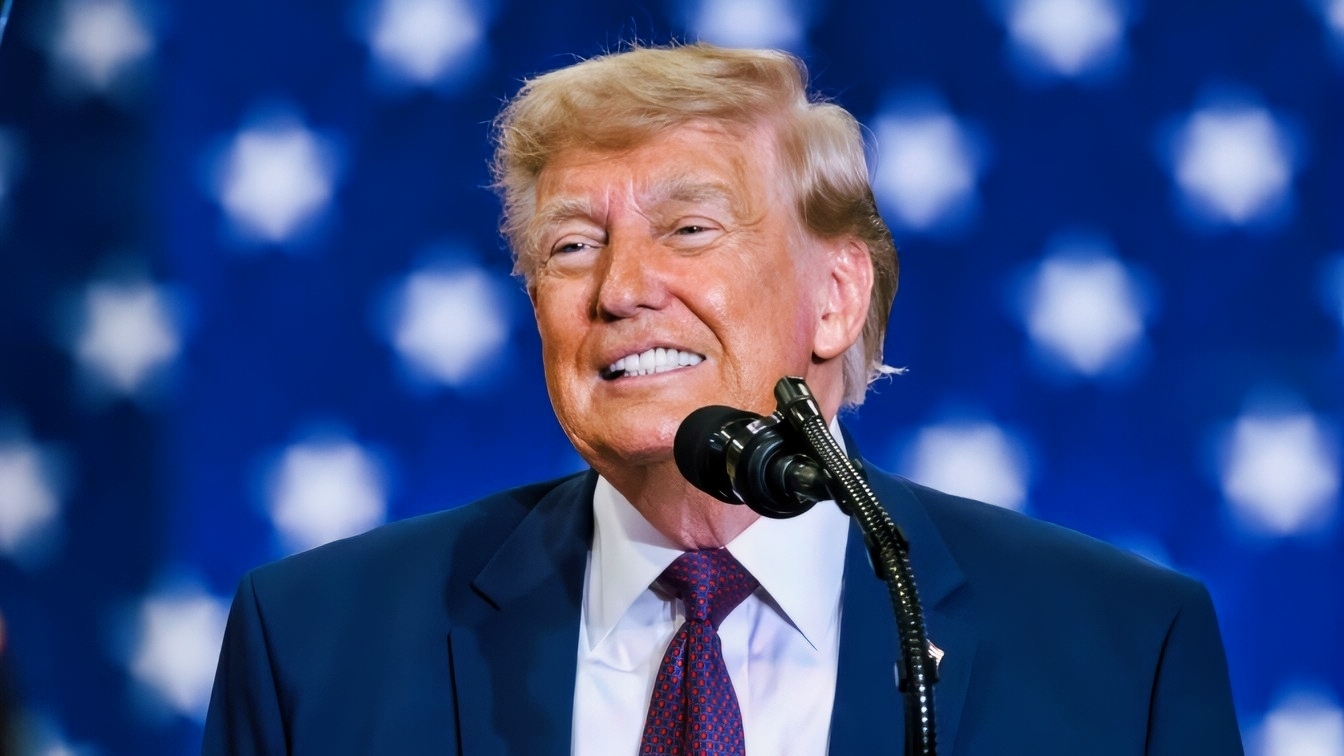
President Donald J. Trump delivers remarks at the Mack Trucks facility in Macungie, Pennsylvania, Tuesday, June 23, 2026. (Official White House Photo by Molly Riley)
“Treasury is starving the tyrannical regime in Tehran of the money it uses to wage war in the region, and we will continue exposing those who enable the regime’s oil sales,” Bessent said in an October 8 statement.
“No enabler of Iranian sanctions evasion is safe from the full force of Treasury’s authorities,” he continued.
The administration says the measures have effectively stopped most of Iran’s remaining shadow-fleet infrastructure from operating.
The campaign against the fleet began on August 24 when Treasury announced new plans to completely isolate Iran from international financial institutions and prevent foreign companies from helping Iran to circumvent American sanctions. The Trump administration has targeted Iranian airlines, procurement networks, foreign banks, and other entities accused of facilitating transactions on behalf of the Islamic Republic.
Iran’s Economic Crisis Deepens
Tehran appears to want to avoid a deal at least until after the November midterm elections, but the economic crisis it faces is becoming increasingly difficult to ignore. And by November, it will be far worse.
Iranian Oil Minister Mohsen Paknejad resigned earlier this month amid mounting criticism of the government’s economic management. The country has experienced inflation of around 85%. Economic output has contracted by an estimated 10%. The collapse in oil revenues is also creating a foreign-currency shortage, making imports more expensive and putting growing financial pressure on ordinary Iranian households.
Meanwhile, Iranian authorities face questions about how they are managing the country’s remaining oil revenues, with reports suggesting a trust responsible for selling Iranian petroleum overseas owes almost $2 billion to the National Iranian Oil Company. Iran’s parliament is investigating allegations of financial mismanagement.
The crisis is also affecting essential public services, with teachers and nurses protesting declining living standards and wages that aren’t keeping pace with inflation.
President Masoud Pezeshkian’s government now faces a serious dilemma: should it keep resisting Washington’s demands, or consider concessions that could trigger opposition from hardliners within the Islamic Republic? The latter option would anger radicals but begin fixing the national economy, while the former would guarantee worsening economic conditions.
About the Author: Jack Buckby
Jack Buckby is a British researcher and analyst specializing in defense and national security, based in New York. His work focuses on military capability, procurement, and strategic competition, and he produces and edits analysis for policy and defense audiences. He brings extensive editorial experience, with a career output spanning over 1,000 articles at National Security Journal, and has previously authored books and papers on extremism and deradicalization.


