

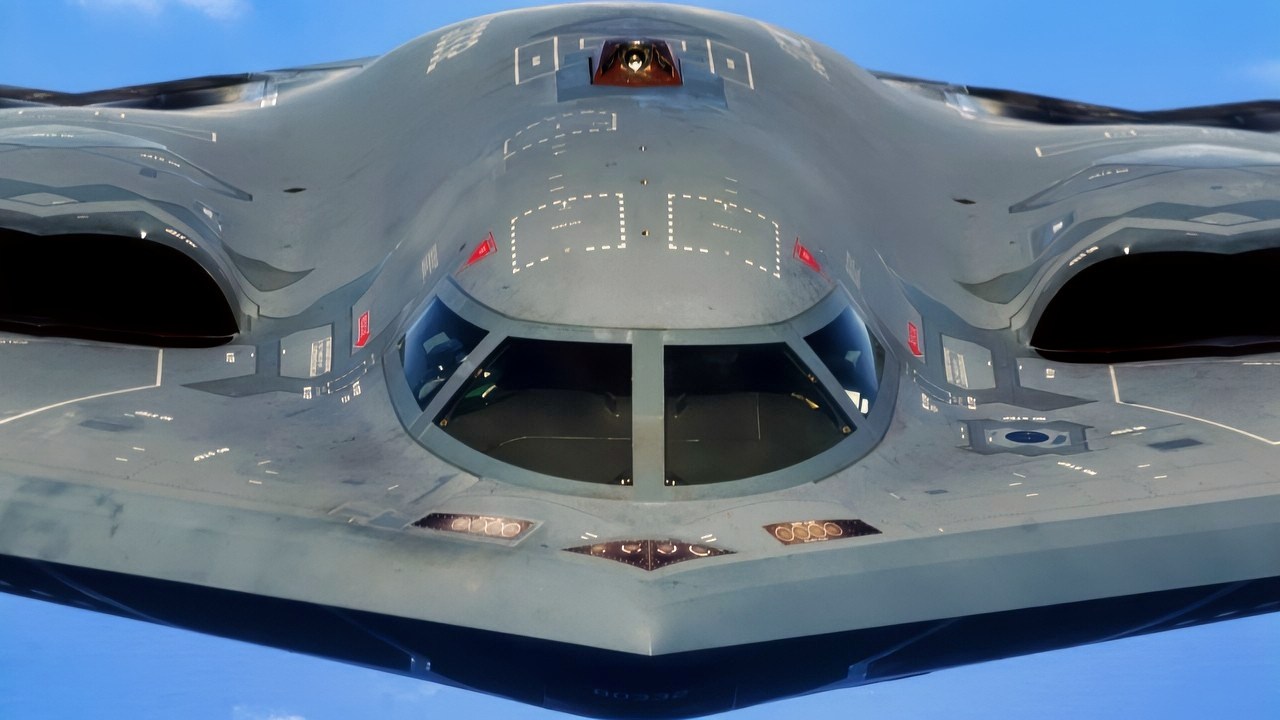
The Middle East is bracing itself for a new hot phase in the war with Iran as Israel and Tehran ramp up their aggressive rhetoric against each other.
The war has been relatively calm over the last few months, as the U.S. has refrained from striking Iran since late summer.
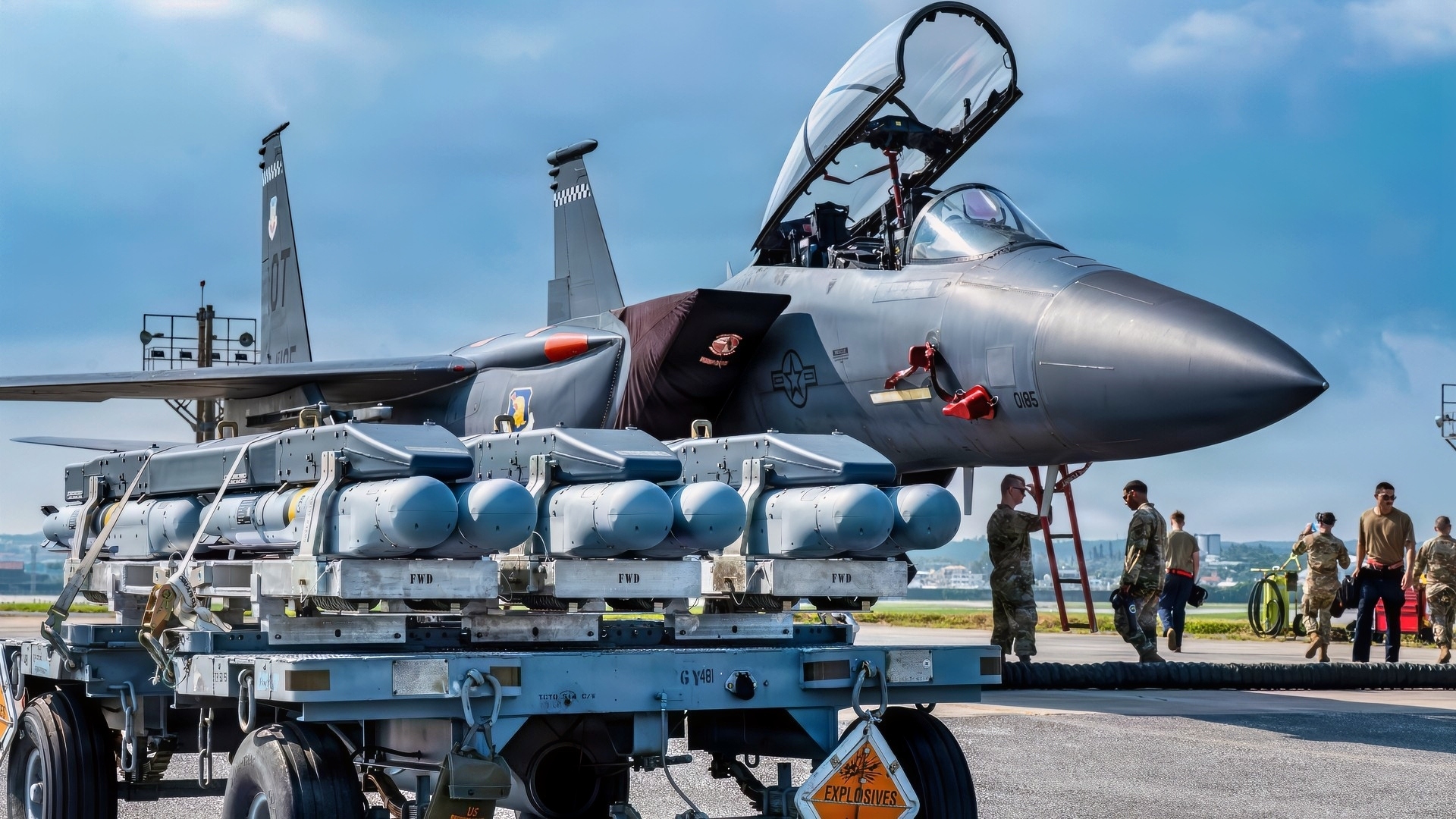
A U.S. Air Force F-15E Strike Eagle assigned to the 85th Test and Evaluation Squadron, Eglin Air Force Base, Florida, sits on the flightline before a munitions load at Kadena Air Base, Japan, July 8, 2026. The presence of advanced fighter aircraft at Kadena ensures the 18th Wing remains postured to deliver lethal and credible airpower in defense of U.S. allies and a free and open Pacific. (U.S. Air Force photo by Airman 1st Class Gracelyn Hess)

F-15EX Eagle II from Boeing Creative Commons Photo
However, as midterm elections in the U.S. approach, officials suspect that the U.S. and Israel may resume their attacks in early November as Trump and Netanyahu seek to end the war for good.
The war, which has been a source of political strife in the United States, is nearing its eighth consecutive month and has thrown the energy market into chaos.
Renewed Attacks After Midterms
All eyes are currently fixed on the upcoming November midterm elections.
The war in Iran has been largely unpopular among the general population.
Recent polls suggest that roughly 55% of Americans oppose the war, while only 36% support it. Discontentment in the U.S. stems from the war’s impact on domestic gas prices, which still average above $4 per gallon nationwide.
Paired with the country’s shared trauma over past wars in the Middle East, it is understandable why many Americans disapprove of Trump’s war.
The war and its consequences have been a major talking point for the Democratic Party, which is looking to retake the House and Senate this election cycle.
The President’s campaign strategy thus far has been to shift the public’s focus away from Iran and towards other issues, like the war in Ukraine.
The November 3 midterms are doubly important as the U.S. will likely resume its strikes shortly afterward. Earlier this month, President Trump promised not to resume attacks against Iran until after the elections. “I want to make it clear to everybody that, while Iran is in very bad condition, both economically and militarily… we will not be attacking Iran at any time prior to the Midterm Elections to be held in the United States on November 3rd,” the President wrote on social media.
It is unclear when exactly the U.S. and Israel will resume their strikes.
However, most experts expect military attacks to resume sometime in early November.
According to some reports, Israeli Prime Minister Benjamin Netanyahu attempted to convince Trump to renew his attacks earlier in October, before Israel’s upcoming elections on the 27th.
Trump reportedly considered the request but ultimately declined, choosing to focus on the midterms.
Waiting for the Inevitable
In response, Iran has renewed its aggressive rhetoric as it braces itself for the inevitable attacks.
Iran’s top security official, Gen. Mohsen Rezaei, the Secretary of Iran’s Supreme National Security Council and personal representative of Supreme Leader Ayatollah Mojtaba Khamenei, stated that in the event of renewed attacks, Iran would continue launching drones and missiles at U.S. installations. “If the question is whether Iran still can continue missile and drone operations, the answer is yes,” Rezaei said in an interview with Drop Site. “The United States has valuable assets in the region. In the event of war, cables, data centers, and artificial intelligence facilities could also come within range. If the conflict begins again, we will have a broader plan.”
Iranian officials believe that attacks against their country could begin even before Israel’s elections on Tuesday.
The first attacks, they believe, will be carried out by Israel and aimed at “destroying Iran’s newly deployed air defense systems, to open the path for American bombers.” In the meantime, Iran has been ramping up its strikes against civilian vessels in the Strait of Hormuz.
Several days ago, the IRGC claimed that it had struck seven oil tankers in and around the Strait.
Officials stated that four vessels were attacked while they were transferring oil, while the other three were disabled by naval mines.
The UK Maritime Trade Operations (UKMTO) center has not verified these claims, but has reported four separate attacks since Sunday, October 18.
Getting the Pieces in Place
Any chance of a resolution before the midterms is practically nonexistent, as the U.S. is either unable or unwilling to work out a peace settlement. “Trump has sat on Iran’s proposed package for ending the war, and negotiations have stalled,” an anonymous Iranian official said. “Contrary to the show he is putting on, Trump has no clear or actionable plan for [ending] the war with Iran. This has been the cause of a diplomatic deadlock.” The proposal mentioned by the official refers to a peace plan Iran drew up that requires the U.S. and Israel to cease attacks on all fronts, lift the blockade against Iran, and lift all sanctions.
Trump dismissed the plan earlier this month.
At the same time, the U.S. has quietly repositioned assets to the Middle East to strengthen its forces.
The USS Theodore Roosevelt (CVN-71) departed in September and is expected to link up in the Middle East, bringing the Navy’s strength to three carrier strike groups.
The carrier is expected to arrive in the region by the end of November, which could be when the U.S. plans to resume its attacks.
Joining Roosevelt is the 13th Marine Expeditionary Unit, which is made up of roughly 4,200 Marines.
About the Author: Isaac Seitz
Isaac Seitz, a Defense Columnist, graduated from Patrick Henry College’s Strategic Intelligence and National Security program. He has also studied Russian at Middlebury Language Schools and has worked as an intelligence Analyst in the private sector.


