

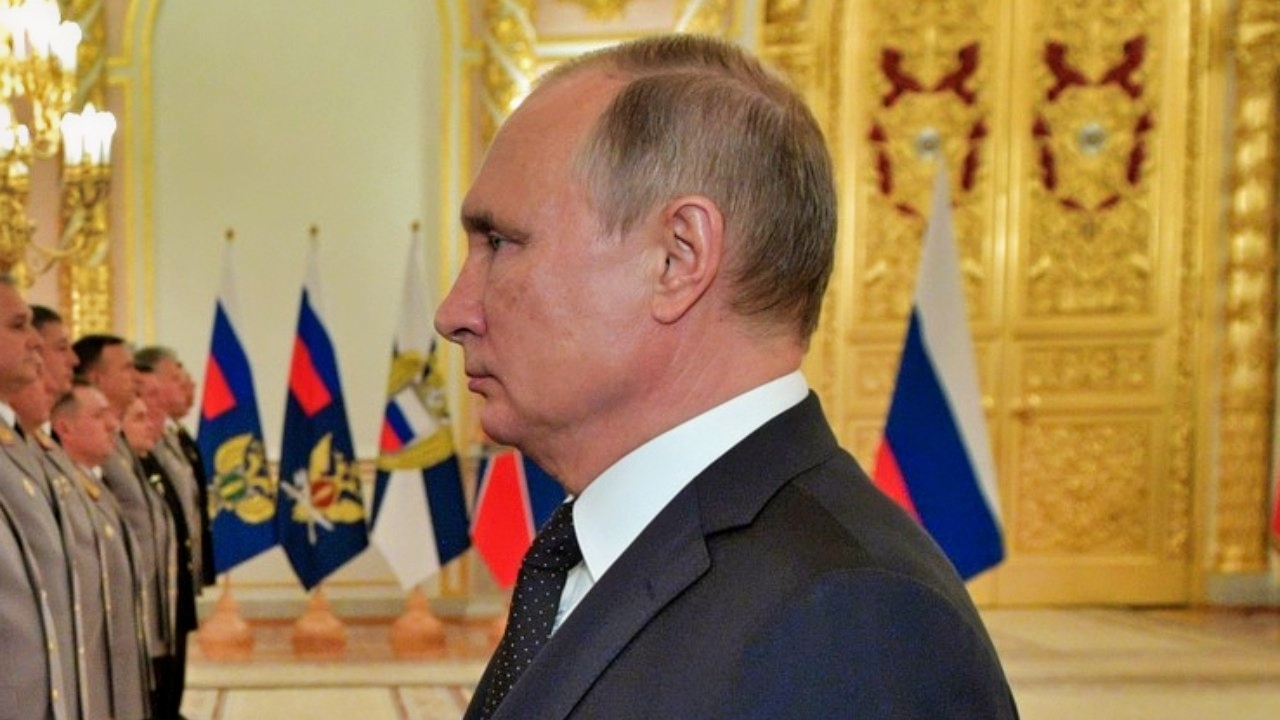
Russian strongman Vladimir Putin has notched several big wins in recent weeks, wins that seem to have come to the Kremlin at little cost.
American Presidential envoy Steve Witkoff recently called Putin a humanitarian, and the United States will, despite a raft of international sanctions on Russian energy products, allow the temporary purchase of Russian oil — putting more rubles in the Kremlin’s coffers at a crucial moment in the war.
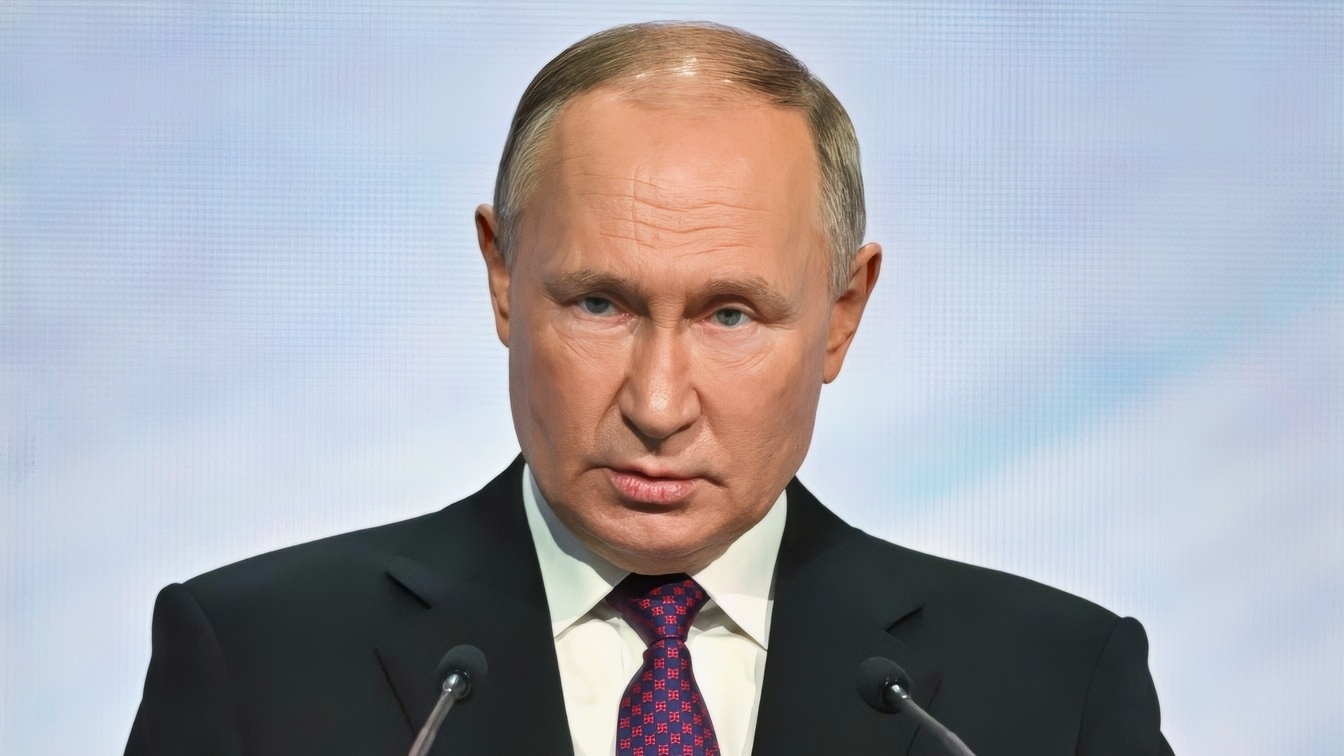
Putin Speaking at Railway Conference Russia Government Photo.
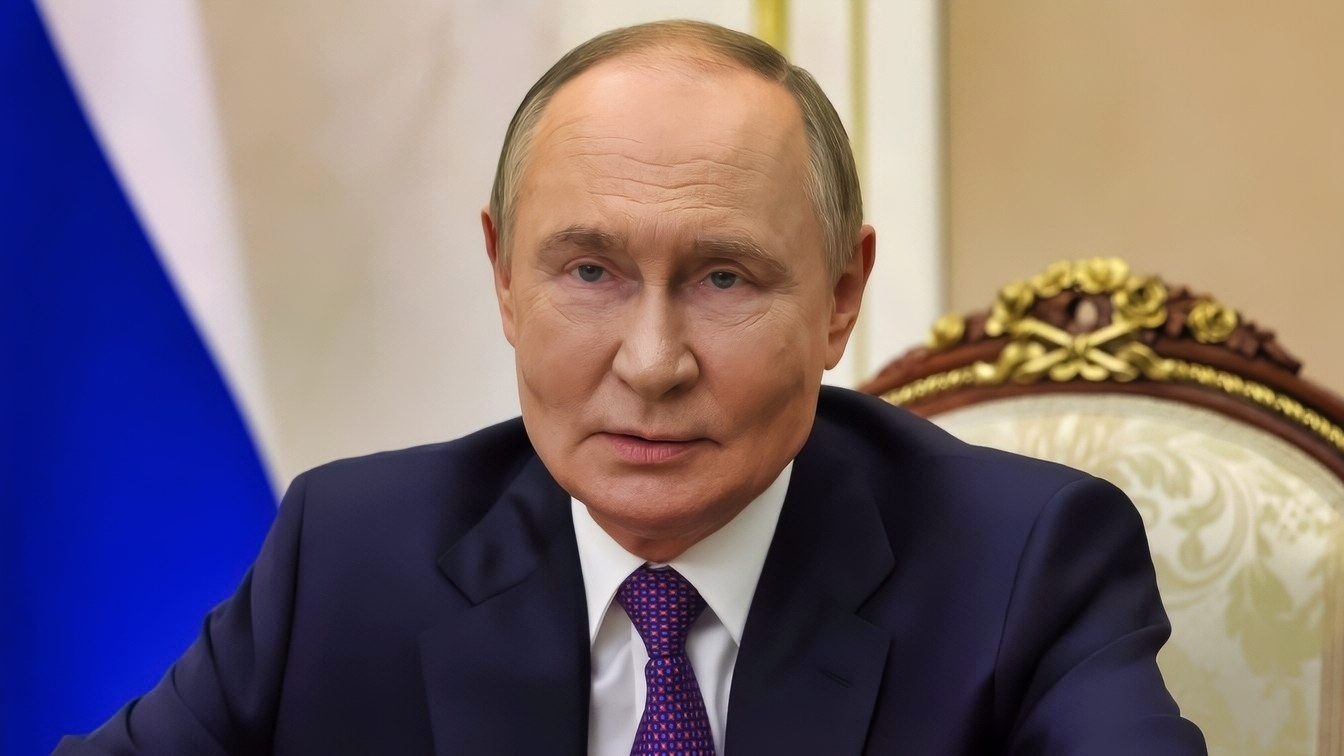
Russian President Putin Addressing the Nation Creative Commons Image
It is part of a wider peace initiative that the American President would like to see realized.
It comes at an important time for Trump and the Republican Party — just weeks before midterm elections that could prove to be an uphill battle, if not very damaging.
Peace Proves to be Elusive
While running for reelection and seeking to win the highest office in America for a second time, President Trump touted his deal-making abilities and said that within 24 hours of returning to office, he would end the war in Ukraine.
That deadline has long since passed—and there seems to be little prospect of renewed peace talks today. But the president appears undeterred.
On Wednesday, the American president sounded a hopeful note. “The other day I was talking to Vladimir Putin about settling his war with Ukraine, which I think we’re getting closer to, by the way, maybe now the closest we’ve been.” But in the meantime, the Ukrainian capital Kyiv and cities as well as towns around the country are bombarded daily by Russian drones and missiles with devastating effects.
On the Battlefields of Ukraine
Some of Ukraine’s long-range munitions — drones and cruise missiles — depend on Starshield, a military-grade version of SpaceX’s Starlink satellite communications technology to direct the explosive-laden munitions to their targets.
But the communications technology was interrupted suddenly and without warning.
Nobody seemed to know why, but the move hobbled Ukraine’s ability to both launch and direct its munitions, as well as the country’s ability to defend against Russian drones and missiles too.
Officials in the Trump administration and Elon Musk, head of SpaceX, both denied ordering the slowdown.
But recent reporting has shown that both Musk and the White House were seemingly in close contact before the decision and coordinated the slowdown, seemingly out of frustration with Ukraine’s surprisingly successful bombing campaign of Russian oil and gas infrastructure.
Musk, the president, and the Republican Party see the Ukrainian campaign as exacerbating a significant weakness of this administration—and one that could prove damaging in next month’s American midterm elections.
The issue?
The price of oil at the pump.
Looming Midterm Elections
According to AAA, gasoline and diesel prices are elevated in most parts of the country, with some areas exceeding $6 a gallon.
This issue is highly sensitive with American voters, and incumbent parties are punished for it.
Much of Russia’s oil and gas refinery infrastructure has found itself under fire from Ukraine, and when combined with the war in Iran, the world has felt a significant price increase in the cost of energy.
Oil Flows in the Middle East
Oil prices remain elevated today, even as oil-producing countries surrounding the Persian Gulf—barring Iran—have managed to export much of their oil despite the threat from Tehran.
Several factors have dovetailed to enable the surprising oil exports.
Saudi Arabia, one of the region’s major producers, has rerouted a significant portion of its oil exports through the East-West Pipeline.
This major energy conduit bypasses the Strait of Hormuz entirely.
Unloading at the Kingdom’s Red Sea port at Yanbu, Saudi oil can, despite repeated attacks by the Houthi rebel group in Yemen, reach customers in marketplaces around the world.
In addition, oil and gas shipped by tanker still leave the Persian Gulf today largely thanks to the United States Navy’s efforts to keep that maritime chokepoint open and away from Iran.
But even so, the notionally Islamist regime in Tehran still fires upon some ships transiting the Strait, and several ships have been hit or sunk.
According to Kpler, a data intelligence firm, oil flows from the region have rebounded to pre-war levels thanks to alternative routes, a shuttle fleet of smaller, decentralized tanker craft, and quick fixes to damaged infrastructure that get systems online quickly.
About the Author: Caleb Larson
Caleb Larson is an American multiformat journalist based in Berlin, Germany. His work covers the intersection of conflict and society, focusing on American foreign policy and European security. He has reported from Germany, Russia, and the United States. Most recently, he covered the war in Ukraine, reporting extensively on the shifting battle lines in Donbas and the war’s civilian and humanitarian toll. Previously, he worked as a Defense Reporter for POLITICO Europe. You can follow his latest work on X.


