


Russia is one of the world’s major oil producers and, compared with other major players in the Middle East, North America, and elsewhere, is undeniably a global heavyweight.
But that position masks what could, in the long term, prove to be a significant weak spot for Russian energy exports: age.
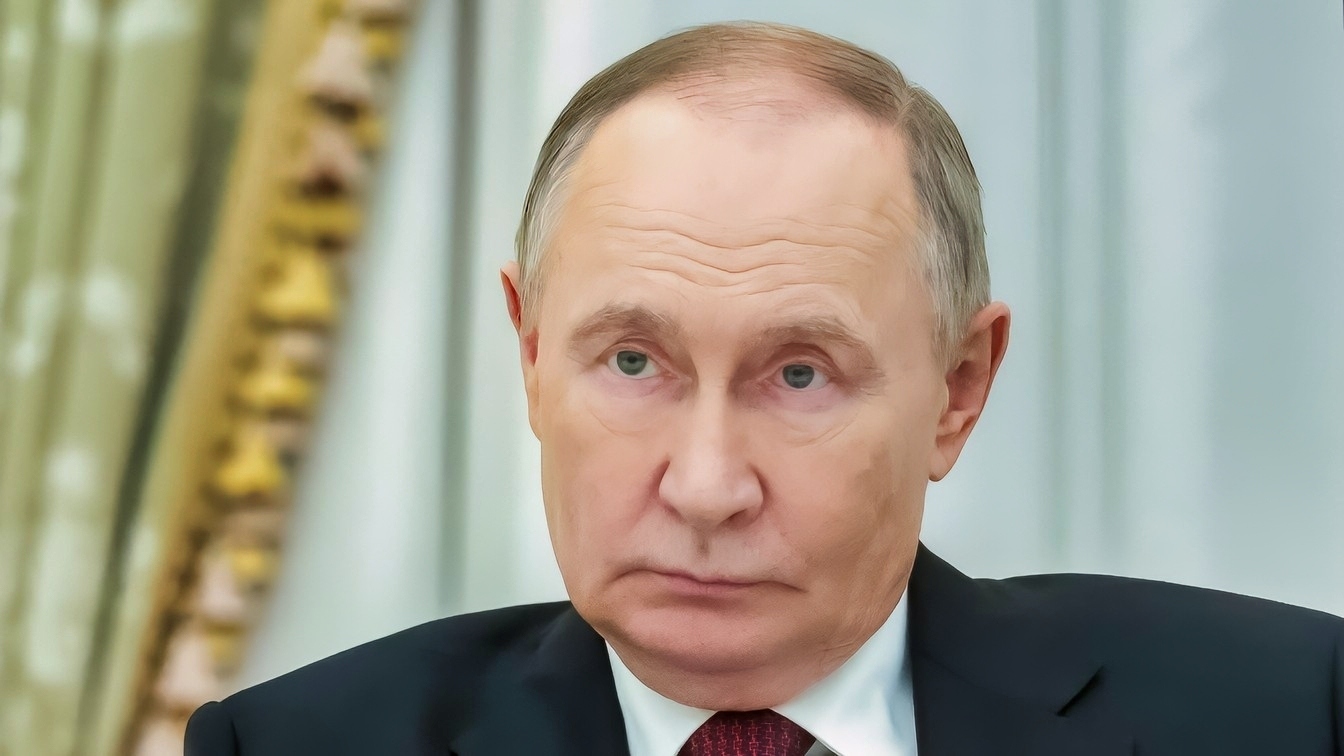
Putin in 2025 Russian Government Photo
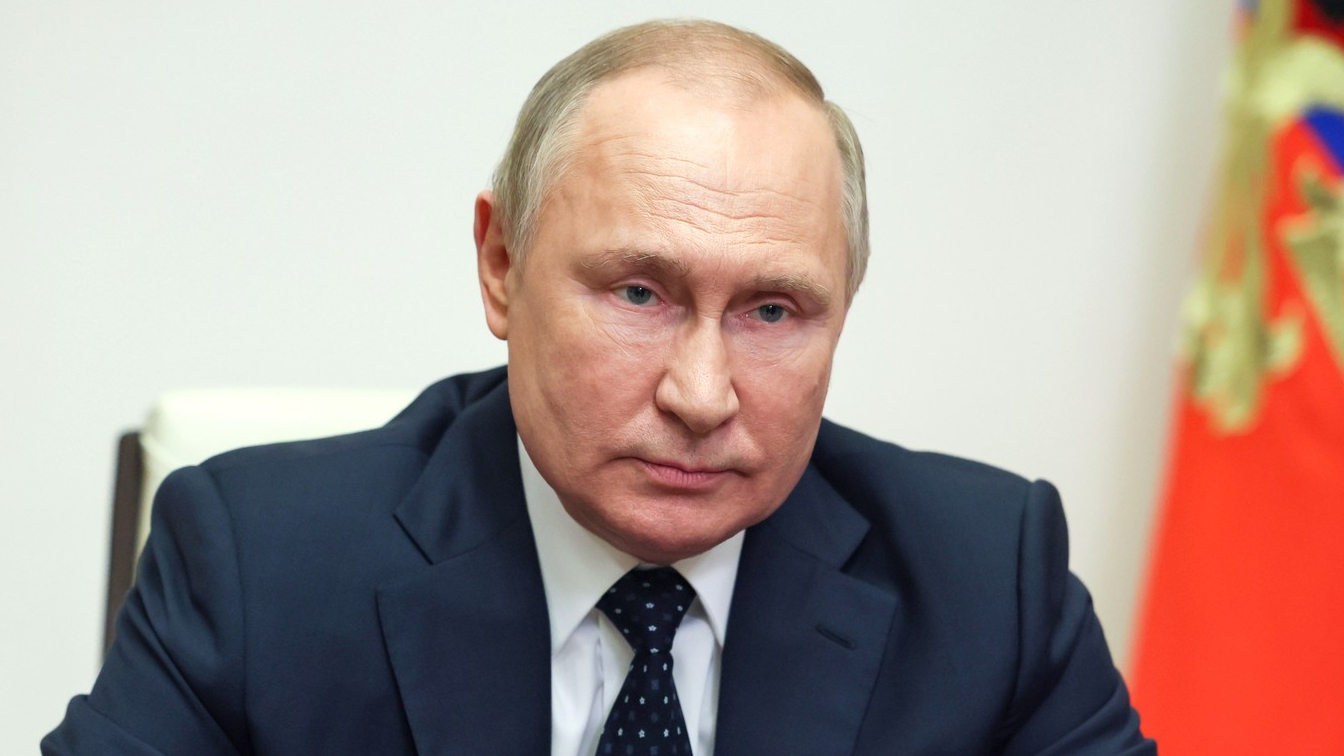
Putin Back in 2022 Russian Government Photo
And that seems to be a weakness Ukraine is going after with missiles and drones.
Ukraine Found a Weak Spot
Many of Russia’s most significant oil fields have been producing since the Soviet era, making future energy exports depend on new fields and, therefore, new exploration to eventually supplant older wells.
But Ukraine’s ongoing strike campaign against Russian oil and gas infrastructure — what Ukrainian President Volodymyr Zelenskyy has dubbed part of his country’s “long-range sanctions” regime against Russia — threatens to upend Russia’s ability to explore and tap new wells.
And if Ukraine’s new crop of drones and missiles continues to increase in range, even Russia’s furthest, most remote oil infrastructure could find itself in Kyiv’s crosshairs.
Rosneft, the Russian state-owned oil firm and the country’s largest refiner, has seen production plummet, and Russian oil processing levels have fallen by about a third more broadly.
Ukraine’s drone campaign against the Russian energy sector has taken a bit out of production capacity, and while Russia has been quick to repair facilities and bring them online again, repeated Ukrainian strikes have drained Russia’s ability to replace and repair equipment.
Sanctions on the Russian energy sector also hobble the country’s ability to source replacement parts and equipment, complicating repair timetables.
Today, in a strange twist, both the Russian and American presidents would like to see Ukraine pull back and reduce its strikes on Russian energy infrastructure. There are several reasons why.
Looming Midterm Elections
During a phone call with the president earlier this month, Putin said that Russia would lift, in part, the diesel export ban Russian authorities had put in place to prioritize domestic Russian consumers and stabilize the supply of diesel fuel within the country.
Shortly thereafter, open-source maritime tracking websites showed Russian oil tankers steaming toward the American East Coast, ultimately bound for American consumers.
While the American president initially encouraged his Ukrainian counterpart, Volodymyr Zelensky, to push Putin toward peace—including by hitting Russia’s vulnerable energy facilities—the Ukrainian campaign has seemingly become too comfortable for the president’s liking.
Earlier this week, The Wall Street Journal reported that both the White House as well as SpaceX’s Elon Musk — also the world’s richest man — had been coordinating closely on the recent throttling of Starshield, the military-grade version of the SpaceX satellite communications system that Ukraine relies on to direct its explosive-laden drones and drone interceptors.
The impetus for the Starshield slowdown, as well as the White House’s sudden appetite for formerly sanctioned Russian oil, is the upcoming midterm elections in November.
With prices at the pump reaching, according to AAA, over six dollars, fuel prices could be one of the deciding factors in elections that don’t typically favor the incumbent party.
Iran, the Strait, and the Gulf Countries
Against the backdrop of newly attractive Russian oil and the November midterms, however, the ongoing war against Iran looms.
Today, oil prices skyrocketed toward their highest levels of the year. Brent crude oil futures, a global oil pricing benchmark, rose past $117 a barrel, just above the heights they reached before the beginning of Operation Epic Fury, the joint Israeli-American military operation that decapitated much of Iran’s military and political leadership, but did not cause the collapse of the Iranian state that its planners may have hoped for and anticipated.
But remarkably, despite the high price of oil — or, perhaps because of the elevated prices — oil keeps moving out of the Gulf at levels that few predicted could be reached without a peace agreement between Tehran and Washington. Kpler, a data intelligence firm, laid out the state of play earlier this month in stark terms.
Their findings show that oil flows from the Gulf to international markets have already reached pre-war levels, thanks in part to alternative rerouting of oil shipments that completely skirt the Strait of Hormuz, as well as to efforts by the United States Navy to protect ships transiting that maritime bottleneck.
Thanks to ship-to-ship oil transfers at sea, small oil-bearing vessels can run the Strait and offload their liquid cargo to larger tankers lying at sea, out of range of Iranian weaponry.
Oil Boom, Oil Bust?
Russia stood ready to reap the reward of higher energy prices following the outbreak of the war in Iran, and briefly enjoyed a boost in revenue from oil sales. But the future of Russian oil refining and export capacity remains uncertain.
Are these the waning days of Russian oil dominance?
Only time will tell.
About the Author: Caleb Larson
Caleb Larson is an American multiformat journalist based in Berlin, Germany. His work covers the intersection of conflict and society, focusing on American foreign policy and European security. He has reported from Germany, Russia, and the United States. Most recently, he covered the war in Ukraine, reporting extensively on the shifting battle lines in Donbas and writing about its civilian and humanitarian toll. Previously, he worked as a Defense Reporter for POLITICO Europe. You can follow his latest work on X.


