
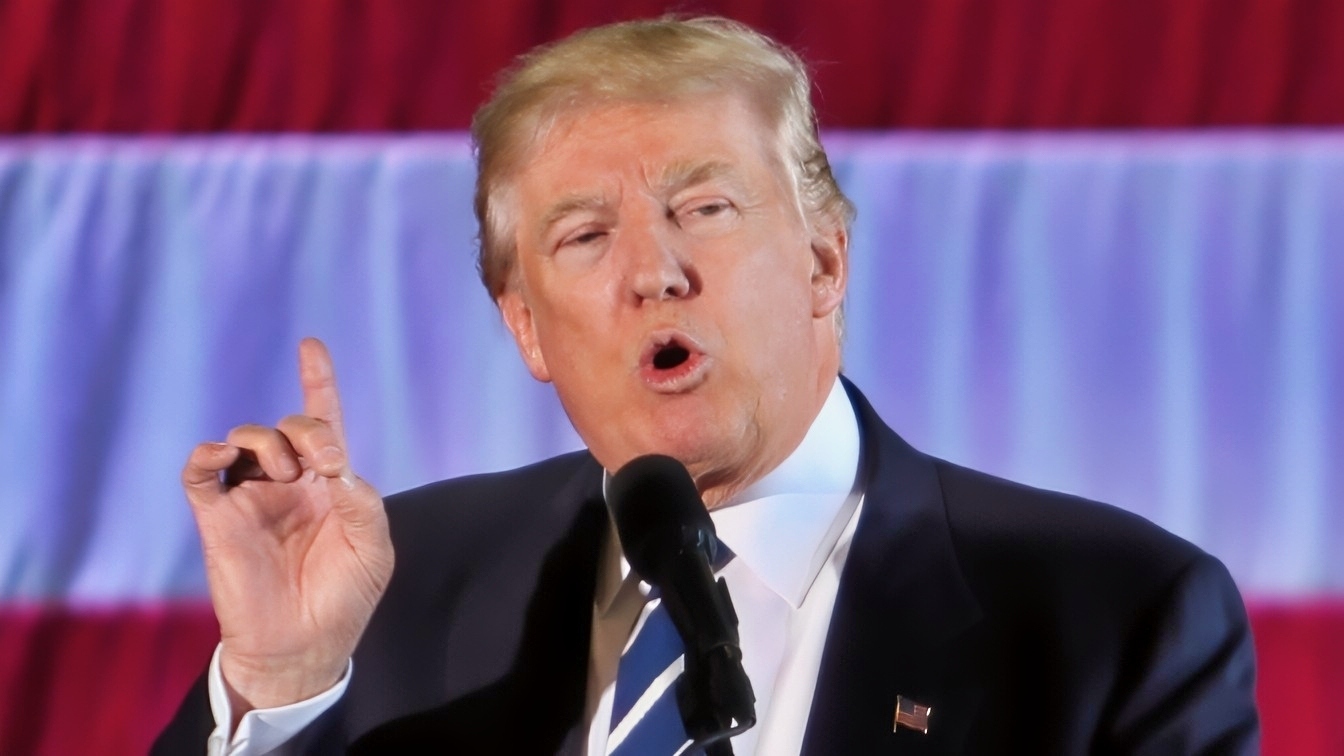
President Donald Trump’s approval rating remains way below positive territory with less than a week until the midterm elections.
The NPR/PBS News/Marist poll released Tuesday, October 27, found that 40% of respondents approved of Trump’s performance, compared with 59% who disapproved.
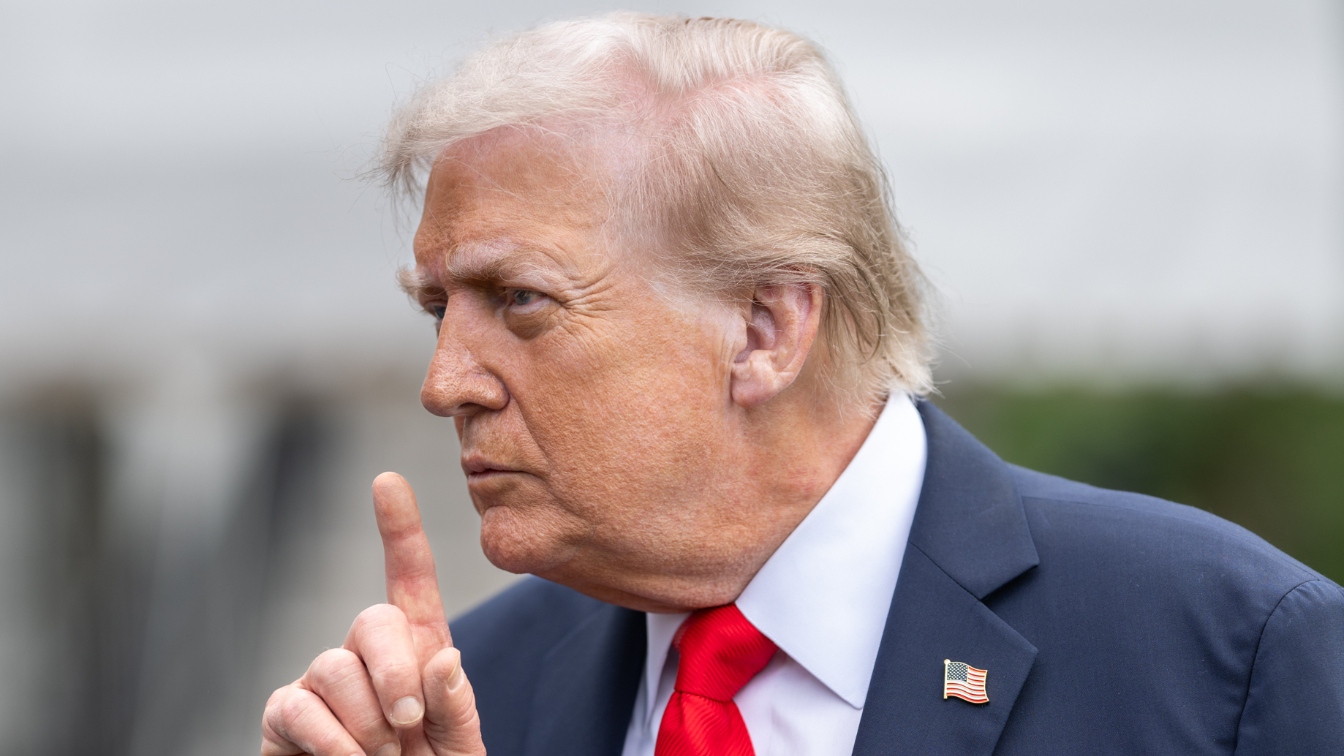
The President departs the White House and gaggles with the press on the South Lawn before boarding HMX-1 to begin traveling to the United Kingdom on Tuesday, September 15th, 2025. (Official White House Photo by Harrison Koeppel)
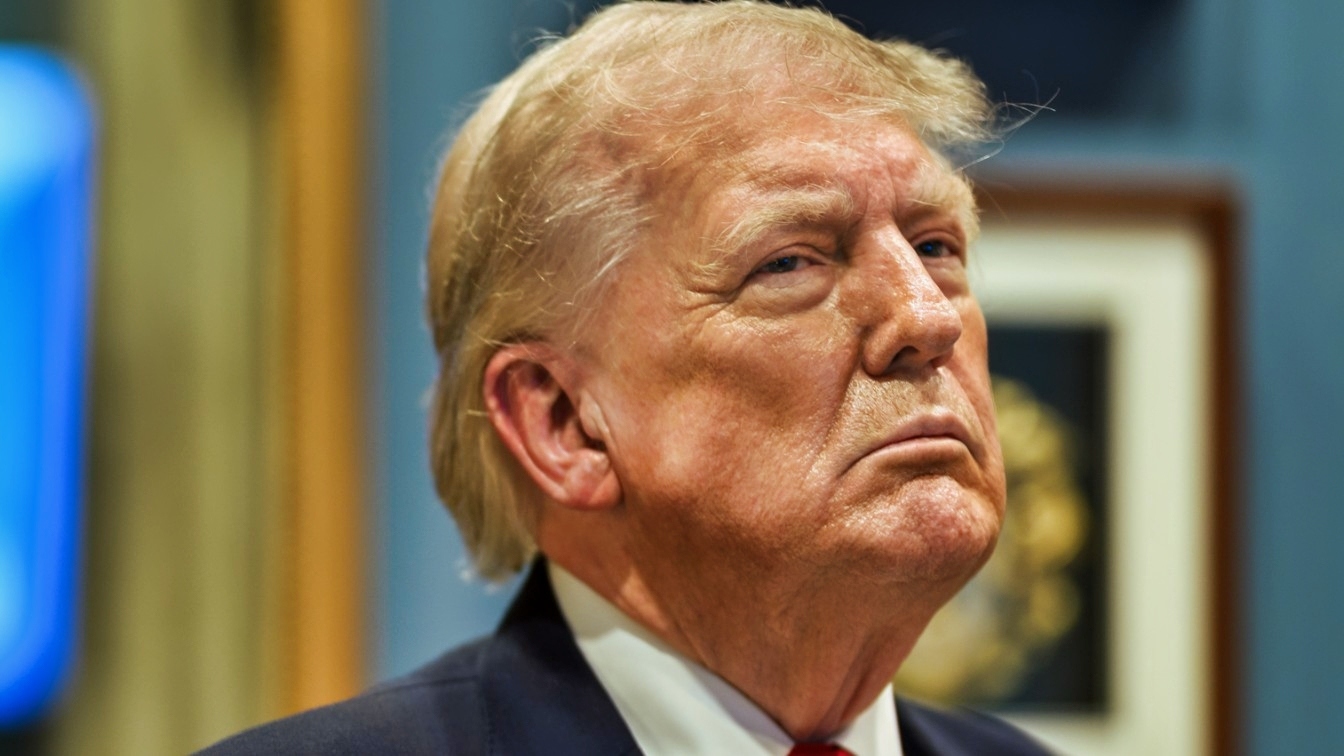
President Donald J. Trump watches the liftoff of Artemis II in the Outer Oval Office, Wednesday, April 1, 2026. (Official White House Photo by Daniel Torok)
The findings also showed that opposition to the president was a stronger voting motivation than support for him — the latest concerning sign for the Republican Party, with Trump urging supporters to “pretend” as if he’s on the ballot.
Good News for the Party in Blue
The poll gives the Democratic Party an advantage as Republicans fight to retain control of Congress. 52% of likely voters said they would back the Democrats, with 44% voting Republican, according to the poll’s generic congressional ballot.
Democrats lead registered voters by 10 points.
That’s a two-point drop from the September poll, but still well outside the survey’s +/- 3.8 percentage-point margin of error.
Among independent likely voters, Democratic candidates led Republicans by 52% to 39%.
Interestingly, the gap between expected victors is smaller: 51% of likely voters believe their Democratic candidate will win, compared with 46% who believe their GOP nominee will win next Tuesday.
A Vote Against Trump
Despite control of the White House not being in play, 44% of likely voters say their vote will be cast as a ballot against President Trump.
21% say they will vote of the president, while about one-third (35%) say Trump has no bearing on how they vote on November 3.
Independents were also substantially more likely to describe their vote as opposition to Trump (44%) than support for him (12%).
According to the poll, candidates who will bring about change matter more than those with a proven track record, with 55% of likely voters prioritizing the former compared to 41% for the latter.
Democrats (74%) and independents (63%) were more likely to prioritize change than Republicans (28%).
Approval of President Trump remains negative, with 40% of likely voters approving of his performance in office compared to 59% who do not.
Likely voters were more than twice as likely to strongly disapprove of Trump’s performance (53%) as to strongly approve (24%).
Among registered voters, Trump’s net approval is worse: 61% disapprove of how he handles his job compared with 38% who approve.
Other Issues
Although midterm elections usually see lower turnout, enthusiasm remains high among likely voters, with 84% nationally either enthusiastic or very enthusiastic about casting their ballot.
Democrats (91%) are slightly more excited about the elections than Republicans (86%), while three-quarters of independents (76%) look forward to November 3.
Confidence in election integrity remains high among likely voters, with 77% believing their state or local government will conduct fair and accurate elections.
Conversely, 21% are not very confident, or not confident, that fair elections will be carried out.
Democrats (88%) trust the election process more than independents (75%) and Republicans (68%).
This follows a similar pattern to whether likely voters believe their preferred candidate should accept the results in defeat.
Of the 81% who say the results should not be challenged, Democrats (90%) and independents (83%) were most likely to accept the results. That compares to 70% of likely GOP voters.
Economy Remains Key
The cost of living (34%) remains the top issue for most voters, followed by preserving democracy (33%), immigration (12%), foreign policy (5%), healthcare (5%), crime (4%), abortion (2%), education (2%), and climate change (1%).
Few respondents (15%) said their financial situation had improved over the past year, with Democrats (51%) more than twice as likely as Republicans (21%) to say their family finances had worsened.
44% of likely voters said their personal finances had not changed over the past 12 months.
Among registered voters, fewer said their finances had improved than the previous month, with 16% believing they are better off, down from 20% in September.
The NPR/PBS News/Marist poll included 1,289 registered voters on October 19-20.
The poll has a margin of error of +/- 3.7% for registered voters and +/- 3.8% for likely voters.
About the Author: Shay Bottomley
Shay Bottomley is a British journalist. He has written for the Western Standard, Business Insider, Maidenhead Advertiser, Slough Express, Windsor Express, Berkshire Live and Southend Echo.