

With the Iran War still in a holding pattern, mediators from Qatar have presented the Iranian government with a “draft deal” to end the war. Still, Iran’s government has not reacted positively, according to a new report.
Reuters reported that a senior Iranian official said Qatar’s proposal includes only “unacceptable ideas.”
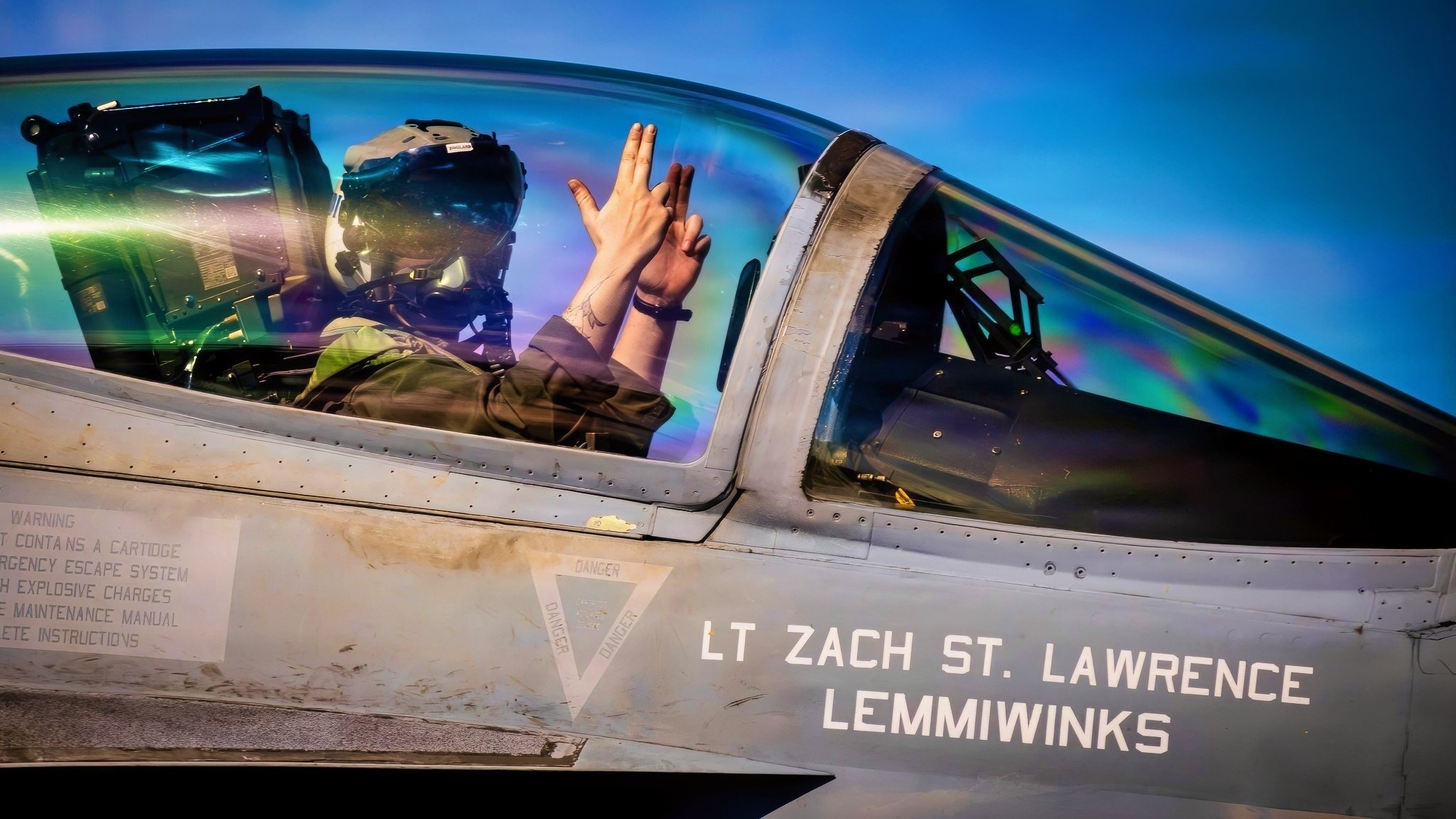
A U.S. Sailor assigned to Strike Fighter Squadron 37 signals to arm ordnance in an F/A-18E Super Hornet aircraft on the flight deck of the world’s largest aircraft carrier, Ford-class aircraft carrier USS Gerald R. Ford (CVN 78), while underway in the Caribbean Sea, Nov. 30, 2025. U.S. military forces are deployed to the U.S. Southern Command area of responsibility in support of Operation SOUTHERN SPEAR, Department of War-directed operations, and the president’s priorities to disrupt illicit drug trafficking and protect the homeland. (U.S. Navy photo)
An official briefed on the negotiations, quoted by Reuters, said Iranian officials submitted the draft proposal Sunday and are reviewing it now.
What’s in the Proposal
According to Reuters, the proposal from Qatar “sets a seven-day timeline addressing both Tehran’s and Washington’s concerns,” including steps both sides must take to build confidence. If the parties agree, the process would begin next week, with several countries acting as “guarantors.”
However, a senior official from Iran later said the proposal includes “unacceptable ideas and not an offer.”
A key sticking point is the Iranian nuclear program, which the U.S. wants to be part of the negotiations, while Iran has demands that must be met first, including an end to the U.S. blockade at the Strait of Hormuz and the lifting of sanctions.
This follows last month’s discussions when, per Reuters, Foreign Minister Abbas Araqchi reportedly offered to reopen the Strait of Hormuz in exchange for certain U.S. moves. However, President Donald Trump rejected the proposal.
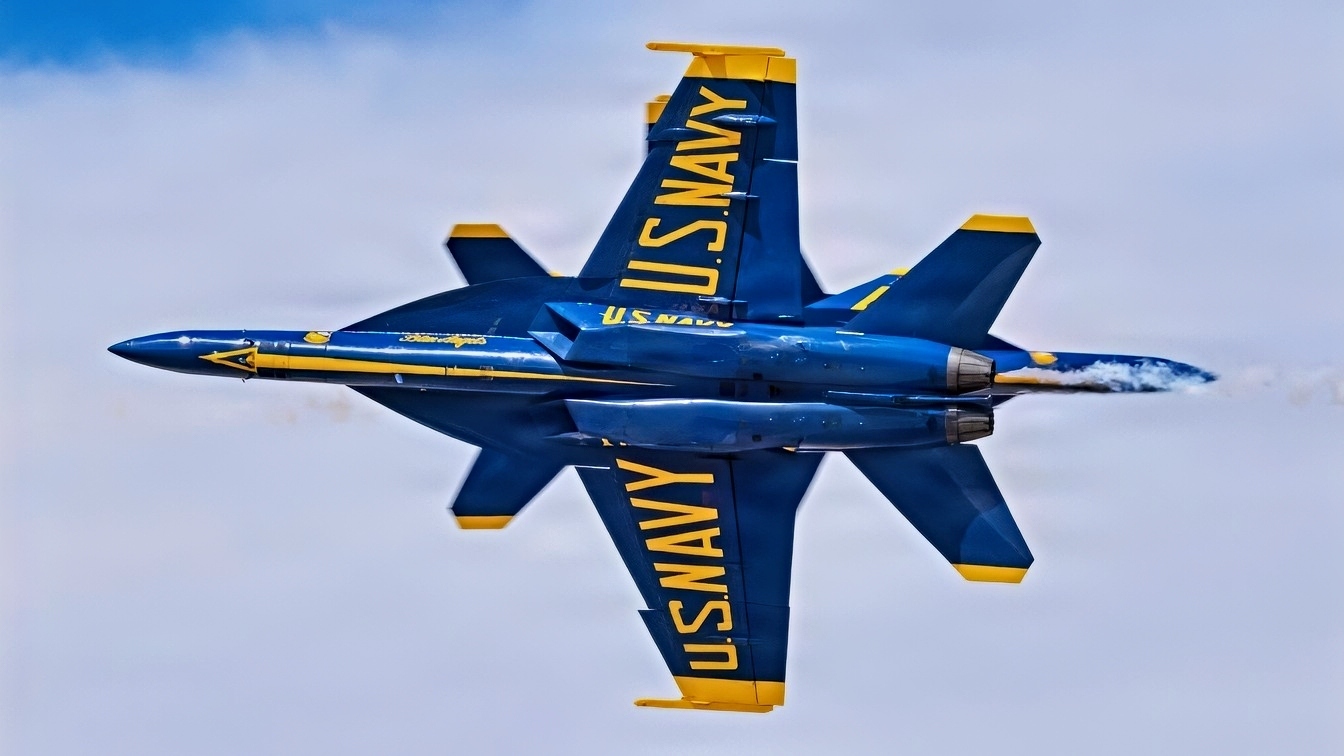
U.S. Navy Blue Angels 5 and 6 fly past each other in an opposing knife edge pass during the Luke Days 2026 airshow, March 22, 2026, at Luke Air Force Base, Arizona. Events like Luke Days 2026 provide insight into the training, preparation and teamwork that enable the joint force to respond quickly and effectively when needed. anytime and anywhere. The U.S. Navy Blue Angels demonstrate the precision, speed and discipline required to operate the F/A-18 Super Hornet, one of the Navy’s frontline carrier-based fighter aircraft. (U.S. Air National Guard photo by Tech. Sgt. Hampton Stramler)
Reuters quoted the official as saying this week’s proposal differs from the September framework.
A Regional Conference
On Monday, senior officials from Saudi Arabia, Pakistan and Turkey went to Iran and met with Iranian President Masoud Pezeshkian. The three countries are the signatories to the Mecca mutual defense agreement, and this represented their first meeting with Iran.
Attendees included Ali Bagheri Kani, deputy secretary of Iran’s Supreme National Security Council; Saudi defense minister Prince Khalid bin Salman; Pakistani military chief Field Marshal Asim Munir; and Turkish intelligence chief Ibrahim Kalin.
According to the Financial Times, they aimed to “step up efforts to prevent a new round of hostilities.”
The same day, per FT, Oman’s foreign minister Badr Albusaidi spoke at Cambridge University, calling on the Gulf States to reach a nonaggression pact with Iran because “security architecture that doesn’t include them is inherently unstable.”
What Could Come Next
President Trump has vowed not to attack Iran until after the midterm elections next week, but various reports say that Trump indeed plans to launch such an attack next month.
CNN reported earlier this week, citing two U.S. officials, that American forces are “prepared to launch new, potentially major, military operations” if Trump orders them.
It’s unclear what form such military action would take, but CNN’s sources said it would not resemble previous efforts to reinforce the status quo. “It will be a big effort,” one official told the network.
The officials also said it’s viewed as “a question of when, not if” the U.S. will launch a new attack, likely before the end of the year.
The report also said that the U.S. has developed a “wide-ranging target list,” including Iran’s nuclear facilities, energy infrastructure, and military sites.
“The plans are ready, waiting for Trump’s approval, could be after the midterms,” a source told CNN.
Such an escalation, CNN said, would likely lead Iran to retaliate, with Director of National Intelligence Jay Clayton warning Secretary of State Marco Rubio last week that the intelligence community believes that “Iran has substantially increased efforts to target US personnel.” However, it’s not believed that those attacks would be preemptive.
CNN also reported that Israeli Prime Minister Benjamin Netanyahu had pushed for new attacks on Iran before Israel’s elections, which took place on Tuesday, but that the U.S. had declined to greenlight any attack.
The report also said Israel Defense Forces chief of staff Eyal Zamir told Gen. Dan Caine, chairman of the Joint Chiefs of Staff, that such an attack could jeopardize the elections and force their postponement.
It’s unclear whether talk of new attacks is genuine or a threat aimed at bolstering the U.S. position and getting the Iranian side to back down.
About the Author: Stephen Silver
Stephen Silver is an award-winning journalist, essayist, and film critic, and contributor to the Philadelphia Inquirer, the Jewish Telegraphic Agency, Broad Street Review, and Splice Today. The co-founder of the Philadelphia Film Critics Circle, Stephen lives in suburban Philadelphia with his wife and two sons. For over a decade, Stephen has written thousands of articles on politics, national security, technology, and the economy. Follow him on X (formerly Twitter) at @StephenSilver, and subscribe to his Substack newsletter.


