
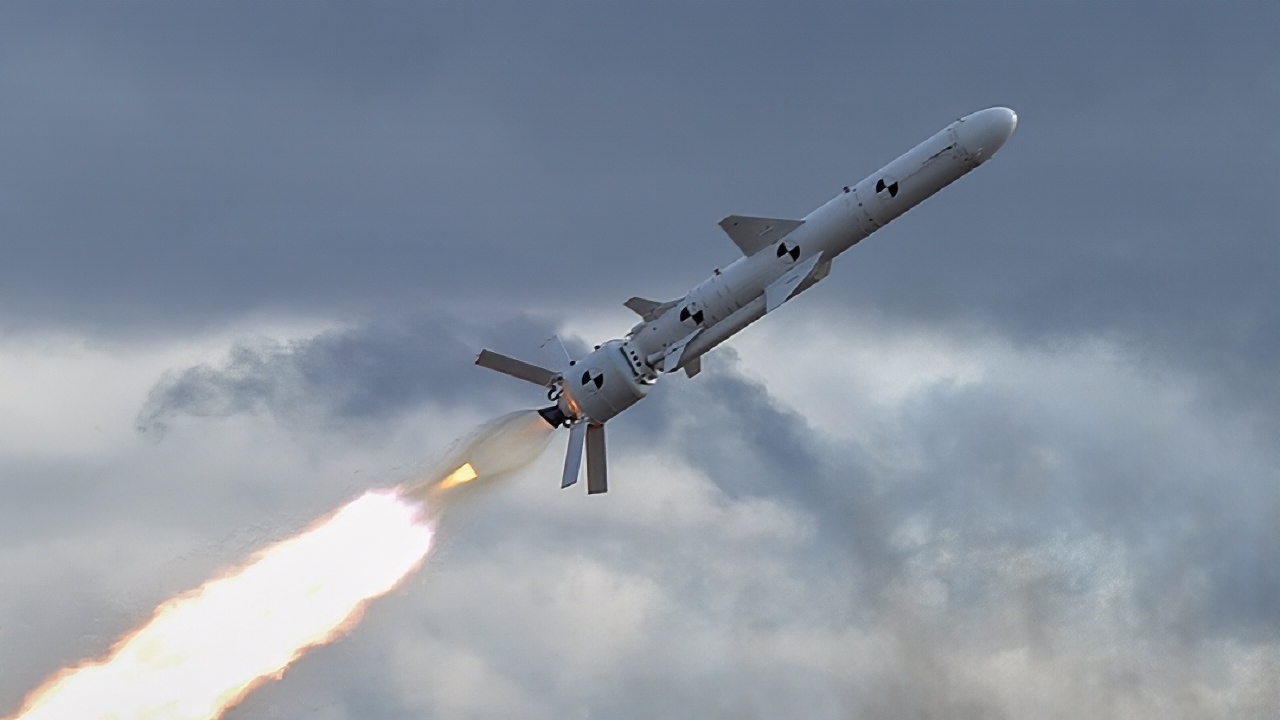
Ukraine reportedly launched a major overnight drone attack against Russia into the morning of October 28. The latest round of strikes targeted the country’s largest steel plant and a chemical manufacturing facility.
Moscow claimed to have intercepted more than 500 Ukrainian drones during the attack, and fires were reported at industrial sites in the regions of Lipetsk and Tula.
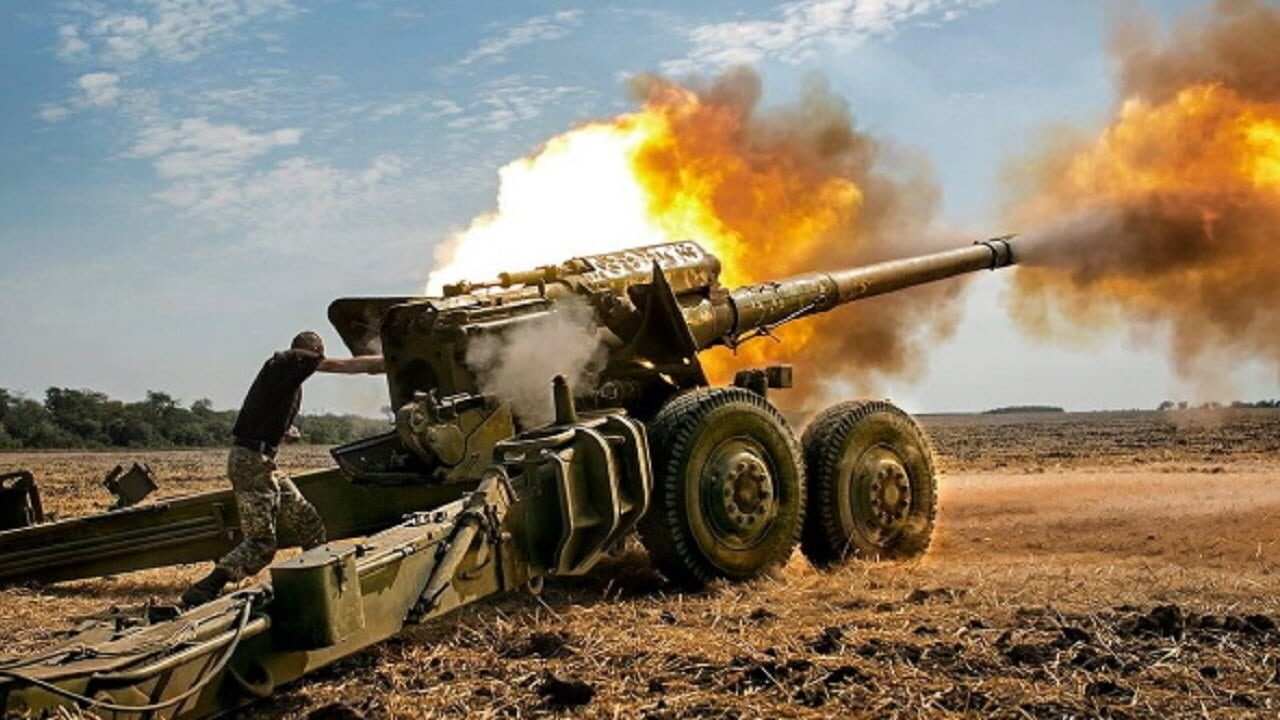
Artillery from Ukraine War Creative Commons Image
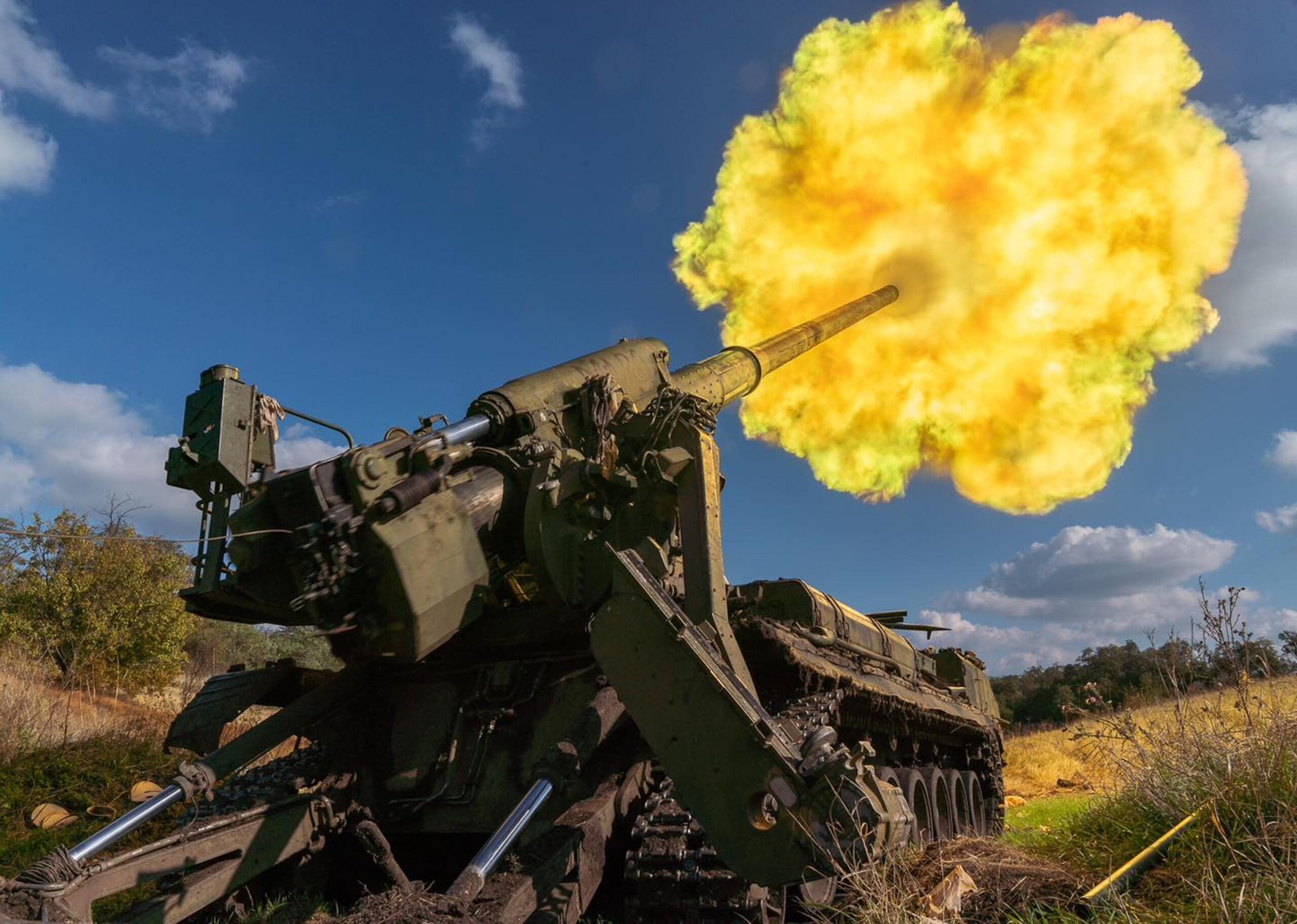
Ukraine Artillery Strike. Creative Commons Photo.
Local authorities also confirmed damage to industrial infrastructure and nearby residential properties.
According to reports, people heard explosions in Lipetsk, and Ukrainian monitoring channels also reported a fire near the Novolipetsk Steel Plant.
Another attack in Novomoskovsk reportedly hit the Azot chemical plant, one of Russia’s largest nitrogen fertilizer manufacturers.
The attacks also come as Russia continues its own long-range missile and drone campaign against Ukrainian cities, with both countries continuing to strike military and industrial infrastructure at great distances from the front lines.
Ukraine has not formally claimed responsibility for the latest attacks, and the full extent of the damage is still unclear.
Russia’s Largest Steel Plant Hit
The Novolipetsk Steel Plant, also known as NLMK, was reportedly hit late on October 27.
Russian air defenses attempted to intercept the incoming projectiles.
IntelliNews also noted that the Ukrainian monitoring channel Exilenova+ reported a fire at the steelworks following the strikes.
NLMK is a critical piece of infrastructure for Russia and some of its most important industrial operations.
It has an annual production capacity of around 17 million metric tons of liquid steel.
Its products serve a wide range of civilian and industrial enterprises, so sustained interruptions could significantly disrupt Russian manufacturing.
Igor Artamonov, the governor of Lipetsk, disputed claims of a fire at the site.
The governor did, however, report damage to residential properties from drone debris that fell.
Ukraine Targets Chemical Facility
Another attack was reported in Novomoskovsk in the Tula region.
Drones reportedly struck the Azot chemical plant, which EuroChem operates. Photographs and videos shared by monitoring channels and on social media appeared to show a fire at the facility.
Open-source analysts said that its AM-70 ammonia production unit could have been hit.
Dmitry Milyaev, the Tula Governor, confirmed that the region had seen a major drone assault overnight and that industrial infrastructure in Novomoskovsk had sustained damage.
Still, he did not identify the plant specifically.
Milyaev also said nearby apartment buildings and private homes were damaged, and that environmental and public health experts had been dispatched to the area to assess the damage.
The Azot plant is another piece of critical infrastructure for Russia, producing ammonia, ammonium nitrate, urea, and methanol — all of which are used in agriculture and heavy industry.
The facility may also have military significance, which could explain why it was targeted.
Ukraine’s Foreign Intelligence Service has identified the plant as a supplier of nitric acid to a Dzerzhinsk explosive factory.
It has not yet been confirmed whether the fire disrupted the plant’s chemical production or caused significant damage.
Moscow Says 531 Ukrainian Drones Destroyed
According to the Russian Ministry of Defense, air defenses destroyed a total of 531 Ukrainian drones over a period of 12 hours, starting at 8 pm Moscow time on Tuesday night.
The ministry said it intercepted the drones across 12 Russian regions, including Belgorod, Bryansk, Kursk, Lipetsk, Rostov, and Tula, as well as the Moscow region.
The figures have not been independently verified, and Russian authorities have not provided a full assessment of the damage.
However, the scale of the reported operation suggests that Ukraine has no plan to scale back the severity of its strikes as mediators attempt to organize a mid-November summit to discuss potential peace plans.
Ukraine Continues Strikes On Russian Industry
The latest attacks follow a series of Ukrainian strikes against Russian factories believed to be supplying materials and equipment used by the Russian armed forces.
On October 26, Ukraine’s General Staff confirmed a strike against the Energiya plant in Yelets.
The facility is believed to manufacture batteries that are used in Russian guided missiles.
Ukrainian forces have also recently targeted the Tolyattikauchuk petrochemical plant located in Samara. That facility manufactures materials required to make solid rocket propellant.
Russia Launches More Drones At Ukrainian Targets
Russia, meanwhile, continues its own long-range strikes against Ukraine, launching long-range aerial attacks overnight into October 28.
According to the Ukrainian Air Force, Russian forces launched 88 drones and a ballistic missile at Ukrainian sites, with air defenses destroying or suppressing a total of 71 drones.
Drone strikes were reported at eight locations.
Russian strikes pose a serious threat to Ukraine as the country struggles with shortages of critical air defense ammunition, including U.S.-made Patriot interceptors.
On October 28, Ukrainian President Volodymyr Zelenskyy said Ukraine received an average of 12 Patriot missiles per month this year but has used 35 interceptors in October alone so far.
About the Author: Jack Buckby
Jack Buckby is a British researcher and analyst specializing in defense and national security, based in New York. His work focuses on military capability, procurement, and strategic competition, and he produces and edits analysis for policy and defense audiences. He brings extensive editorial experience, with a career output spanning over 1,000 articles at National Security Journal, and has previously authored books and papers on extremism and deradicalization.


