

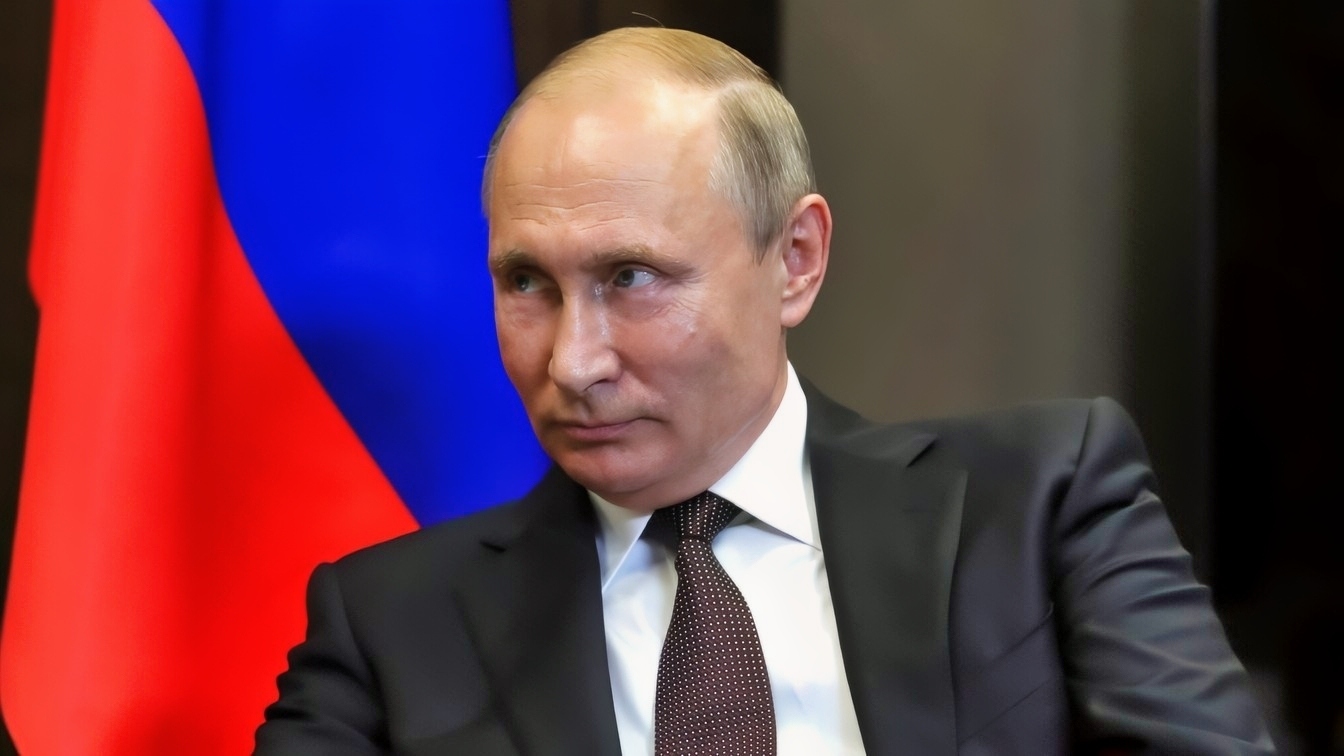
Russia launched a large-scale missile and drone attack against Ukraine overnight on October 26–27, killing at least four people and injuring dozens.
According to the Kyiv Independent, Kyiv was subjected to ballistic missile strikes alongside a wave of 280 attack drones.
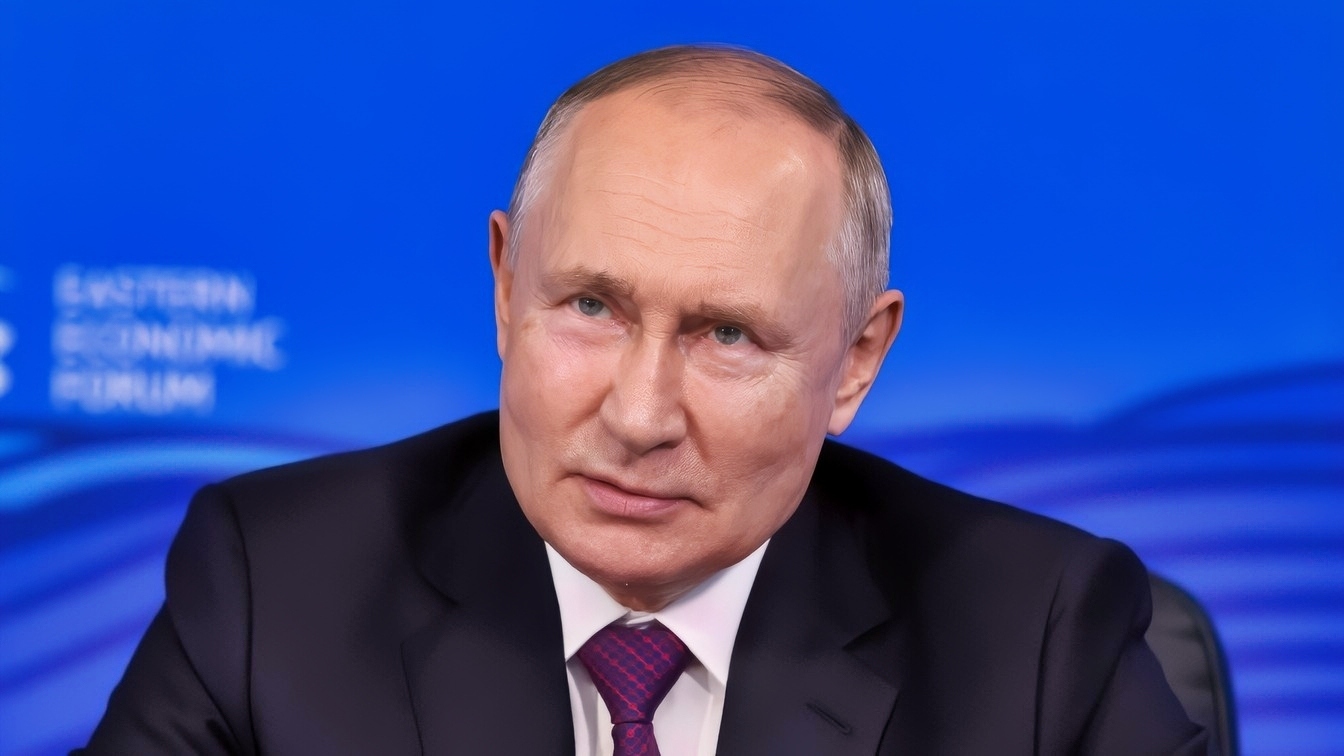
Putin in 2023 Image Credit Creative Commons
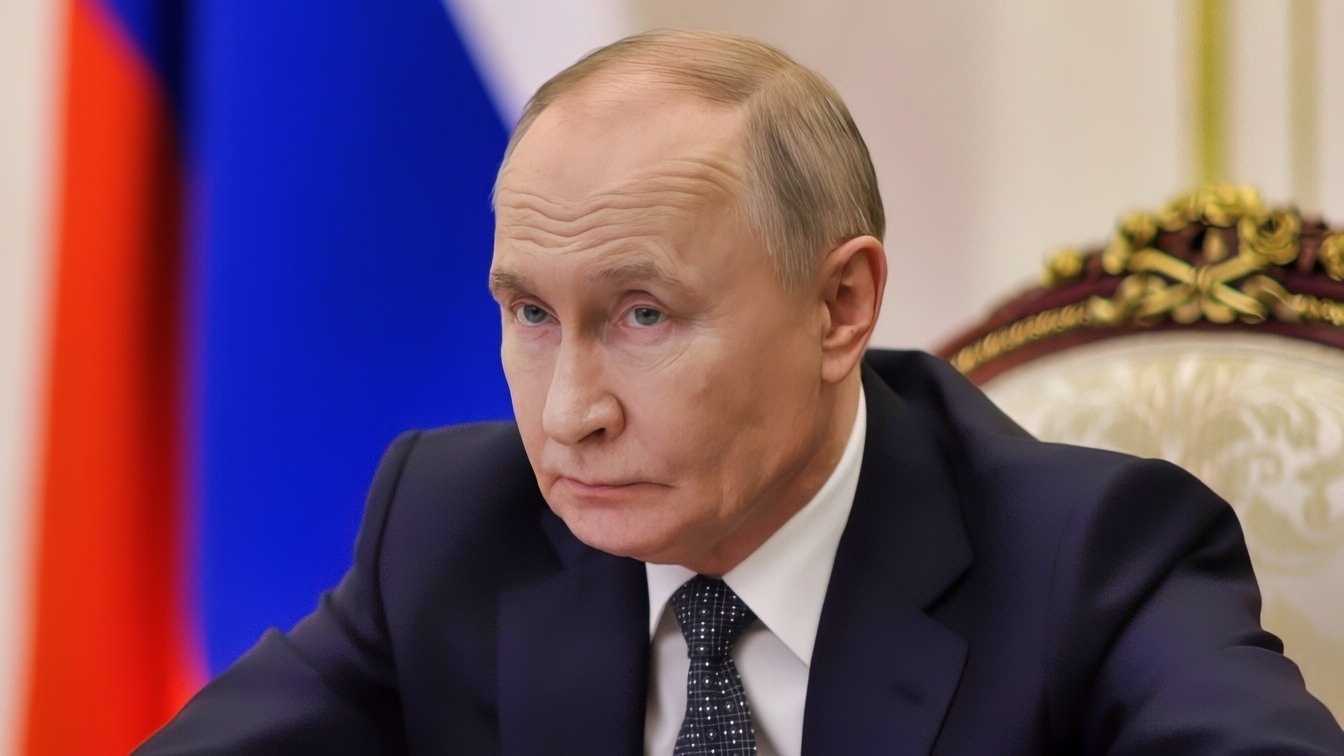
Putin Back in March of 2025 at Desk Creative Commons Image.
At least one person was killed and 15 injured in the capital, including a paramedic, medical technician, and university student. Across Ukraine, the attacks killed at least four people and wounded approximately 55–57 others.
Russian strikes damaged transportation infrastructure, educational facilities, administrative buildings, and medical centers.
The assault highlights Russia’s continued reliance on combined missile and drone attacks, even as both parties prepare for the resumption of peace negotiations.
The Attack
The Ukrainian Air Force reported that Russia launched 280 strike drones of various types and 69 jet-powered drones, representing roughly 1/4 of the drone force.
Additionally, an unspecified number of Iskander and S-400 ballistic missiles were reportedly launched from Russia’s Bryansk Oblast.
Ukrainian defenses reported intercepting 255 of the 280 drones (approximately 91 percent), 56 of the 69 jet-powered drones (approximately 81 percent), and two ballistic missiles.
Ukraine intercepted the drones using both physical interception and electronic warfare.
Yet despite the defensive successes, the saturation attack still got through, with Ukrainian authorities recording 25 locations struck in Kyiv alone and 16 additional locations affected by falling debris.
These figures show that high interception rates don’t necessarily prevent widespread damage—especially when attack forces number in the hundreds.
Jet-Powered Drones
One of the most notable features of the attack was the deployment of 69 jet-powered strike drones.
While traditional one-way drones, including the Iranian-designed Shahed-136, generally rely on piston-driven propeller engines and are relatively slow, jet-powered drones are different.
Jet-powered drones present Ukrainian defenders with a different set of challenges, such as higher speeds and shorter engagement windows.
By reducing the time available to detect, identify, and engage incoming threats, Ukraine is forced to react faster, but less effectively.
Jet propulsion involves trade-offs, however, including greater fuel use, higher cost, and different acoustic and infrared signatures.
The Ballistic Missile Threat
Russia also employed ballistic missiles, including weapons associated with the Iskander and S-400 systems.
The Iskander-M is a Russian short-range ballistic missile system designed to strike ground targets.
Its 9M723 missile can fly of high speed and maneuver, complicating interception.
The S-400 is primarily a long-range surface-to-air missile system, but Russia has also reportedly employed S-400 missiles against ground targets.
Ballistic threats differ from conventional cruise missiles because they can approach targets at extremely high speeds, leaving defenders little time to react.
Interception of ballistic missiles also requires sophisticated sensors, command systems, and capable defensive systems.
Ukraine relies heavily on advanced Western-supplied air-defense systems, including Patriot, to counter ballistic missile threats.
Patriot PAC-3 interceptors are particularly relevant to ballistic missile defense, combining ballistic missiles with large drone formations to create a complex defensive problem involving different speeds, altitudes, and engagement requirements.
Damage Across Kyiv and Beyond
In Kyiv, Russian strikes affected the Southern Bridge, disrupting metro operations.
Authorities also reported damage involving a university campus, administrative facilities, and medical centers.
But the attacks extended beyond the capital.
In Donetsk Oblast, three people were killed and 22 injured.
In Chernihiv Oblast, six were injured.
In Chernivtsi Oblast, two men were injured.
In Kherson Oblast, four were injured.
In Sumy Oblast, three were injured. And in Zaporizhzhia Oblast, five were injured.
The widespread nature of the attacks highlights the challenge of defending a country against simultaneous attacks across multiple regions.
Russia’s mixed missile-and-drone attacks create a difficult resource-allocation problem for Ukraine. Advanced interceptors are expensive and available in limited quantities.
Using high-end missiles against inexpensive drones can create an unfavorable cost-exchange ratio.
Ukraine therefore relies on a layered defense combining Patriot and other missile-defense systems, shorter-range surface-to-air missiles, mobile gun teams, electronic warfare, and other counter-drone technologies.
But the October 26–27 attack demonstrates the growing complexity of Russia’s long-range strike operations.
Ballistic missiles and jet-powered drones place different demands on Ukrainian defenses, which are still struggling to protect civilians and infrastructure, over four years since the war began.
About the Author: Harrison Kass
Harrison Kass is a writer and attorney focused on national security, technology, and political culture. His work has appeared in Tablet, City Journal, The Hill, The Spectator, and The Cipher Brief. He holds a JD from the University of Oregon and a master’s in Global & Joint Program Studies from NY—more at harrisonkass.com.


