

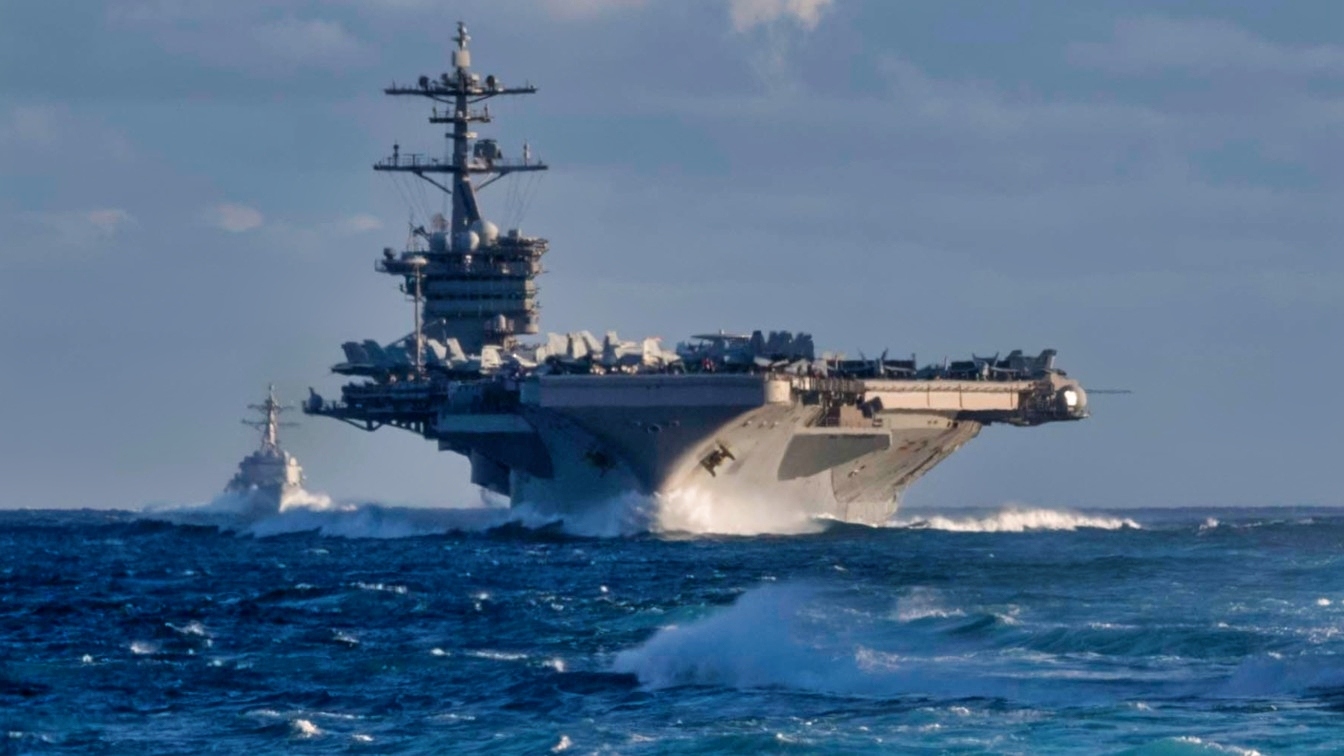
The ongoing conflict in Iran and across the wider Middle East has inflicted catastrophic environmental damage across the Persian Gulf.
The damage serves as a reminder that wartime consequences often extend beyond military casualties and physical destruction.
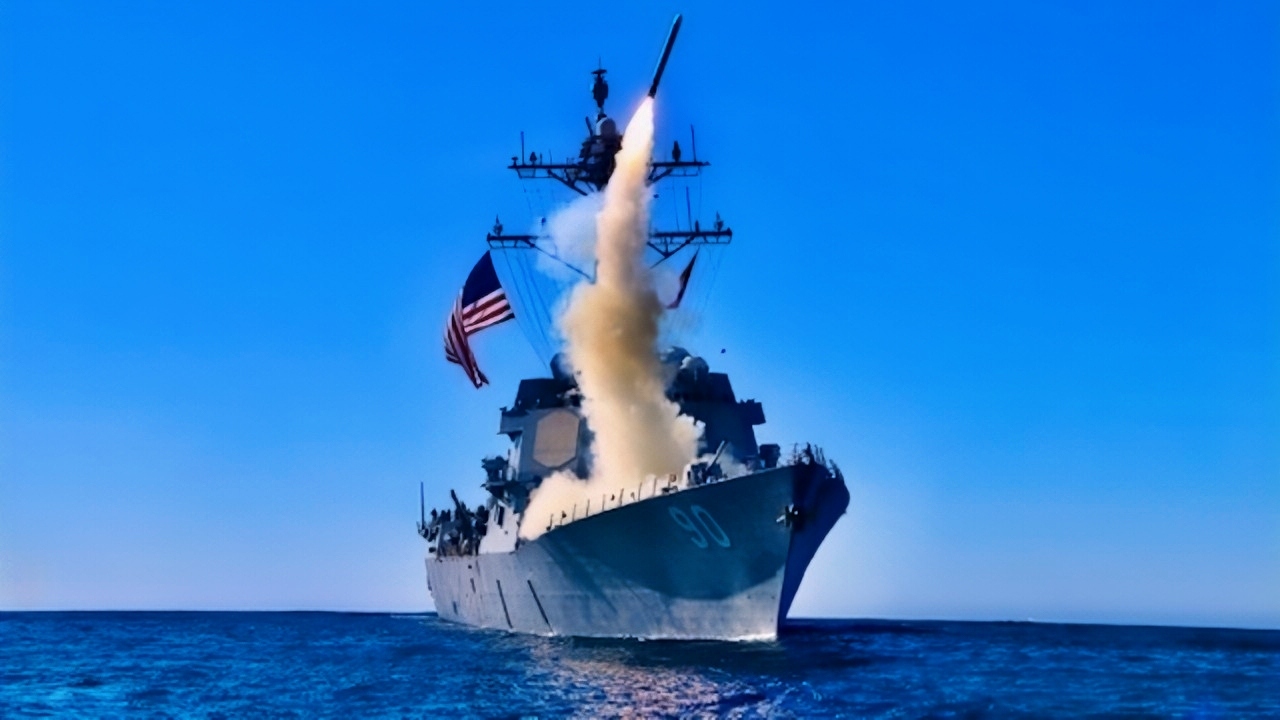
(Dec. 01, 2020) – The guided-missile destroyer USS Chafee (DDG 90) launches a Block V Tomahawk, the weapon’s newest variant, during a missile exercise. This event marked the first time a Block V Tomahawk missile was operationally tested, marking the Navy’s transition to a more advanced capability for the fleet. Block V includes an upgrade that will enhance navigation performance and provide robust and reliable communications. Chafee is currently assigned to Carrier Strike Group ONE and is homeported in Pearl Harbor. (U.S. Navy photo by Ens. Sean Ianno/Released)
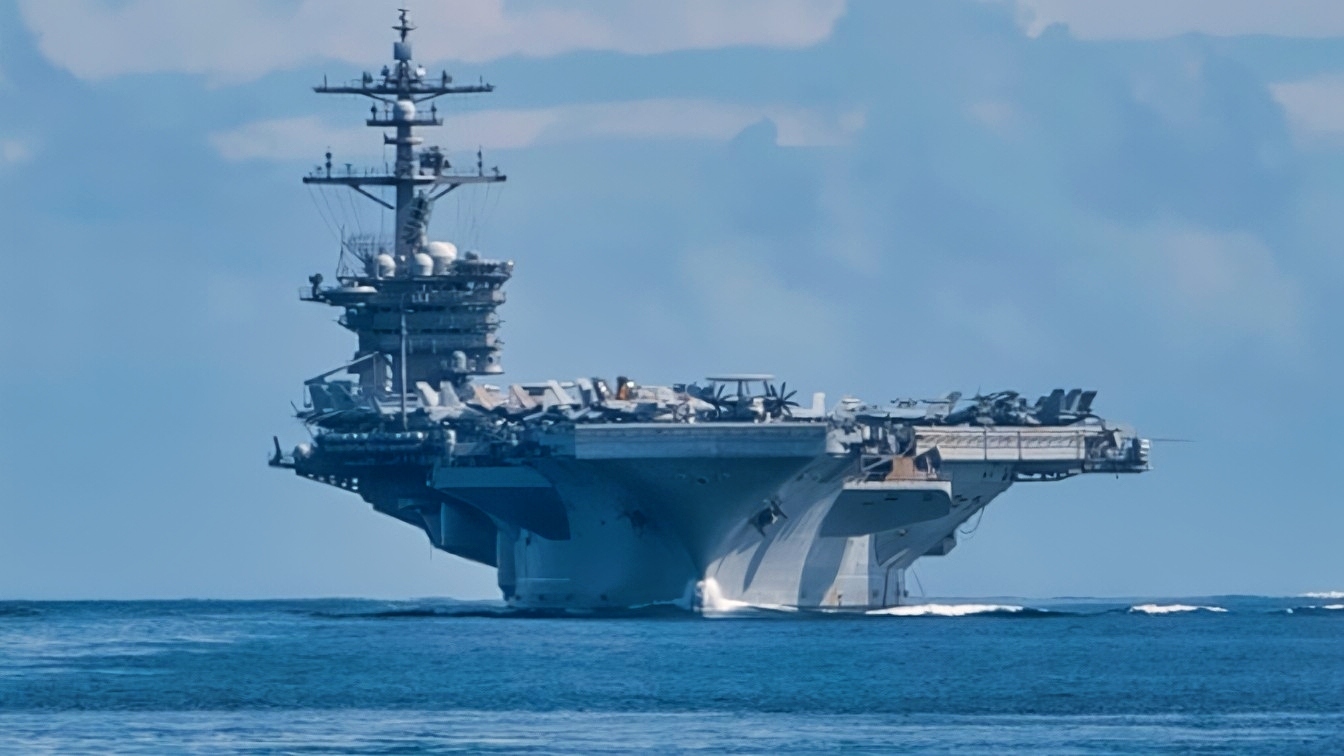
SIBUTU PASSAGE (Feb. 6, 2025) – The Nimitz-class aircraft carrier USS Carl Vinson (CVN 70), left, and the Ticonderoga-class guided-missile cruiser USS Princeton (CG 59) transit the Sibutu Passage Feb. 6, 2025. The Carl Vinson Carrier Strike Group is underway conducting routine operations in the U.S. 7th Fleet area of operations. (U.S. Navy photo by Mass Communication Specialist 3rd Class Brianna Walker)
War-related oil pollution threatens marine ecosystems, while burning petroleum facilities release hazardous pollutants into the atmosphere.
Given the region’s heavy reliance on seawater desalination, this maritime contamination creates an additional vulnerability.
Satellite researchers at the University of South Florida have reportedly documented a substantial increase in surface oil pollution, potentially doubling the affected area.
If confirmed, the findings would show the collateral damage of a conflict that has not gone off-script.
New Oil Spills
The Strait of Hormuz connects the Persian Gulf with the Gulf of Oman and is one of the world’s most important maritime energy corridors.
Heavy tanker traffic and extensive coastal petroleum infrastructure make the region particularly vulnerable to oil pollution, so the recent spill incidents are no surprise.
Gem No. 2, a commercial tanker, is understood to have been hit by a missile, causing oil pollution that is spreading toward the northern UAE coastline.
The UAE coastline has reported contamination and beach closures affecting Umm Al Quwain, Sharjah, and Ras Al Khaimah.
Oil slicks have also been reported near the Iranian islands of Qeshm, Lavan, and Shidvar.
The European Copernicus Sentinel-2 satellite is being used to track the pollution.
But military operations are complicating response efforts, as missile threats, maritime restrictions, and sea mines can delay the deployment of cleanup vessels and containment equipment.
The Marine Ecosystems
The Persian Gulf is a relatively shallow, semi-closed body of water with limited exchange through the Strait of Hormuz.
The Gulf’s marine system is already under significant environmental stress from high temperatures, elevated salinity, coastal development, industrial activity, and existing maritime pollution.
Additional oil contamination would put further pressure on already vulnerable species and habitats.
Specifically, oil can coat the roots and surrounding sediments of mangrove forests, interfering with gas exchange and damaging the vegetation.
Oil exposure can harm animals like sea turtles through direct contact, inhalation, or ingestion.
Petroleum damages the feather insulation and waterproofing of seabirds, increasing the risk of hypothermia, drowning, and poisoning.
Contaminants can accumulate in sediments and marine organisms, potentially affecting fisheries and seafood safety.
Coral reefs and seagrass beds can also suffer from toxic exposure and changes in water quality. Wildlife deaths have been reported involving dugongs, turtles, oysters, and nesting birds.
The Desalination Angle
Arguably one of the most serious pollution-related ramifications concerns the Persian Gulf’s desalination infrastructure.
Gulf countries rely heavily on desalination to supply drinking water to cities and industrial centers.
Large facilities draw seawater through intake systems before processing it into freshwater.
Oil contamination can create several problems, including fouling intake equipment and filtration systems, damaging pretreatment processes, increasing maintenance requirements, and forcing temporary reductions or shutdowns.
The vulnerability is concerning because several Gulf states have limited natural freshwater resources, and a prolonged disruption to major desalination facilities could threaten urban water supplies.
However, oil reaching coastal waters does not automatically mean a city loses drinking water.
Plants have different intake configurations, pretreatment systems, monitoring procedures, and contingency arrangements.
Air Pollution
And of course, the environmental consequences of military strikes are not just limited to water pollution.
Attacks on refineries, petroleum storage facilities, and other energy infrastructure can generate extensive fires.
Burning hydrocarbons can release fine particulate matter, including PM2.5, soot, and black carbon, along with sulfur dioxide, nitrogen oxides, carbon monoxide, and other potentially hazardous combustion products.
These pollutants can harm respiratory health, reduce visibility, and degrade air quality. They can even cause “black rain,” a type of precipitation that carries soot and other airborne particles to the ground.
Environmental damage from warfare can persist for years after military operations cease.
Oil trapped in coastal sediments, mangroves, and sheltered shorelines can be difficult to remove.
Cleanup costs can be substantial.
And because the Gulf’s marine environment also crosses national boundaries, pollution originating near Iran can affect neighboring coastal states, depending on currents, winds, and spill characteristics.
So the problem is shared, even among countries that have had no part in the war.
About the Author: Harrison Kass
Harrison Kass is a writer and attorney focused on national security, technology, and political culture. His work has appeared in Tablet, City Journal, The Hill, The Spectator, and The Cipher Brief. He holds a JD from the University of Oregon and a master’s in Global & Joint Program Studies from NYU—more at harrisonkass.com.


