
Senior Trump administration officials are reportedly fighting internally over what comes after the midterm elections, positioning themselves for promotions and preparing for a reshuffle.
Reports have circulated for weeks about growing tensions among senior officials, along with questions about whether White House Chief of Staff Susie Wiles will remain in her position if Republicans suffer major midterm losses.
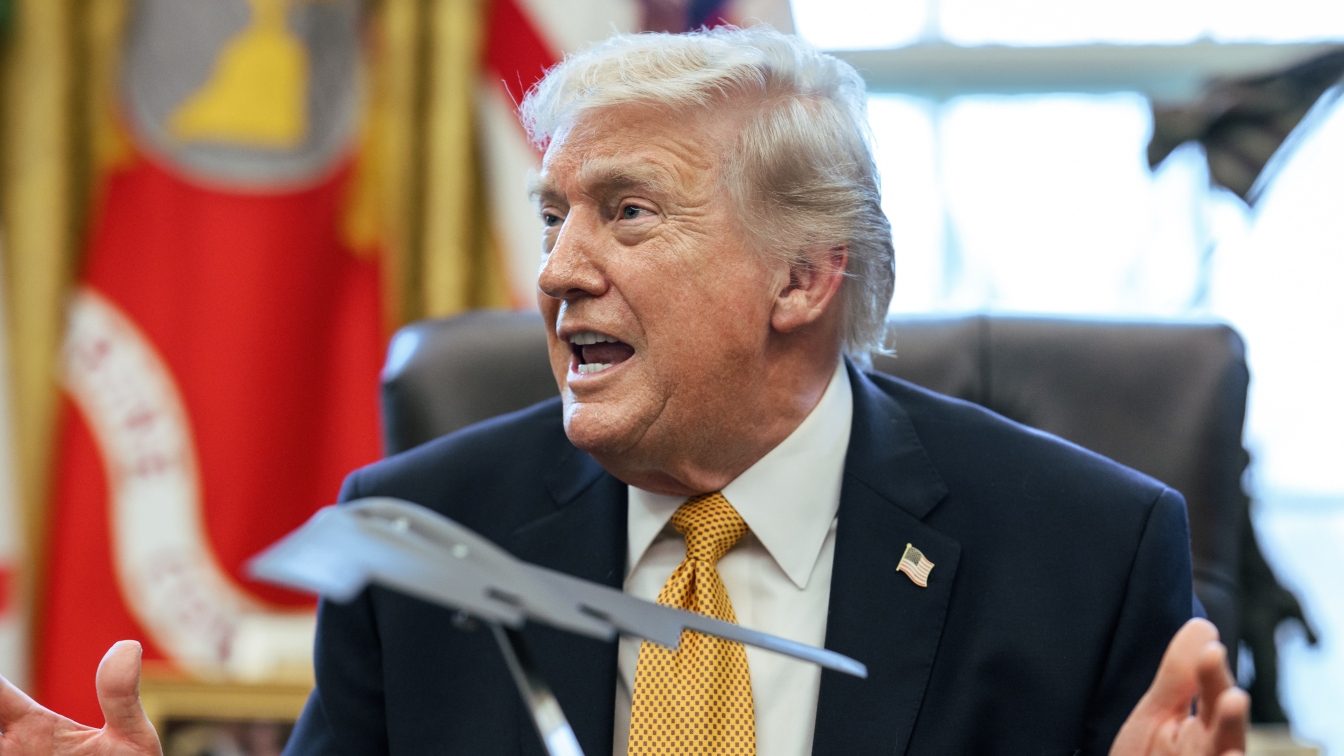
President Donald J. Trump signs an Executive Order creating an anti-fraud task force to be led by Vice President JD Vance, Monday, March 16, 2026, in the Oval Office. (Official White House Photo by Molly Riley)
On October 28, The New York Times published a report based on interviews with 16 current and former administration officials and Trump allies who described frustration within the White House as the president prepares for the likelihood of losing control of Congress.
The report follows another Washington Post report from October 16 that identified several senior administration officials interested in replacing Wiles—a figure the president was previously seen as unlikely to replace.
The findings of the reports suggest the internal disagreements are becoming harder to contain, and it is currently unclear how President Trump intends to manage the administration during the remaining two years of his presidency.
The Senior Officials Vying for Power
According to The Washington Post, Deputy White House Chief of Staff Stephen Miller, Federal Housing Finance Agency Director Bill Pulte, and Environmental Protection Agency Administrator Lee Zeldin are among the potential successors to Wiles—or at least, they are vying for the position themselves.
The Post’s report, based on interviews with 20 administration officials, advisers, and people close to the president, indicated that those senior officials are preparing for possible changes at the very top of the Trump administration.
Miller, who is a controversial character and staunch MAGA supporter, has played a central role in developing and implementing some of Trump’s most hard-line immigration policies.
He is also already one of the president’s most influential advisers.
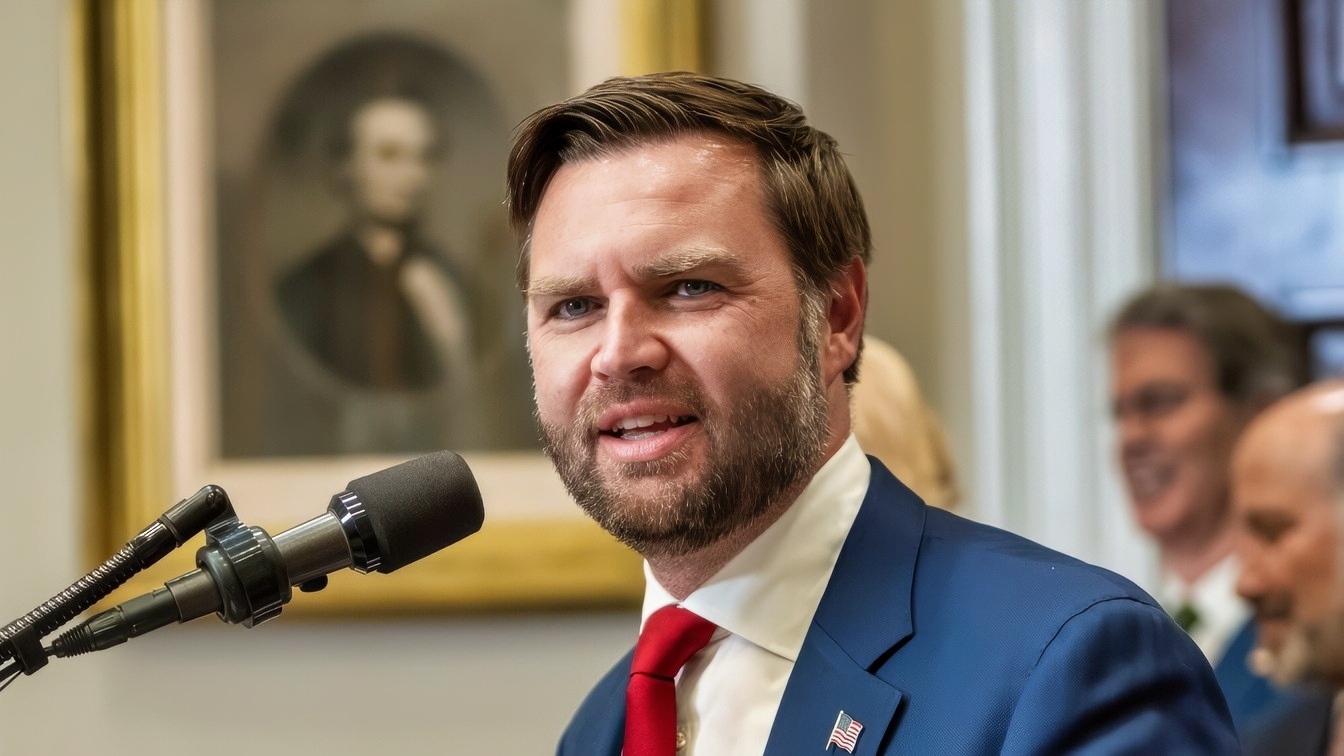
Vice President JD Vance gives remarks at a Sports Council announcement, Thursday, July 31, 2025, in the Roosevelt Room of the White House. (White House Intern Photo by Julian Casciano)
Zeldin, meanwhile, is a former Republican congressman from New York, and Pulte has developed a close working relationship with the president through his role in overseeing federal housing finance policy.
According to reports, Pulte has worked to strengthen his relationship with the president by regularly presenting proposals directly to him —sometimes using large posters and visual presentations to communicate his ideas.
Corey Lewandowski, a longtime Trump backer who served as his campaign manager during his first campaign, has also reportedly clashed with Wiles and is said to support Pulte.
However, Lewandowski has denied discussing Pulte’s possible appointment with the president.
Susie Wiles Faces Questions Over Influence
Wiles has been a central figure in the second Trump administration since she managed his successful 2024 presidential campaign—and many attribute that success to her efforts to professionalize an operation long bogged down in controversy and internal strife.
Her appointment as chief of staff has brought greater discipline to the White House, and many have long seen her as untouchable.
But things might be changing.
Recent developments have drawn criticism and raised questions about whether she still wields of much influence over the president as she once did.
According to The Washington Post, President Trump has privately expressed frustration with political advisers Chris LaCivita and James Blair, both of whom have strong ties to Wiles.
The disagreements reportedly intensified after Blair and LaCivita provided political consulting to Republika Srpska, an entity within Bosnia and Herzegovina.
President Trump distanced himself from the two advisers following reports about potential conflicts of interest.
The controversy drew attention because Katie Wiles, the daughter of the president’s chief of staff’s daughter, works for Continental Strategy, a lobbying firm that represents the government of Republika Srpska.
A Los Angeles Times report published on October 16 also said Trump began asking political allies and donors about Wiles’ performance.
Press Secretary Fiasco Raises Even More Questions
Concerns about Wiles escalated earlier in October when President Trump appointed Katie Zacharia as his new White House press secretary, reportedly without first consulting his chief of staff.
Zacharia lasted only five days before she was removed on October 16 after a poor first press briefing that drew media scrutiny and mockery.
President Trump encouraged Zacharia, publicly, to leave the role — and she did.
The incident prompted new speculation that Wiles has lost control of appointments within the administration.
And, according to the New York Times report, Trump is becoming increasingly reliant on a small circle of loyalists within the administration, including Natalie Harp, who is said to work from his private dining room.
White House spokeswoman Danielle Alvarez has dismissed suggestions of serious internal divisions, however, and insists that the administration is fully united behind the president.
Trump has also publicly defended Wiles, saying on October 16 that there was “zero chance” he would replace her.
About the Author: Jack Buckby
Jack Buckby is a British researcher and analyst specializing in defense and national security, based in New York. His work focuses on military capability, procurement, and strategic competition, and he produces and edits analysis for policy and defense audiences. He brings extensive editorial experience, with a career output spanning over 1,000 articles at National Security Journal, and has previously authored books and papers on extremism and deradicalization.


