
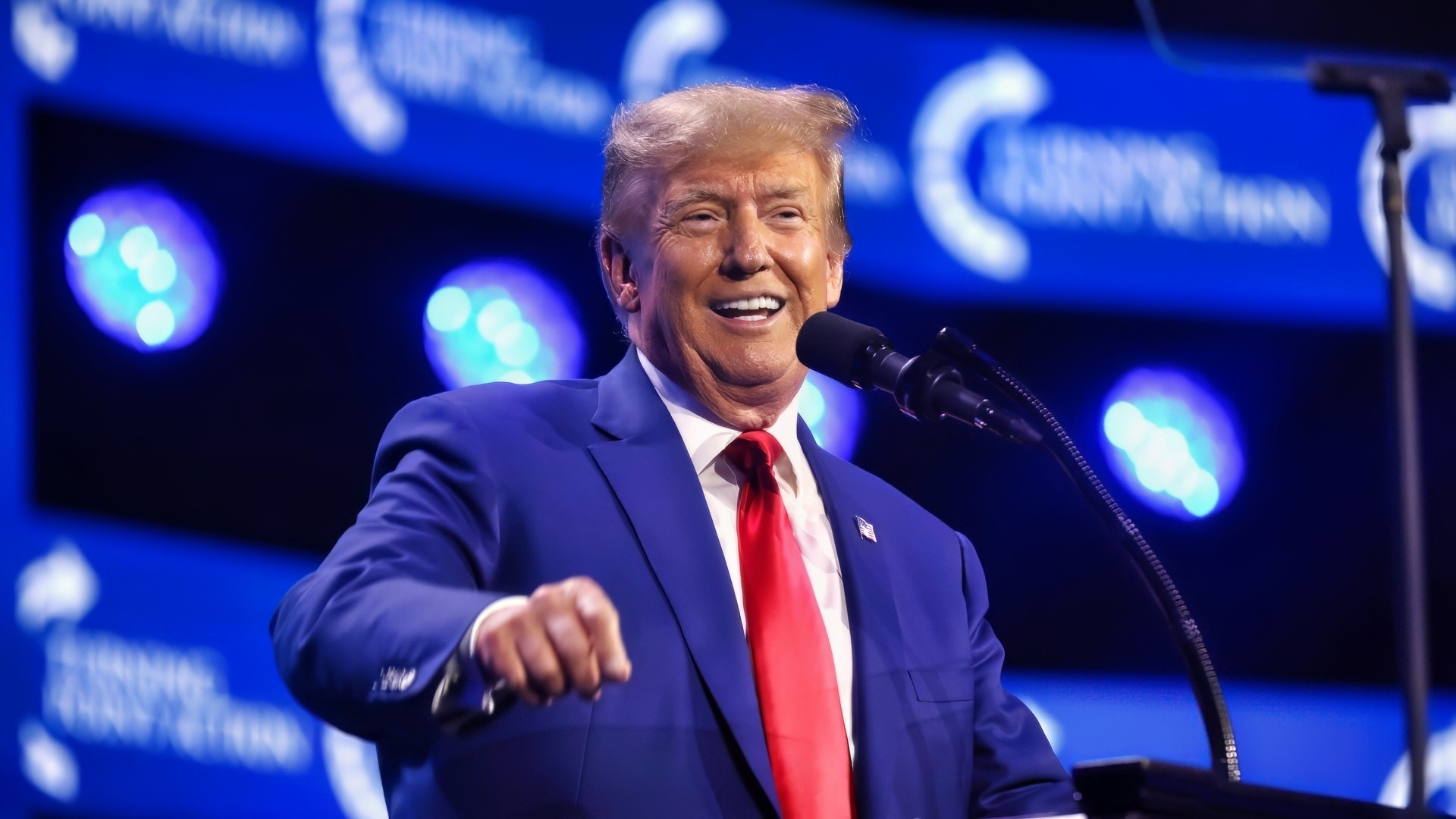
Defense Secretary Pete Hegseth has removed the Pentagon’s senior military planning officer amid growing concerns that the United States could restart strikes against Iran following the midterm elections on Tuesday, November 3.
The Associated Press reports that the Pentagon dismissed Army Lt. Gen. Brett Sylvia as director for strategy, plans, and policy on the Joint Staff.
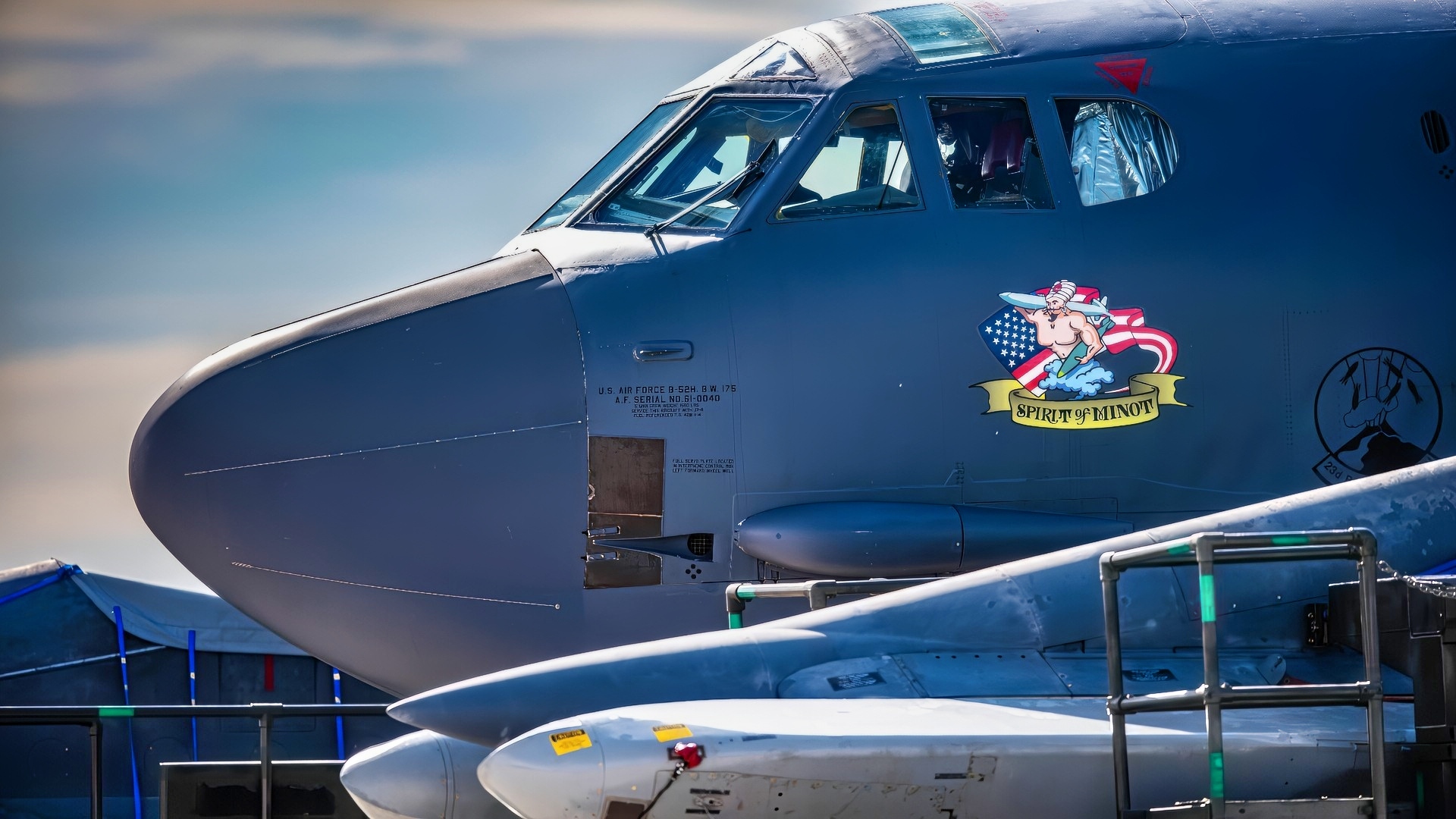
A U.S. Air Force B-52H Stratofortress assigned to the 23rd Bomb Squadron sits on the flightline during exercise Prairie Vigilance 25-1 at Minot Air Force Base, North Dakota, April 12, 2025. Vigilance series exercises are conducted with a focus on the safe and secure handling of equipment. (U.S. Air Force photo by Senior Airman Kyle Wilson)
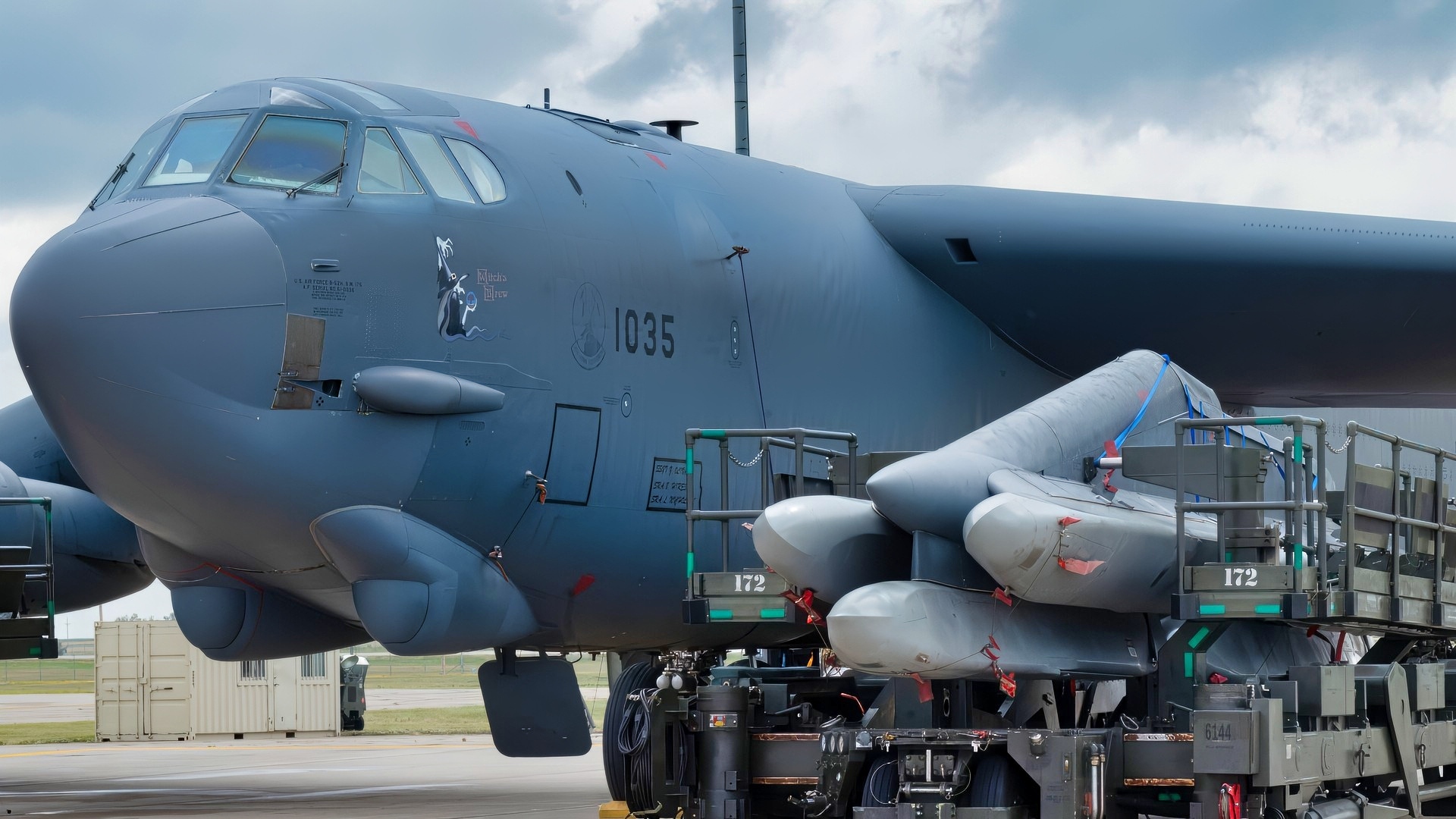
A B-52H Stratofortress sits on the flightline before a munitions load operation at Minot Air Force Base, North Dakota, Sept 5, 2025. The base-wide readiness exercise tested the wing’s ability to generate aircraft, conduct security operations and respond to challenging scenarios. (U.S. Air Force photo by Airman 1st Class Vincent Padilla)
Sylvia is the second general to be ousted from the post after his predecessor, Lt. Gen. Joseph McGree, was forced to retire last October.
“You’re Fired”
A defense official, speaking on condition of anonymity to the AP about sensitive personnel matters, said there was no immediate replacement for Sylvia.
No reason has been given for the firing.
A spokesperson for the Joint Chiefs of Staff said: “The chairman, the Joint Staff, and the Joint Force extend our deepest gratitude to Lt. Gen. Brett Sylvia and his family for their 32 years of distinguished service to our nation,” adding that they “wish him and his family the best” for the future.
Renewed Strikes
Trump has openly touted a possible renewed bombing campaign against Iran after the midterm elections in recent weeks.
Toward the end of last month, the president made numerous threats against Iran, including at the United Nations General Assembly.
“I do not believe in letting problems fester. They only become harder to solve. So, while others have talked, I have acted,” Trump told the U.N. in a 35-minute speech.
“Will a deal be made with Iran that lets them rebuild and create a far greater country than it ever was before, maybe one of the greatest in the Middle East or even the world?” Trump asked. “Or do I annihilate the Islamic Republic and do it quickly, never giving them a chance to kill and destroy people and countries again? Do I drive them into hell with no chance of survival and no hope of future greatness or generations?”
According to the AP, U.S. officials have told Middle Eastern allies to prepare for a potential renewed offensive against Iran, which will almost certainly lead to retaliation.
President Trump reportedly has not yet made a final decision, while the White House and U.S. officials refused to comment.
On Wednesday, October 28, Iranian Foreign Minister Abbas Araghchi said Tehran “continues to give diplomacy a chance to succeed” in a social media post.
Negotiations Stall
Araghchi also referred to a proposal Iran presented to the Trump administration toward the end of last month to end the war.
The deal largely resembles the memorandum of understanding that was signed between the two warring nations earlier this year, but ultimately fell through after the U.S. accused Iran of striking commercial shipping in the Strait of Hormuz.
Trump later told reporters he had rejected the deal, and U.S. Ambassador to the U.N. Mike Waltz told NBC News that the U.S. could not allow Iran “to have access to billions in frozen funds.”
The U.S. sent a response to Tehran, which Secretary of the Supreme National Security Council Mohsen Rezaei said was “insufficient.”
“About two weeks ago, we communicated seven conditions to the Americans, stating explicitly that until these conditions are met, the Strait of Hormuz will not be opened to them, and no negotiations will take place,” Rezaei told state media. “The Americans have now responded. While they have accepted some of our conditions, others remain unresolved.”
He added: “We are no longer in the process of responding to the Americans. They have replied, and we consider it insufficient. They must clarify the issues that remain ambiguous.”
Separately, Rezaei said the proposal included conditions such as “an end to the war on all fronts, the release of our frozen funds and an end to the naval blockade” in an interview with Al Jazeera.
Vance’s Contact
According to the Wall Street Journal, Vice President J.D. Vance sent a letter to Rezaei to revive peace negotiations after the U.S. midterm elections.
President Trump downplayed the idea of peace talks, however, telling reporters: “They need help with medical supplies and various things. [Vance] asked me what I thought. I said, ‘If you want to do that, that’s OK.’”
About the Author: Shay Bottomley
Shay Bottomley is a British journalist. He has written for the Western Standard, Business Insider, Maidenhead Advertiser, Slough Express, Windsor Express, Berkshire Live and Southend Echo.