
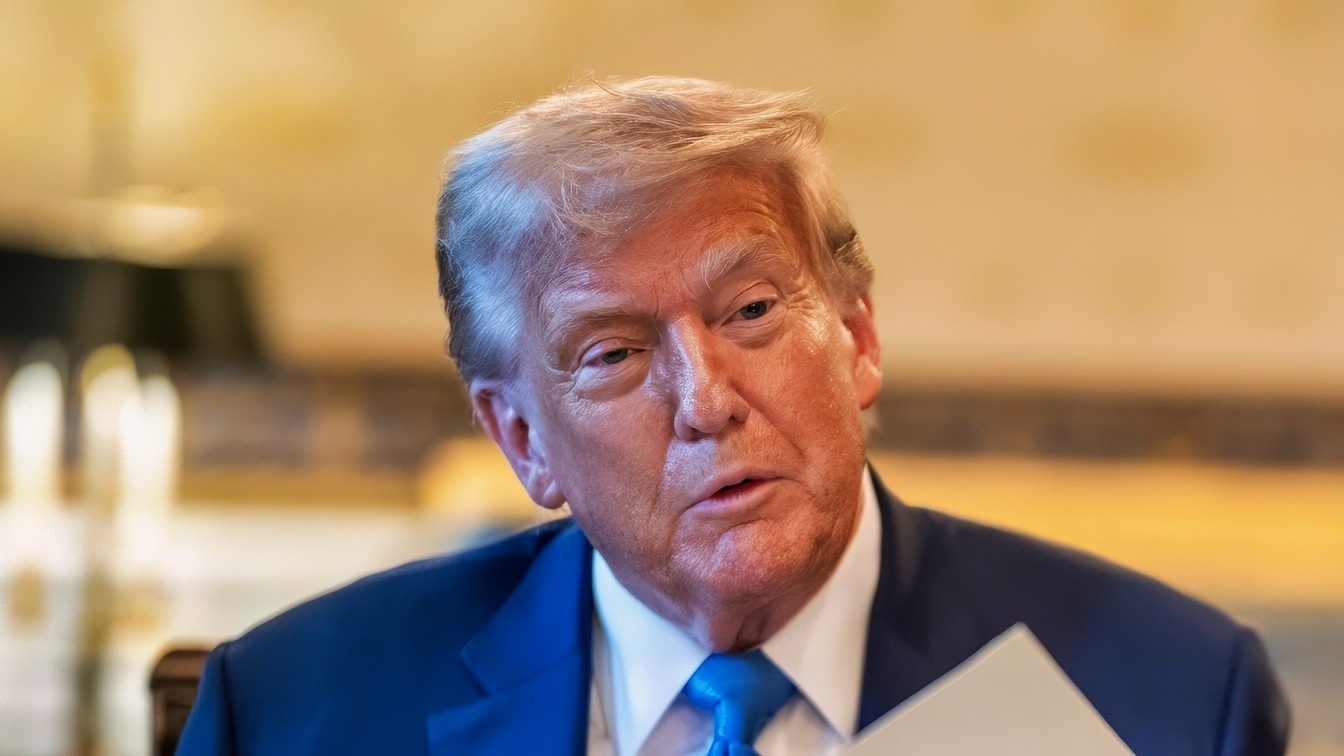
President Donald Trump’s historic oil deal with Venezuela was sold as part of the solution to the ongoing global oil supply crisis, but it faces questions about whether it can deliver the additional production — and indeed lower gasoline prices — the White House promised.
On Friday, October 30, Reuters published a report claiming North American Blue Energy Partners (NABEP), the company overseeing 17 Venezuelan oilfields under the U.S.-Venezuela agreement, is struggling to deliver.
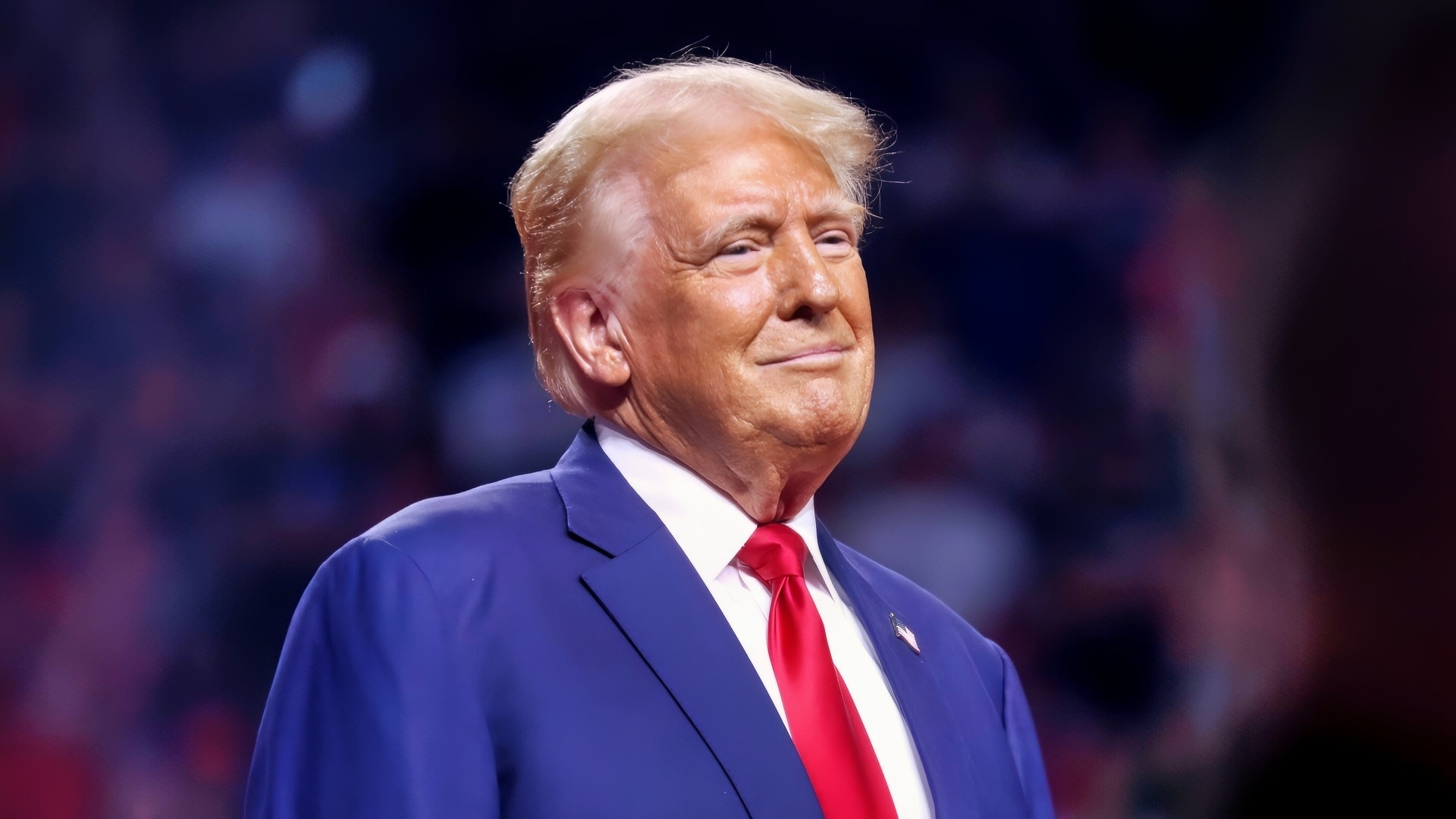
Donald Trump at Event in 2024 Creative Commons
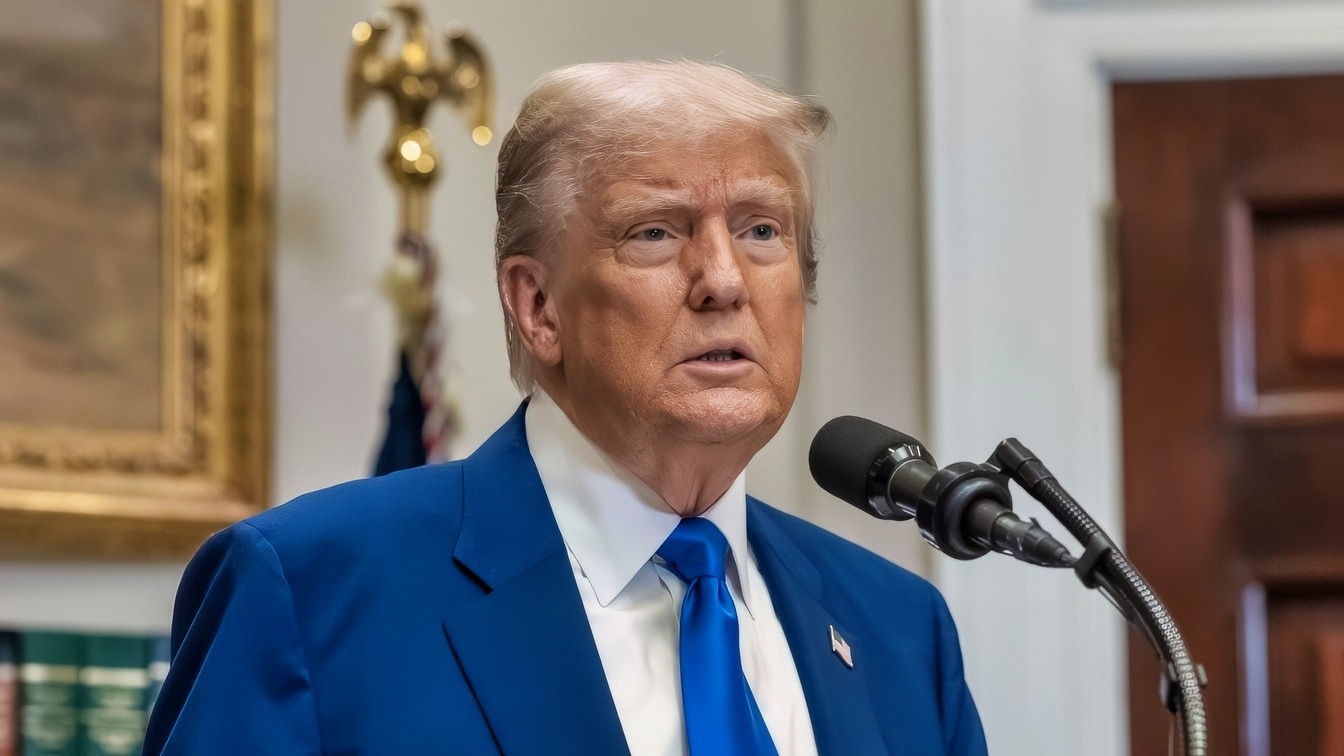
President Donald Trump holds a press conference with Health and Human Services Secretary Robert F. Kennedy Jr., Monday, May 12, 2025, in the Roosevelt Room. (Official White House Photo by Joyce N. Boghosian)
The report said the company is dealing with deteriorating infrastructure, staffing shortages that make ramping up production impossible, and financing problems.
The deal, which was announced in August, gives the United States rights to a 35% stake in NABEP’s parent company and preferential access to its oil production.
President Donald Trump framed the deal as a major economic opportunity that would lower American energy prices, but industry analyses suggest restoring Venezuela’s oil production could still take many years—and even substantial production increases may offer limited medium-term relief.
NABEP Faces Major Problems
The Reuters investigation was based on interviews with 15 oil workers, contractors, industry experts, and financiers in the country.
Those individuals identified several serious operational problems that could realistically prevent NABEP from meeting the ambitious targets set out under the White House’s announcement.
The company is preparing to increase its production from approximately 224,000 barrels per day in the middle of October to more than one million barrels per day.
Reuters reports, however, that contractors are experiencing delayed payments, and NABEP is struggling to secure the skilled workers and equipment needed to expand operations to the required scale.
Particularly serious problems were identified around Lake Maracaibo, an area that has endured decades of underinvestment, leaving thousands of oil wells in poor condition and requiring extensive repairs.
According to Petroleum of Venezuela (PDVSA) President Jovanny Martinez, roughly 80% of the approximately 4,000 inactive wells in the basin require maintenance before they can be used.
Reuters also noted that satellite imagery from early October showed no drilling infrastructure at seven of the 17 fields the company operates.
NABEP has disputed the suggestions that it cannot meet its targets, however, saying that it has invested around $1 billion since 2024 and is in the process of acquiring additional drilling equipment.
Venezuela’s overall production, however, remains at about 1.2 million barrels per day, suggesting that the country’s oil recovery is not yet materializing at the scale needed to make a real difference in the global market.
Questions Over the Deal Mount
Meanwhile, questions remain about the deal itself.
An October 20 ProPublica report described how the agreement between the U.S. and Venezuela includes provisions intended to protect NABEP’s management structure from future political interference.
The report, titled “The Secret Terms of Trump’s Venezuelan Oil Deal,” revealed undisclosed investors in the Barbados-registered parent company.
The investors’ identities are not publicly known, despite their potential to profit enormously from the agreement.
The deal also protects Alejandro Betancourt’s position as chief executive and requires approval from at least five of the seven board members to remove him.
That board will initially serve for 15 years, with arrangements said to be designed to prevent future U.S. and Venezuelan governments from dismantling the operation.
Lower Gas Prices Could Be Years Away
Regardless of the deal’s terms, and assuming production can be ramped up as planned, the deal faces a serious problem: Venezuelan oil is very difficult and expensive to refine.
Much of the country’s oil is “heavy” or “extra-heavy” crude, and it typically contains large quantities of sulfur.
Processing that oil requires specialized equipment to break down heavier hydrocarbons and remove impurities.
According to the U.S. Energy Information Administration, American refineries along the Gulf Coast are particularly well equipped to process Venezuelan crude.
Still, many other facilities cannot handle it economically without substantial long-term investments.
Even when refineries have the necessary equipment, additional shipments of Venezuelan oil may replace oil purchased from other suppliers rather than increasing overall global supply.
Ultimately, if refining capacity doesn’t increase, a larger crude supply won’t change much.
Increasing production will take time, too.
According to the Center for Strategic and International Studies, Venezuela could reach approximately 1.5 million barrels per day by 2028 under the most favorable conditions, and reaching three million barrels per day could take until 2035, even with substantial new investment.
That poses a problem for the Trump administration, which wants to lower fuel costs and increase global supply as quickly as possible.
The deal could increase global supplies in the long run and benefit Washington’s economy, but its immediate impact on gasoline prices will be extremely limited.
Unnoticeable, in fact.
About the Author: Jack Buckby
Jack Buckby is a British researcher and analyst specializing in defense and national security, based in New York. His work focuses on military capability, procurement, and strategic competition, and he produces and edits analysis for policy and defense audiences. He brings extensive editorial experience, with a career output spanning over 1,000 articles at National Security Journal, and has previously authored books and papers on extremism and deradicalization.


