
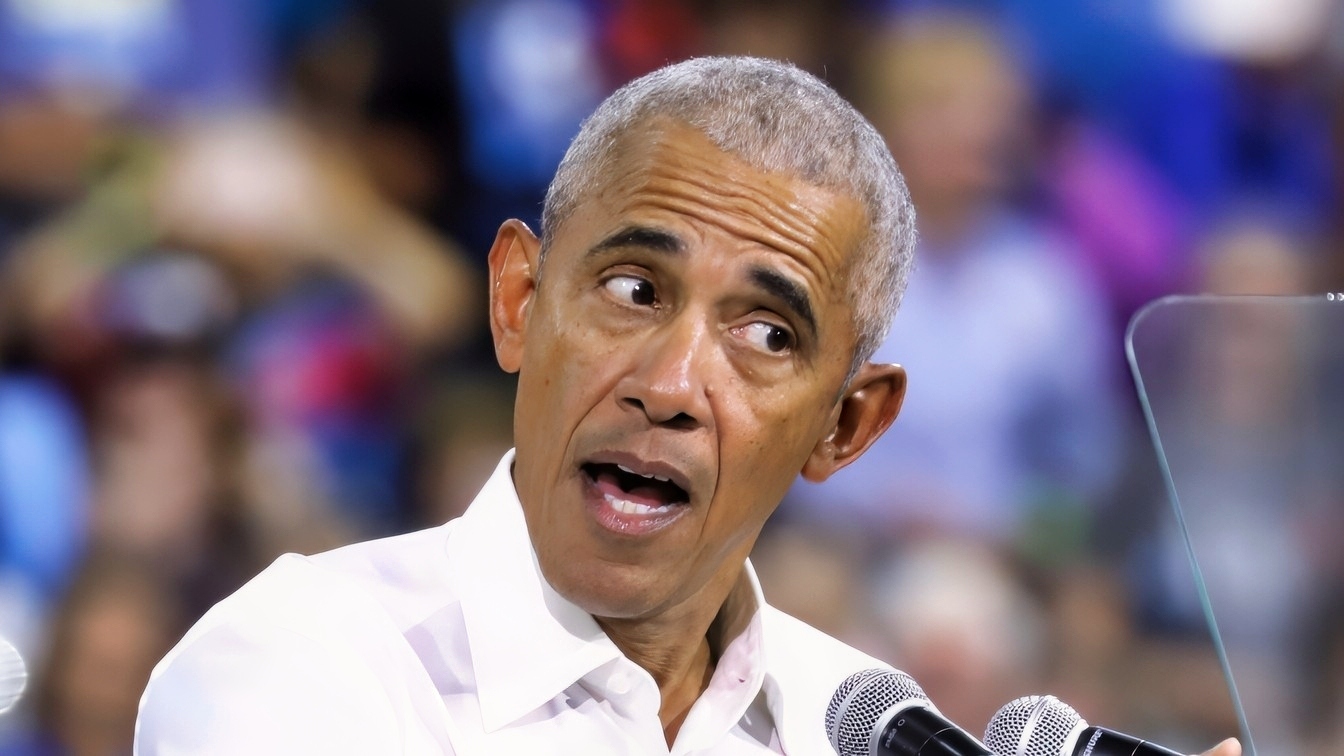
Former President Barack Obama has been highly visible on the Democratic campaign trail this year as part of what appears to be an effort to unite the party ahead of Tuesday’s midterm elections.
But those efforts have faced setbacks, including in Michigan, where a disagreement between two prominent Democrats forced the cancellation of a joint campaign appearance just days before Americans head to the polls.
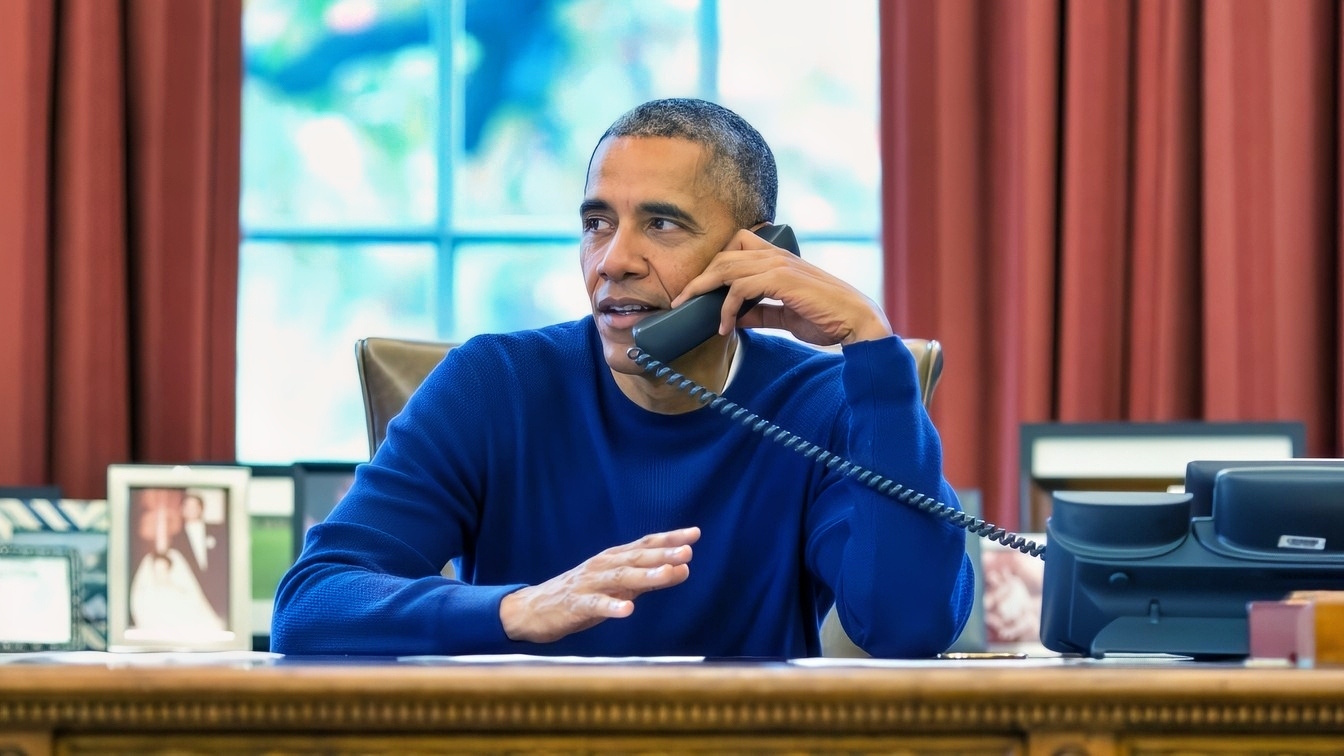
Barack Obama at the Resolute Desk. Creative Commons Photo.
On Saturday, October 31, Democratic Rep. Debbie Dingell confirmed that Rep. Haley Stevens and controversial Senate candidate Abdul El-Sayed would not campaign together at a Detroit church service on Sunday, November 1.
The event was also expected to include South Carolina Rep. Jim Clyburn.
It would have shown party unity at a time when voters want to know exactly what the Democratic Party stands for, some two years after Trump returned to the White House.
It comes just a week after President Barack Obama campaigned with El-Sayed in Detroit and urged voters to support a new generation of Democratic candidates.
But it looks like, no matter how hard Obama tries, uniting his party is proving impossible — and Stevens even looks to have thrown her support behind the Republicans.
Democrats Cancel Joint Appearance
During the August 4 primary, El-Sayed, a progressive former public health official, narrowly defeated moderate Democratic candidate Haley Stevens, who has represented Michigan in Congress since 2019.
The candidates engaged in heated debates over Israel during the primary campaign, with Stevens expressing support for Israel and El-Sayed heavily criticizing the Netanyahu government, as well as U.S. support for the country.

Barack Obama. Image Credit: Creative Commons.
But even after losing the primary, Stevens publicly backed El-Sayed, who is now running against Republican Mike Rogers for the Senate seat that is being vacated by retiring Democratic Senator Gary Peters.
The latest disagreement between the two candidates, representing two wings of the party, began when Stevens criticized a political advertisement that Rebellion PAC released.
The organization responsible for the ad is connected to controversial progressive commentator Cenk Uygur.
The ad drew attention after it linked rising grocery prices to Washington’s financial support for Israel, prompting Stevens to accuse the group of being antisemitic — or, at least, promoting antisemitic ideas.
Reposting the ad on X, Stevens described it as “fearmongering.”
“This type of fearmongering about Israel is wrong. It is not a winning strategy for any state. It does nothing to help Michigan Democrats win up and down the ballot in eight days. Do we need to lower costs by building more homes, securing people’s health care, and creating a fairer federal tax code? Yes, we do!” she said.
“How we do so is not by blaming the high costs of our goods on the only Jewish homeland in the world. I want to see Democrats succeed at every level, and that means keeping our focus on lowering costs for Michigan families and reining in this out-of-control President,” she continued.
El-Sayed Pushes Back
El-Sayed has tried to distance himself from the advertisement and insisted this campaign did not produce it.
He also said that he disagrees with the contents.
On October 31, reports said El-Sayed’s campaign asked Stevens to stay away from campaign events until after election day, arguing that her presence could distract from the issues voters care about.
Rep. Dingell, however, has disputed that account and told CNN that she had personally asked Stevens not to attend the event because the disagreement over the ad was becoming a distraction for the campaign.
In other words: even Obama can’t unite the party.
The dispute has become so contentious that even Stevens’ fiancé, Jason Turkish, announced he would vote for Republican candidate Mike Rogers, despite Stevens initially continuing to support El-Sayed.
And Republicans have since jumped on that, using the disagreement to their advantage in their own campaigns.
On Saturday, President Donald Trump held a telephone rally for Michigan Republicans and urged voters to back Rogers. He also launched several new personal attacks against El-Sayed.
But as of November 1, it looks like things have changed, and Stevens is now campaigning with Rogers.
Stevens Switches Sides
On November 1, Stevens appeared alongside Rogers at Perfecting Church in Detroit and appeared to be backing the candidate.
The Associated Press confirmed the appearance, which was documented on video and shared on social media.
Journalist Sam Robinson shared video footage online, showing the two candidates attending a church service.
Stevens expressed her support for Rogers’ position on investing in black-owned businesses, telling reporters that it was a policy “Mike’s going to take on.”
About the Author: Jack Buckby
Jack Buckby is a British researcher and analyst specializing in defense and national security, based in New York. His work focuses on military capability, procurement, and strategic competition, and he produces and edits analysis for policy and defense audiences. He brings extensive editorial experience, with a career output spanning over 1,000 articles at 19FortyFive and National Security Journal, and has previously authored books and papers on extremism and deradicalization.


