


Iranian Revolutionary Guard Corps (IRGC) claimed over the weekend that two oil tankers in the Strait of Hormuz had exploded after hitting Iranian mines.
According to the Jerusalem Post, an IRGC spokesperson told state media broadcaster Islamic Republic of Iran Broadcasting that the tankers were “in violation of regulations,” had switched off their navigation systems, and had traveled an “unauthorized route in the Strait.”
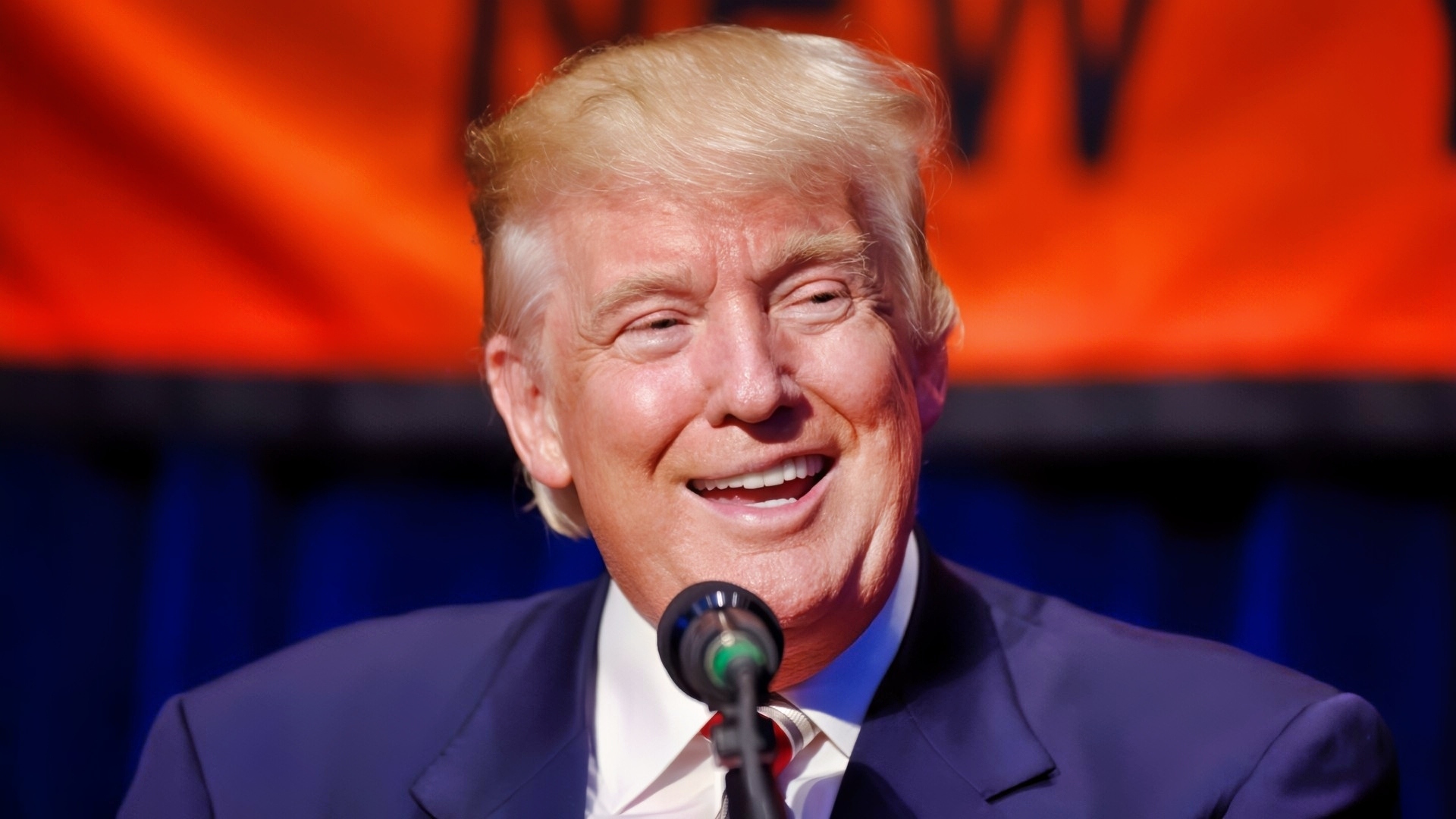
Donald Trump in NYC Creative Commons Photo
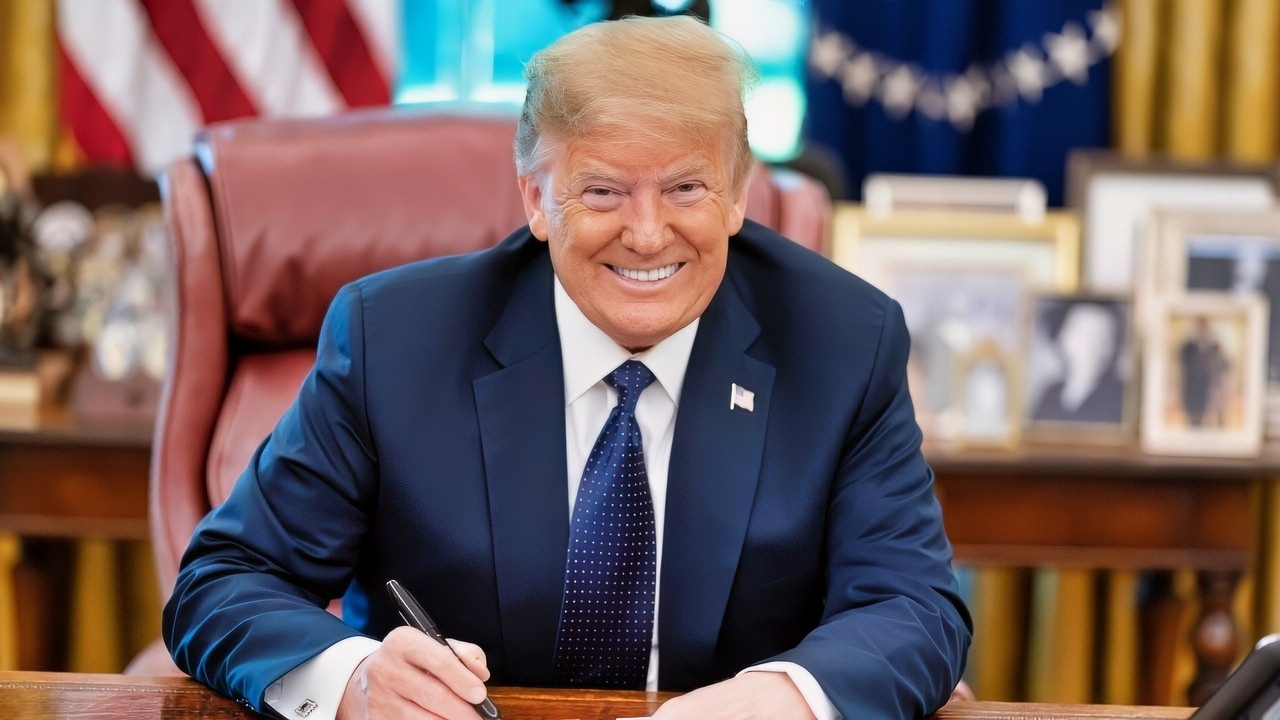
Donald Trump Back in 2020. Creative Commons Photo.
The spokesperson described one of the exploded tankers as a supertanker, which had been “engulfed in flames.”
It’s unclear which tankers were hit and which countries they came from.
“The IRGC Navy stressed that the tankers ignored repeated warnings and entered dangerous waters in clear violation of the regulations governing the strategic waterway,” the semi-official Mehr News Agency reported on November 2.
“Responsibility for the consequences lies fully with the vessels’ owners, who chose unauthorized transit over compliance with Iranian maritime safety protocols.”
UKMTO reported Sunday that it had received a report of an “incident within the Strait of Hormuz,” in which a merchant vessel reported a Mayday call that another vessel had been “struck by an unknown projectile.”
Part of a Pattern
Reuters had reported last week that Iran’s Revolutionary Guards Navy had reported four tankers had “caught fire and exploded,” also in the Strait of Hormuz, after utilizing what had been described as an unauthorized route.
The IRGC had claimed that one of the vessels, “carrying more than 2 million barrels,” had hit a mine and was burning.
Also last week, Iran had claimed that it downed and captured a MQM-170 US drone over Qeshm Island near the Strait, although it has not been confirmed that this capture had actually taken place, and CENTCOM has denied the assertion.
“All U.S. military unmanned surface vessels in the Middle East are accounted for, including a squadron of advanced sea drones on patrol in the Strait of Hormuz supporting CENTCOM’s defensive layer,” the Central Command X account said in a “fact check” posted on October 30.
As noted by the New York Post noted, Iran did not specify what the ships were or what flags they sailed under.
What Would Reopen the Strait?
Shortly after the war began, Iran closed the Strait of Hormuz, throwing global energy markets into chaos and causing U.S. gasoline prices to rise.
The U.S. later imposed a blockade on the Strait in retaliation.
Those restrictions were temporarily lifted in June with the “Memorandum of Understanding” deal, but it fell apart the following month.
Axios reported in August that the U.S. had developed an elaborate workaround to get oil tankers through the Strait of Hormuz, which at one point succeeded in getting oil transports up to about half of pre-war volume, although that level waxed and waned a bit in the ensuing months.
Now, the conflict is at an inflection point, with President Donald Trump openly musing about attacking Iran again after this week’s midterm elections, or possibly agreeing to a deal to end the war.
At a rally in Iowa over the weekend, Trump threatened to hit Iran with “the hammer,” although he was vague about exactly what that meant.
According to news reports this week, including one in the New York Times, recent mediation has led to some progress between the two sides.
The Iranian foreign minister said this week that Iran is willing to “reopen the Strait of Hormuz in two days if the United States agrees to a set of demands.”
Those demands have included sanctions relief, unfreezing assets, lifting the U.S. blockade, and other considerations.
“If Iran’s legitimate demands are accepted and implemented, it would be possible to put the entire plan into operation within two days,” the Iranian foreign ministry’s spokesman, Esmail Baghaei, said in a statement this week.
“The realization of this depends entirely on Washington’s will and decision,” the ministry spokesman added.
Iran has also made threats about what it might do if the U.S. attacks again after the midterms, and is considering everything from attacking places it has not attacked before to formally withdrawing from the Nuclear Nonproliferation Treaty, the Times reported.
About the Author: Stephen Silver
Stephen Silver is an award-winning journalist, essayist, and film critic, and contributor to the Philadelphia Inquirer, the Jewish Telegraphic Agency, Broad Street Review, and Splice Today. The co-founder of the Philadelphia Film Critics Circle, Stephen lives in suburban Philadelphia with his wife and two sons. For over a decade, Stephen has authored thousands of articles that focus on politics, national security, technology, and the economy. Follow him on X (formerly Twitter) at @StephenSilver, and subscribe to his Substack newsletter.


