
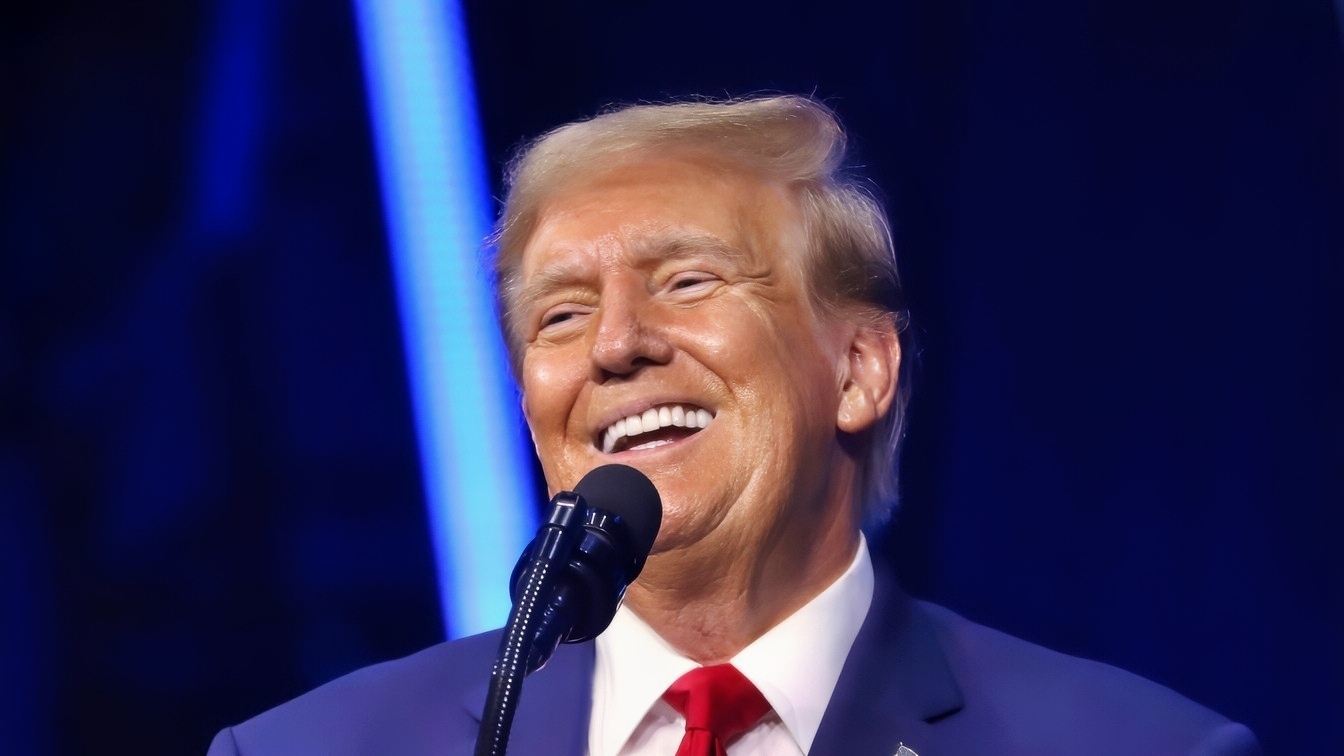
President Donald Trump is facing intense media scrutiny, and even legal proceedings, over accusations that his administration may attempt to interfere in Tuesday’s midterm elections.
State officials and Democratic lawmakers have joined a chorus of voting rights organizations in expressing concerns about unprecedented plans to monitor elections in several states with the support of federal agencies.
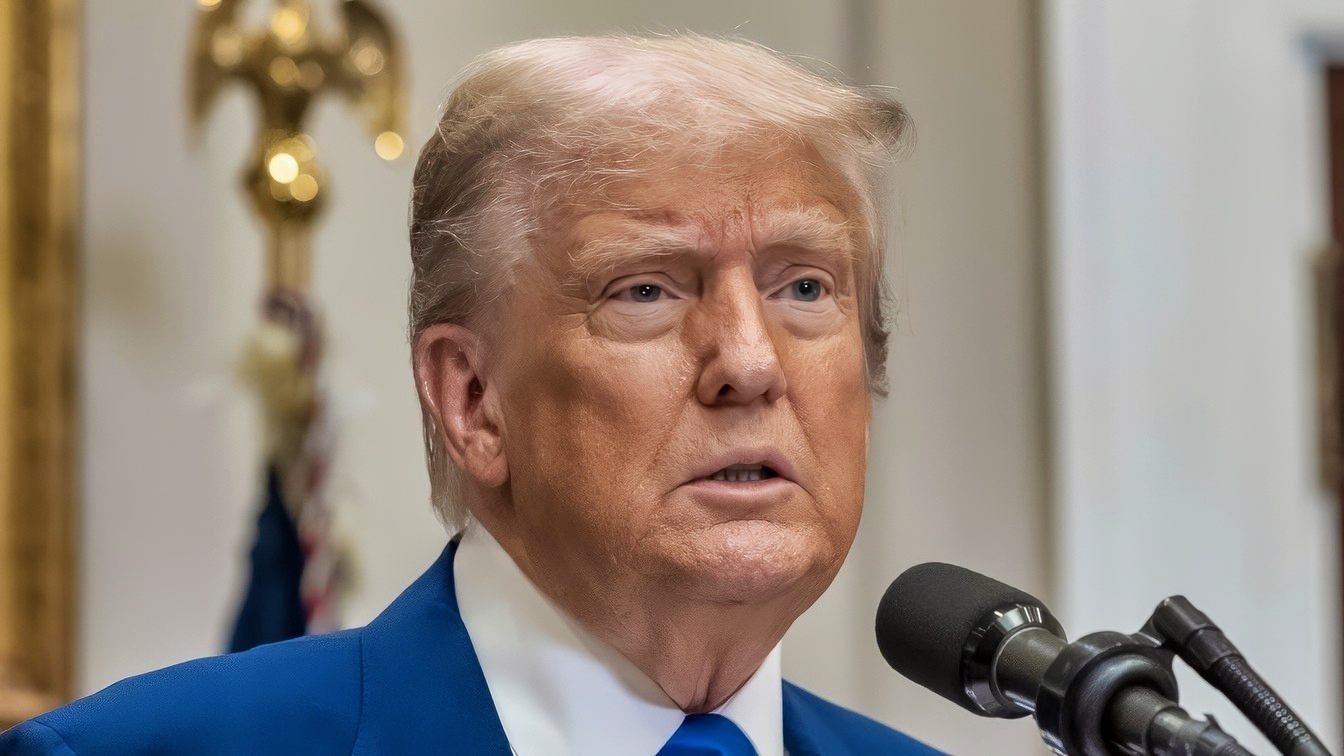
President Donald Trump holds a press conference with Health and Human Services Secretary Robert F. Kennedy Jr., Monday, May 12, 2025, in the Roosevelt Room. (Official White House Photo by Joyce N. Boghosian)
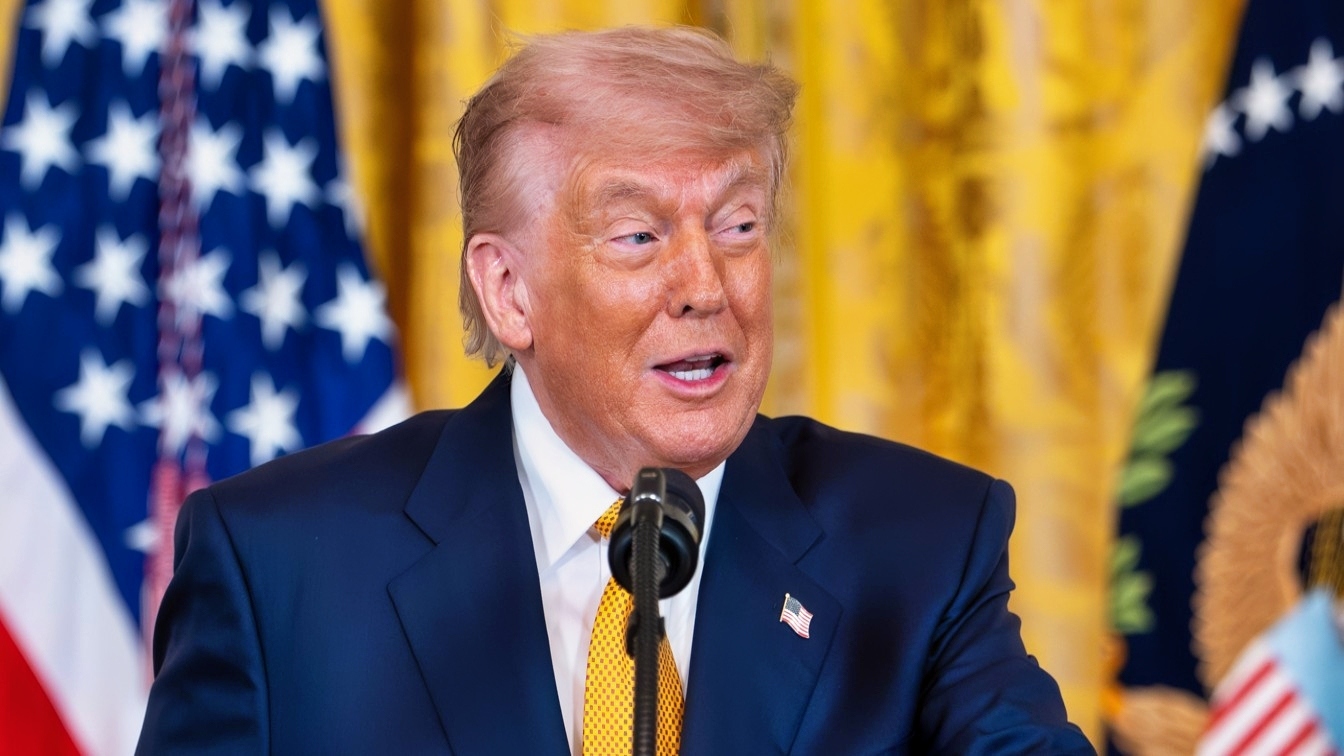
President Donald J. Trump delivers remarks at a Military Mothers’ Day event, Wednesday, May 6, 2026, in the East Room of the White House. (Official White House Photo by Andrea Hanks)
It comes as the Department of Justice prepares to deploy around 1,000 officials to polling locations across the country.
The Trump administration insists, however, that its efforts are intended to protect election integrity and to specifically prevent those who are not legally entitled to vote from participating in the hotly contested midterm elections.
Preventing illegal voting is an entirely legitimate effort and the responsibility of federal and state authorities, and the presence of federal election monitors is not evidence of electoral interference.
But many Democrats see things differently.
Election Officials Say They Fear Federal Interference
On October 27, The New York Times reported that election officials across the country have been preparing for possible federal intervention at polling sites. Officials are also reportedly concerned about the possible presence of immigration officers at voting sites.
Maine Secretary of State Shenna Bellows expressed her concern about the Trump administration’s relationship with state election authorities, noting that it was the first time she had dealt with such a situation.
“This is the first time that we have had to engage in scenario planning to safeguard against potential federal interference in elections,” Bellows said. “It seems like the federal government is now adversarial to the states.”
On October 20, The Washington Post also reported that a small group of current and former national security officials had advised state governments about the possibility of “interference.”
The concerns, it seems, are largely focused on what the federal authorities might do, including the possibility that the Trump administration may, in some way, attempt to influence the result of the election.
President Trump’s own comments have also sparked controversy; on October 27, he told reporters he would accept an unfavorable outcome only “if they’re honest elections.” The president’s own words indicate that he is concerned about illegal voting and fraud, but to Democrats, the comments suggest that he may declare the elections invalid anyway.
DOJ Sends 1,000 Election Monitors
The Trump Department of Justice is sending approximately 1,000 official federal monitors.
That’s more than the 289 deployed during the 2022 midterms and the 714 deployed during the 2024 presidential election.
Still, the fact that previous elections — held under a Democratic administration — used these same federal monitors suggests that concerns about Trump trying to “interfere” could be political spin.
The practice, after all, is not new, with both Democratic and Republican administrations routinely deploying federal personnel to ensure that elections are run safely and honestly.
On October 28, the Department of Justice confirmed that neither FBI nor Immigration and Customs Enforcement personnel would be serving as election monitors.
The department also explained that the monitors would not be issued firearms and would not act as law enforcement officers while at the polling locations.
Instead, federal officials will identify potential violations of election law.
Trump Admin Targets Illegal Voting
The administration’s ongoing election integrity campaign is largely focused on preventing a combination of fraud and noncitizen voting.
The Justice Department has sought voter registration information from states and argues that inaccurate records could allow ineligible individuals to participate in elections.
In a January statement, Assistant Attorney General Harmeet Dhillon said that “accurate voter rolls are essential to ensuring that American citizens’ votes count only once, and only with other eligible voters.”
“The Justice Department is committed to safeguarding fair and free elections, and will hold states accountable where they refuse to respect our federal election laws,” she added.
And there is evidence of actual violations.
In September, the Associated Press reported that federal investigations had identified approximately 1,600 suspected voter fraud cases that resulted in 160 arrests.
Illegal voting is not hypothetical; it’s real.
However, the figures also represent a tiny fraction of registered voters nationwide, and not every arrest involved an illegal ballot.
Noncitizen voting is also generally recognized as rare.
Bipartisan Efforts May Miss the Point
Meanwhile, democratic Rep. Josh Gottheimer and Republican Rep. Don Bacon have urged House legislators to commit to seating every certified winner after the election in what is being described as a bipartisan election integrity effort.
It comes amid concerns from largely Democratic campaigners that Republicans may refuse to seat newly elected Democrats when Congress returns on January 3.
However, House Speaker Mike Johnson has dismissed the suggestions as “absurd,” and rushing to seat every certified winner may result in instances of election fraud being missed or dismissed.
About the Author: Jack Buckby
Jack Buckby is a British researcher and analyst specializing in defense and national security, based in New York. His work focuses on military capability, procurement, and strategic competition, and he produces and edits analysis for policy and defense audiences. He brings extensive editorial experience, with a career output spanning over 1,000 articles at National Security Journal, and has previously authored books and papers on extremism and deradicalization.


