

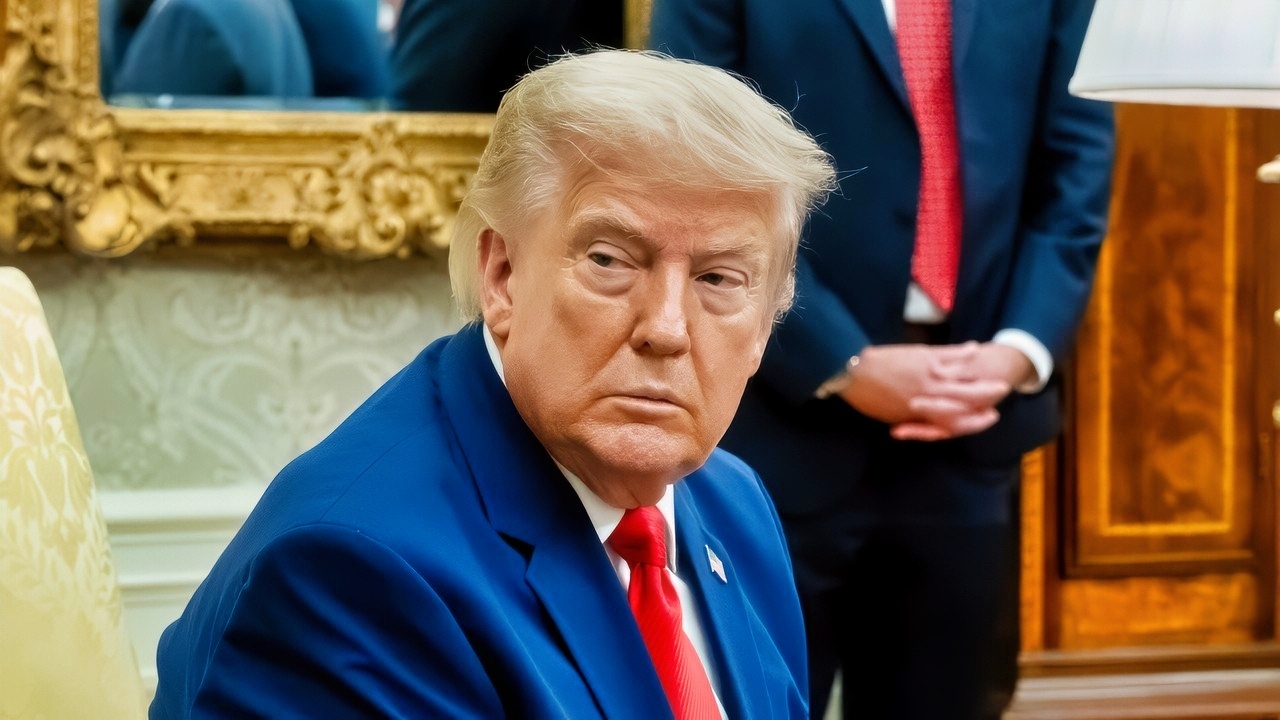
Iran Rejected Iraq’s Ceasefire Proposal Because Hormuz Was Left Unresolved: Iran rejected a U.S. ceasefire proposal carried to Tehran by Iraqi Prime Minister Ali al-Zaidi, according to Iranian and Iraqi officials cited by The New York Times. Al-Zaidi delivered the offer after meeting President Donald Trump in Washington, giving Iraq a direct role in the latest attempt to halt nearly two weeks of renewed American and Iranian strikes.
The proposal’s full terms have not been made public. Iranian officials described it as the only current offer and said Tehran would not accept another temporary pause that left the future of the Strait of Hormuz unresolved. The White House had not issued a detailed public response to the reported rejection as of July 24.

Lt. Col. Thomas Wolfe, the 455th Expeditionary Operations Group deputy commander, performs preflight checks on an F-16 Fighting Falcon at Bagram Airfield, Afghanistan, Feb. 1, 2016. The 421st EFS, based out of Bagram Airfield, is the only dedicated fighter squadron in the country and continuously supports Operation Freedom’s Sentinel and the NATO Resolute Support missions. (U.S. Air Force photo/Tech. Sgt. Nicholas Rau)
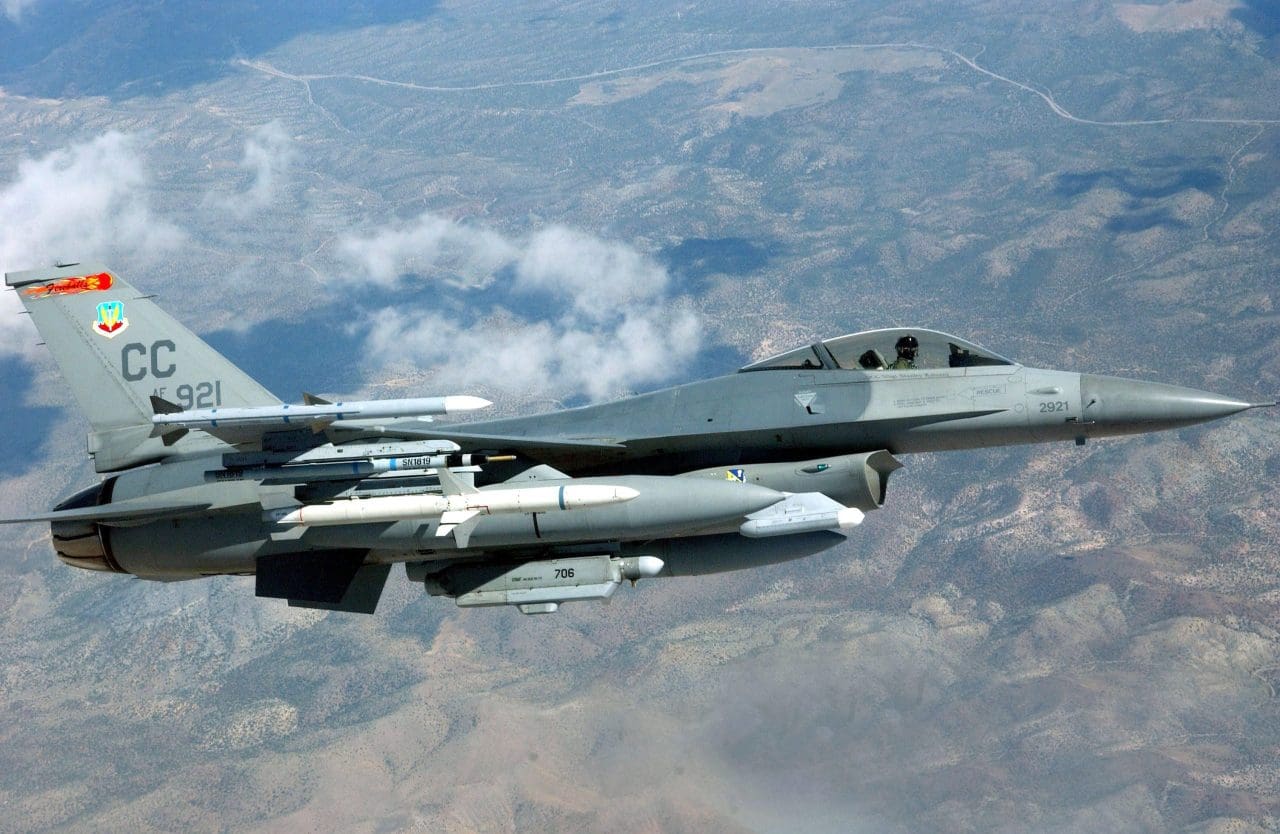
OVER NEVADA — An F-16C Fighting Falcon, assigned to the 27th Fighter Wing, Cannon Air Force Base, N.M., heads out for a mission over the Nevada Test and Training Ranges during Red Flag 04-3 here Aug 20. More than 100 aircraft and 2,500 participants are involved in this exercise. Red Flag is a realistic combat training exercise involving the U.S. Air Force and its allies. (U.S. Air Force photo by Tech. Sgt. Kevin Gruenwald)
Al-Zaidi met Iranian President Masoud Pezeshkian, Foreign Minister Abbas Araghchi and parliament speaker Mohammad Bagher Ghalibaf in Tehran. Iraq has strong reasons to prevent further escalation. It shares a long border with Iran, trades extensively with its neighbor, hosts American forces and contains armed groups with close ties to Tehran.
The diplomatic mission unfolded while U.S. Central Command completed a 13th consecutive night of strikes against Iranian military targets. American forces hit command centers, drone facilities, communications networks, coastal-surveillance sites and maritime capabilities, according to the official CENTCOM statement. Iran continued attacking regional U.S. positions and threatening shipping around Hormuz and the Red Sea.
Iraq Can Carry Messages but Cannot Rewrite the Dispute
Iraq gives Washington and Tehran a channel that both can use without meeting directly. Baghdad also understands the costs of a wider regional war more immediately than distant mediators. Iranian attacks on U.S. facilities in Iraq, militia mobilization, disrupted energy trade and refugee movement could place the Iraqi government under intense pressure.
Tehran’s response indicates that access between governments is no longer the main obstacle. Iran has already received a 10-day ceasefire concept through mediators, while previous diplomatic work continued during the strikes. The June memorandum was later interpreted differently by each government, and basic obligations remained uncertain.
Iraq may still help define a new offer, but a different messenger cannot compensate for unclear terms. Washington wants safe, nondiscriminatory commercial passage and an end to Iranian attacks. Tehran wants formal recognition of its role in administering waters along its coast and relief from U.S. strikes, blockade measures and sanctions pressure. Those demands explain why the available settlement options remain difficult for both governments.
Hormuz Is Blocking Another Temporary Ceasefire
Hormuz carries a major share of global oil and liquefied natural gas trade, according to the U.S. Energy Information Administration. Iran has learned that it can reduce traffic through intermittent attacks, route restrictions, mines and threats without maintaining a continuous physical blockade. That leverage gives Tehran little reason to accept a pause that merely postpones the same argument.
A sustainable arrangement would need written rules for passage, verified mine clearance, incident investigations and the sequence for ending U.S. strikes and blockade operations. A regional service-fee system could finance navigation and environmental work, but any payment would need multilateral control. The International Maritime Organization has also rejected compulsory tolls for ordinary passage.
The rejected Iraqi proposal appears to have fallen short of that standard. Previous ceasefire frameworks contained major unresolved questions, while Iran and Oman have explored a regional mechanism for maritime services. Trump also needs an agreement he can present as a credible exit without granting Tehran unilateral authority.
Iran’s Rejection Narrows Trump’s Choices
The military alternatives are becoming more costly. Trump has said he is close to deciding on a much larger attack, and he has promised major punishment for future Houthi strikes on shipping. Iran has warned that attacks on Tehran or critical infrastructure would bring wider retaliation. The conflict remains vulnerable to a larger regional escalation.
Congress is also signaling growing resistance. The House voted 214-208 to direct Trump to halt unauthorized hostilities, with four Republicans joining Democrats, according to Reuters. The resolution is largely symbolic, but it reflects rising concern about casualties, costs, oil prices and the absence of a defined endpoint.
Iraq’s mediation effort is not finished simply because Tehran rejected one text. The next proposal will need to address Hormuz as the central political issue rather than treat it as a problem for later negotiations. Without that change, another temporary ceasefire would remain vulnerable to the same dispute that ended the last one.
About the Author: Harry J. Kazianis
Harry J. Kazianis (@Grecianformula) was the former Senior Director of National Security Affairs at the Center for the National Interest (CFTNI), a foreign policy think tank founded by Richard Nixon based in Washington, DC. Harry has over a decade of experience in think tanks and national security publishing. His ideas have been published in the NY Times, The Washington Post, The Wall Street Journal, CNN, and many other outlets worldwide. He has held positions at CSIS, the Heritage Foundation, the University of Nottingham, and several other institutions related to national security research and studies. He is the former Executive Editor of the National Interest and the Diplomat. He holds a Master’s degree focusing on international affairs from Harvard University.


