

Trump Has Two Doors on Iran; Neither One Is Clean – Elections have consequences. Wars do, too. And for America, Iran seems like the one issue that just can’t be solved no matter how many bombs get dropped.
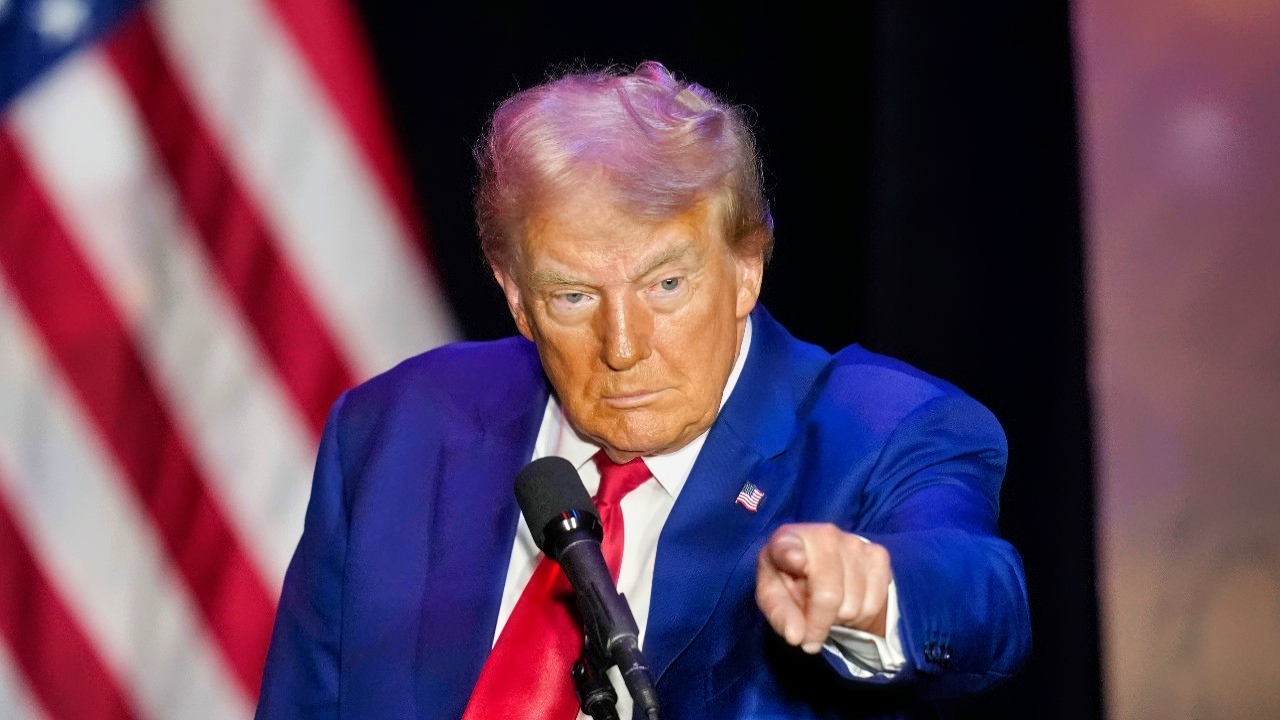
President Donald Trump went into Iran in February looking for regime change in Tehran. After Tuesday’s midterms, the regime that changed was the one on Capitol Hill.

A B-2 Spirit stealth bomber assigned to Whiteman Air Force Base takes off from Oscoda, Michigan, Aug. 5, 2025. Maintainers and pilots conducted a flight crew changeover during Exercise Northern Strike, a National Guard Bureau sponsored training event designed to build readiness with joint and partner forces in all domains of warfare. (U.S. Air National Guard photo by Staff Sgt. Whitney Erhart)
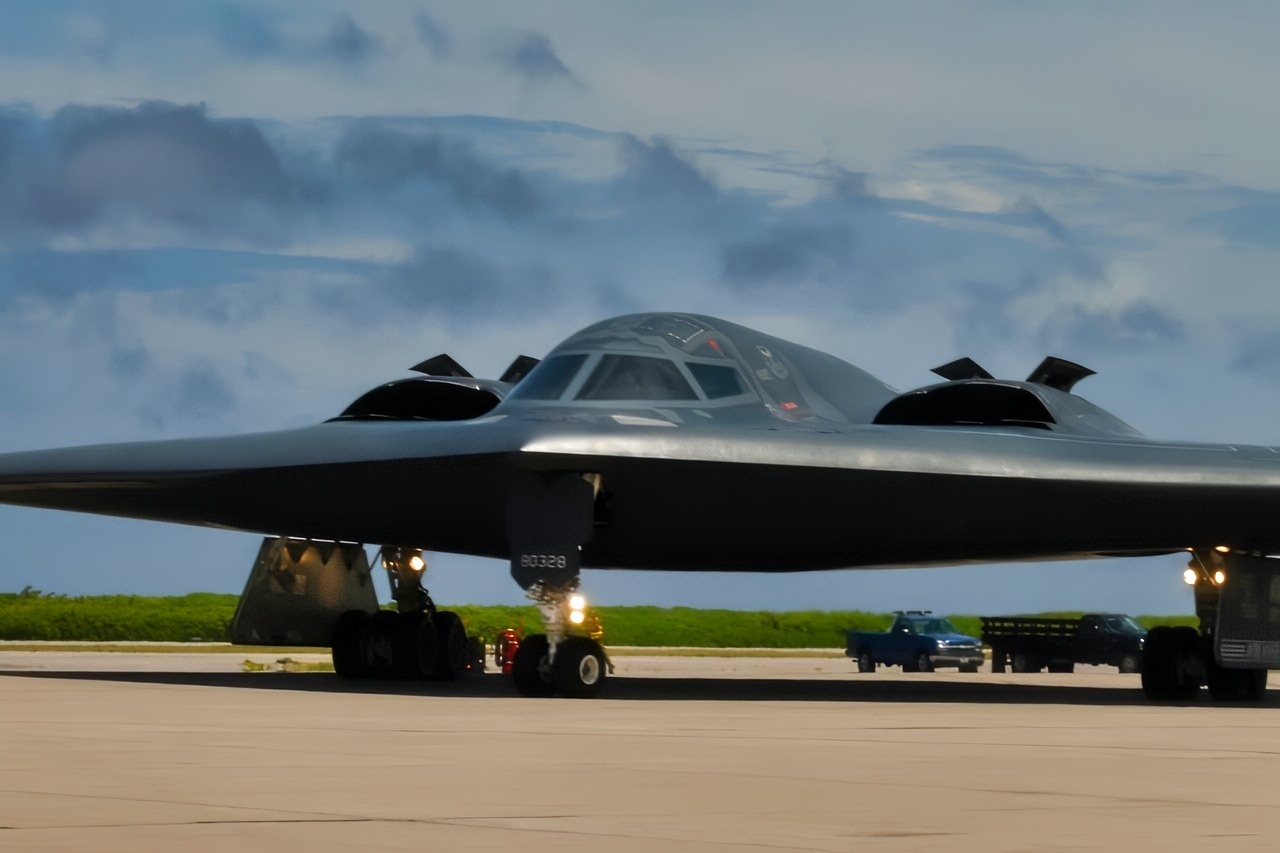
A B-2 Spirit Stealth Bomber, deployed from Whiteman Air Force Base, Missouri, taxis for take off at Naval Support Facility Diego Garcia, in support a Bomber Task Force mission, Aug. 26, 2020. BTF missions allow U.S. Strategic Command to provide persistent, long-term bomber presence to aid in U.S. Indo-Pacific Command’s commitment to a free and open Indo-Pacific. (U.S Air Force photo by Tech. Sgt. Heather Salazar)
Voters tired of the conflict and fed up with what they were paying at the pump handed Democrats control of Congress. As Reuters’ Samia Nakhoul reported from Dubai, the president now faces a stark binary. He can cut a deal and get out, or escalate and try to fight his way out of the hole.
Neither door opens onto a clean room.
How We Got Here in the Iran War
The conflict kicked off with US-Israeli strikes on February 28. Iran answered with missiles and drones aimed at Gulf targets and at shipping in the Strait of Hormuz, and global energy markets have been paying for it ever since.
The air campaign did real damage to Iran’s military. However, starting and stopping the bombing never produced a knockout, and the nuclear question that started all of this remains unresolved.
That isn’t a new problem. Back in March, Reuters already framed the conflict as a choice between a flawed deal and a prolonged fight, with Trump’s approval rating at 36 percent. Eight months later, the options haven’t changed. The leverage has.
Vice President JD Vance didn’t bother sugarcoating it. In a lengthy post on X, he laid the midterm losses squarely at the fighting’s feet. Trump himself conceded to Fox News that the war was at least part of it.
Netanyahu isn’t doing much better. His right-wing bloc won 53 of the Knesset’s 120 seats in the October 27 election, eight short of a majority. The two architects of this Iran conflict are both bleeding politically, Trump even more so.
He lost control of both the House and Senate and is a lame-duck president with two years left in his last term. Many Democrats are already calling for impeachment proceedings against him in January.
Door Number One: The Deal
The case for a deal is straightforward. According to two sources close to Gulf governments, a Democratic Congress can now put real limits on Trump’s military options, which gives him more reason to negotiate.
They believe a full-scale assault is now less likely. Another round of limited strikes on nuclear sites could let Washington say its objectives were met and draw a line under the whole thing, while Qatari mediators work to broker a settlement.
The “declare victory and go home” sometimes gets a bad rap. Often it’s the smartest move on the board. However, it only works if the other side lets you declare victory.
That’s where it gets tricky. Ebtesam al-Ketbi of the Emirates Policy Center in Abu Dhabi put it neatly. The election makes a settlement more urgent for Trump without making it any easier to get from Iran.
Everything depends on how Tehran reads the tea leaves. If the Iranians see a president who needs a deal but won’t take just any deal, there’s an opening. If they see a president who has lost his nerve, that’s an invitation for trouble.
The Gulf states want this over; however, while they were initially more hawkish on fighting, they now believe a military solution is no longer viable. But they have conditions.
Any agreement that ignores freedom of navigation through Hormuz, lets Iran charge tolls or attach political strings to shipping, or leaves its neighbors within range would only buy an intermission before the next crisis.
Tehran is signaling it will not budge. Before the vote, Iran offered to reopen the strait within two days if Washington accepted seven conditions. Supreme Leader Mojtaba Khamenei has since warned against even a hint of submission. That’s hardly the language of a regime hunting for an off-ramp.
Door Number Two: Escalation
Here’s where it gets uncomfortable. Abdulaziz Sager, who chairs the Saudi-based Gulf Research Center, argued that losing could actually make Trump more willing to strike.
No more midterms. No third term. The political brakes that once encouraged restraint are gone. In Sager’s view, Trump could see a chance to “finish the job” before he leaves office, especially if Iran looks set to walk away claiming it won.
A president with less to lose and a legacy to protect. That’s a dangerous combination.
Trump hasn’t cleared up the confusion. This week, he told some reporters he was weighing hitting Iran hard and told others he had no immediate plans to escalate. Some would call that strategic ambiguity. Others would just call it Wednesday.
Two senior Iranian sources told Reuters that Tehran remains on high alert for exactly that kind of strike. A Hezbollah official went further, putting the odds of escalation and de-escalation at roughly even.
The Miscalculation Is The Real Threat
The most important voice in the Reuters piece may belong to Emirati analyst Abdulkhaleq Abdulla. He argued that Tehran, more than Washington or Jerusalem, is now the bigger danger.
Iran’s leaders have a long habit of overrating their own strength and underrating American and Israeli firepower. Now they have an election result to brag about. If they convince themselves that Trump is a lame duck and Netanyahu is finished, they may push their luck.
The world has seen this movie before. Bluster gets mistaken for strength, and restraint gets mistaken for weakness. Both sides do it. People die when they guess wrong.
Lebanese commentator Sarkis Naoum made the flip side of that point. The defeat has cost Trump leverage at the table and narrowed his options for getting a deal done. A weaker negotiator facing an emboldened adversary is a poor recipe for a quick settlement.
So which door does he pick?
The Options Offer No Easy Answer
The off-ramp Trump can get may not be one he can sell at home, and the escalation he can sell may not get him anything he doesn’t already have. Limited strikes followed by a face-saving exit is the most plausible path.
However, it requires Tehran to cooperate in letting him save face, and nothing in Khamenei’s rhetoric suggests that’s on offer.
Then there’s January. Once Democrats take their seats, investigations into the administration, Trump’s family, and his allies are expected to follow. Gulf governments already worry about probes into their own business dealings with the Trump family. That’s another clock ticking in the background.
About the Author: Steve Balestrieri
Steve Balestrieri is a National Security Columnist. He served as a US Army Special Forces NCO and Warrant Officer. In addition to writing on defense, he covers the NFL for PatsFans.com and is a member of the Pro Football Writers of America (PFWA). His work was regularly featured in many military publications.


