

The Republican Party suffered an historic wipeout on Tuesday, losing its majorities in both houses of Congress and losing numerous seats that hadn’t gone Democratic in Texas.
Democrats captured Congressional seats and governorships in the South and Midwest, and finally won statewide in Texas after failing to do so since the 1990s.
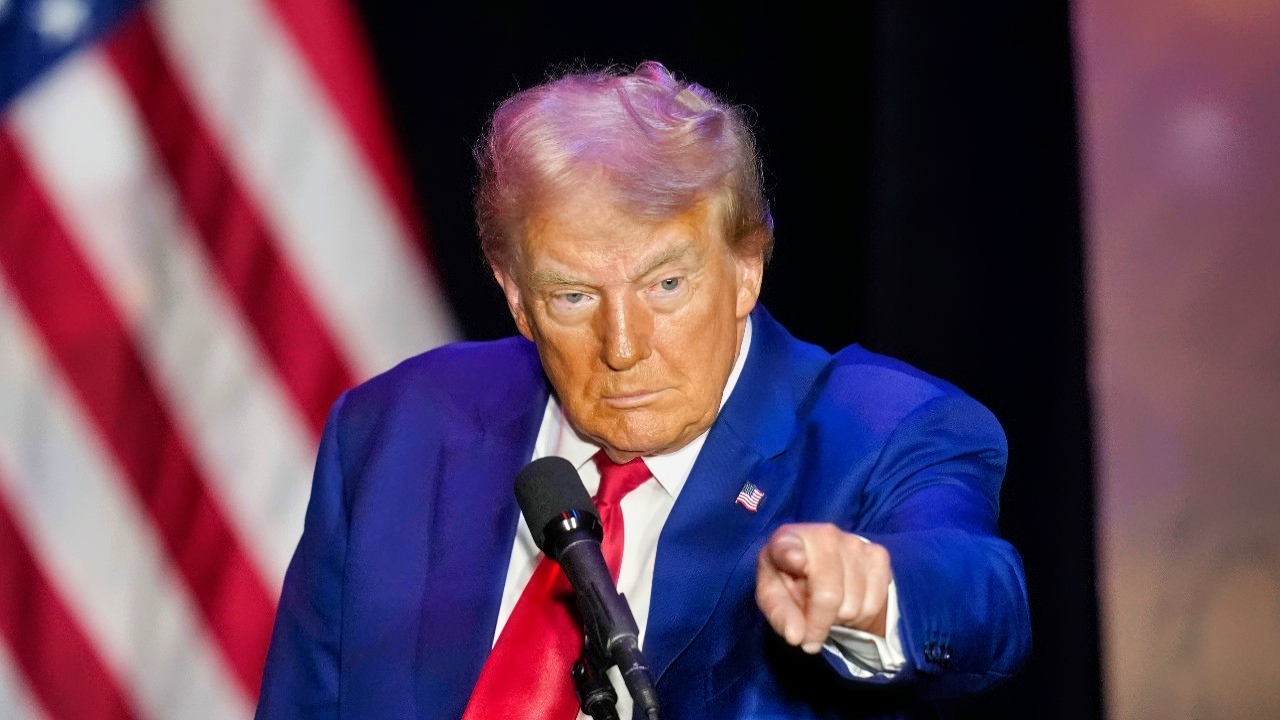
Donald Trump. White House Flickr.

President Donald Trump signs an Executive Order on the Administration’s tariff plans at a “Make America Wealthy Again” event, Wednesday, April 2, 2025, in the White House Rose Garden. (Official White House Photo by Daniel Torok)
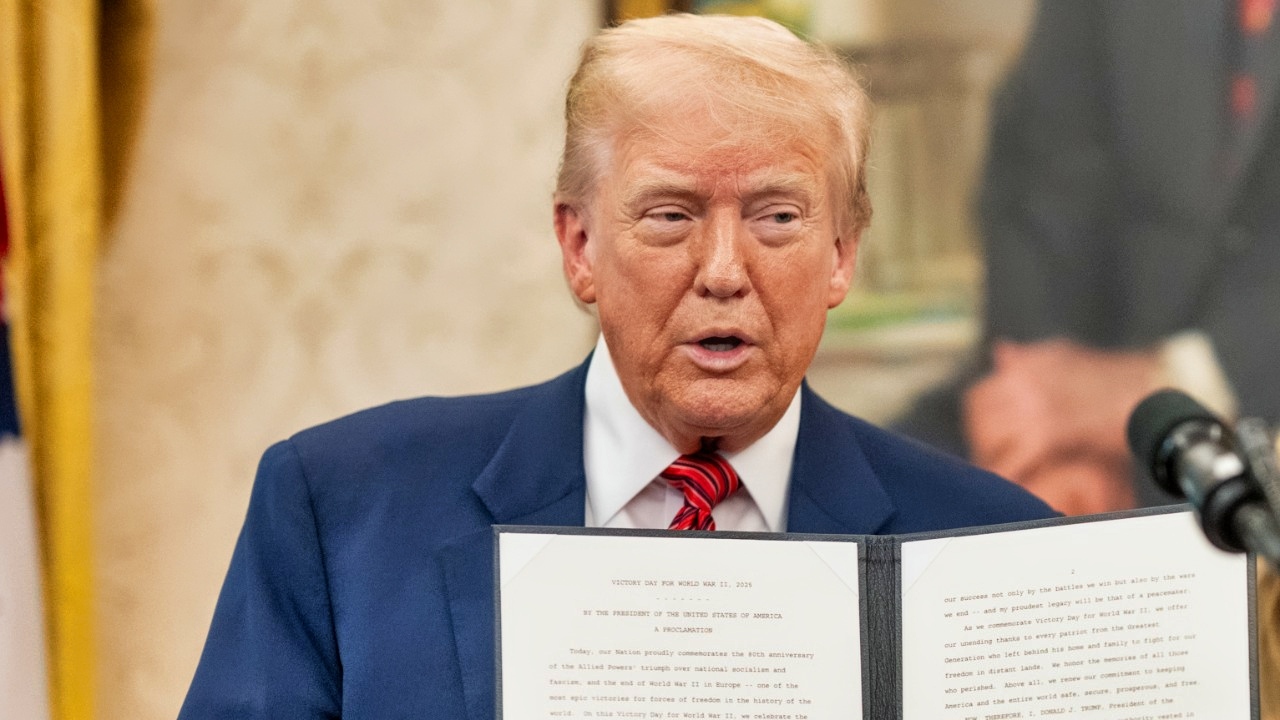
The election result was widely seen as a repudiation of Donald Trump’s presidency, especially the Iran war and the high cost of living, both of which ran counter to campaign promises the president repeated throughout his 2024 campaign.
This caused the GOP to significantly underperform among many of the demographics Trump gained in 2024.
This week, The Washington Post looked at a series of missteps that helped make Tuesday’s electoral bloodbath possible.
Front and Center
The Post pointed to a decision the GOP made this election year: They put Donald Trump “front and center,” putting the president on the campaign trail and regularly declaring that members of his base should vote as if Trump were himself on the ballot.
This, the Post said, was a major miscalculation, especially considering the president’s massive unpopularity.
Trump, throughout the year, “appeared in taxpayer-funded campaign ads that showed him and U.S. forces in the Iran war, created a new midterm convention to star in, and crisscrossed 20 states to appear in 30 rallies in the campaign’s final weeks.”
This strategy, it’s clear, backfired spectacularly.
As The Post noted, none of the GOP advantages coming into the year held up, whether it was their huge fundraising lead, a favorable Senate map, or a successful gerrymandering push.
None of it worked, and Democrats won several districts Republicans had specifically created to avoid that.
Trump’s own actions helped hurt his party, the newspaper said.
“The president drove down his own popularity, squandered his trust with voters on the economy and created an impossible environment for many incumbents,” the Post said. And this started with the Iran War, which was unpopular and continued for much longer than Trump initially said it would.
The resulting energy supply disruptions also drove up gas prices and other goods, undercutting Trump’s 2024 campaign promises to fight inflation and cut prices.
As a result, Democrats, who appeared in disarray as the second Trump era got underway, posted a generationally strong midterm performance, putting them in a strong position for the 2028 presidential race.
Blowing Up the Senate Map
The Post’s analysis said Republicans felt good about their chances of holding the Senate, since most of the Senate seats the GOP was defending were in states Trump won two years ago.
It was shaping up so strongly for Republicans that Sen. Kirsten Gillibrand (D-NY), who is chair of the Democratic Senatorial Campaign Committee, predicted it would likely take two cycles for her party to win the Senate back.
But as 2026 rolled out, Trump’s popularity continued to suffer, putting more and more of the Senate map in play.
Trump lost purchase on the immigration issue, long his strongest, as voices began to sour on ICE’s often brutal tactics, especially with Operation Metro Surge in Minneapolis in the early part of this year.
And plans for Republicans to run on the tax cuts and other measures of last year’s Big Beautiful Bill were soon overwhelmed by the Iran War and other foreign policy concerns.
Many Other Mistakes
The president also spent much of the year pushing the doomed SAVE America Act legislation, which never passed the Senate.
Trump also made mistakes in which candidates he backed, most notably in endorsing the scandal-plagued Ken Paxton in a runoff in Texas over incumbent Sen. John Cornyn, a Republican Trump foe. Paxton won the runoff but lost this week to Democrat James Talerico, who will be the first Democrat from Texas to serve in the Senate since Lloyd Bentsen in the 1980s.
“I’m laughing at it in a kind of sad way because it’s just an unforced error,” Sen. Thom Tillis (R-NC), who opted not to run for re-election after crossing Trump and later saw his Senate seat fall to a Democrat, told the Post.
“That’s just laying the ground for historic gains for the Democrats. And Democrats aren’t winning these elections; we’re losing them.”
About the Author: Stephen Silver
Stephen Silver is an award-winning journalist, essayist, and film critic, and contributor to the Philadelphia Inquirer, the Jewish Telegraphic Agency, Broad Street Review, and Splice Today. The co-founder of the Philadelphia Film Critics Circle, Stephen lives in suburban Philadelphia with his wife and two sons. For over a decade, Stephen has authored thousands of articles that focus on politics, national security, technology, and the economy. Follow him on X (formerly Twitter) at @StephenSilver, and subscribe to his Substack newsletter.


