

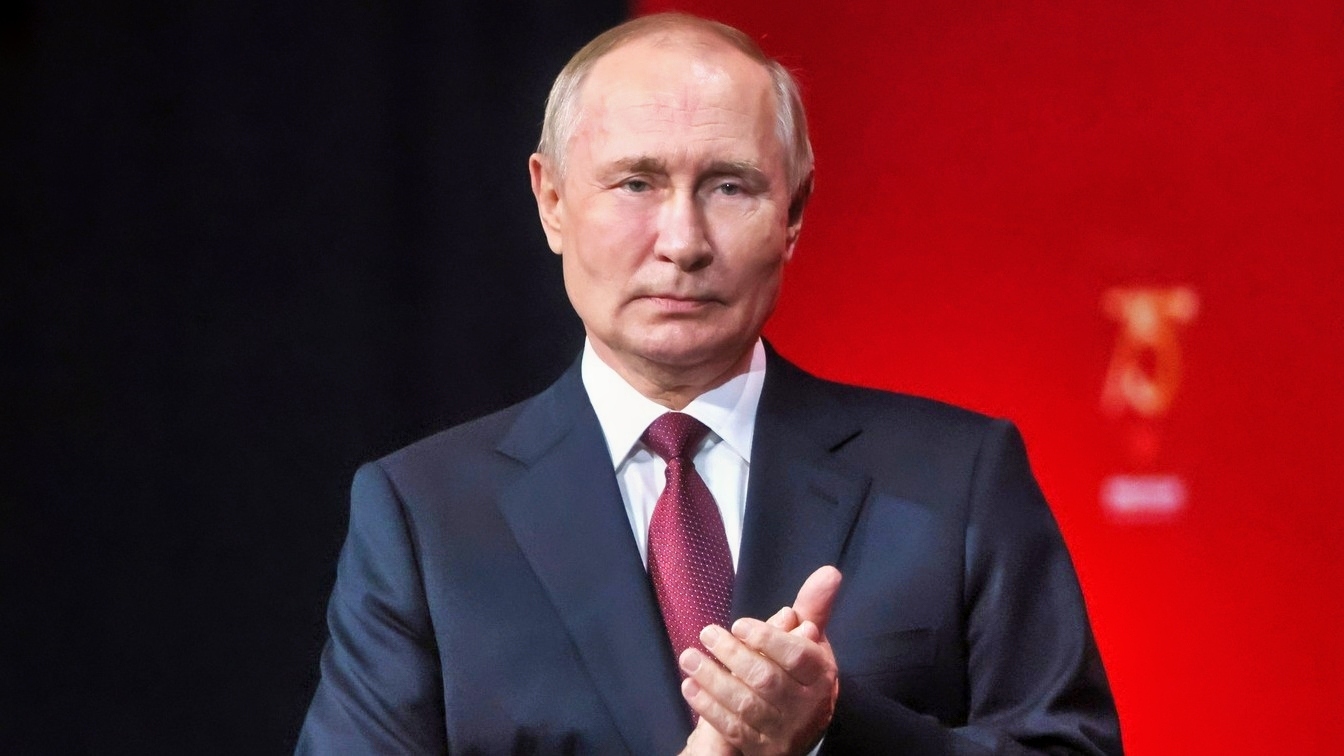
Russia has suffered its highest number of battle casualties since invading Ukraine in full force in October, losing an estimated 54,400 troops, either killed or seriously wounded.
Ukrainian President Volodymyr Zelenskyy announced on November 1 that Russia suffered its highest losses in October.
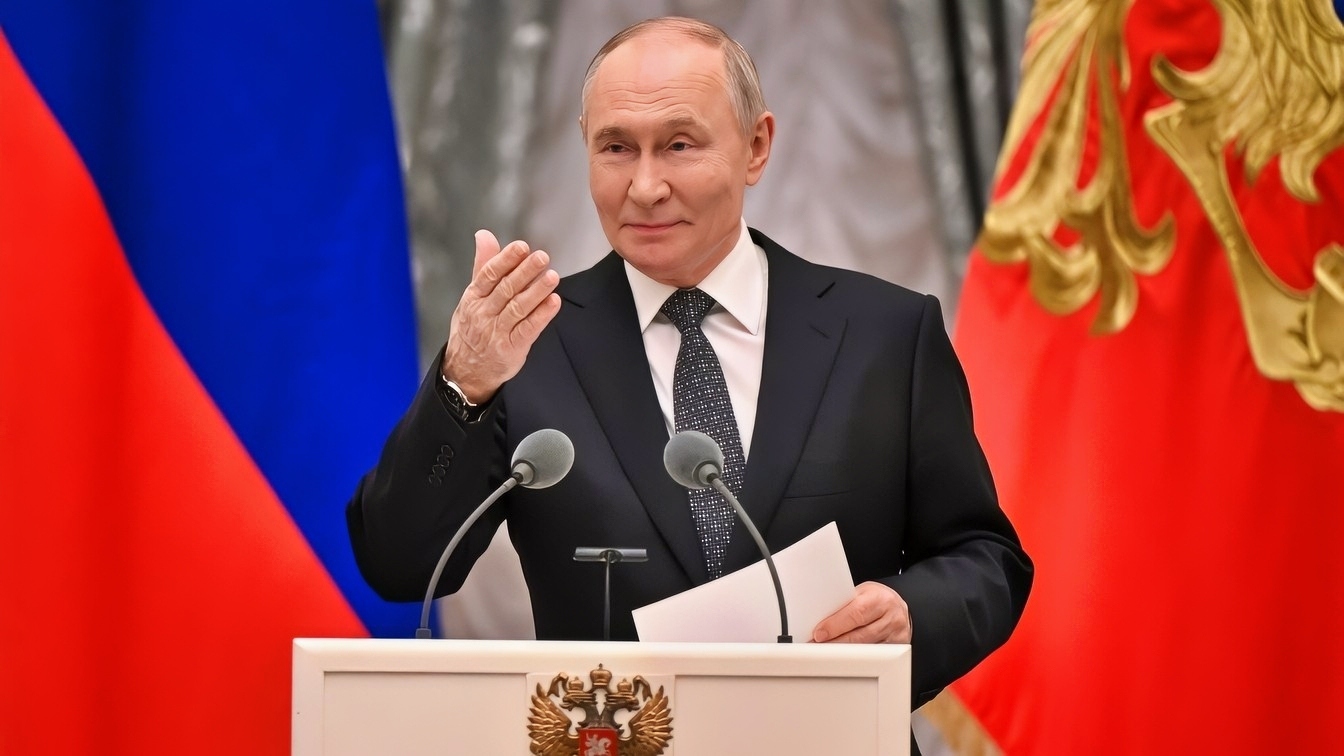
Putin in June 2026 Creative Commons Photo
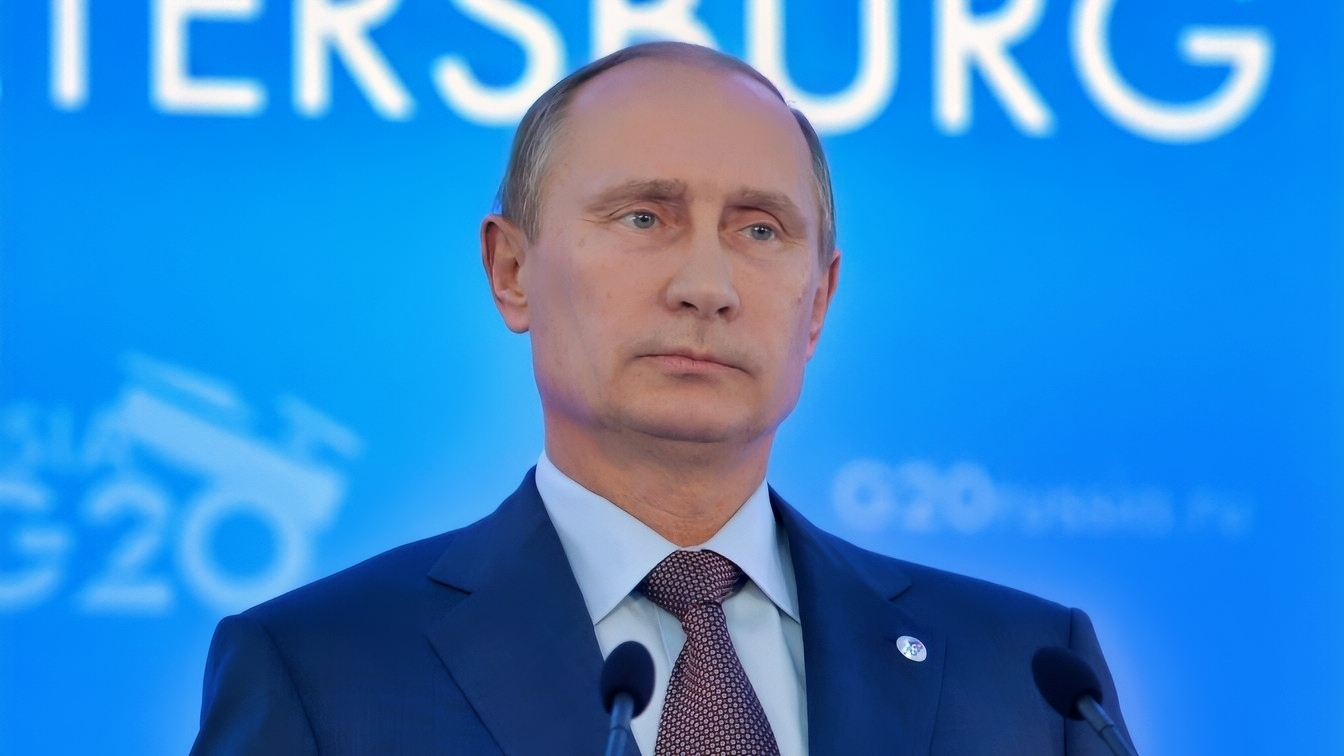
Putin Back in 2012 Creative Commons Image
The Ukrainian Ministry of Defense has since cited this. Western intelligence sources, however, suggest that Russia also suffered record numbers of deaths when compared to previous months.
With Vladimir Putin’s military under increasing pressure as the war moves into its fifth winter, Russia has increased reliance on missile and drone strikes, as its ground forces struggle to gain ground.
Russia Suffered Highest Number of Battle Losses Since 2022 Invasion
“In just one month, Russia lost 54,400 troops killed or badly wounded,” Zelenskyy said in a November 1 statement.
Zelenskyy also stated that Russia’s losses hit a new record of 2,250 people per day on October 21. The estimate climbed to 2,500 on November 1.
Ukraine’s Ministry of Defense said estimated losses increased from 46,230 in September to 54,400.
Zelenskyy said Ukrainian forces were holding positions, liberating territory, and “making every day of the war as costly as possible for the aggressor.”
Bloomberg reported that “the proportion of Russian soldiers killed was also at a record high,” citing Western intelligence sources and European government reports.
These figures cannot be independently verified.
Moscow Losing Ground
The figures are particularly significant as they have come amid Russia losing ground.
The Institute for the Study of War (ISW) said in its November 1 report that Russia had “lost ground on the battlefield in October 2026.”
ISW said that Russian forces gained or held ground on just 139.85 square kilometers during the month. However, they lost 167.14 square kilometers.
A report from the Ukrainian Ministry of Defense claimed Ukrainian forces liberated 96.2 square kilometers of land in October, which was 10.4 square kilometers more than Russia gained.
The figures are not directly comparable as they are tracked differently.
The ISW also reported that Russia lost territory in most areas of the front line, including Donetsk Oblast, which is one of Russia’s key strategic targets.
They did gain ground in some areas of Sumy and Zaporizhzhia but struggled elsewhere.
In the Donbas region, Ukraine’s Third Army Corps launched Operation Vivaldi north of Sloviansk.
On October 14, Brigadier General Andrii Biletskyi said Ukrainian forces had liberated 16 settlements and 277 square kilometers of land.
“The Kremlin’s plan to seize the Donetsk and Luhansk regions will not be implemented in the foreseeable future,” Biletskyi said.
The ISW reported that Russia’s attempts to establish an encirclement of Ukraine’s eastern defense stronghold have been hindered by Operation Vivaldi.
Recruitment Issues Remain
The ISW also said that Russia’s current recruitment process “continues to recruit fewer soldiers than needed to replace these losses.”
Ukrainian intelligence has previously warned that Russia is struggling to recruit enough soldiers. In September, the ISW said Ukrainian intelligence reported Russia was only able to recruit around 1,000-1,200 people each day.
However, Russia has been suffering average casualties of around 1,374 per day since July.
This makes it harder to continue its offensive without further mobilization.
So far, the Kremlin has focused on paying soldiers to join the army but has aimed to avoid a politically controversial mass mobilization, like that of September 2022.
“The momentum in Russia’s battlefields in Ukraine is likely going to remain low throughout 2026,” Alex Kokcharov told Bloomberg Intelligence.
This is all despite Russia stepping up its own aerial assault.
Putin Using Winter Attacks as Peace Talks Near
The United Nations Human Rights Monitoring Mission in Ukraine confirmed that at least 328 civilians died and 2,105 were injured in September.
Head of mission Danielle Bell said: “The first two weeks of October were among the deadliest periods for civilians in years.”
Erik Møse, chair of the U.N. Commission of Inquiry on Ukraine, said: “The attacks have intensified once again, raising serious concerns about the threats to civilians’ lives and health.”
Last month, the commission concluded that Russia’s targeted attacks on Ukrainian energy infrastructure were war crimes and crimes against humanity.
The ISW has said that Putin’s tactics are increasingly relying on long-range attacks to make living impossible for civilians and weaken the Ukrainian economy.
Diplomacy is also set to face a pivotal moment as Russia, Ukraine and the United States are expected to meet for trilateral talks in Abu Dhabi on November 10 and 11.
A delegation led by Vladimir Medinsky, Putin’s aide, will represent Russia.
“We need to pressure Russia. We don’t see any signs on the ground, on the battlefield, regarding readiness from Russia for serious negotiations,” Ukrainian Foreign Minister Andrii Sybiha said on November 5.
About the Author: Georgia Gilholy
Georgia Gilholy is a journalist based in the United Kingdom who has been published in Newsweek, The Times of Israel, and the Spectator. Gilholy writes about international politics, culture, and education.


