

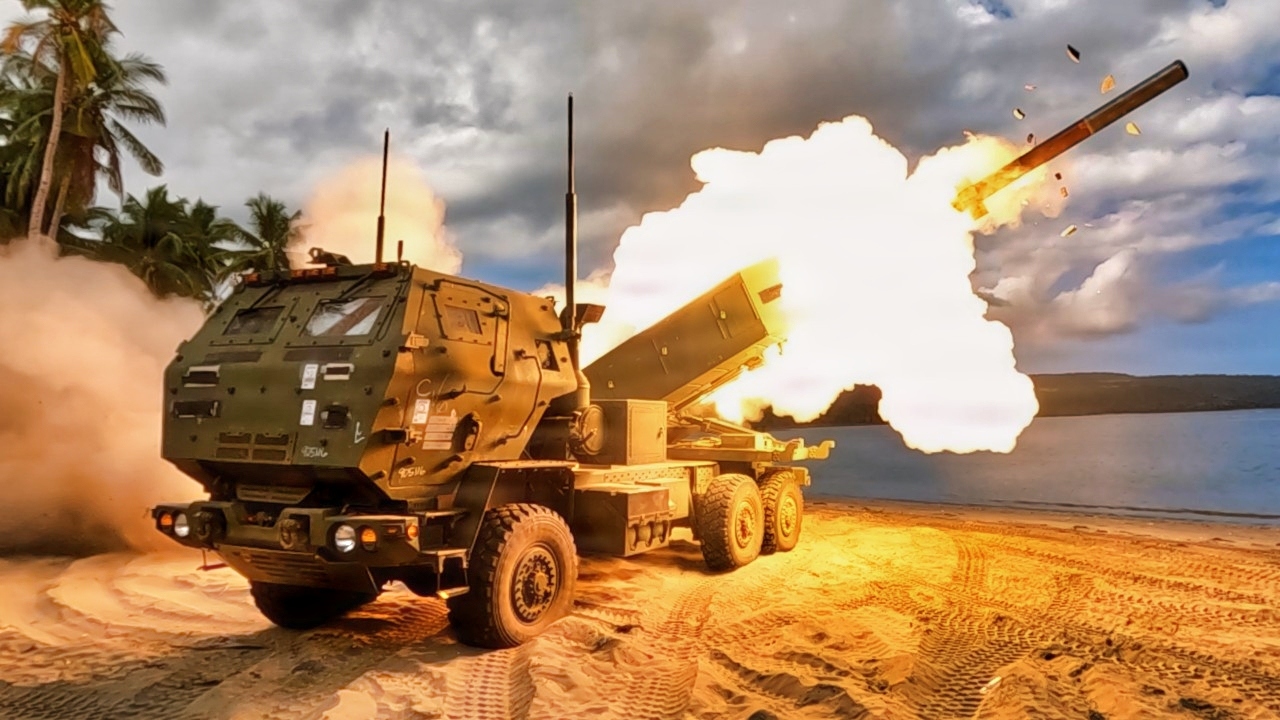
Russia’s second-largest oil refinery is burning again. Overnight on November 8-9, Ukrainian long-range drones slammed into the Kirishi Petroleum Organic Synthesis plant, better known as KINEF, in Russia’s Leningrad Oblast, setting it on fire.
The Kyiv Independent reported that the strikes triggered large explosions at a facility roughly 800 kilometers(about 500 miles) north of the Ukrainian border.
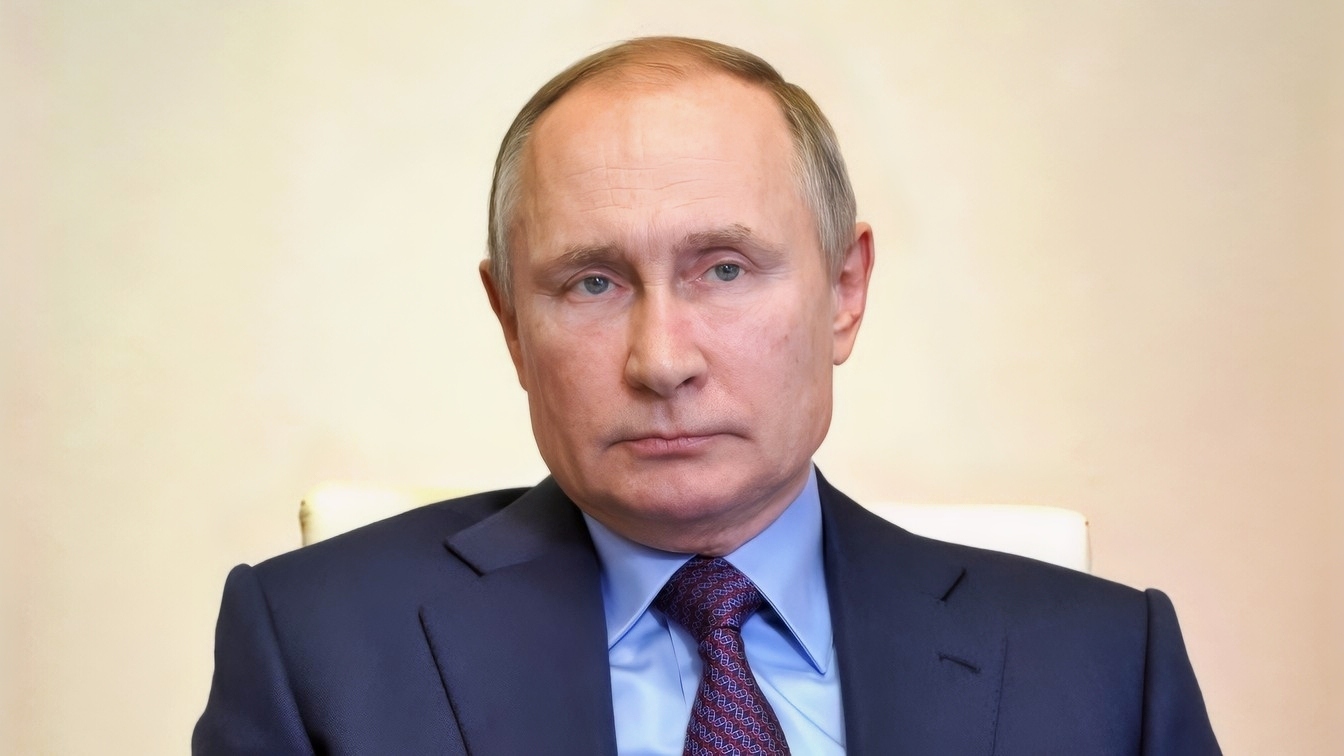
Putin in March 2022 Creative Commons Image
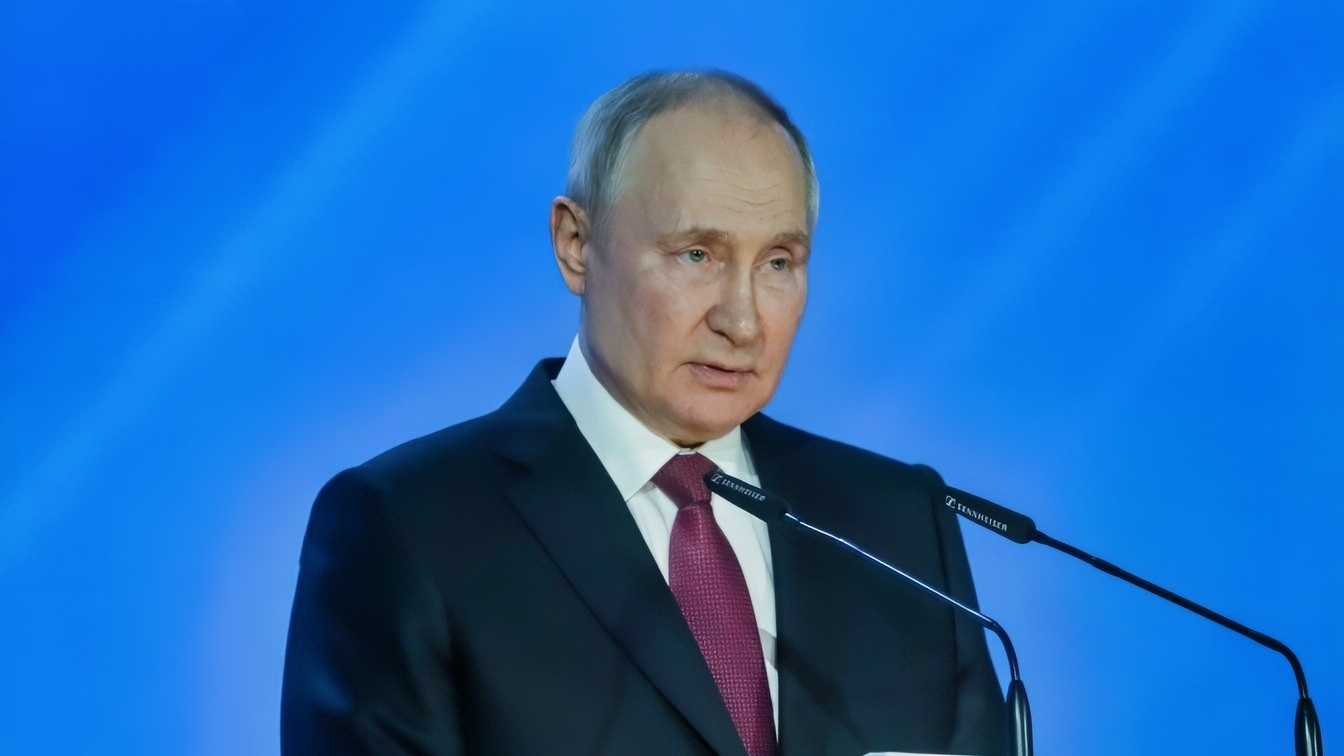
Putin March 2023 Image Credit Creative Commons
Eyewitness video showed huge fireballs lighting up the night sky, and NASA’s Fire Information for Resource Management System picked up multiple thermal hotspots at the plant.
Leningrad Governor Aleksandr Drozdenko claimed his air defenses shot down 113 Ukrainian drones over the region. However, he also admitted on Telegram that drones had impacted the industrial zone of Kirishi.
Those two statements are the reality of the war in Ukraine. You can shoot down 113 drones, but your refinery is still on fire, which translates into you didn’t shoot down enough of them.
Why Kirishi Matters
This isn’t some tank farm sitting a few miles from the border. KINEF, owned by Surgutneftegas, can process up to 21 million metric tons of crude oil a year.
It supplies gasoline, diesel, jet fuel, fuel oil, bitumen, and liquefied petroleum gas across northwestern Russia, including St. Petersburg and Pulkovo Airport.
The Kyiv Independent puts its output at more than 6 percent of Russia’s total refined product, including fuel that feeds the Russian military.
The plant is also under U.S. Treasury sanctions.
Resident videos verified by the independent Russian outlet Astra show at least two fires following several powerful explosions, one of them at a primary crude processing unit.
That’s the heart of the plant. Take out the crude distillation units, and everything downstream starves.
Ukraine knows this target well.
On May 5, drone strikes damaged three of its four crude distillation units and halted processing.
The drones came back on August 30, and the refinery again suspended all processing.
This is the third serious air attack this year.
Russia keeps rebuilding.
Ukraine keeps coming back.
The Ceasefire That Wasn’t
The timing is the real story here. In October, Ukraine paused its refinery campaign for nearly two weeks under pressure from President Trump to stop hitting Russian energy facilities.
However, senior Ukrainian officials told the Kyiv Independent that Kyiv never agreed to the energy ceasefire Trump announced unilaterally on October 31.
Moscow, meanwhile, paused nothing. Russia has ramped up its strikes on Ukraine’s power grid, causing widespread blackouts and water outages in Kyiv and killing civilians.
On the same night Kirishi burned, Ukraine’s Air Force said Russia launched 317 long-range attack drones at Ukraine, 105 of them jet-powered.
So the energy ceasefire was a one-way street.
Say what you will about the diplomacy involved.
No government can ask its people to sit through another winter in the dark while the enemy’s refineries keep operating with impunity.
Since Kyiv resumed strikes on October 30, the pace has been relentless. Drones hit Rosneft’s Novokuybyshevsk refinery on Oct. 30, Bashneft’s Novoil refinery in Ufa the next day, and Lukoil’s NORSI refinery on Nov. 1.
Then came Transneft’s Samara pumping station, the Yaroslavl refinery, Ryazan, Afipsky, and Saratov. Kirishi makes it nine major energy targets in 11 days. The Kyiv Post tallies 15 Russian refineries knocked out and more than $23.2 billion in damage.
A Missile Fuel Plant Was Targeted Too
Kirishi wasn’t the only target that night. Ukraine’s General Staff said it also struck the Morozov plant near St. Petersburg, a Rostec facility that produces solid rocket propellant for Iskander ballistic missiles.
That plant may matter more over the long haul. Ukraine is facing a worsening shortage of Patriot interceptors, the only thing in its inventory that reliably stops an Iskander.
Every Iskander that never gets built is one that never needs a $4 million interceptor fired at it. Hitting the propellant at the source is Ukraine’s cheapest air defense.
Russians Are Feeling It At The Pump
The bill for the Russian citizens is coming due at the gas station. Hours after the Kirishi strike, Kommersant reported that Rosneft is limiting customers in Siberia’s Krasnoyarsk Krai to 30 liters of AI-95, 50 liters of AI-92, and 100 liters of diesel.
No filling canisters. Current Time reported, similar caps in Karelia, Buryatia, Zabaykalsky Krai, and Novosibirsk Oblast.
Rationing has been spreading across Russian regions since June, when Ukraine stepped up its long-range campaign. Bloomberg reported in October that Rosneft is facing mounting financial trouble and the risk of long-term damage.
The effectiveness of the Ukrainian strikes against Russia’s oil and gas refineries speaks volumes. A country sitting on some of the planet’s largest oil reserves is rationing gasoline.
The Refineries Aren’t Destroyed And Can Be Repaired
None of this is a knockout punch. Refineries get repaired, and Russia has spare capacity elsewhere. KINEF came back after May, and again after the August strikes.
However, every repair cycle costs months and money, and much of the specialized equipment is Western-made and hard to source under sanctions.
Every week a plant sits idle is fuel that doesn’t reach the front, the export terminal, or a driver in Krasnoyarsk.
About the Author: Steve Balestrieri
Steve Balestrieri is a National Security Columnist. He served as a US Army Special Forces NCO and Warrant Officer. In addition to writing on defense, he covers the NFL for PatsFans.com and is a member of the Pro Football Writers of America (PFWA). His work was regularly featured in many military publications.


