

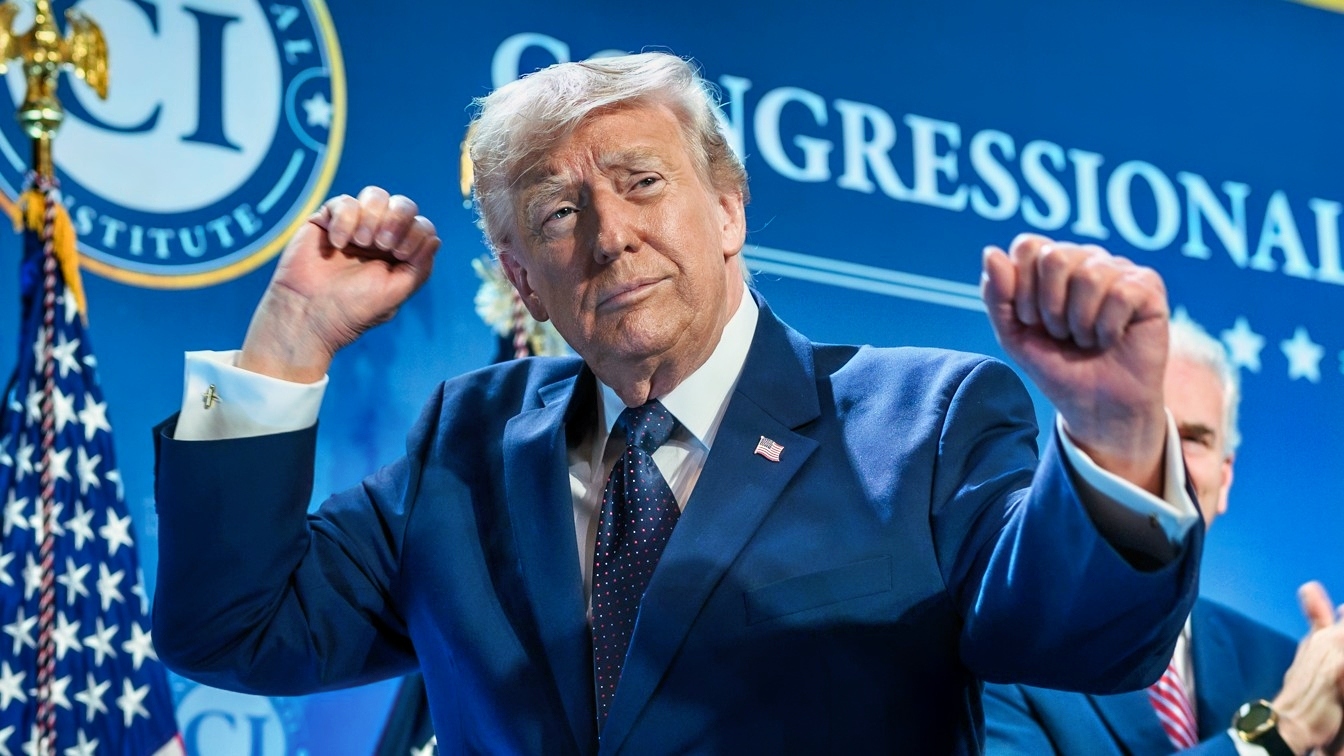
The trilateral talks between Russians, Ukrainians, and Americans resumed in Abu Dhabi on Wednesday, November 11. The US-mediated negotiations are the first direct talks between Moscow and Kyiv since February, following more than four years of warfare between the two sides.
No significant breakthroughs, or even real movement toward one, emerged. And that, of course, is a real problem for the Trump Administration.
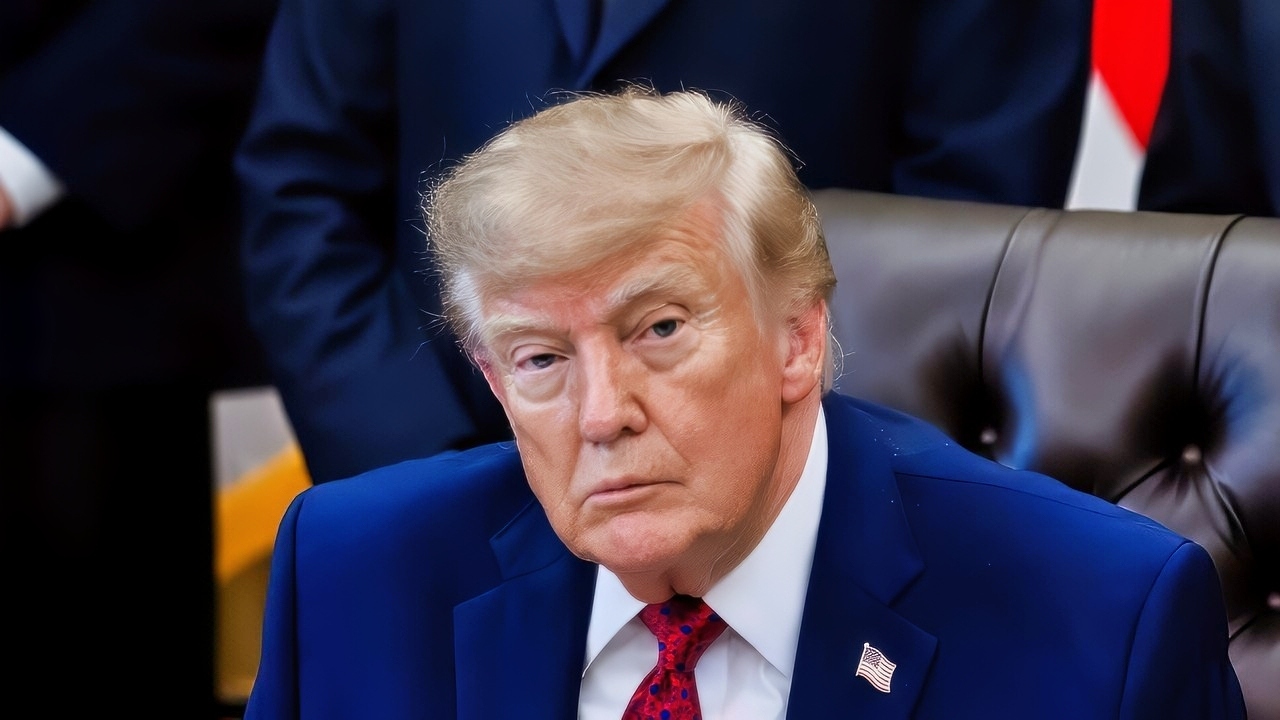
Donald Trump at Oval Office Event Creative Commons Photo
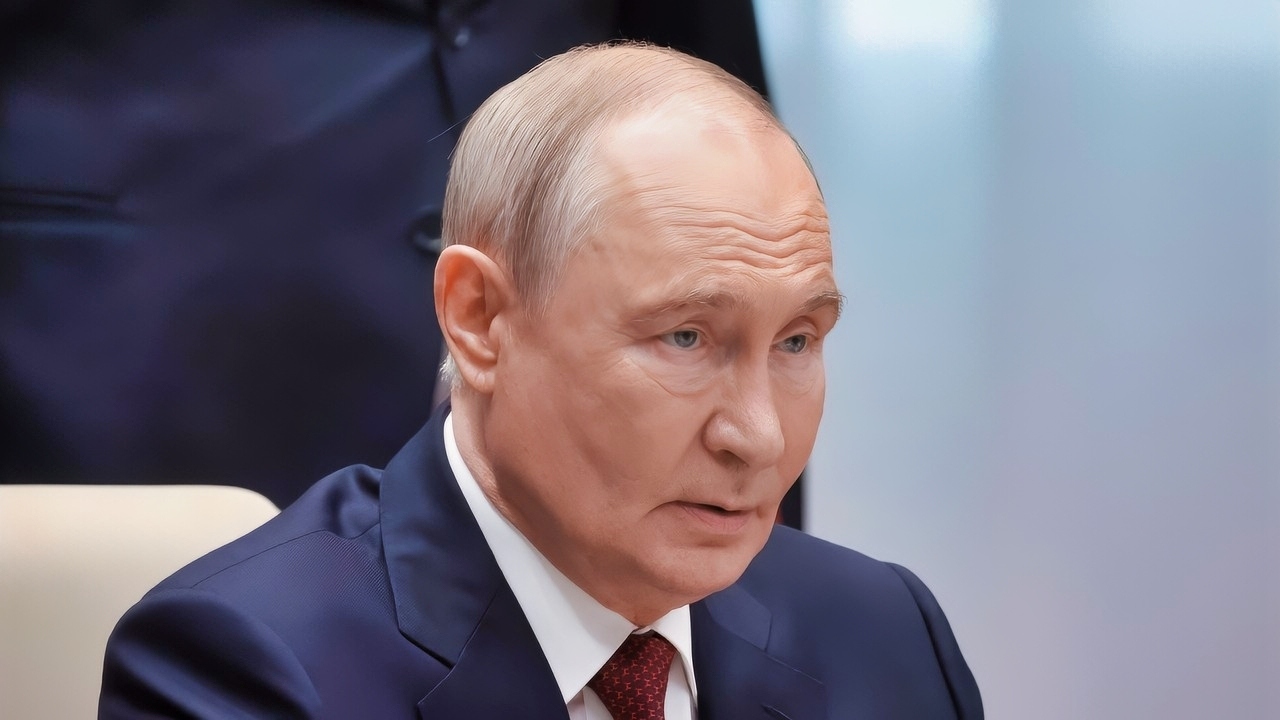
Putin at SCO summit. Creative Commons Photo.
Neither side is prepared to make territorial or security concessions, meaning there is no stasis for a comprehensive settlement.
US presidential special envoy Steve Witkoff led the US side, along with President Trump’s son-in-law, Jared Kushner; Rustem Umerov represented Ukraine; and Russian presidential aide Vladimir Medinsky led the Moscow team.
Neither Ukrainian President Volodymyr Zelensky nor Russian President Vladimir Putin attended the meeting.
Fighting While Talking
Russia has taken 20 percent of Ukraine’s territory in the east and Crimea.
The Putin government insists that Kyiv relinquish the entire Donbas region, including territory that the Russian military has not yet captured.
Zelensky has repeatedly rejected surrendering Ukrainian-controlled territory, arguing that doing so would undermine Ukraine’s sovereignty.
Of course, the longer the war lasts, the more fears abound that the Russians will drain Ukraine’s forces fighting at the front and break the Ukrainian resistance by continuing their attacks on critical Ukrainian infrastructure.
Ukraine has retaliated by targeting Russian energy and civilian infrastructure with long-range drones. These attacks have disrupted Russia.
However, there is little evidence that the attacks have had their intended effect of breaking Russia’s will to continue the fight.
On the contrary, these attacks seem to have prompted greater Russian resolve.
Russian authorities reported Ukrainian drone attacks having taken place during the negotiations, including an incident in the Smolensk region that reportedly killed two civilians.
The Russians also claimed their forces attacked a cargo vessel transporting weapons to Ukraine near Odesa.
Meanwhile, Ukrainian officials reported major Russian attacks on six major electrical substations across central Ukraine.
Ukraine insists on a ceasefire so negotiations can work. Russia refuses, believing that such a pause in fighting would merely allow the Ukrainians to regroup and rearm
Russia is also demanding that Ukraine abandon its intention to join NATO and accept neutral status (the agreement Russia made with the Americans at the end of the Cold War).
Moscow also wants security arrangements that would restrict the future expansion of Western military infrastructure near Russian territory. Kyiv, on the other hand, wants any settlement to include credible guarantees against another Russian invasion.
These positions remain fundamentally incompatible, notably over whether Ukraine can maintain independent military relationships with Western governments.
No Ceasefires
Russian Foreign Minister Sergei Lavrov wants to negotiate a comprehensive European security framework before addressing the specific terms of ending the Ukrainian conflict.
That would turn the negotiations to end the Ukraine War into a broader post-war security architecture. The Europeans have outright rejected that.
And concerns are rising among European leaders about what the Americans and Russians might agree to without European representatives present (they were excluded at Russia’s request).
Interestingly, Moscow’s entire strategy in the talks has been to deflect away from resolving the Ukraine War while negotiating European security without allowing the Europeans to have a say.
President Trump has repeatedly expressed confidence that a negotiated settlement is achievable, recently suggesting that the conflict could conclude through a comprehensive agreement incorporating European security guarantees.
The American optimism has not translated into significant concessions from Moscow or Kyiv.
A Prisoner Exchange
Washington also faces the challenge of convincing Ukraine to accept territorial concessions, while convincing Moscow that Russia cannot achieve greater territorial gains.
So far, the US has proven incapable of convincing either side.
However, the two warring sides agreed to a prisoner-of-war exchange. There have not been any breakthroughs on territorial concessions.
About the Author: Brandon J. Weichert
Brandon J. Weichert is the Senior National Security Editor at 19FortyFive.com. He also manages The Weichert Brief on Substack. Weichert is the co-host of The Mario Nawfal Show on Twitter/X. He is the author of four bestselling national security books, most recently A Disaster of Our Own Making: How the West Lost Ukraine (Encounter Books). His next book, Fortress Americas: A New Monroe Doctrine (Tucker Carlson Books), is due out December 8. Follow him via Twitter/X @WeTheBrandon.


