
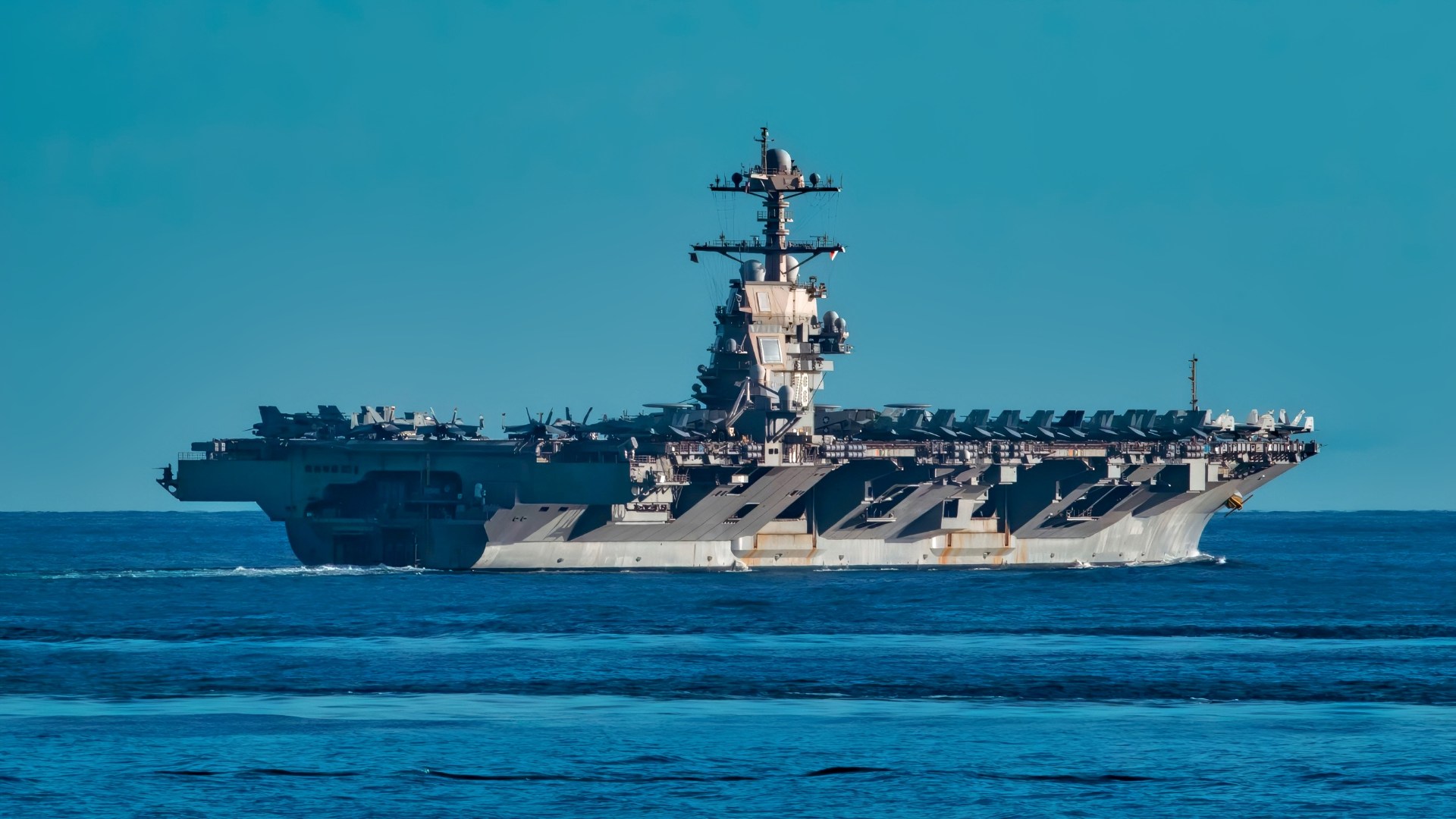
Rubio Explains Why Further Strikes on Iran Aren’t Necessary – U.S. Secretary of State Marco Rubio has confirmed that President Donald Trump is not planning to resume major military operations against Iran, arguing that the administration’s ongoing economic campaign is working as intended. The comments come as Washington escalates its sanctions campaign against Iran, announcing new restrictions on trade in and out of Tehran via land to supplement the ongoing naval blockade that has prevented Tehran from exporting oil.
Speaking to reporters in Paris on Tuesday, November 10, following two days of meetings with G7 foreign ministers, Rubio said that the Trump administration believes that sanctions and the blockade are inflicting greater economic harm on Iran with every passing day. The secretary of state also rejected suggestions that failing to launch new strikes against Iran means Washington and Tehran are at a “stalemate.”
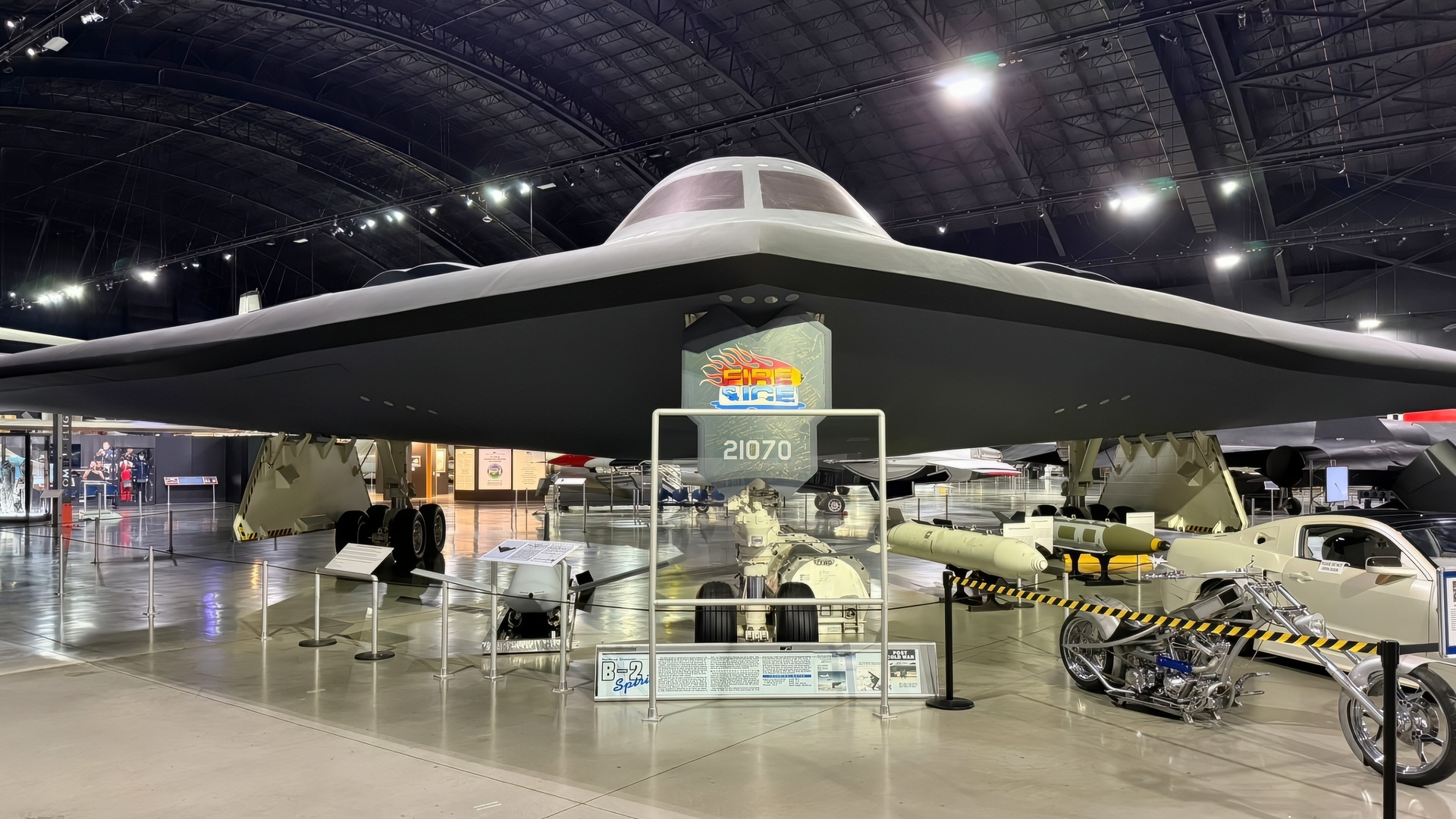
B-2A Spirit On Display. Image by Editor Harry J. Kazianis/National Security Journal.
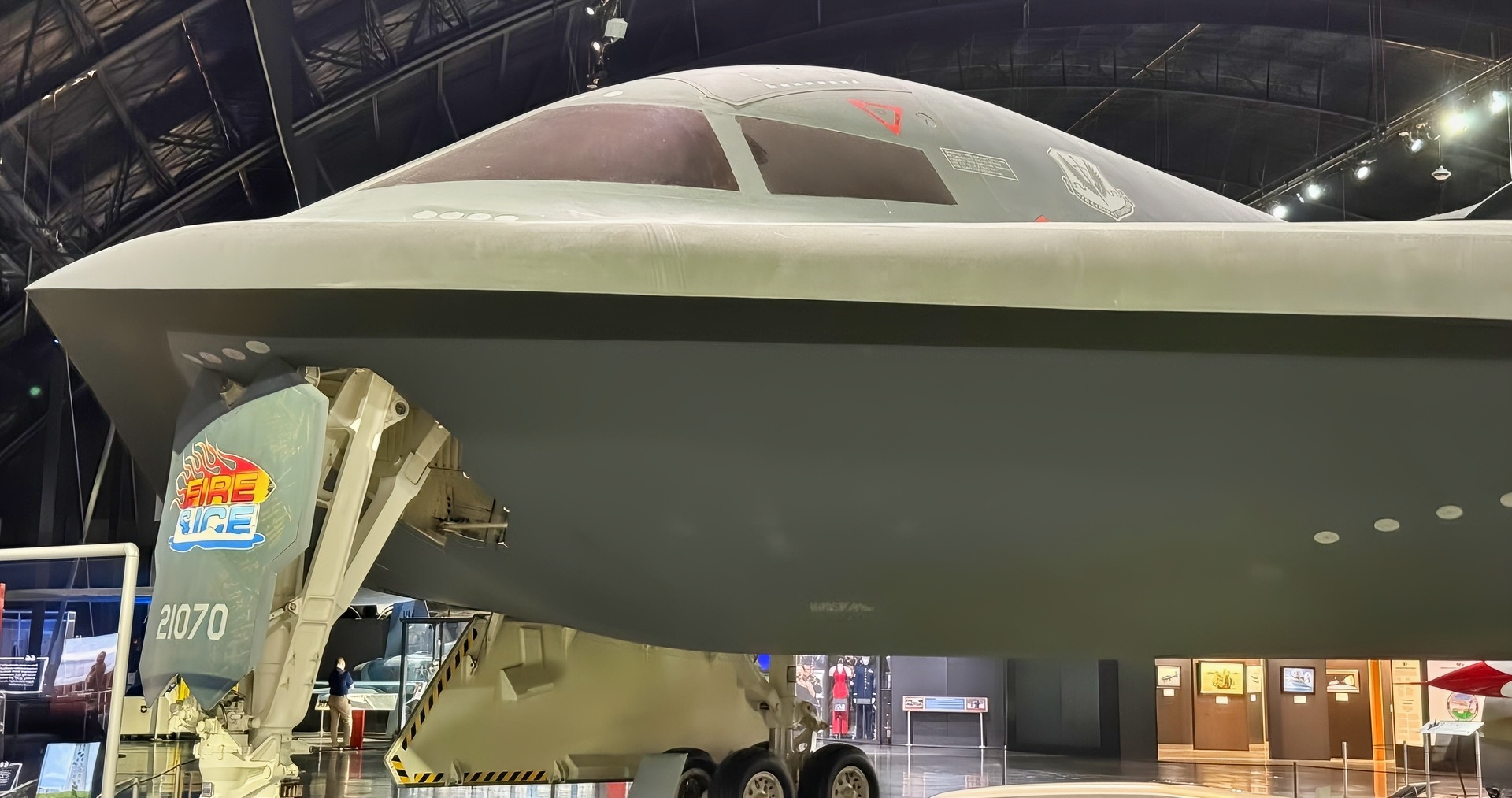
B-2A Spirit Stealth Bomber USAF Museum. Image Credit: Harry J. Kazianis/National Security Journal.
His comments also came a day after President Donald Trump announced himself in a Truth Social post that he would hold off on further attacks following discussions with Qatar and Middle Eastern allies who would prefer to keep the status quo.
What Rubio Said
Speaking during a press conference on Tuesday, Rubio insisted that Washington has no need ot resume large-scale military operations while its economic measures continue to undermine Iran’s ability to finance its government and military.
“The economic pain that is being inflicted on Iran right now is extraordinary, and it compounds. It’s growing every day,” Rubio said.
Rubio also reaffirmed that the decision to refrain from additional strikes came after meetings with regional allies in the Middle East, who had expressed concerns about the potential impact of such strikes.
“We don’t need to conduct military strikes if we’re achieving the same objective through economic means and economic pressure,” he said. “That’s not a stalemate.”
He also noted that Iran has never “faced the inability to sell energy in the global market like they are today.”
Per Axios, Rubio presented the Trump administration’s position to G7 allies as an alternative to either resuming the bombing campaign or accepting a negotiated agreement that Washington deems unacceptable. The strategy lets the United States maintain pressure on Tehran without committing to a new offensive, but it does require extensive, ongoing U.S. military operations in the region.
Trump Says the War Is Over
President Donald Trump has insisted for months that the war with Iran has already been won by the United States, and his position has not changed. Writing on Truth Social on Monday, November 9, the president said that he believes no additional military strikes are necessary but that the United States is prepared to take action if necessary.
“I had an excellent conversation with Sheik Mohammed bin Abdulrahman bin Jassim Al Thani, the Prime Minister of Qatar, wherein much was discussed with respect to the Islamic Republic of Iran. Most importantly, Qatar, Saudi Arabia, UAE, Bahrain, Kuwait, and others would prefer the status quo, in other words, a continuation of the Greatest Naval Blockade in History, and the new Operation Iron Gate,” he said, referring to the land-based blockade strategy announced in recent days.
He added that Middle Eastern allies have agreed that Iran should not be permitted to build or obtain a nuclear weapon.
“Should there be any change with respect to developments in the Middle East, the United States of America is ‘locked and loaded’ and ready to go,” he said, adding that he still believes such an eventuality is unlikely.
Team Trump Can’t Agree On What’s Next
The decision to avoid further military strikes is likely to be as controversial as launching new strikes, leaving the United States locked in a conflict with Iran and dedicating military resources to ensuring maritime traffic can continue moving through the Strait of Hormuz.
The newly appointed White House chief of staff Stephen Miller and Treasury Secretary Scott Bessent are on board with the plan to continue the economic pressure campaign. Vice President JD Vance, however, reportedly favors negotiating a peace agreement with Tehran instead.
Reports also suggest that Defense Secretary Pete Hegseth agrees with Israeli Prime Minister Benjamin Netanyahu that renewed military operations are the best option, believing that Iran cannot be trusted to honor a negotiated settlement.
These are big disagreements, and they are consequential. In the wake of the Republicans’ midterm losses on November 3, President Trump’s options have narrowed, too. The decision to refrain from conducting new military strikes against Iran could prove to be the most pragmatic option, not just because it avoids expending the remainder of the United States’ interceptor and missile stockpile, but because the Democrats are already reportedly exploring ways to prevent President Trump from securing the funding required to continue the war.
About the Author: Jack Buckby
Jack Buckby is a British researcher and analyst specializing in defense and national security, based in New York. His work focuses on military capability, procurement, and strategic competition, and he produces and edits analysis for policy and defense audiences. He brings extensive editorial experience, with a career output spanning over 1,000 articles at National Security Journal, and has previously authored books and papers on extremism and deradicalization.


