

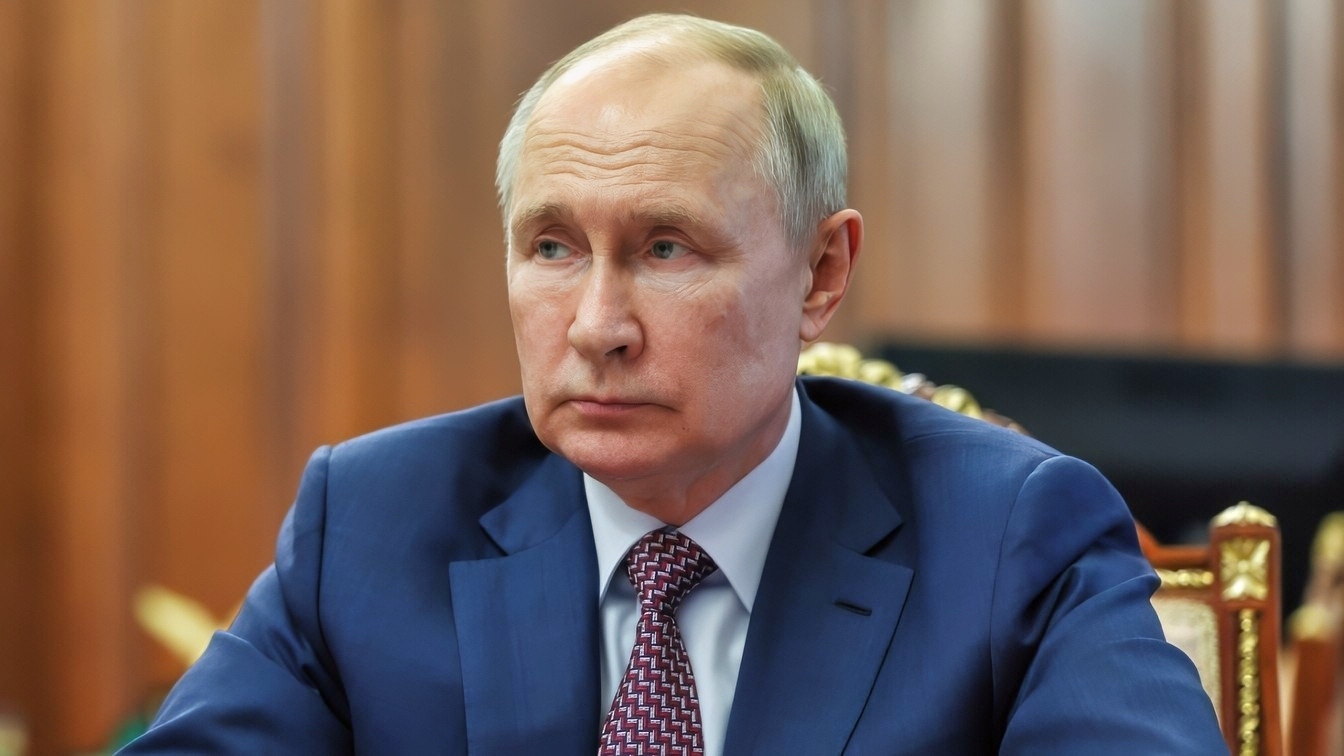
Russia has stepped up its strategic campaign to cripple Ukraine’s energy grid and civic infrastructure ahead of winter, using daily missile and drone strikes to leave civilians without electricity, heat, or water. For the fifth winter of this war, the Kremlin is turning the calendar into a weapon. As temperatures drop, Moscow has stepped up its missile and drone strikes on Ukraine’s power stations, substations, and gas infrastructure.
The goal hasn’t changed since 2022. Freeze the civilian population, break its will, and force Kyiv to the table on Russian terms.

Tu-95. Image Credit: Creative Commons.

Tu-95 Bomber Russian Air Force. Image Credit: Creative Commons.
However, this year there’s a document that lays it all out. The New York Times reported in October that Ukraine had intercepted a Russian plan, dated August and written in Russian, calling for up to 1,000 missiles, drones, and glide bombs to collapse the country’s energy system.
Energy Minister Denys Shmyhal showed it to European partners in Paris. The Times obtained a copy but could not independently authenticate it. Given what has happened since, the authenticity question is becoming academic.
The Plan On Paper
The document describes a three-stage campaign. Stage one hits substations near Ukraine’s western border, the ones that import electricity from Europe.
Stage two goes after hydroelectric plants. Stage three is the one that should make everyone in Europe sit up.
Russian missiles would target the electrical switchyards connecting Ukraine’s three operating nuclear plants to the grid, forcing them offline.
Those switchyards sit less than a mile from the reactors.
The city targets are Kyiv, Kharkiv, and Odesa.
The plan calls for cutting electricity there by 90 percent, slashing heat by up to 90 percent, and hitting pumping stations and wastewater plants with dozens of ballistic missiles and glide bombs.
Russia has never gone after water systems on that scale.
The overall target is nearly 15 gigawatts of generating capacity, which is roughly everything Ukraine had available at the end of the summer. Russian military planners reportedly believe a single month of strikes at that intensity would finish off the grid.
Shmyhal called it “cold, terrorist calculation.” That’s about right.
This Isn’t A Rumor Anymore, Not That It Ever Was
Whatever the document’s authenticity, the strikes are following the script.
On November 3, Russia launched a massive overnight barrage that Ukraine said included 289 drones and 59 cruise missiles.
DTEK, the country’s largest private energy company, had to halt generation at three thermal plants.
The Russian Defense Ministry openly claimed the hits on electricity facilities in the Vinnytsia, Dnipropetrovsk, and Kharkiv regions, saying they powered military factories.

MiG-31 Russian Air Force. Image Credit: Creative Commons.
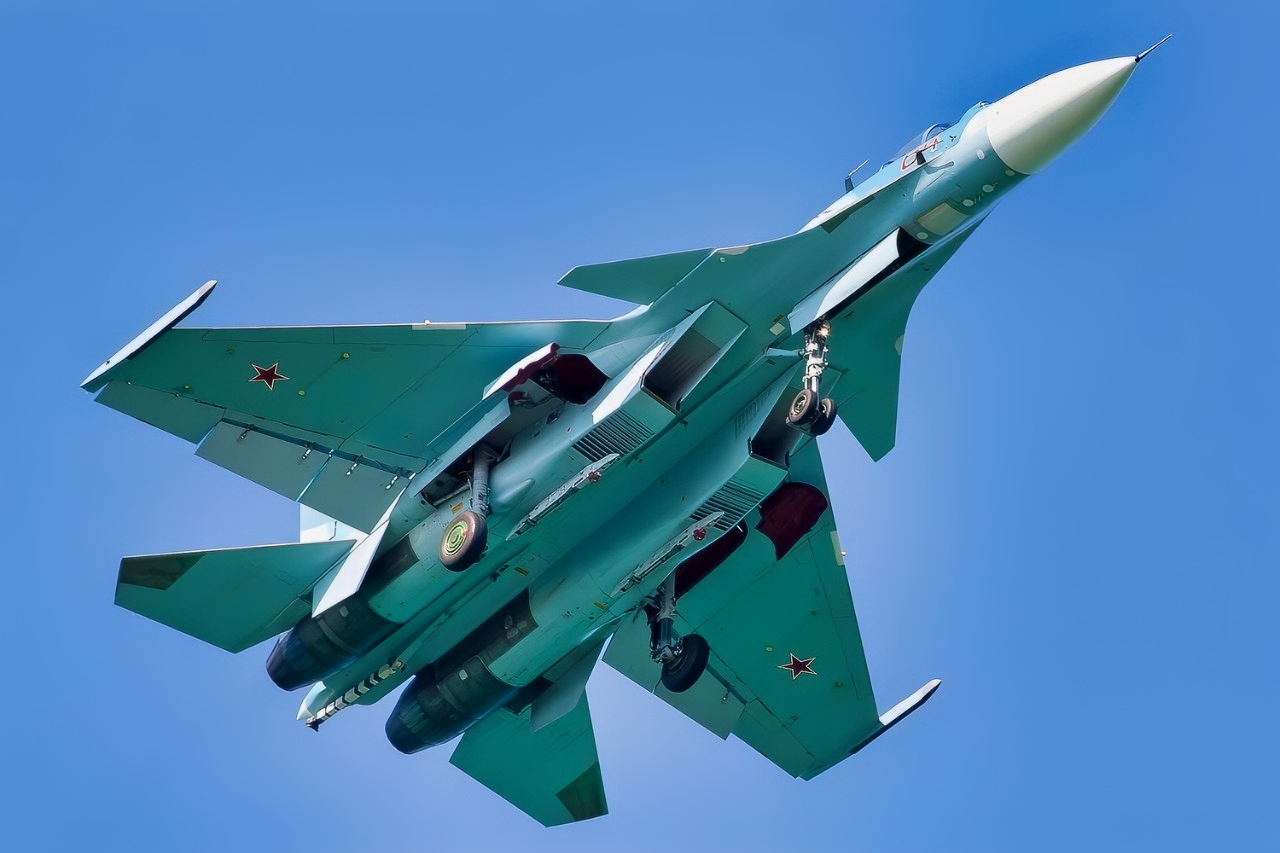
Su-33 Flanker from Russia. Image Credit: Creative Commons.
A week later, Russian forces struck 10 regions overnight, targeting five major substations, killing two people, and knocking out power in Kyiv, Kharkiv, and Dnipropetrovsk.
That happened as talks opened in Abu Dhabi, showing how seriously Moscow takes the negotiating table. On November 13, high-voltage substations in nine regions were hit, and Ukrenergo, the state grid operator, scheduled all-day blackouts in parts of the country.
The numbers for a single week in early November are staggering.
Russia fired 115 missiles, nearly 1,900 guided bombs, and more than 3,000 drones, according to Euromaidan Press.
One night’s strikes cut power to more than 600,000 customers in Dnipropetrovsk Oblast alone.
Ukrenergo published photos of one substation where a single strike left a crater the size of a house.
One strike. A house-sized hole.
Why This Winter Is Different
Russia has tried this every year since 2022, with mixed results. In that first winter, Moscow went after the entire national grid, and Ukrainian engineers kept rerouting power around the damage.
However, three things have changed.
First, Russia now has deeper stocks of ballistic missiles and jet-powered Shahed variants that are far harder to intercept than the lawnmower-engine drones of 2022.
Second, Ukraine’s air defenses are stretched thin, partly due to cuts in American aid.
Patriot interceptors don’t grow on trees, and every one spent on a cruise missile is one less available for the next ballistic threat. Third, the grid itself is worn out.
Olena Pavlenko of the DiXi Group compared getting through another winter to running a marathon with one lung.
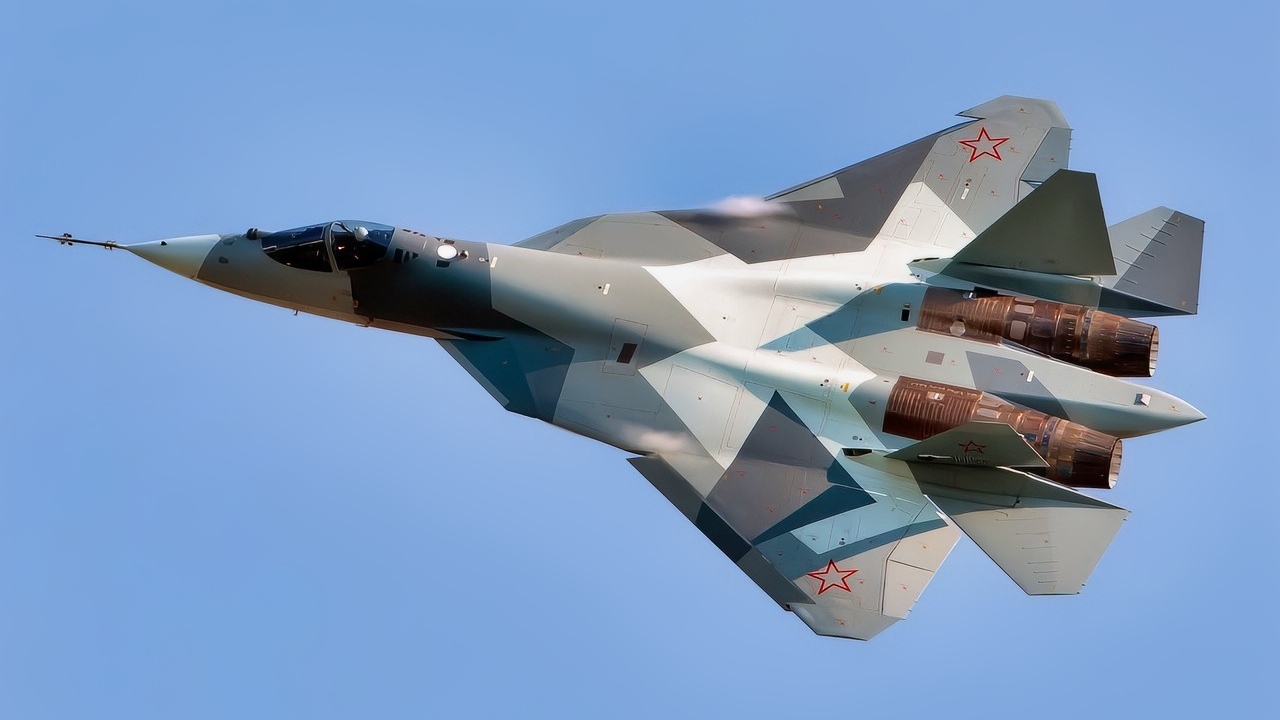
Su-57 Felon Fighter from Russia. Image Credit: Creative Commons.
Ukrainian crews have built protective structures over critical substations, spending hundreds of millions of dollars on repairs and on smaller, dispersed gas turbine plants that are harder to hit.
Ukraine restored about 5 gigawatts of capacity in recent months. However, analysts warn a handful of well-placed attacks could erase those gains.
Ukrenergo says repeat strikes are the biggest danger, wrecking equipment before crews can finish the fix.
The Russians Are Targeting Everything That Runs On Electricity
The Russian military is targeting everything that runs rail lines, factories, and command networks.
Knock out the grid, and you degrade the war effort.
The plan’s list of targets includes water pumps, sewage systems, and heat for three of Ukraine’s largest cities. That’s grandmothers in Soviet-era apartment blocks in January.
In October, the UN’s Independent International Commission of Inquiry on Ukraine concluded that Russia’s systematic attacks on Ukraine’s energy infrastructure amount to crimes against humanity, citing the harm that prolonged cold and lack of utilities do to civilians’ physical and mental health.
The Russians are targeting civilian infrastructure to weaken Ukrainian resolve. Leaving Kharkiv without heat or running water is part of that.

Su-34 Fullback from Russia. Image Credit: Creative Commons.
Vladimir Putin has said publicly that his forces will wage this winter campaign, framing it as payback for Ukrainian drone strikes on Russian refineries.
At least he’s honest about it.
What Comes Next
So can Ukraine get through it? Probably, but at a steep price.
The country had about 15 gigawatts available in August and hoped to reach more than 21 by year’s end, against last year’s peak winter demand of roughly 18.
That cushion evaporates fast under a thousand-weapon campaign.
More interceptors, more mobile generation, and more electricity imports from Europe are the only real answers, and all three depend on the West moving faster than it usually does.
About the Author: Steve Balestrieri
Steve Balestrieri is a National Security Columnist. He served as a US Army Special Forces NCO and Warrant Officer. In addition to writing on defense, he covers the NFL for PatsFans.com and is a member of the Pro Football Writers of America (PFWA). His work was regularly featured in many military publications.


