

On March 1, the day after the ongoing war with Iran began, a Shahed kamikaze attack drone struck an American military logistics center in Kuwait.
The impact killed six American service members and wounded more than two dozen others, making it one of the deadliest attacks against the U.S. in the entire war.

Shahed Drone from Ukraine. Image Credit: Creative Commons.
The Shahed one-way attack drone is one of Iran’s main strike munitions.
The drone was supplied in large quantities to the Russians, who have since manufactured their own variant, the Geran-2, which has been widely used against Ukraine.
However, after years of fighting, Ukraine has found reliable methods of dealing with “Shahed-type” drones and has developed low-cost interceptors to counter the Iranian drones.
Before the war, the Pentagon knew about this technology but ignored suggestions from senior officers advocating for the widespread implementation of Ukrainian interceptors.
Failing to Learn From Ukraine
The alarm bell was first rung by senior officers within the U.S. military, who were concerned about the threat posed by Iranian Shahed drones.
According to The Atlantic, the officials recommended acquiring technology from Ukraine, which has been using low-cost interceptors to counter Russian-made Shahed drones since 2025.
However, the Pentagon ignored these warnings, and several officers who tried to raise the alarm were either fired or forced into early retirement. “Make no mistake: The U.S. military has the best offensive and defensive capabilities of any nation on Earth, and we always protect our bases and our people,” said Pentagon spokesperson Sean Parnell.
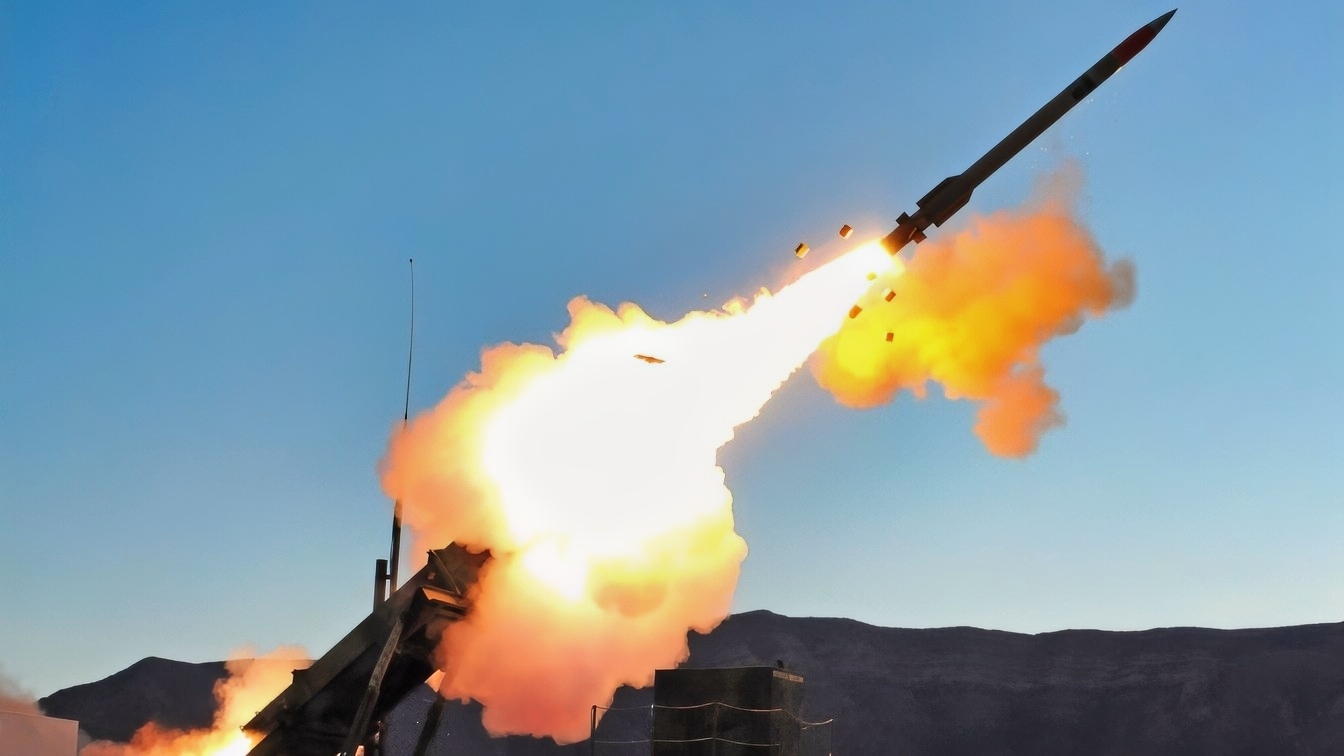
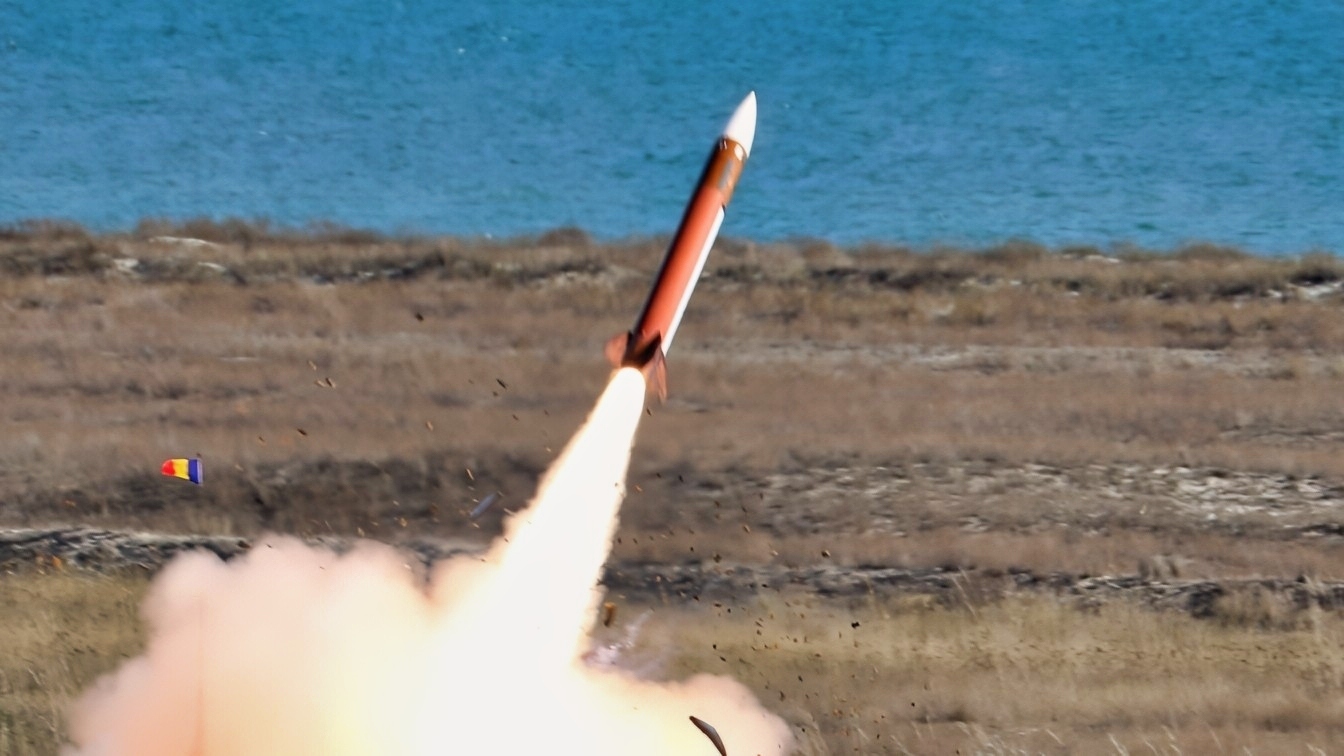
The Army test fires a Patriot missile in a recent test. The Patriot missile system is a ground-based, mobile missile defense interceptor deployed by the United States to detect, track and engage unmanned aerial vehicles, cruise missiles, and short-range and tactical ballistic missiles. Patriot, along with other missile defense systems, are included in the Army Air and Missile Defense 2028, which provides the Army’s overarching vision for the AMD force, describes how the AMD force is postured to support the Army and joint forces, and articulates what must be accomplished to achieve the 2028 desired end state of preventing and defeating adversary air and missile attacks through a combination of deterrence, active and passive defense, and support to attack operations. (U.S. Army photo)
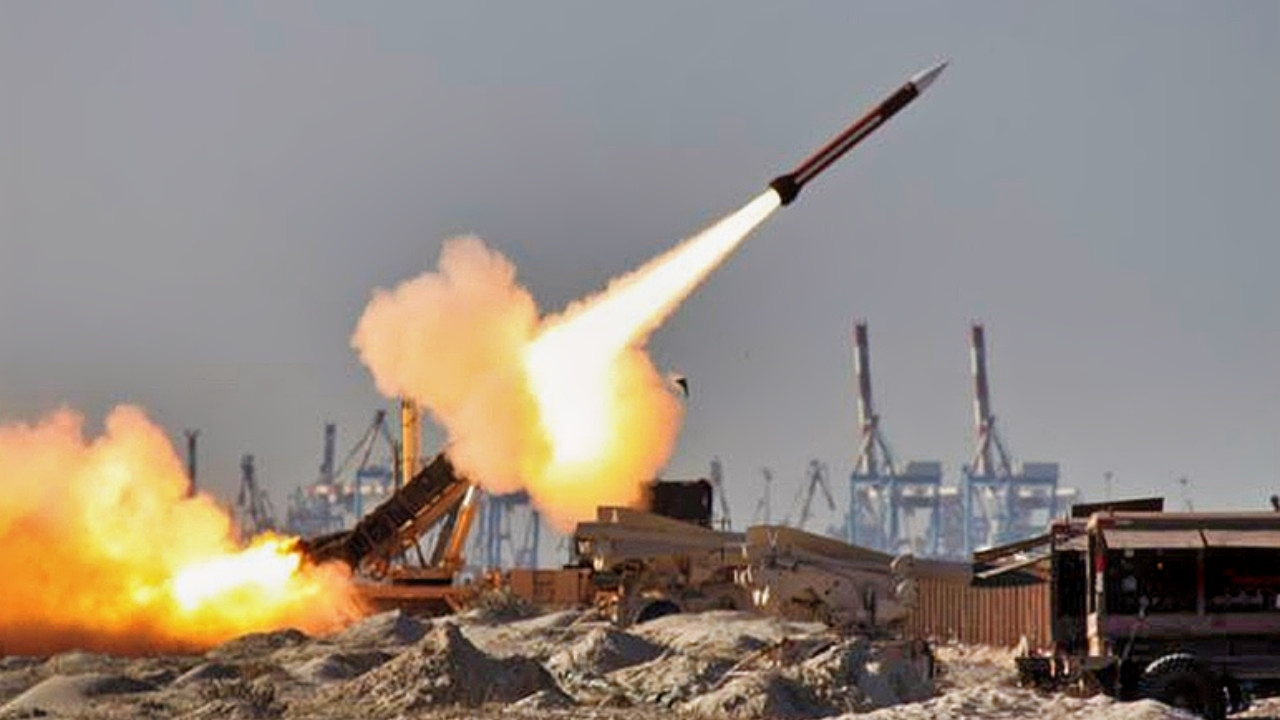
Patriot Missile Interceptor Test. Image Credit: Creative Commons.
The warnings were based on lessons drawn from the ongoing war in Ukraine.
Russia first acquired Iranian drones in 2022 and still uses them extensively in its war against Ukraine.
At first, the Ukrainians struggled to reliably intercept these cheap one-way attack drones, relying on mobile fire groups armed with machine guns and searchlights.
Over time, however, Kyiv has improved its defenses against Russia’s Geran-2 drones. In 2025, Ukrainians began fielding new interceptor drones developed by Skyfall.
These interceptors are cheap, easy to manufacture, and incredibly effective at intercepting Shahed drones.
Last autumn, U.S. Army officers stationed in Germany began training with these interceptors and asked the Ukrainians for a report on the new technology.
The Army’s European Command (EUCOM) began deploying the interceptors at bases across Europe, particularly those closest to Russia, urging officers in other regions, especially the Middle East, to do the same.
Entering With False Assumptions
Later, U.S. officers stationed in Wiesbaden compiled a second report on Ukrainian interceptors, which was cleared for public release and widely distributed.
The report detailed how EUCOM fielded Ukrainian interceptors and strongly encouraged commanders in other regions to do the same.
Officials in Wiesbaden knew a war with Iran was in the works but did not know exactly when it would begin.
They understood, however, that any conflict with Iran would involve Shahed drones, which the Islamic Republic has been mass-producing for years.
The second report was released on February 23, just five days before the war began.
General Chris Donahue spent his remaining months in the Army trying to distribute the Ukrainian-made interceptors to the Middle East before he was relieved of duty.
In retrospect, bolstering air defenses to prepare for large numbers of Shahed drones seems obvious. Iran has spent years producing kamikaze drones and storing them in its underground “missile cities,” away from Israeli and American airstrikes.
However, due to arrogance and politics, the Pentagon decided against stocking up on Ukrainian drone interceptors.
Part of this was likely motivated by experience during the 12-day war.
During this brief exchange, Iran launched hundreds of ballistic missiles and drones at Israeli and American installations, nearly all of which were intercepted.
This experience, along with the successful military operation in Venezuela earlier this year, likely inspired a false sense of confidence in the Pentagon, leading officials to believe that Iran’s offensive capabilities and leadership would crumble after a few weeks of intense military strikes.
The Consequences of Poor Planning
Unfortunately, Iran proved far more resilient than the U.S. had believed. Despite multiple devastating strikes during Operation Epic Fury, Iran’s offensive capabilities were never truly destroyed.
Iran was able to launch hundreds of drones and ballistic missiles at U.S. and allied installations across the region.
While there is no reliable data on how many drones managed to strike their targets, Iran’s Shahed attacks succeeded in draining American Patriot air defense munitions, which paved the way for Iranian ballistic missiles to inflict more damage on U.S. military bases.
Since the war began in February, multiple U.S. military installations in the Middle East have been evacuated due to the threat posed by Iranian ballistic missiles and drones.
It is unclear whether Ukrainian interceptor drones would have changed anything strategically.
While having cheaper defenses against Shahed drones would have certainly helped, the main threat from Iran lies in its stockpile of ballistic missiles.
Furthermore, Ukrainian interceptors cannot guarantee a 100% interception rate (to be fair, no defense system can), as seen in Russia’s current campaign against Ukrainian energy infrastructure, which still uses large numbers of Geran-2 drones.
However, Ukrainian drones would still have helped bolster American defenses in the Middle East and may have saved the lives of those lost on March 1.
About the Author: Isaac Seitz
Isaac Seitz, a Defense Columnist, graduated from Patrick Henry College’s Strategic Intelligence and National Security program. He has also studied Russian at Middlebury Language Schools and has worked as an intelligence Analyst in the private sector.


