

According to intelligence reports, Iran is “developing plans” to kill or injure senior American officials by detonating a chemical weapon or dirty bomb in Washington, D.C. The information, reported by CNN, adds an important caveat: while the threat is not believed to be imminent, Iran would seemingly not hesitate to detonate such a weapon should it have the opportunity to do so.
A dirty bomb includes radioactive material, but uses conventional explosives to blanket nearby areas with radioactive fallout and does not produce a nuclear explosion — but not all officials within the current administration seem to be worried about the plot, however.
Donald Trump Warns Iran In Plain Terms
When reporters asked directly whether he was concerned about the potential threat to the American capital city, Secretary of State Marco Rubio did not mince words, saying he was “not” worried. “I don’t think there is any imminent threat to Washington, D.C.,” he added, saying that America is “always on the lookout for anything that’s a threat to the safety and security of the United States.”
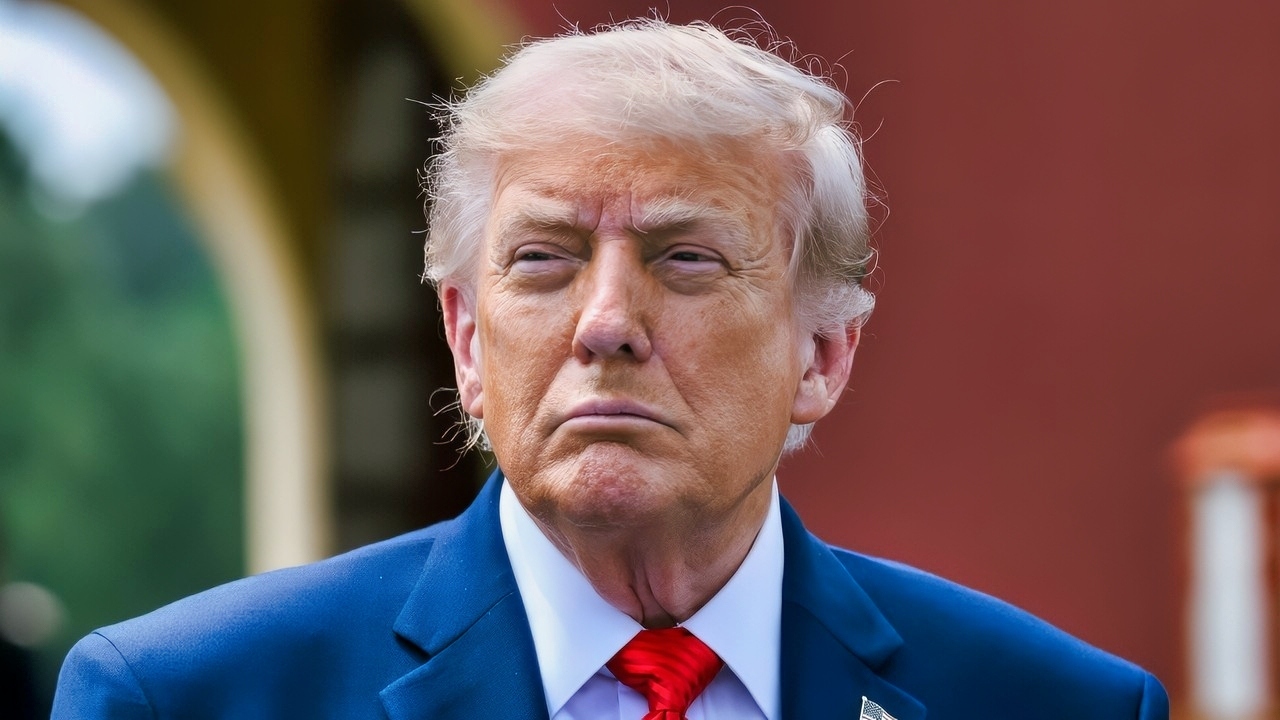
American President Donald Trump was a shade more equivocal. Speaking to reporters in the Philippines, he explained that “We’re looking into it.” But he added, “Well, if there is, they will pay a price the likes of which no country has ever paid before”
Strikes on Kuwait, Bahrain
Early on Wednesday, Iran launched attacks against both Kuwait and Bahrain, while continuing to target ships attempting to transit the Strait of Hormuz.
Iran said that it targeted Kuwait’s Ali Al Salem Air Base, which hosts an American military presence there, and Kuwaiti authorities explained that a group of drones from Iran had targeted their country.
The incident marked the first time in more than two months that Iran targeted Kuwait, the small oil-rich country sandwiched between Iraq and Saudi Arabia.
Bahrain also sounded its air-raid sirens twice and fired air-defense salvoes at incoming munitions, though details on the composition of the incoming attack were scant.
Both countries have come under repeated attack from Iran since the United States and Israel jointly launched the opening shots of Operation Epic Fury. This operation opened the ongoing war in Iran.
Some of the countries that Iran targeted earlier this spring and summer have not come under Iranian fire since April, including Saudi Arabia and the United Arab Emirates.
However, the Saudis have parried multiple offensive thrusts from the Houthis, the rebel group vying for control over Yemen and backed by Iran.
Earlier this week, American forces launched strikes against Iran’s Qeshm Island in the Strait of Hormuz, strikes that presumably targeted Iran’s ability to fire on shipping in and around the Strait of Hormuz. On Monday, the USS Theodore Roosevelt, a Nimitz-class, nuclear-powered aircraft carrier, entered U.S. Central Command’s area of responsibility.
That carrier joins the USS George H.W. Bush and USS George Washington, bringing the number of aircraft carriers within Central Command’s area of responsibility to three—and representing a significant massing of American air and naval power.
The American president has signaled several times that Iran’s Natanz and Pickaxe Mountain, both fortified underground sites that house equipment and material related to Iran’s semi-clandestine nuclear program, could find themselves within America’s crosshairs.
A Land Blockade Too
While the ongoing United States Navy blockade bottles up Iran’s ports, the country’s last remaining sales of oil that left the country before the blockade are believed to have been sold. But Iran has other alternatives for goods and military equipment to enter the country.
The country’s land borders and Caspian Sea shoreline have become important lifelines for Tehran, allowing the flow of dual-use goods to flow from the outside world into Iran.
Arms, munitions, drone components, parts for missiles, and explosives are believed to have entered Iran from China and Russia, in particular via land routes.
Earlier this month, United States Central Command stood up Task Force Iron Gate, aimed at sealing the country’s borders. But the task force numbers only around 20 individuals and lacks the firepower to secure Iran’s borders effectively.
Doing so would require the buy-in and cooperation of the countries that share borders with Iran: Iraq, Turkey, Armenia, Azerbaijan, Turkmenistan, Afghanistan, and Pakistan. And not all those countries would be amicable to cooperation with Washington.
About the Author: Caleb Larson
Caleb Larson is an American multiformat journalist based in Berlin, Germany. His work covers the intersection of conflict and society, focusing on American foreign policy and European security. He has reported from Germany, Russia, and the United States. Most recently, he covered the war in Ukraine, reporting extensively on shifting battle lines in Donbas and writing about the war’s civilian and humanitarian toll. Previously, he worked as a Defense Reporter for POLITICO Europe. You can follow his latest work on X.


