

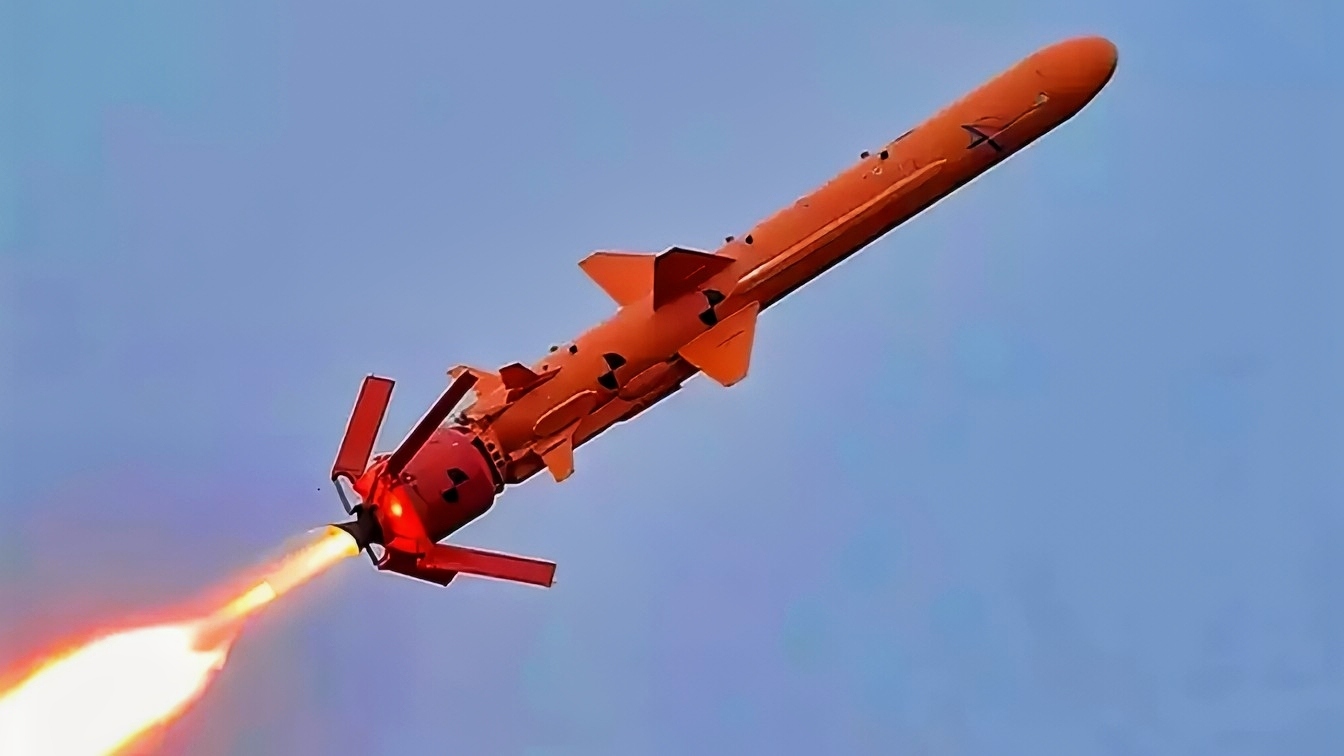
Earlier this week, a large-scale Ukrainian attack struck the Kerch Bridge, connecting occupied Crimea with Russia’s Krasnodar Krai.
The attack collapsed a significant portion of the bridge’s roadway; the chances of fully repairing it before the war ends are slim.
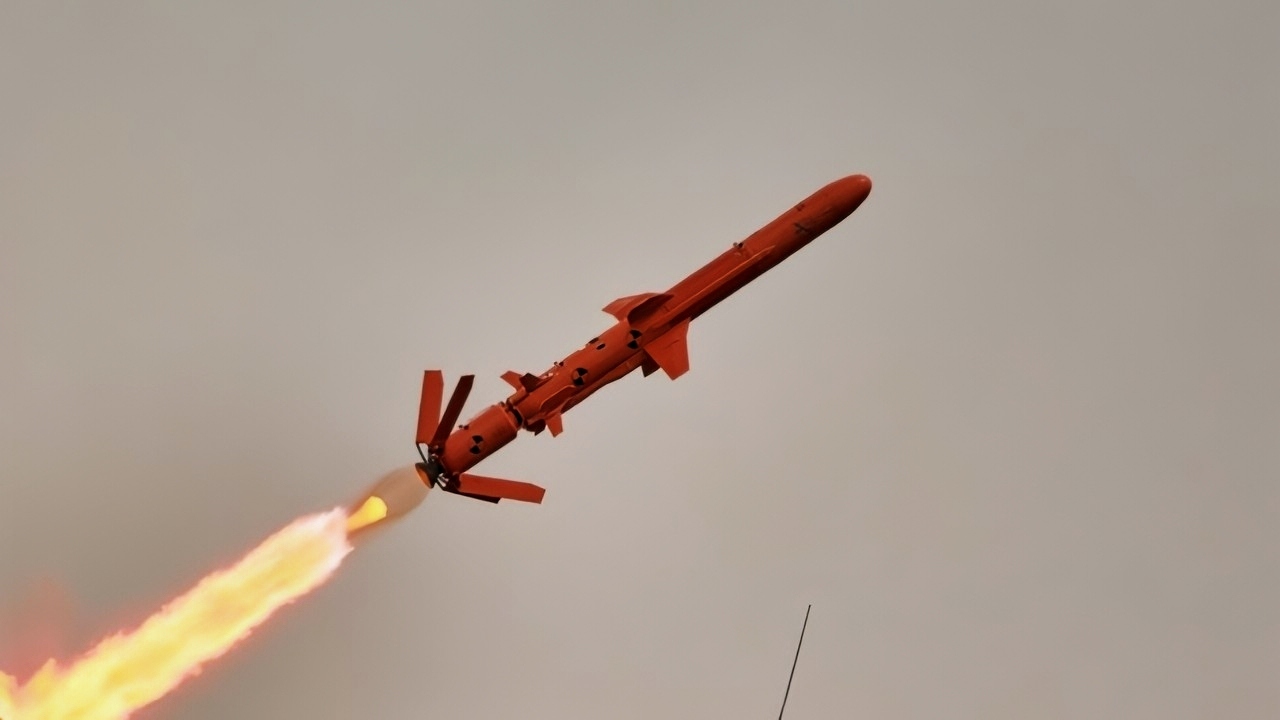
Neptune Missile from Ukraine Creative Commons Image
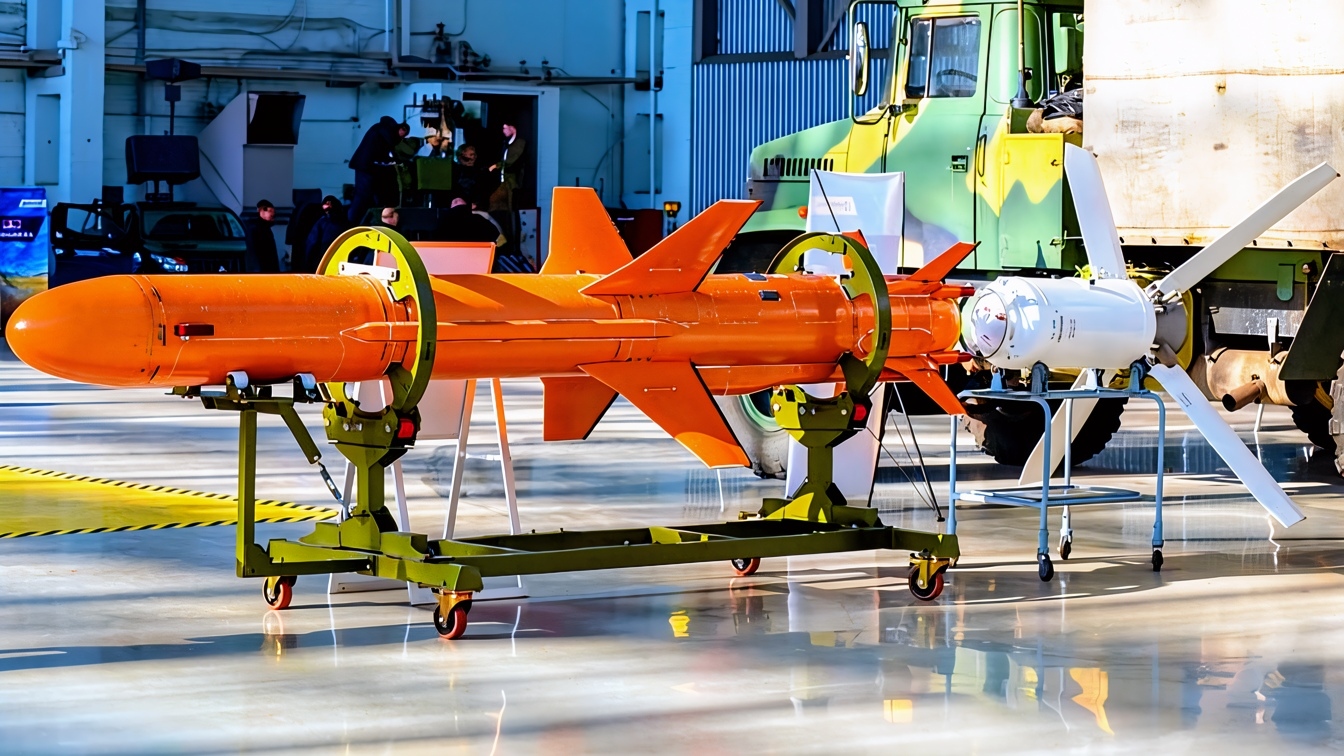
Neptune Cruise Missile Ukraine Government Photo
The Crimean Bridge holds immense symbolic value for Russia and is considered one of Putin’s crowning achievements during his tenure.
Although the bridge is less significant from a military standpoint, thanks to the land bridge through Russian-occupied Ukraine, the Kerch Bridge is still monumentally important to Putin.
Russia has vowed to respond to the attack on the bridge, and although it is not entirely clear what the response will look like, the bridges in Kyiv will likely come under fierce attack in the coming days.
Russia Vows to Respond
Following the historic trilateral meeting between Trump, Putin, and Xi Jinping, President Putin spoke at a press conference in Shenzhen, China.
The Russian president vowed that Moscow would respond to Ukraine’s attack on Crimea and that its response would be far more severe than Ukraine’s. “We will respond to these strikes,” Putin said. “And I want everyone to know this: I believe that our response… will be far more painful than what the Kyiv regime did to the bridge.” Interestingly, Putin also said that, after the attack on the Kerch Bridge, any prospects of an energy ceasefire were practically nonexistent at this point. “I discussed the issue with colleagues from the Security Council and asked everyone to think it over some more and come back to this issue,” he said. “But after the strikes on the Crimean Bridge, we will not negotiate.”
Commenting on the bridge’s importance, the Russian president claimed that it had long been used exclusively for civilian purposes. “First of all, I want to say that the Crimean Bridge is an exclusively civilian facility… and by the way, I gave the direct order on this,” Putin said. “We have not used the Crimean Bridge to transport military equipment or to transport or move ammunition. We didn’t even transport petroleum products across the bridge.” The bridge is the only link connecting Crimea to the Russian mainland. Since 2022, however, Russia has established a land bridge through the currently occupied Kherson and Zaporizhzhia regions.
The land bridge, though under constant threat from Ukrainian drones, has been the main artery for Russia’s military logistics into Crimea.
A Bridge for a Bridge
The Ukrainian attack on the Kerch Bridge followed multiple Russian attacks on Ukrainian bridges in Kyiv over the Dnipro River.
Following the attack, Zelenskyy claimed that the strike was carried out in response to Russian attacks on Ukraine’s critical infrastructure. “Russia strikes our infrastructure every day, including bridges in Zaporizhzhia, Dnipro, Kyiv, and the Odesa region. We are restoring our infrastructure. But we are also reminding Russia that war will always return to where it began,” he wrote on social media. Ukraine’s Defense Ministry refuted Putin’s comments that the bridge was used exclusively for civilian purposes, saying that the attack amounted to “time gained and lives saved. The less that reaches the occupiers, the less hits our warriors.”
What Russia’s Response Could Look Like
Putin did not share any details as to what Russia’s response might look like, although he pointed out that, in previous instances of Ukrainian escalation, Moscow’s response had always been more severe. “Yes, they started striking our tankers in the Black Sea,” the Russian president said. “In response, as everyone well knows, we began to act in kind, but our response turned out to be far more painful for the regime than their attempt to damage our economy.” Earlier this year, Ukraine began attacking oil tankers in the Black Sea and Sea of Azov areas.
In response, the Russians began striking any vessel operating in or around Ukraine’s Black Sea ports. As a result, Kyiv’s grain exports, most of which are transported through the Black Sea, slowed considerably this year.
In response to the attack on the Crimean Bridge, Russia is likely to double down on its strikes against Ukraine’s bridges across the Dnipro River.
Russia has already launched multiple attacks on the five bridges that connect the eastern and western halves of Kyiv. It has also attacked the river crossing in Zaporizhzhia and the bridges in Dnipro.
Severing these crossings likely would not cripple the Ukrainian military, but it would disrupt its rear-area logistics and complicate life for civilians living on the western bank of the Dnipro.
To reach the front lines, all military equipment produced in Europe or western Ukraine must cross the Dnipro River at some point.
By severing these crossings, the Russians could effectively divide Ukraine in two, making the front line more difficult to sustain.
About the Author: Isaac Seitz
Isaac Seitz, a Defense Columnist, graduated from Patrick Henry College’s Strategic Intelligence and National Security program. He has also studied Russian at Middlebury Language Schools and has worked as an intelligence Analyst in the private sector.


