

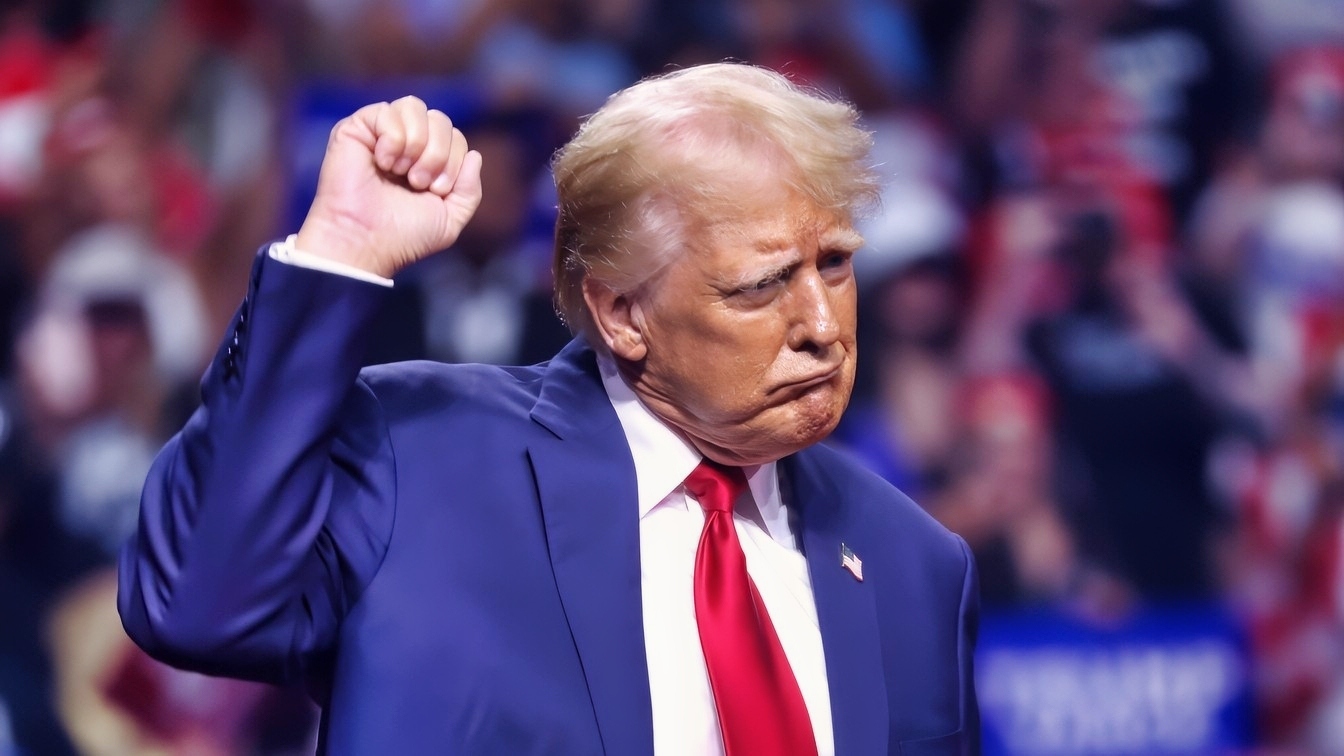
Words are cheap in Moscow. Signatures are cheaper. U.S. envoy Jared Kushner told reporters in Berlin on Thursday that Russia is “comfortable” with NATO-like security guarantees for Ukraine as part of a deal to end the war, which is closing in on its five-year mark.
The comment came hours after President Trump sat down with Vladimir Putin and Xi Jinping in Shenzhen for the first three-way meeting of the U.S., Russian and Chinese leaders, held on the sidelines of the APEC summit.
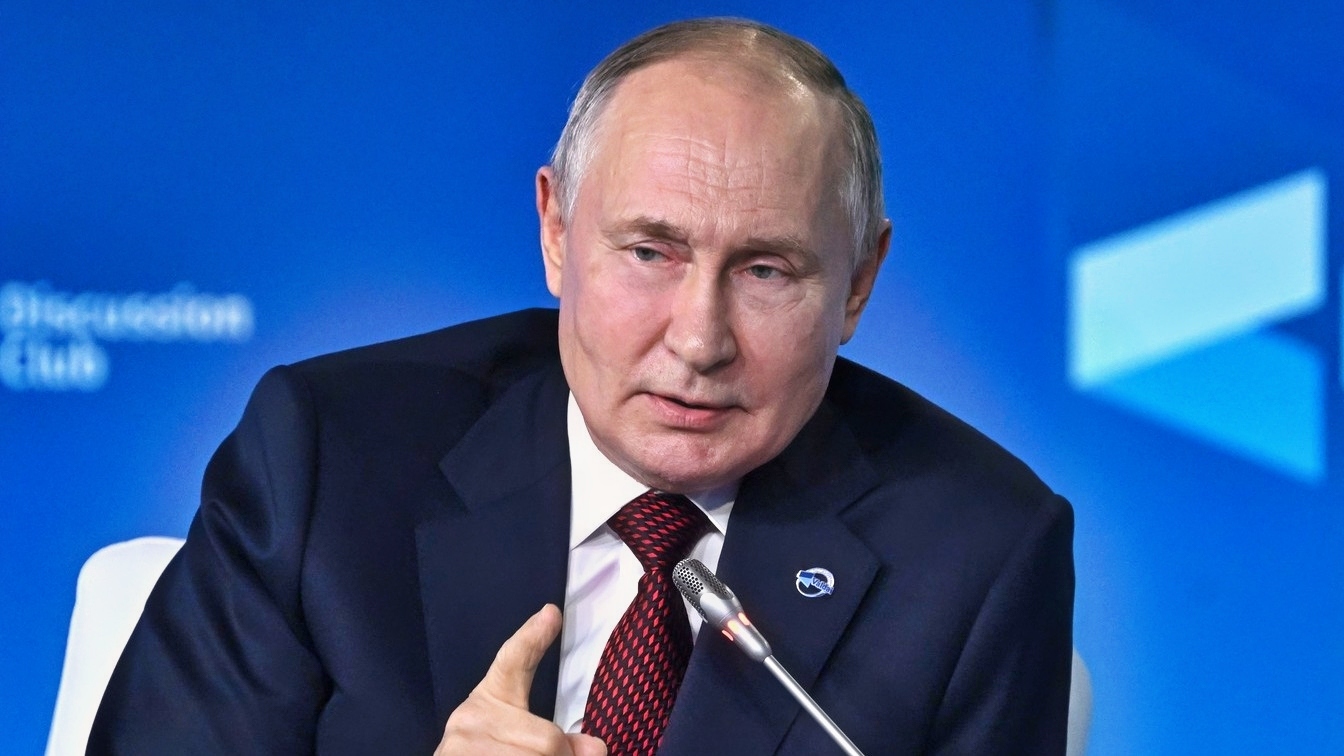
Putin Back in 2023. Image Credit: Russian Federation
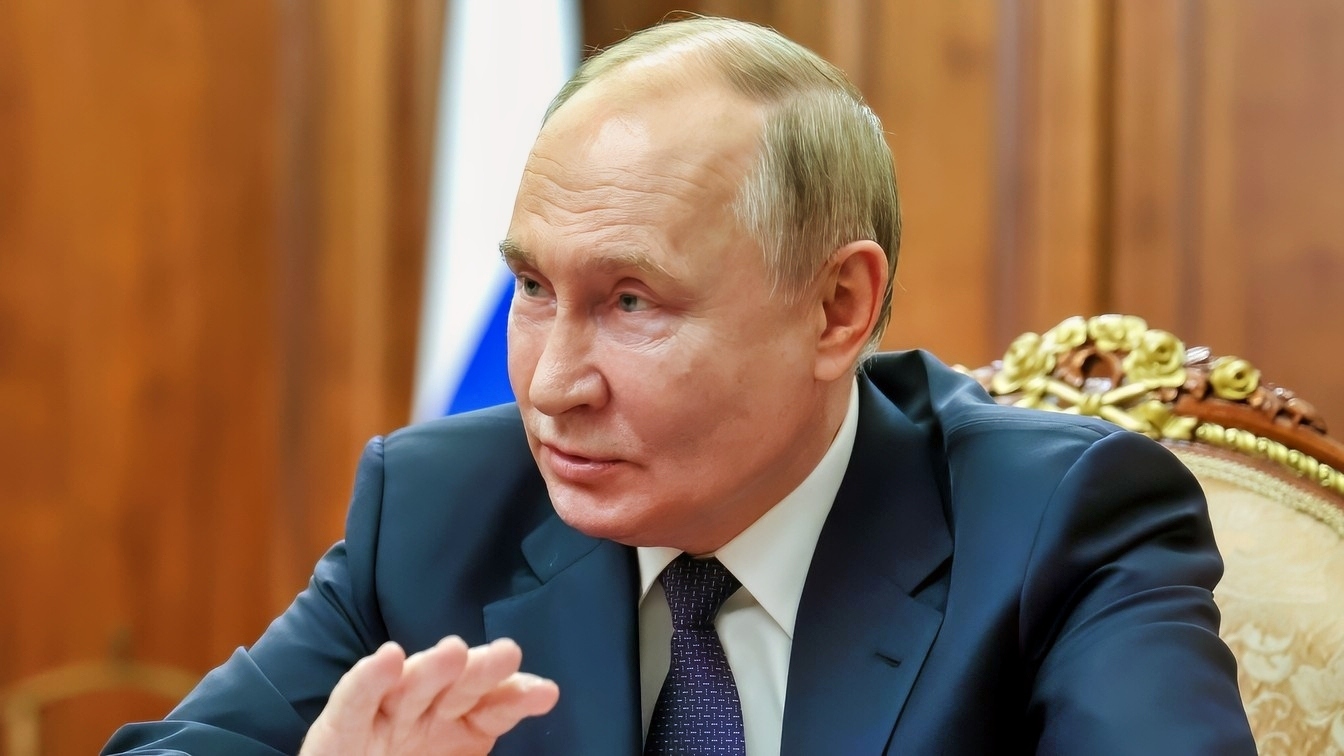
Vladimir Putin Back in 20224 Russian Federation Photo
“I think we’ve got the Russians comfortable with that concept where any security guarantee for Ukraine would be based on Article 5,” Kushner said, standing alongside European leaders. Article 5 is the heart of the NATO treaty—the provision that treats an attack on one member as an attack on all.
That’s a big claim. However, it isn’t the first time we’ve heard it.
We’ve Heard This Before In Alaska
In August 2025, after the Anchorage summit, Steve Witkoff said Putin had agreed to let the United States and Europe offer Ukraine a guarantee resembling NATO’s collective defense mandate. That was 15 months ago. The war didn’t stop. The missiles and drones kept flying, and the front lines kept grinding.
So what has changed? On paper, not much. Kushner and Witkoff met Thursday with Ukrainian President Volodymyr Zelenskyy and more than 40 European leaders, and Trump phoned in after meeting with Putin.
Kushner said the priorities were coordinating with Kyiv and Europe, building a unified position on the key elements of a lasting peace, and setting the agenda for the next round of multilateral talks. No breakthrough came out of Berlin, and no date has been set for that next round.
It also remains unclear what form the guarantees would take, or whether Moscow and Kyiv would ultimately accept them. That’s the whole ballgame.
Ukraine applied for NATO membership in September 2022, seven months after the Russians invaded. The US has been against it; President Trump told Ukraine to give up its hopes of joining.
But last week, Kushner and Witkoff suggested that Kyiv could join NATO in exchange for relinquishing eastern Ukraine’s Donbas region to Russia.
The Kremlin Hasn’t Said It, Only Kushner
Notice who is doing the talking. It’s Kushner. It isn’t Putin, and it isn’t Dmitry Peskov.
Four days before Berlin, Peskov told TASS that Moscow would not agree to any ceasefire and would not give the “Kyiv regime” a respite to heal its wounds.
When Kushner and Witkoff announced on November 12 that Putin had agreed to bring Europe into the negotiations, the Kremlin refused to confirm it, with Peskov saying Moscow first needed to understand Europe’s “genuine intention.”
Putin’s own words in Shenzhen on Thursday were about payback. After Ukraine brought down a large section of the Kerch Bridge’s road deck following weeks of preparatory strikes, Putin said flatly, “We will respond to these attacks.” That doesn’t sound like a man who is comfortable with much of anything Kyiv wants.
When a U.S. envoy characterizes the Russian position and the Russians decline to characterize it themselves, you’re more likely hearing a negotiating hope than an actual commitment.
What Does “Based On” Mean?
The phrasing is the important part. Kushner said any guarantee “would be based on Article 5.” Based on. That’s a lot of daylight.
Article 5 itself is less ironclad than most people think. It obligates each member to take “such action as it deems necessary,” which leaves plenty of room.
What makes it work is the force behind it: U.S. troops in Poland and the Baltics, forward-deployed aircraft, a nuclear umbrella, and more than 75 years of credibility. Strip those away, and you’re holding a piece of paper.
Ukraine already owns a drawer full of those. In 1994, Kyiv handed over the world’s third-largest nuclear arsenal in exchange for security assurances from Washington, London, and Moscow under the Budapest Memorandum.
Russia signed it. Russia then took Crimea in 2014 and launched a full-scale invasion in 2022. None of that paper saved them.
Moscow has also been clear about what it wants out of any guarantee framework. Foreign Minister Sergei Lavrov has said any peace plan should include collective security guarantees for all parties involved. Translate that.
A guarantee that gives Russia a seat at the table is a guarantee with a built-in Russian veto. If that’s the Article 5 Moscow is comfortable with, then it, like the Budapest Memorandum, is worthless for Kyiv.
Kyiv And Europe Have Every Reason To Be Nervous
Kyiv wants assurance that Russia doesn’t come back in three years after rearming. Moscow wants NATO kept off its borders. Those positions don’t reconcile easily, and a vaguely worded guarantee is how diplomats paper over the gap.
The Europeans in Berlin fear being sidelined by Trump’s direct dealings with Putin, and the optics out of Shenzhen didn’t help. Trump called Putin “my friend” in China.
Washington has also been bringing Putin in from the cold, agreeing to buy Russian diesel and limiting Ukraine’s use of Starshield, the military-grade satellite network. Those are real concessions with real effects on the battlefield. A security guarantee that hasn’t been written yet is not.
The question is whether any guarantee would be enforceable on the day Russian armor crosses the line again.
Who Responds If Russia Invades Again?
If Russia violates a ceasefire in 2029, who responds? That’s a question no one in Berlin could answer. European troops, whom Moscow has warned it would treat as legitimate targets? U.S. airpower? Under what authority, and how fast?
Deterrence lives or dies on one thing. The other side has to believe you’ll show up—not after a 90-day review. Show up.
Russia has spent nearly five years testing Western resolve. It has watched aid packages stall, sanctions get suspended, and promises get reworded. The Kremlin being “comfortable” with an Article 5-style promise may mean it doesn’t believe anyone will honor it.
Meanwhile, the killing continues. Overnight before the Berlin talks, Russia launched anti-ship missiles and 98 drones at Ukraine, hitting 18 locations, while Ukrainian strikes killed civilians inside Russia. Civilians died on both sides of the border.
Kushner may be right. Maybe Moscow really has moved. However, until Putin says it in his own words, and until somebody puts troops, aircraft, and a timeline behind it, a NATO-like guarantee for Ukraine is exactly what it sounds like.
Words. And the words to pay attention to are the ones Putin said: “We will respond to these attacks.”
About the Author: Steve Balestrieri
Steve Balestrieri is a National Security Columnist. He served as a US Army Special Forces NCO and Warrant Officer. In addition to writing on defense, he covers the NFL for PatsFans.com and is a member of the Pro Football Writers of America (PFWA). His work was regularly featured in many military publications.


