
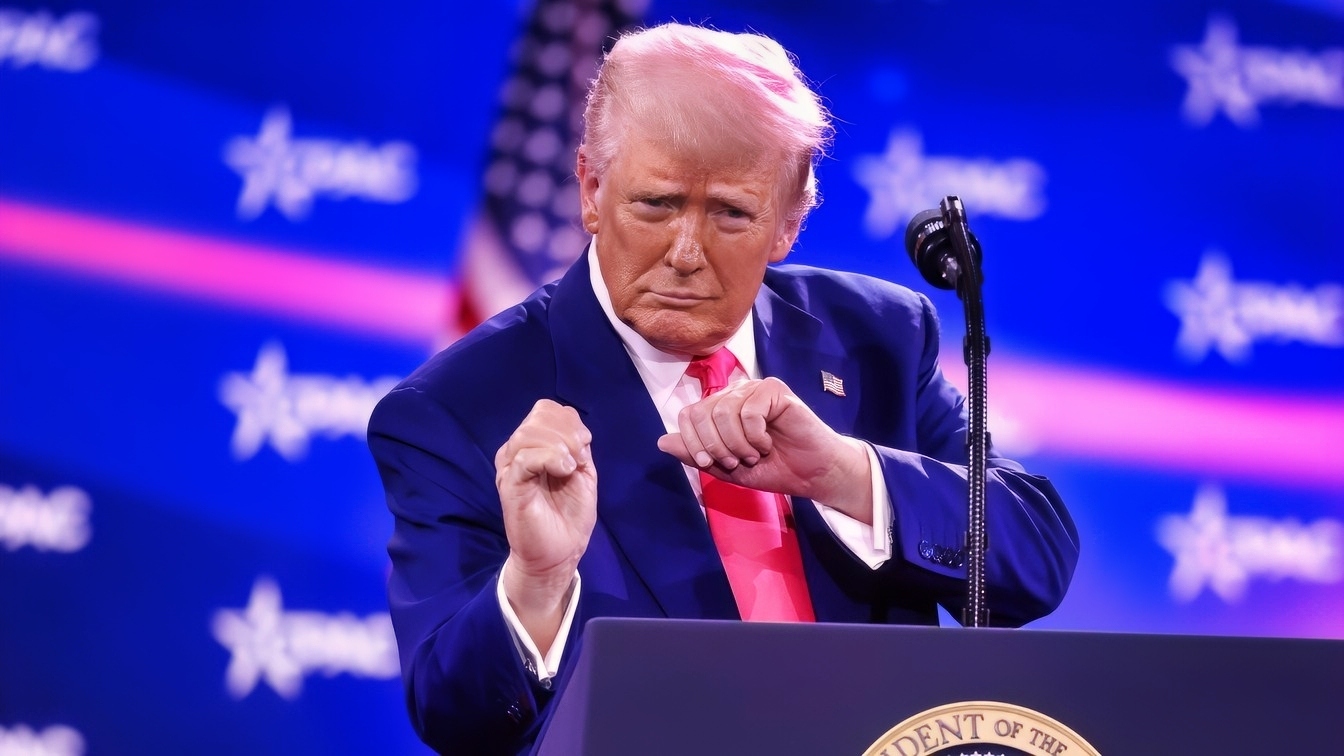
President Donald Trump joined Chinese President Xi Jinping and Russian President Vladimir Putin in Shenzhen on Thursday for a historic trilateral summit.
Dubbed Yalta 2.0 ahead of the meeting, the three leaders left the Chinese city committed to nuclear-risk dialogue but with no announced agreement to reduce their arsenals.
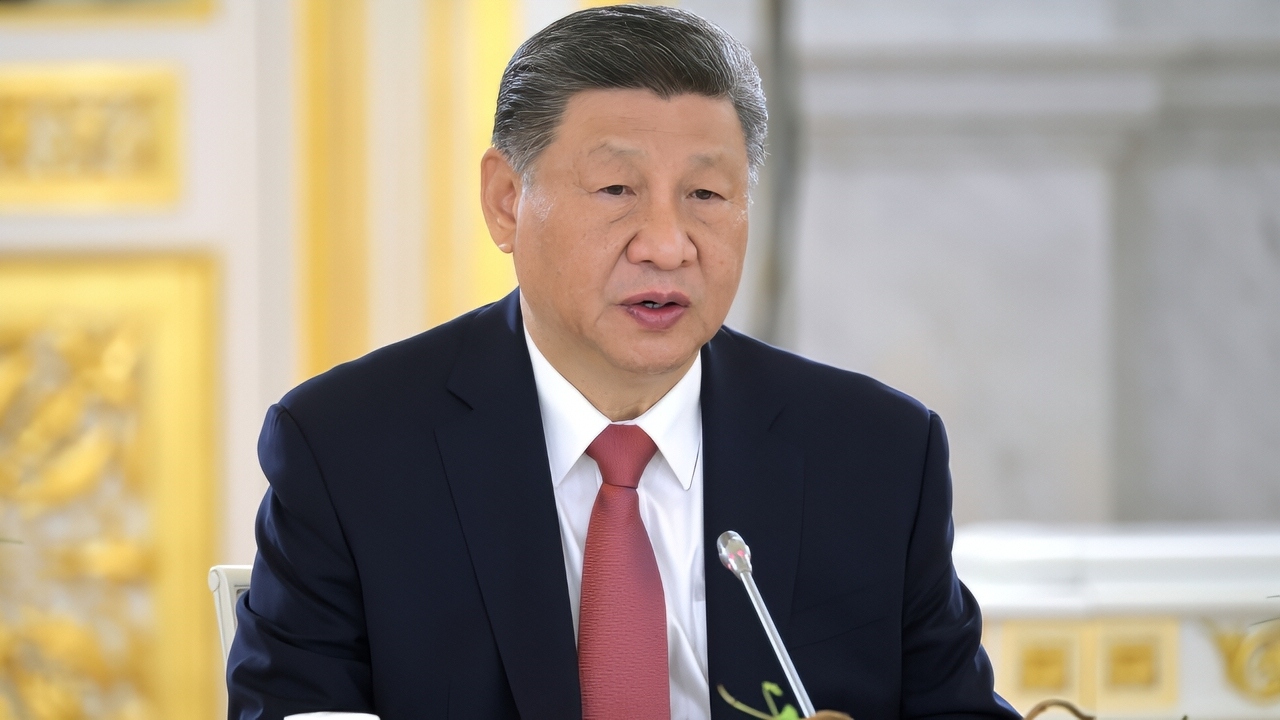
China’s Xi Jinping. Image Credit: Creative Commons.
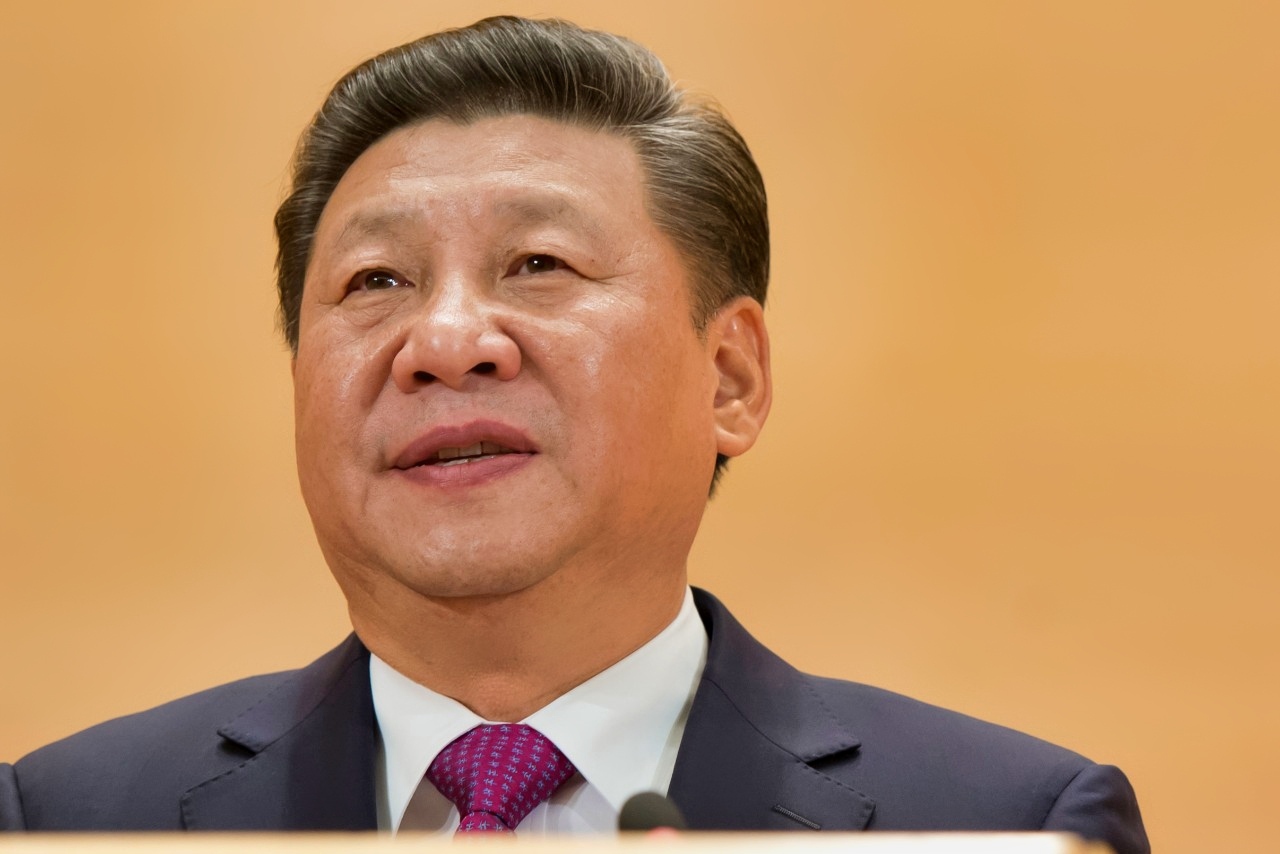
Xi Jinping President of the People’s Republic of China speak’s at a United Nations Office at Geneva. 18 january 2017. UN Photo / Jean-Marc Ferré
The leaders’ joint declaration also called for United Nations reform, increased supplies of refined petroleum products and limits on what they described as abuses of jurisdiction by the International Criminal Court. Many experts are, in fact, calling the summit a failure for Trump, in that he did not bring home any concrete deliverables on the core issues he discussed with Russia and China.
Nuclear Pledge Stops Short of Negotiations
While President Trump said the three countries were uniquely positioned to discuss reducing nuclear weapons, their joint declaration after the conference stopped well short of that goal, instead committing Washington, Beijing and Moscow to dialogue on lowering nuclear risks and preventing proliferation.
The declaration reaffirmed that “a nuclear war cannot be won and must never be fought” — a pledge that was previously made in January 2022 by the five recognized nuclear states.
For what was a highly anticipated summit—the first of its kind between the U.S., China, and Russia—there was little more than a mutual agreement to keep talking about peace, rather than steps toward it.
“Too often, past leaders avoided talking to nations with whom they had disagreements, and we feel the opposite,” Trump told his Chinese and Russian counterparts. “No peace was ever forged by declining opportunities for engagement and speech.”
Declaration Targets Institutions and Energy Supply
The leaders agreed to pursue U.N. reform but, much like the nuclear weapons agreement, stopped short of a detailed restructuring plan.
They also pledged to increase production and supply of refined petroleum products, and emphasized the importance of stable energy flows.
The third point of the joint statement was particularly relevant for President Putin: “The three heads of state recognized that the principle of state consent and respect for immunities of State officials are of paramount importance, and concurred that the International Criminal Court and other similar bodies must not abuse their jurisdiction.”
The ICC issued an arrest warrant for Putin in March 2023, alleging that the Russian president was responsible for war crimes involving the unlawful deportation and transfer of Ukrainian children.
The U.S., China, and Russia are not parties to the Rome Statute, meaning Putin can visit all three without the risk of arrest.
Ukraine and Iran Remain Without Breakthroughs
In addition to the trilateral meeting, President Trump met separately with Xi and Putin during his visit for the Asia-Pacific Economic Cooperation gathering.
While Trump referred to Putin as “my friend” ahead of the meeting, no breakthrough emerged in the White House’s efforts to end Russia’s full-scale invasion of Ukraine.
Trump has pushed for a three-way meeting with Putin and Ukrainian President Volodymyr Zelensky, potentially taking place as soon as next month’s G20 summit in Miami. So far, Putin has been reluctant to speak directly with the Ukrainian leader — something he reportedly reiterated to Trump on Thursday.
There was little to be said about the war with Iran, either. Both Russia and China have close ties with Iran, which the U.S. has been at war with for almost nine months. However, the trilateral meeting on Thursday reached no agreement on a future direction for the conflict.
China Promotes Strategic Stability with Washington
China’s official summary focused heavily on the theme of stability, with the leaders discussing the war in Ukraine, the Middle East, nuclear proliferation and the Korean Peninsula.
In the separate U.S.-China meeting, Beijing said Xi urged cooperation to prevent artificial intelligence risks and ensure continued human control. The report from the bilateral also described plans for an action plan supporting a relationship of strategic stability.
It was an important moment for all three leaders, but perhaps what was most interesting from a Western perspective was the relationship between Xi and Putin.
Relations between Beijing and Moscow have been tumultuous ever since the Sino-Soviet split, and the fall of the Soviet Union and the rise of China have shifted the historical balance in the Eastern Hemisphere.
While Russian media was keen to emphasize how Putin was present at the summit, there was less said about the photograph taken before the trilateral in which the Russian president was separated from Trump and Xi by the latter’s wife, Peng Liyuan, nor about the lack of formal welcome from Xi that President Trump received.
About the Author: Shay Bottomley
Shay Bottomley is a British journalist. He has written for the Western Standard, Business Insider, Maidenhead Advertiser, Slough Express, Windsor Express, Berkshire Live and Southend Echo.