
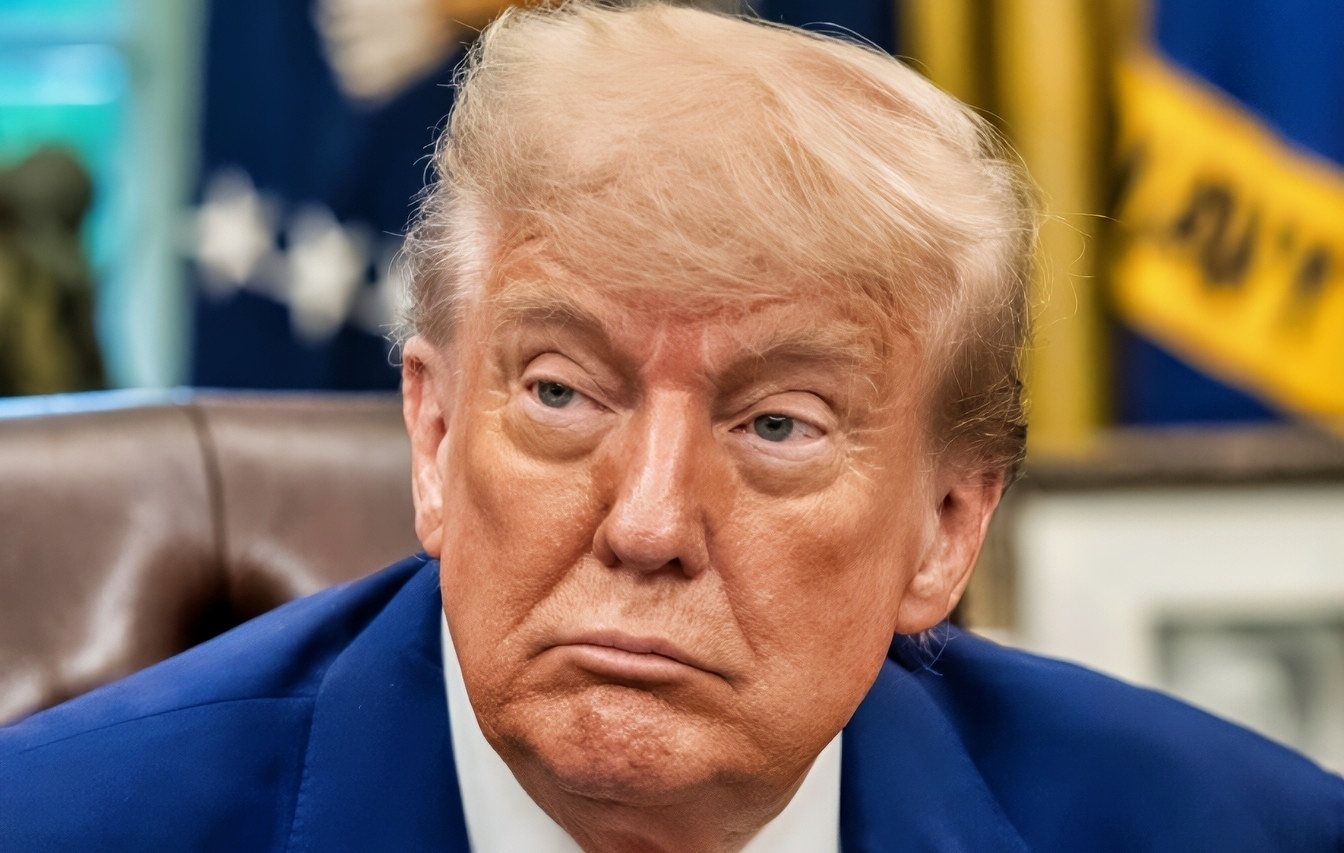
In the wake of the Republicans’ sweeping defeats in the November 3 midterm elections, President Donald Trump is signaling that he is willing to compromise with the Democrats while also fighting them on some of his biggest policy promises.
The administration is set for two years of confrontation, with many Democrats promising to cause as many problems for the Republicans as possible in the form of investigations and subpoenas.
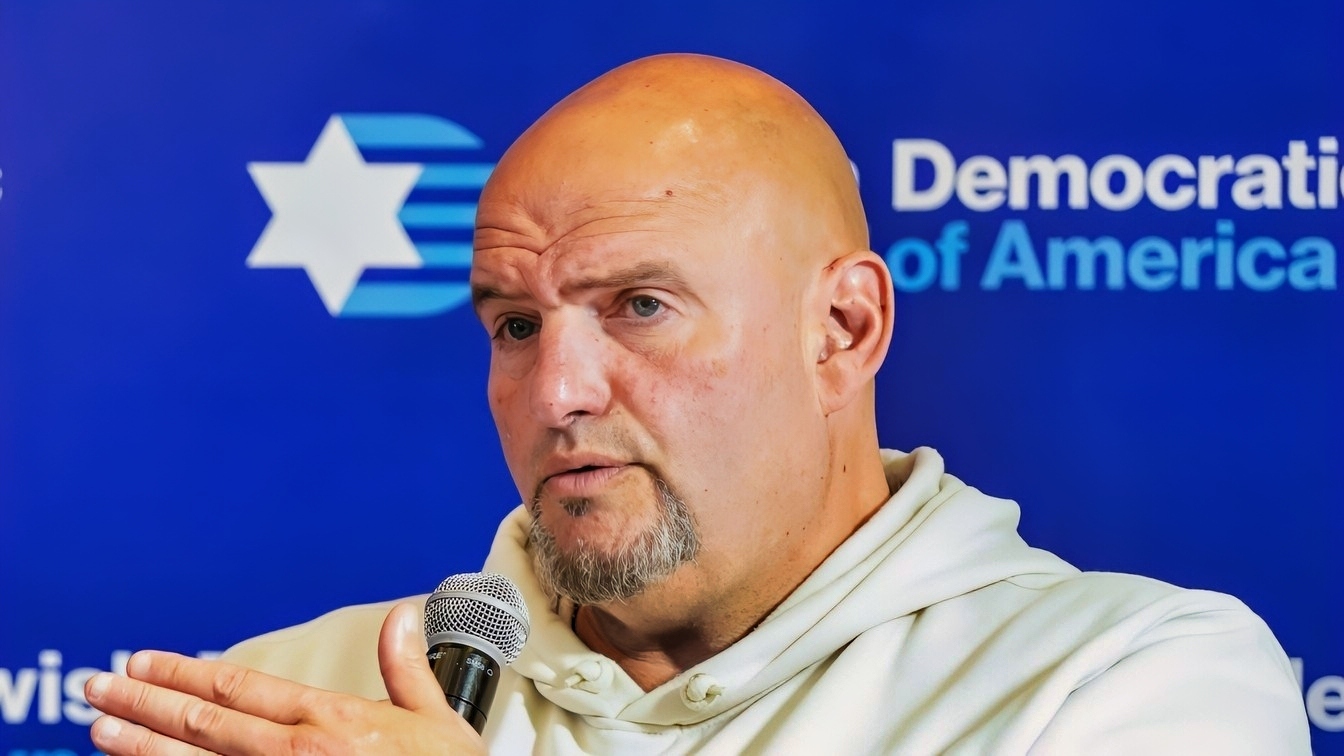
John Fetterman in 2024 Creative Commons Photo
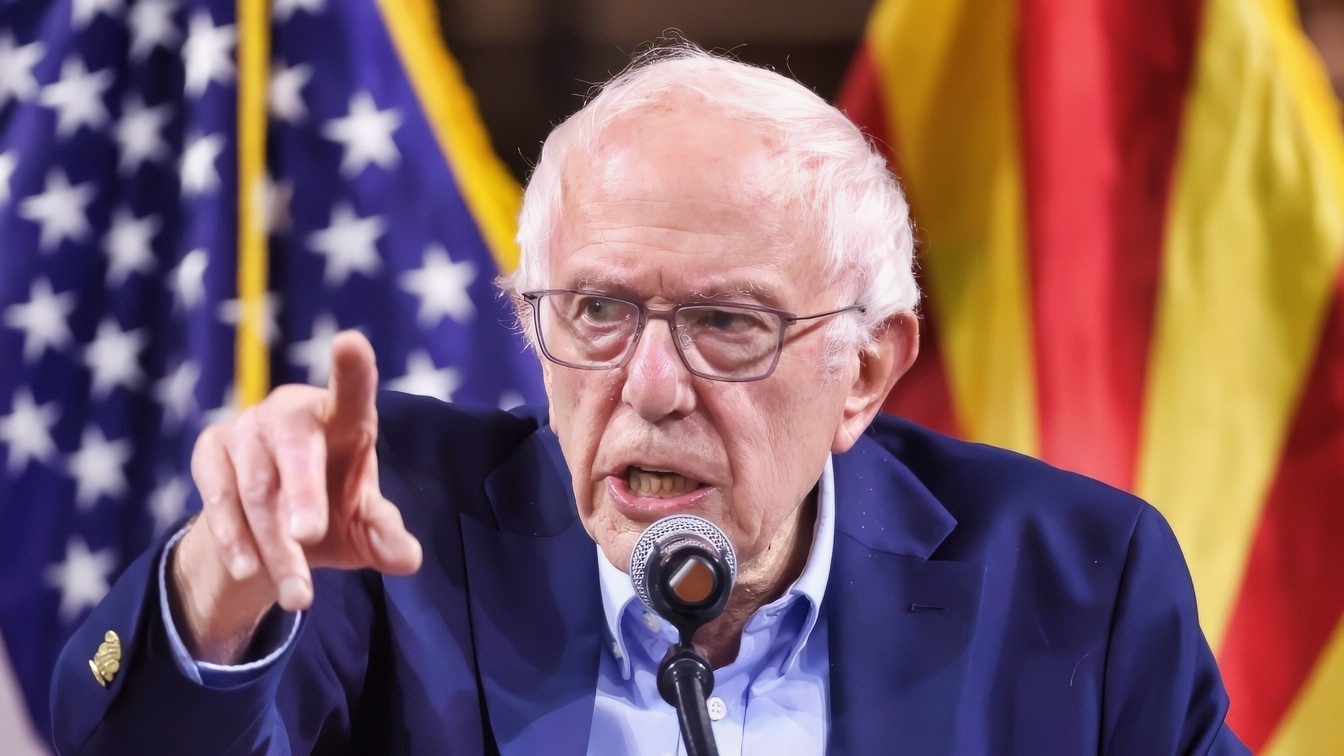
Bernie Sanders Creative Commons Photo
But in recent days, President Trump has told several news outlets that major agreements could still be made on healthcare and immigration, and he even shared a Democratic proposal for universal healthcare bearing his name.
Trump, however, continues to promise to veto legislation passed by the incoming Democratic-controlled Congress that he doesn’t support.
He has also appointed hardliners to senior positions within his administration and has warned that working with the next Senate majority leader could be difficult.
On Sunday, November 22, USA TODAY columnist Tim Swarens argued that the president’s priorities are all wrong, and that the “shellacking” his party received in the midterms should have shown him that the American people want him to change course. But is that really the case?
Trump Offers Dems Major Deals
Speaking to reporters at the White House on Friday, November 20, President Trump suggested that the incoming Democratic majority could actually present an opportunity to negotiate legislation that Republicans struggled to pass when they had a slim majority in Congress.
He identified healthcare and immigration as two areas for potential cooperation, and said that some prominent Democrats had already contacted him about reaching agreements.
President Trump said he could work with Democrats on other areas, including incentivizing movie production in the United States—which is increasingly moving overseas—and providing financial assistance for college students.
On Saturday, November 21, President Trump also shared a post by Democratic Senator-elect Abdul El-Sayed advocating for a universal healthcare program branded as “TrumpCare.”
Trump, it seems, is willing to work with Democrats — but that doesn’t mean he won’t also fight.
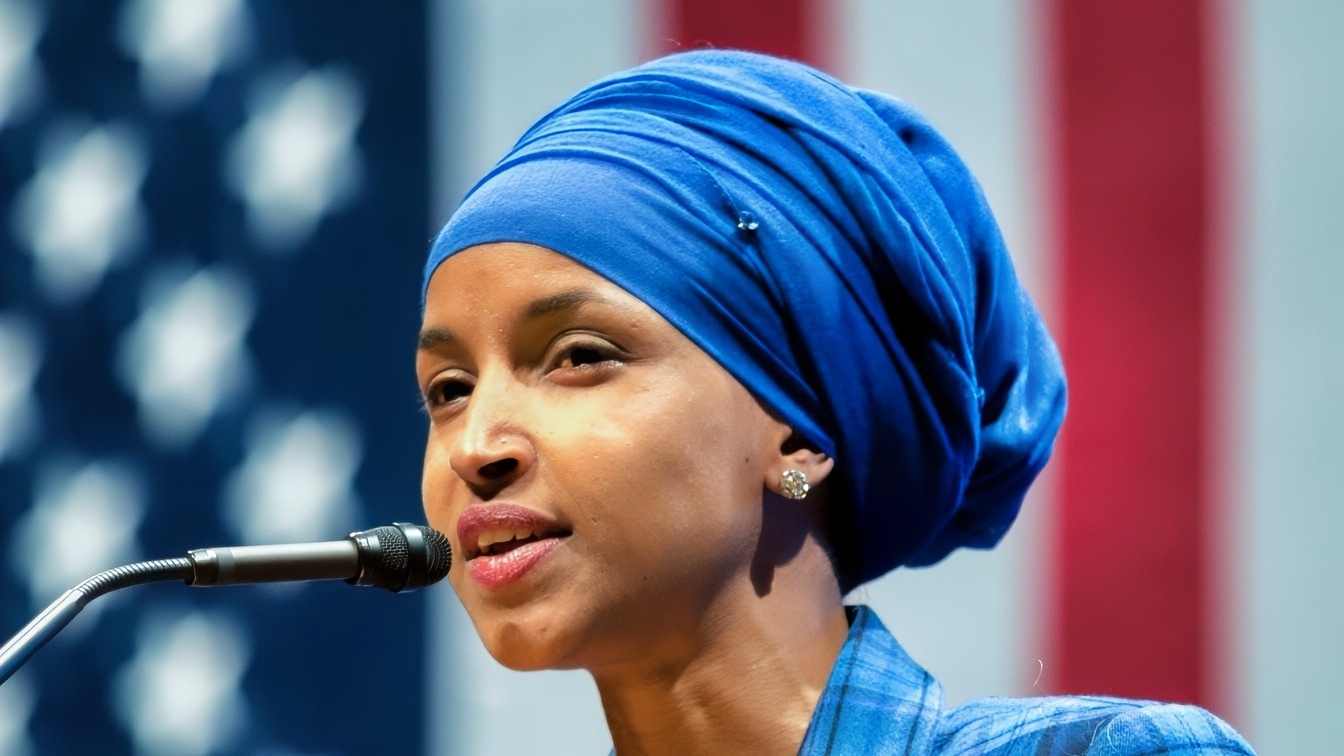
Ilhan Omar Creative Commons Photo
It certainly doesn’t mean that American voters have completely abandoned their support for his biggest policy pledges, including securing the border.
Some Democrats Are Seemingly Open to Negotiations
While the progressive wing of the Democratic Party has been generally combative since the party’s midterm victories, some Democrats appear willing to negotiate.
Speaking on CBS News’ Face the Nation on Sunday, November 22, incoming House Speaker Hakeem Jeffries said that there were several areas where Democrats could potentially work with President Trump.
Jeffries singled out lowering the Medicare eligibility age and expanding coverage for hearing services and dental as examples.
“Let’s see what’s possible in terms of what the president has said with respect to healthcare,” he said.
The incoming House Speaker also said that immigration and affordability will be major priorities for the next Congress.
However, Democrats ultimately have their own legislative ambitions that President Trump won’t necessarily support, including their plans to remove Trump’s tariffs and force the president to end the war with Iran without a negotiated agreement or without ending the country’s nuclear program.
Trump Prepares to Fight
Despite his recent comments about compromise, President Trump has also taken steps that suggest he intends to be confrontational on issues he won’t compromise on.
The appointment of Stephen Miller, a known hardliner on immigration and other core MAGA issues, as White House chief of staff is a good example of that.
Miller was one of the primary architects behind the Trump administration’s immigration crackdown and is widely seen as being particularly aggressive toward Democrats — but not without good cause.
House Republicans have also elected Jim Jordan as their new minority leader, choosing a longtime ally of the president who himself has promised to challenge incoming Democrat-led investigations.
President Trump has also warned that he intends to use his veto power against legislation he opposes—which is, in one way, confrontation, but also a tactic he has identified as a way to force Democrats to negotiate.
On Sunday, the president also warned that cooperating with Senator Chuck Schumer would be particularly difficult if he becomes the next Senate majority leader.
Do Americans Want Compromise or Confrontation?
Recent polling suggests that Americans do want cooperation, although voters disagree about the extent to which political leaders should compromise.
A Reuters/Ipsos survey published on November 10 found that 81% of Americans considered it important for President Trump to work with Democratic leaders. 74% said they want Democrats to work with the president.
A Pew Research Center survey also found that 72% of Democrats want their leaders to stand up to President Trump. 53% of Republicans said they preferred compromise.
The challenge for the two parties now will be balancing those expectations.
About the Author: Jack Buckby
Jack Buckby is a British researcher and analyst specializing in defense and national security, based in New York. His work focuses on military capability, procurement, and strategic competition, and he produces and edits analysis for policy and defense audiences. He brings extensive editorial experience, with a career output spanning over 1,000 articles at National Security Journal, and has previously authored books and papers on extremism and deradicalization.


