
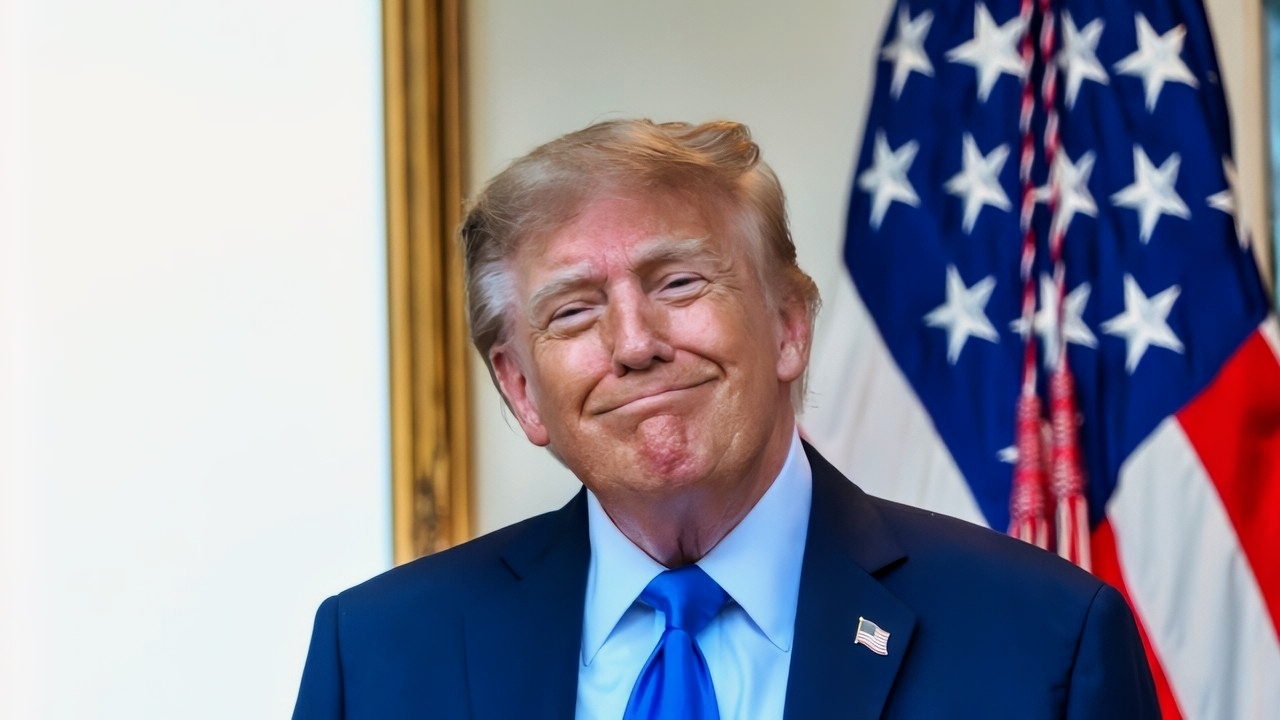
After the Republicans’ devastating losses in the midterm elections, President Donald Trump has said he is willing to work with the Democrats after they take control of Congress in January.
The next two years offer the Republican leader an opportunity to negotiate bipartisan agreements on some of the country’s most contentious issues.
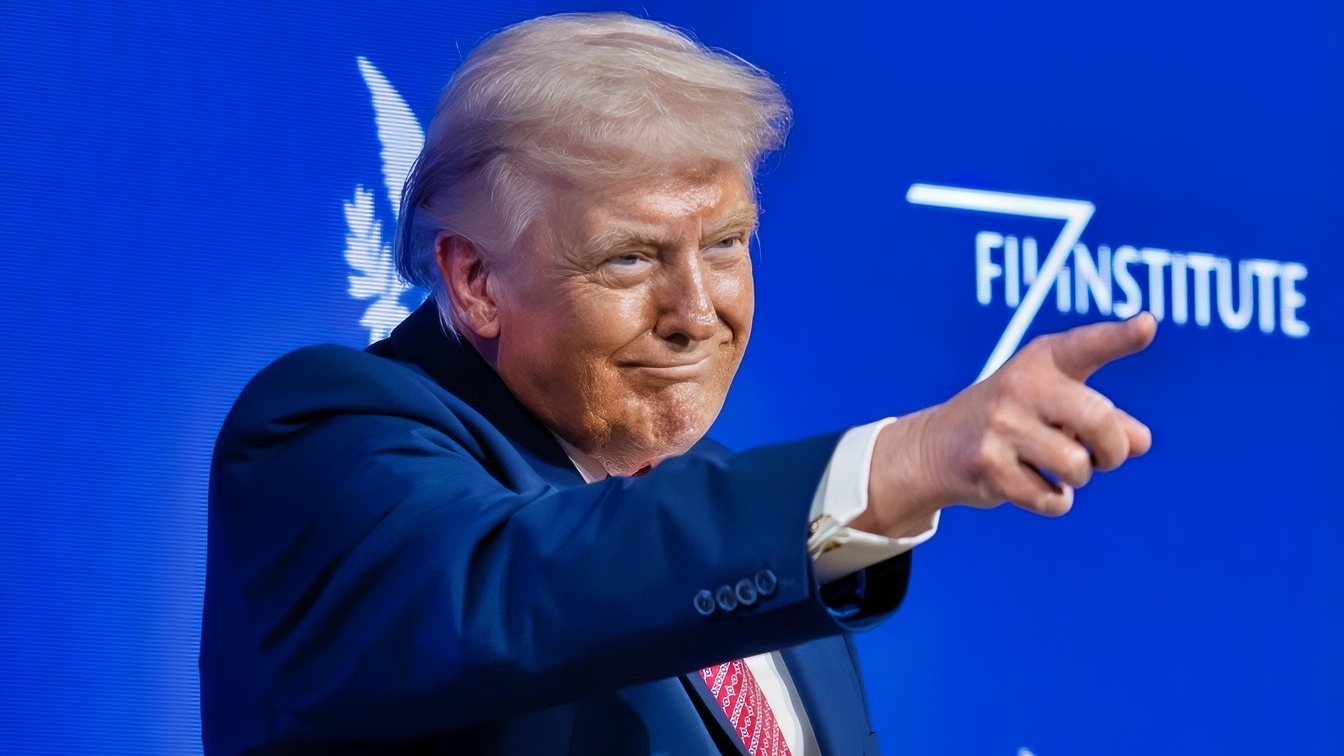
President Donald J. Trump delivers remarks at the F11 PRIORITY Summit at the Faena Forum in Miami, Florida on Friday, March 27, 2026.(Official White House Photo by Molly Riley)
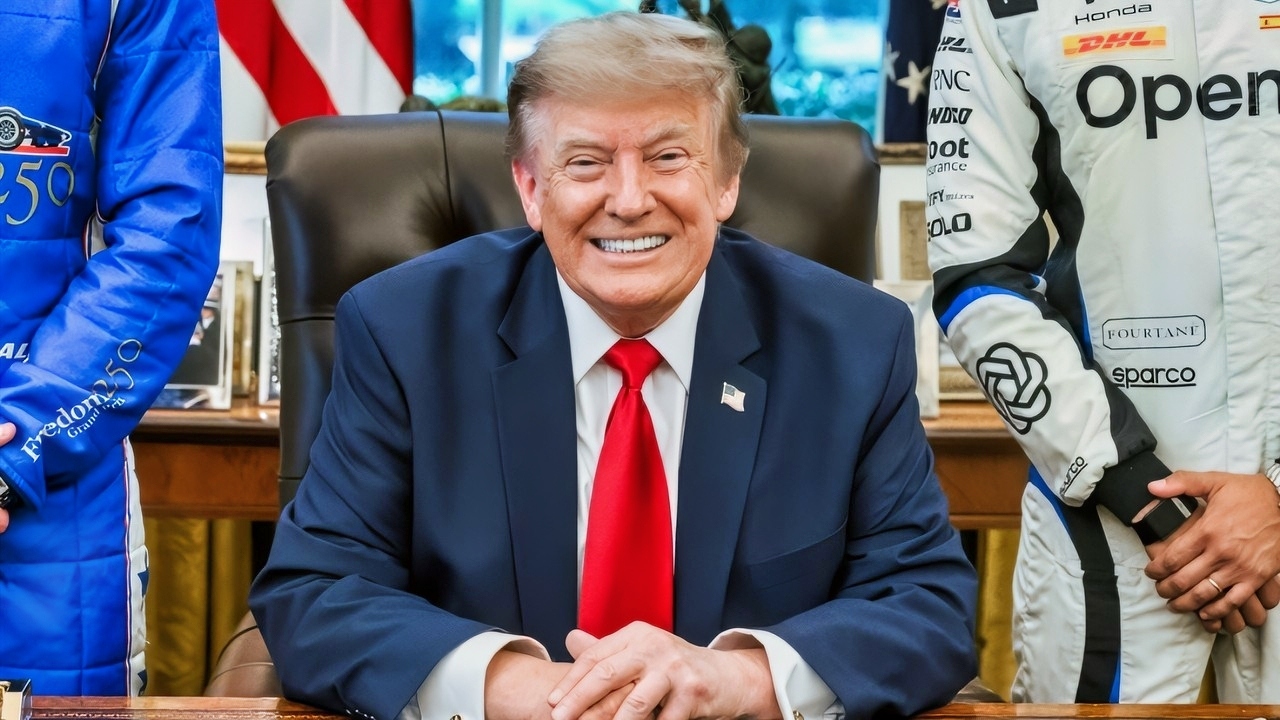
President Donald J. Trump meets with guests, including Penske Corporation Chairman Roger Penske, in the Oval Office before participating in a Freedom 250 Grand Prix Showcase on West Executive Avenue at the White House, Monday, July 13, 2026. (Official White House Photo by Daniel Torok)
While the president has hardened his stance in some ways—most notably by appointing hardliner Stephen Miller as his chief of staff—evidence suggests he may be seriously willing to work with the opposition to make historic progress.
Speaking to reporters at the White House on Friday, November 20, President Trump warned he would use his veto power to block legislation he and his party disagreed with, arguing that doing so could be what it takes to force Democrats to negotiate with him.
While Democratic leaders promised to challenge the president’s policies and investigate his administration, Trump is also suggesting that the coming change in leadership in Congress could make it easier to pass legislation that voters support.
And for a president who has spent much of his life describing himself as the ultimate dealmaker, the next two years could let him build a different political legacy than the one he would leave behind if he resigned from office today.
Trump Threatens to Use Veto Power
Speaking at a press conference on Friday, President Trump outlined his plans for dealing with the incoming Democratic majorities.
He warned that controlling Congress would not allow Democrats to implement a radical new agenda.
“They’re going to send things my way, and I’m going to veto them,” he said. “And then they’re going to send more things that I’m going to veto.”
The president also argued, however, that the Democrats might ultimately realize that they have to negotiate if they intend to get anything passed.
Trump also identified immigration and “great healthcare” as possible areas where Democrats and Republicans could strike a deal.
“Great healthcare is possible,” Trump said.
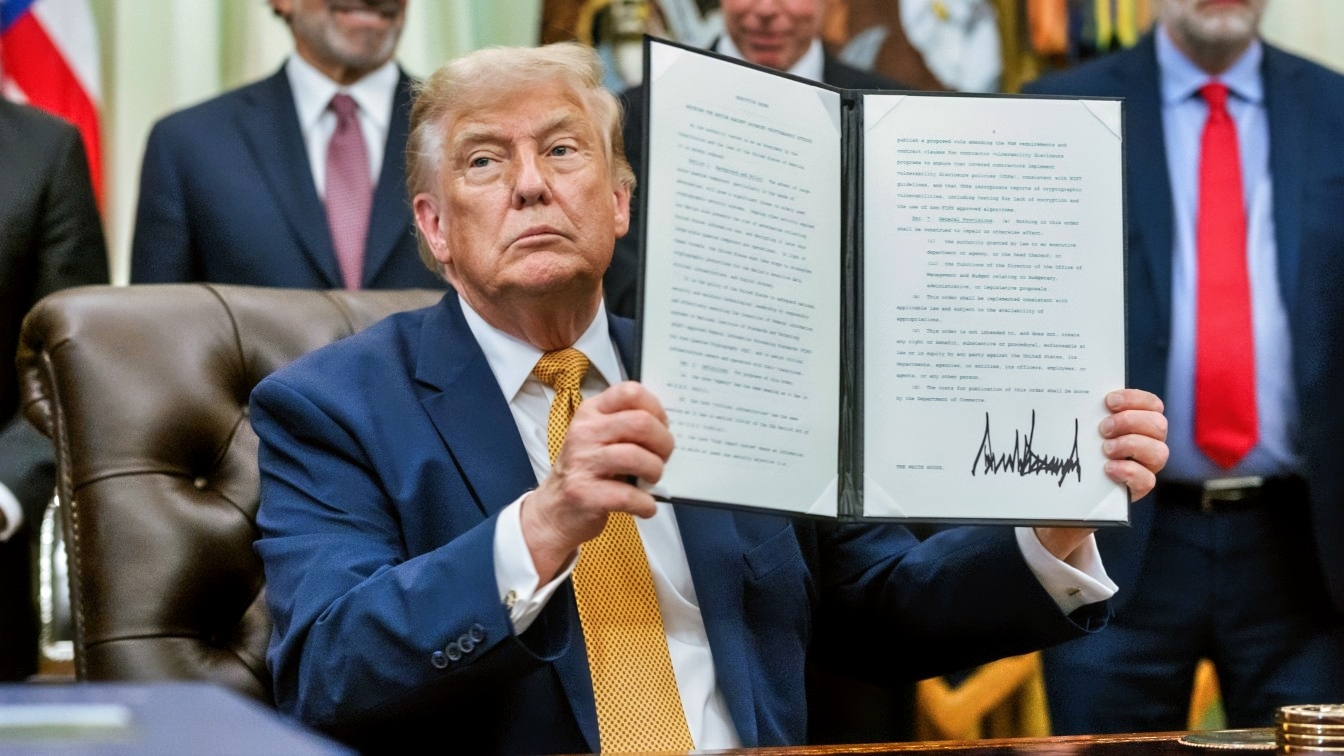
President Donald J. Trump, joined by Secretary of War Pete Hegseth, Physicist John M. Martinis, Science and Technology Policy Director Michael Kratsios, Secretary of Commerce Howard Lutnick, Secretary of Energy Chris Wright, OMB Director Russ Vought, and others, delivers remarks after signing an Executive Order on quantum computing in the Oval Office, Monday, June 22, 2026. (Official White House Photo by Joyce N. Boghosian)
“Can it be what they want? No, but it can be a combination of what we all want, and we could end up with great healthcare in our country.”
Trump Has Always Described Himself as a Deal Maker
The president’s comments should not be read as a U-turn, but as consistent with an image that he has cultivated his whole life, particularly since his years as a New York real estate developer.
Trump built much of his reputation around his ability to negotiate tough business agreements.
He also published the book Trump: The Art of the Deal in 1987, followed by Trump: The Art of the Comeback in 1997 and Trump: How to Get Rich in 2004.
That reputation made him such a wildcard presidential candidate, and he has never abandoned his willingness to make deals.
During an interview with John Dickerson on CBS’ Face the Nation in 2016, Trump said that compromise was necessary to achieve results in politics. And almost a decade later, Trump made a similar point when he addressed Israel’s parliament.
“That’s all I do in my life — I make deals,” he told the Knesset on October 13, 2025.
Previous Immigration Offers
Trump has long promised to make deals with Democrats, including on the issues on which he is often accused of being too much of a hardliner.
In September 2017, Trump met with Democratic leaders Nancy Pelosi and Chuck Schumer to discuss protections for illegal aliens brought to the United States as children.
The discussions didn’t work out and produced competing accounts of what was actually said and what a possible agreement could look like.
No final agreement emerged — but Trump did try.
In January 2018, the White House offered another compromise.
Trump offered a pathway to citizenship for 1.8 million immigrants in exchange for border security measures and restrictions on legal immigration, which Democrats opposed.
Trump again offered to make an immigration deal during his 60 Minutes interview, broadcast on November 8.
He clearly seems to mean it.
Trump Can Return to Democratic Instincts
The next two years offer President Trump an opportunity to revisit the Democratic instincts that he was forced to abandon when he became the Republican candidate for president.
President Trump was a registered Democrat between 2001 and 2009, although he has changed party affiliation many times over the years.
His earlier political positions, however, show that he has long disagreed with most Republicans on major issues, including universal health care.
In October 1999, Trump told Larry King that he believed in universal healthcare, and he even advocated for it in his 2000 book, The America We Deserve.
With some Republicans already distancing themselves from Trump following the midterm defeats, Trump may now have less incentive to satisfy his party’s demands.
A deal on healthcare or immigration could prove popular with voters, but anger Republican hardliners.
Democrats, meanwhile, face a choice of their own: negotiate with a president they have spent years opposing, or risk entering the 2028 election with little legislative success to show for their significant congressional majorities.
About the Author: Jack Buckby
Jack Buckby is a British researcher and analyst specializing in defense and national security, based in New York. His work focuses on military capability, procurement, and strategic competition, and he produces and edits analysis for policy and defense audiences. He brings extensive editorial experience, with a career output spanning over 1,000 articles at National Security Journal, and has previously authored books and papers on extremism and deradicalization.


