

On Monday, November 23, the U.S. Treasury Department imposed new sanctions on more than two dozen Iranian exchange houses, overseas front companies, and financial operatives linked to Iran’s shadow banking network.
Fox News quoted Treasury Secretary Scott Bessent as stating these sanctions will “Cut Iran’s last financial lifeline.”
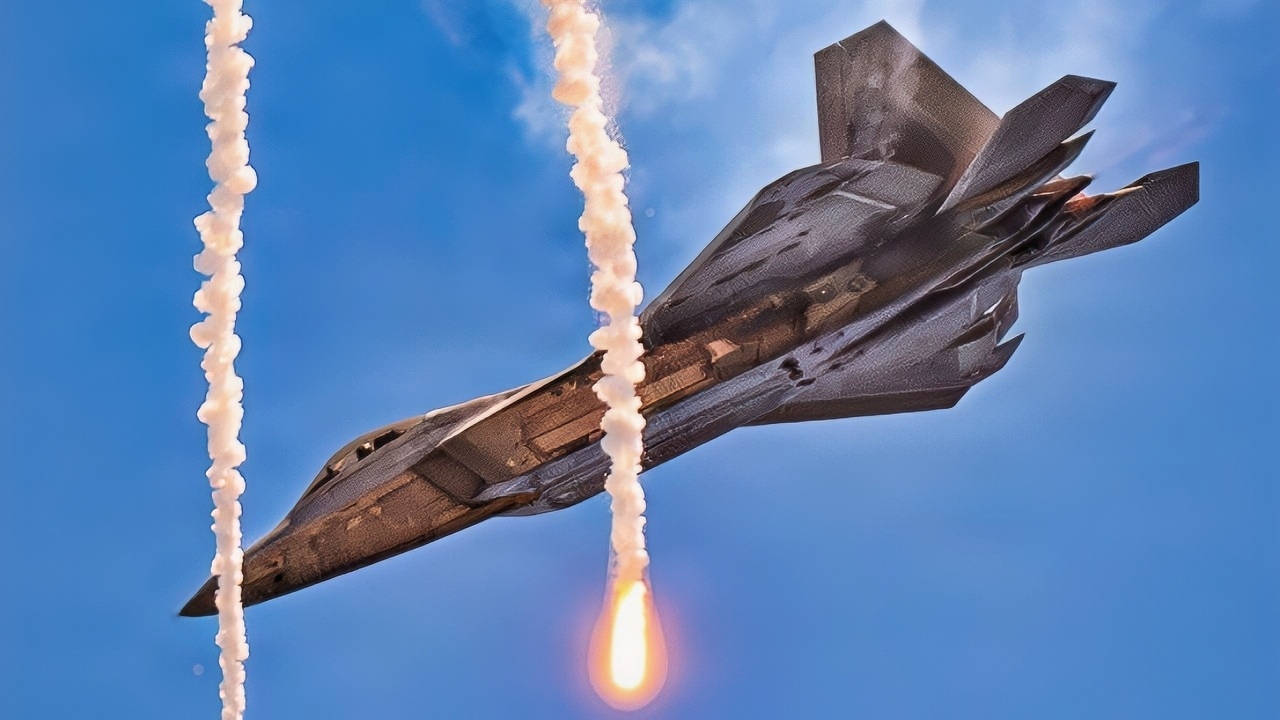
U.S. Air Force Capt. Nick “Laz” Le Tourneau, pilot and commander of the F-22 Raptor Aerial Demonstration Team, performs an aerial demonstration at Air Dot Show Tour Fort Lauderdale, Florida, May 9, 2026. Capt. Le Tourneau showcased the unmatched capabilities of the F-22 by performing a series of combat maneuvers. (U.S. Air Force photo by Staff Sgt. Mary Bowers)
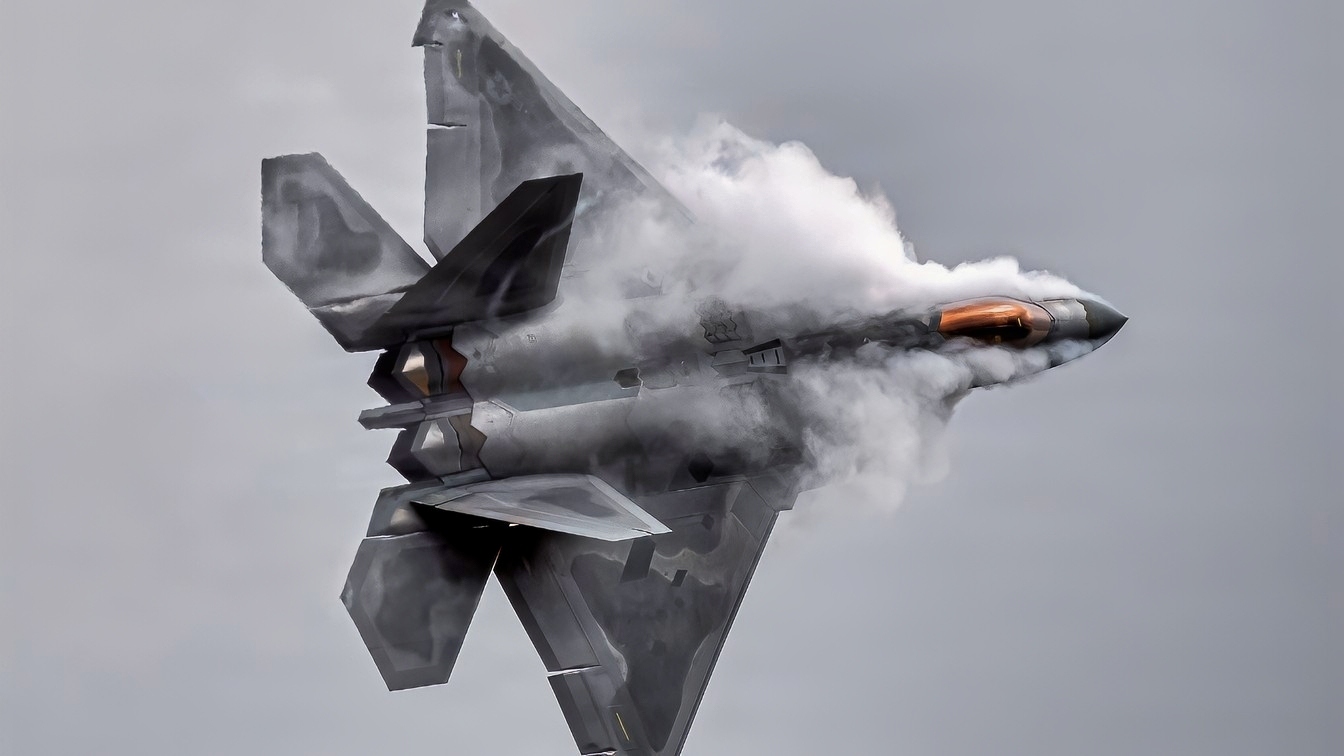
U.S. Air Force Capt. Samuel “RaZZ” Larson, F-22 Raptor Aerial Demonstration Team pilot and commander, performs at the United States Air Force Academy, Colorado Springs, CO, April 14th, 2023. The F-22 Raptor Aerial Demonstration showcases the unmatched maneuverability of the airframe by executing a series of combat maneuvers to inspire Americans and their allies, and deter foreign adversaries. (U.S. Air Force video by Staff Sgt. Michael Bowman)
The Treasury Department has uncovered nearly $15 billion that moved through potential Iranian shadow banking networks since January 2025, as part of an effort to cut the regime’s financial lifeline.
The Treasury’s Office of Foreign Assets Control (OFAC) targeted Tehran’s shadow banking network, which included operatives in Iran, Dubai, Hong Kong, and Turkey, and which officials say enables Tehran to bypass U.S. restrictions, sell oil and petrochemicals, and settle transactions in Russian rubles and Chinese yuan.
The funds originated from banks in China, Singapore, and the United Kingdom.
They were routed to financial institutions based in the United Arab Emirates, according to a new report from the Treasury’s Financial Crimes Enforcement Network (FinCEN).
According to Iran International’s count, the sanctions package comprises 22 entities and eight individuals.
Iranian Rial Falls To Record Low Against The Dollar
The Treasury Department’s sanctions are part of “Operation Economic Outcast,” launched in late August 2026. Following the announcement, Iran’s rial slid on the black market on Tuesday, trading around 2.82 million to 2.848 million rials per U.S. dollar.
“Iran’s economy is underwater, and its leaders are panicking,” Treasury Secretary Scott Bessent said in a released statement. “Iran’s shadow banking system is the last financial lifeline of a bankrupt regime. Treasury will continue dismantling these illicit networks until we have buried the head of the snake.”
How Iran’s Shadow Banking Works
According to Treasury, the Central Bank of Iran oversees a system of domestic currency exchange houses paired with “rahbar” companies, which are affiliates of Iranian banks.
Those entities run thousands of foreign shell firms, mostly in the UAE and Hong Kong, that collect payment for Iranian oil, petrochemicals and metals and then quietly net the money out.
Monday’s list reads like a directory of that network. Recaz Star General Trading in Dubai handled hundreds of payments totaling more than $170 million tied to Sadaf Exchange.
OGA Global General Trading ran millions in payments for the state-owned National Iranian Tanker Company.
Treasury says the National Iranian Oil Company used Gespl International General Trading to launder oil and petrochemical proceeds.
Robust Trading processed payments for the already-sanctioned National Iranian Copper Industries Company. Bank Sarmayeh’s Rahbar affiliate, Rahbar Bazargani Nesim Baharan Qeshm, got hit along with three of its officials.
The H N B Trading Co, designated under counterterrorism authorities for taking money from a front company tied to Iran’s Armed Forces General Staff to help pay for a vessel charter.
The Biggest Fish In The Net
Arguably, the most important name on the list is the Iran Center for Exchange of Currency and Gold.
It’s the clearinghouse that matches Iranian exporters holding foreign currency with importers who need it, across tens of billions of dollars in trade each year.
The Treasury Department says the Central Bank uses bonds issued by the center to settle cross-border trade in Russian rubles and Chinese yuan without touching the U.S. dollar.
Moscow, Beijing and Tehran have spent years building payment rails that sit outside the dollar system. Sanctioning a front company in Dubai is a nuisance for Iran.
Sanctioning the exchange at the center of the ruble-and-yuan pipeline is a shot at the architecture itself.
Desperation Setting In, Iran’s Economy Is Forcing Tehran’s Hand
The Institute for the Study of War (ISW), in its November 23 assessment, stated that Iran’s economic situation is calling for the regime to launch military operations in an attempt to end the US blockade, which is crushing the economy.
For the first time, regime officials are reconsidering whether they can outlast the blockade. Protests, although small-scale, are popping up across the country.
“Iranian Parliament Speaker Mohammad Bagher Ghalibaf’s adviser Mahdi Mohammadi argued on November 11 that stalled negotiations, US economic pressure, and “cognitive operations” could spark internal unrest, and added that Iran could justifiably launch a full-scale war against the United States to lift the blockade,” ISW wrote.
To lay the groundwork for potential full-scale combat operations, the IRGC launched strikes against US Patriot air defense radars at the al Riffa and Awali Sakhir Air Bases in Bahrain, to degrade US air defenses and make them easier to penetrate if major combat resumes.
About the Author: Steve Balestrieri
Steve Balestrieri is a National Security Columnist. He served as a US Army Special Forces NCO and Warrant Officer. In addition to writing on defense, he covers the NFL for PatsFans.com and is a member of the Pro Football Writers of America (PFWA). His work was regularly featured in many military publications.


