

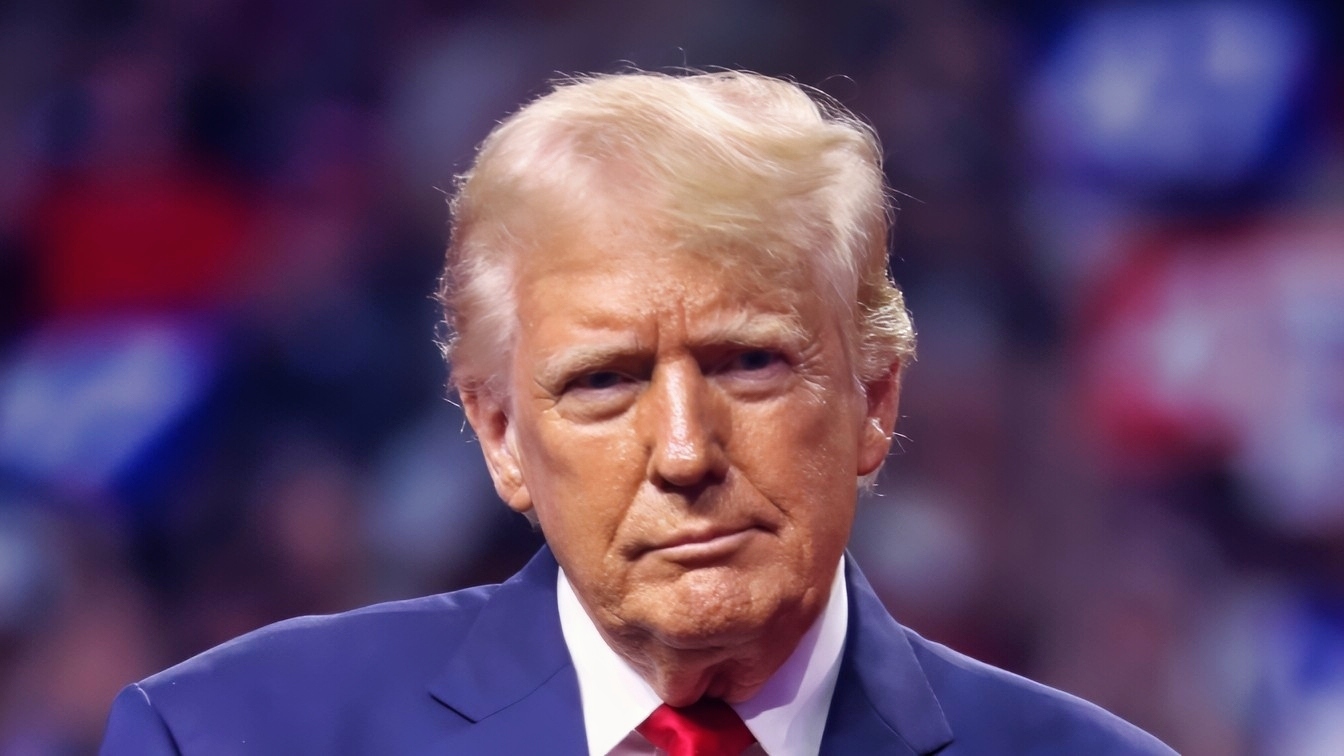
President Donald Trump is warning that the United States may carry out further strikes on Iran in the new year if ongoing negotiations don’t resolve the conflict.
Washington and Tehran remain divided on the terms of a peace deal, with Washington seeking further restrictions on Tehran’s nuclear program and Tehran seeking an end to the U.S. naval blockade of its ports and an end to American sanctions.
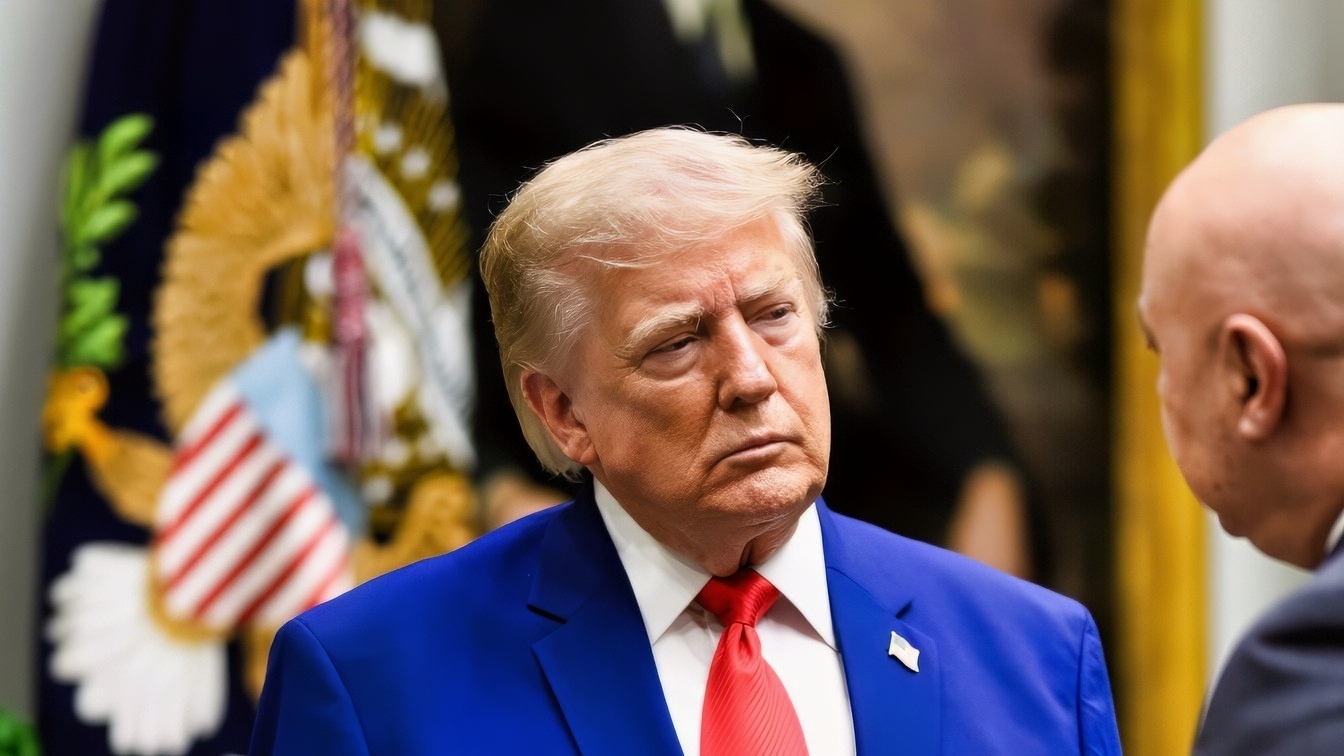
President of Lebanon Joseph Aoun signs the guest book in the Roosevelt Room of the White House, Tuesday, July 21, 2026, before a bilateral meeting with President Donald J. Trump. (Official White House Photo by Daniel Torok)
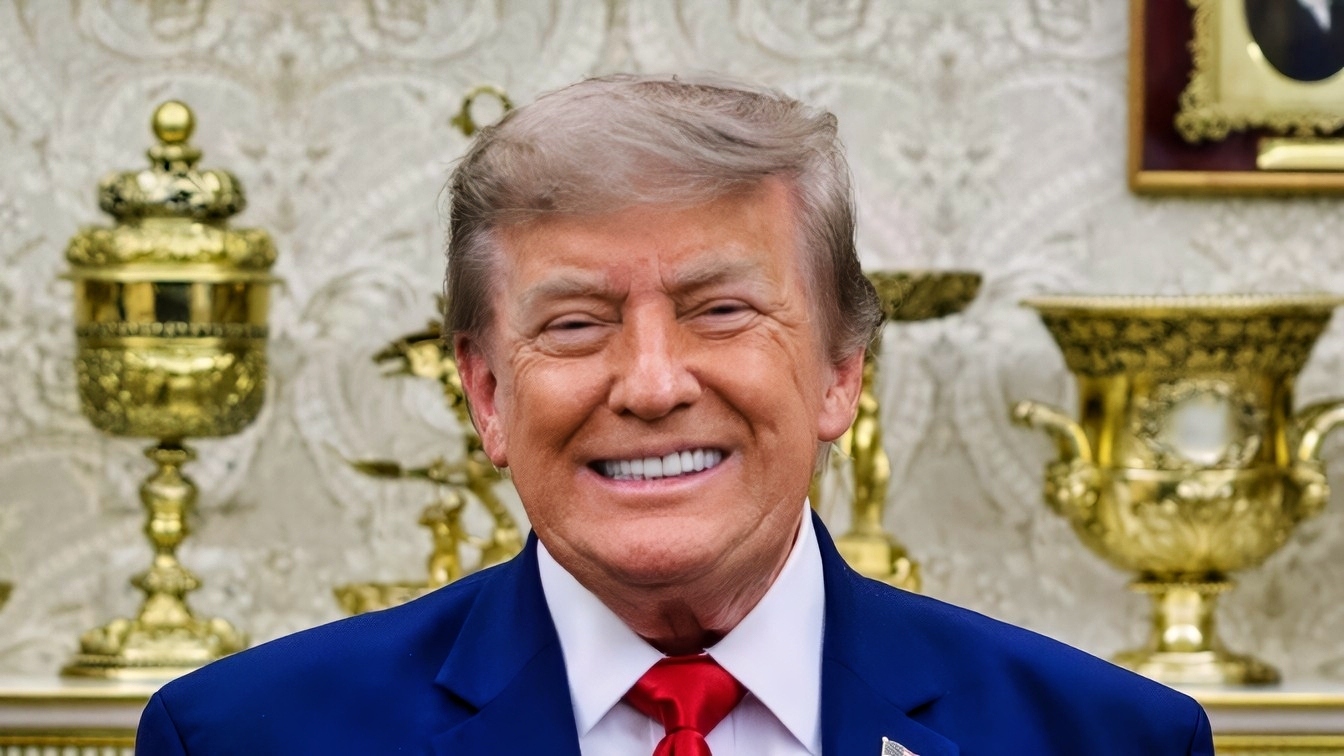
Donald Trump In Meeting in White House. Creative Commons.
“The President told Fox News he is inclined to resume strikes on Iran after the new year if no deal is reached,” Trey Yingst of Fox News reported Nov. 22.
Trump said that conversations are still ongoing indirectly, but described the Iranians as “professional tap dancers” and declared “all they do is talk, but it’s all BS.”
Trump then posted on Truth Social, claiming the Iranians have become “more aggressive” since the Democrats won control of Congress in the recent midterm elections and stating that Iran sees the Democrats as “weak” and “ineffective.”
The conflict in Iran, along with rising energy prices, were two leading factors in the Republican loss during the midterms, according to several polls.
Iran Steps Up Attacks
Trump’s comments come in the wake of intensified Iranian attacks on commercial shipping in the Strait of Hormuz and targeting of U.S. military facilities in Bahrain and Kuwait.
An Iranian strike against a Bahraini industrial facility on Nov. 21 left two people injured, one of them critically.
The President also stated that Iran has launched more drones and missiles in the past week than during the previous period since the conflict began this past February, but said that “they’ve all been knocked down.”
The intensifying attacks have prompted several Persian Gulf nations, including Saudi Arabia, Qatar and the United Arab Emirates, to call on Washington to pursue a diplomatic resolution to the conflict.
Gulf states faced thousands of Iranian drone and missile attacks in the first weeks of the war, which broke out Feb. 28 after joint U.S. and Israeli strikes on Iran.
Iran Says Qatar Acting as Mediator
Iran says diplomatic efforts to end the conflict are underway, with Qatar acting as an intermediary. Deputy Foreign Minister Kazem Gharibabad recently hosted a Qatari delegation.
Gharibabad has said Tehran will not transfer its nuclear stockpile outside the country as part of any potential deal with Washington.
Before it agrees to resume formal negotiations, Iran is demanding economic relief, specifically asking that Washington lift the naval blockade of its ports and maritime trade routes, ease sanctions, and unfreeze various frozen Iranian assets.
What Washington Wants
Meanwhile, Washington is still calling for further restrictions on Iran’s uranium enrichment activities, and for the destruction of its stockpile of highly enriched uranium, as well as the resumption of international inspections of Iranian nuclear facilities.
The U.S. naval blockade of various Iranian maritime routes and ports has been in place since July.
The measure has limited Iran’s ability to export oil and therefore its ability to generate revenue.

Littoral Combat Ship Deck National Security Journal Image by Stephen Silver.
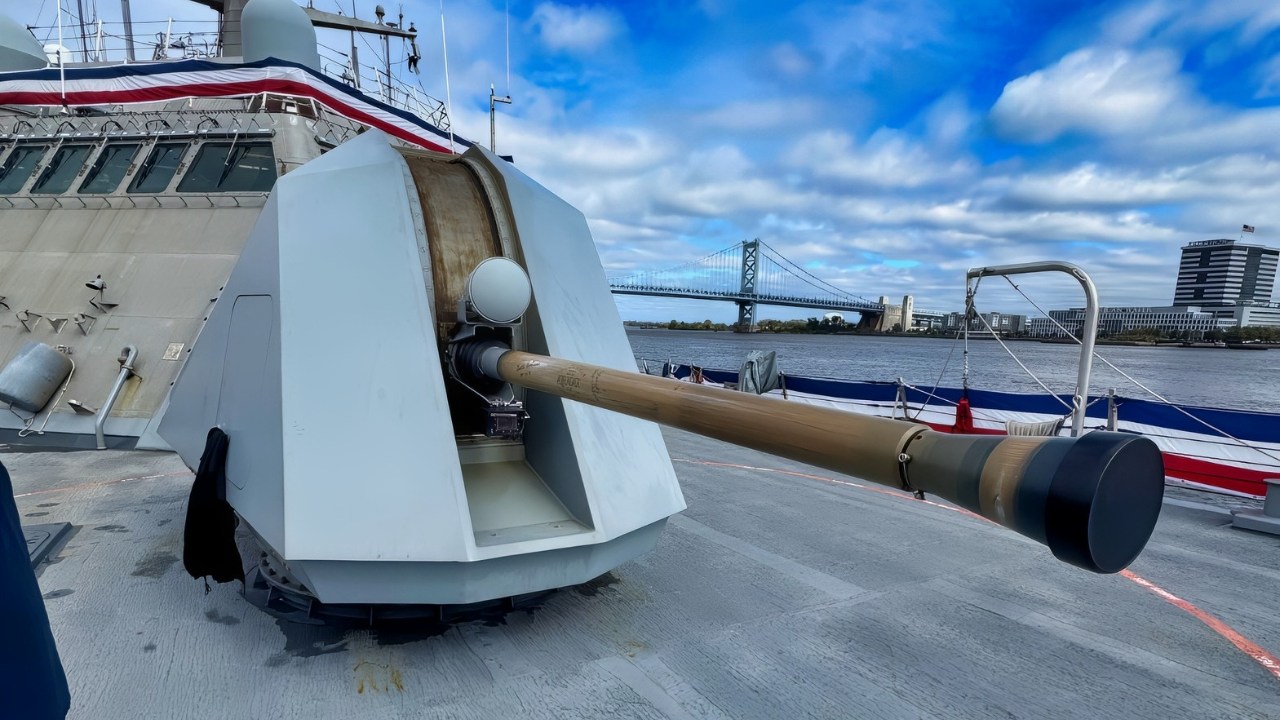
Littoral Combat Ship Deck Gun U.S. Navy. Image Taken by National Security Journal on October 14, 2025.
The blockade has also reportedly prevented the import of certain essential goods into Iran, where inflation has risen to approximately 90 percent.
What Comes Next?
State-backed Iranian media recently said that Tehran may attempt to push vessels through the blockade despite U.S. restrictions.
“That Iran will not tolerate a long-term naval blockade and will certainly break it is a foregone conclusion, and has been stated repeatedly by official military and civilian authorities,” Tasnim reported Nov. 22.
Trump, however, has said that any attempt by Tehran to bypass the blockade could lead to a U.S. military response.
“I hope they do. They’ll be at the bottom of the sea like the rest of the navy,” Trump told Fox News.
Following the outbreak of conflict with the U.S. and Israeli attacks on Iran, the initially stated U.S. war aims of regime change were not achieved.
A ceasefire was later announced in April and a preliminary agreement reached in June aimed at a longer-term settlement.
However, the June deal broke down days later as hostilities resumed.
Trump said the previous deal was “over” on July 7. Iran subsequently suspended the deal, which formally expired in August.
About the Author: Charlie Nash
Charlie Nash is a journalist and author whose work has appeared in The Spectator, Mediaite, New Statesman, and the American Conservative, among other major publications. His reporting has been featured by The Washington Post, Fox News, the Daily Beast, MS NOW, NewsNation, Hannity, and more. You can follow Charlie on X at @CharlieNash and on LinkedIn.


