

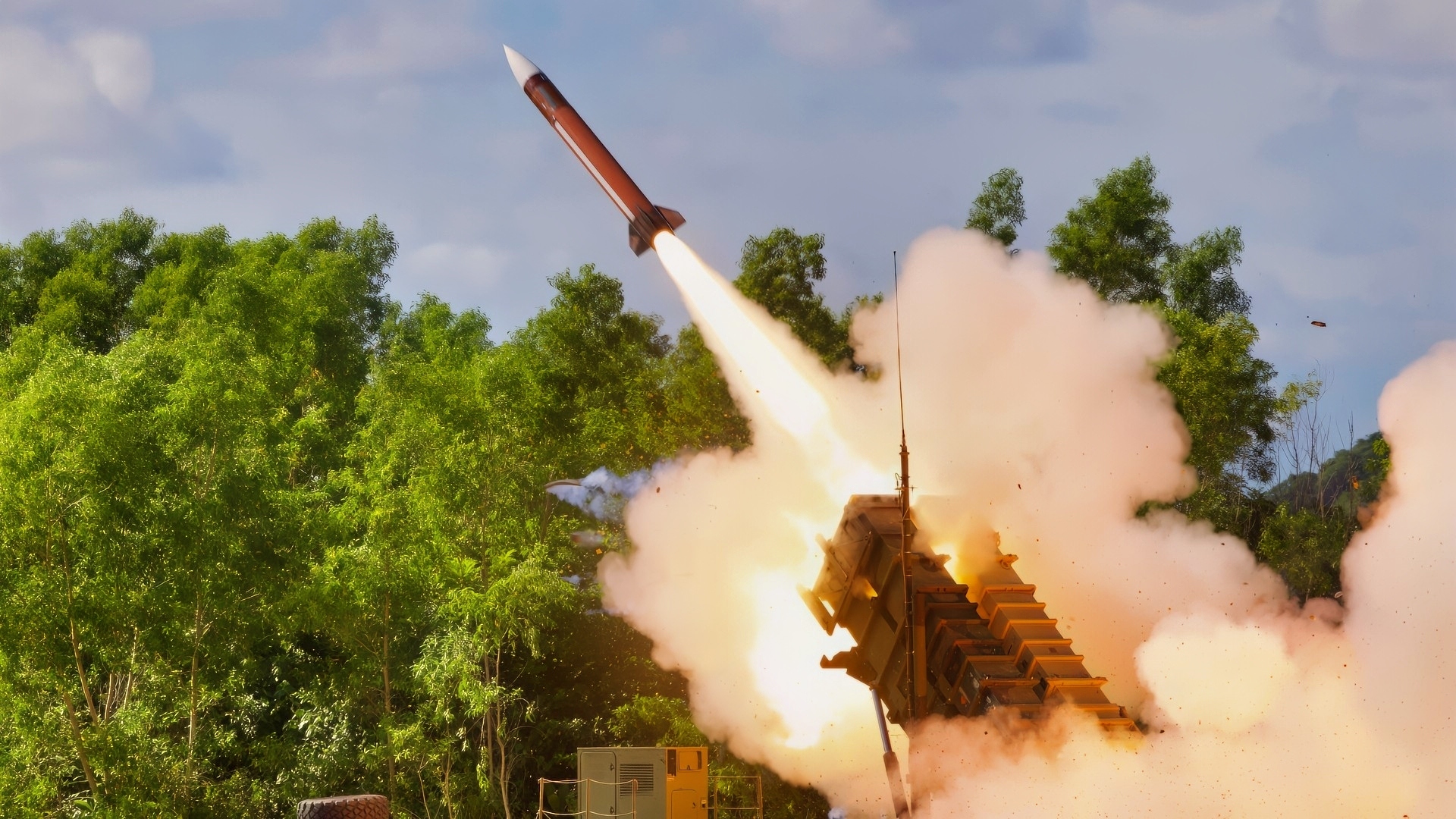
Around 60 Patriot air defense interceptors that Washington earmarked for Ukraine have not yet been delivered to the country, held in a kind of administrative limbo despite Washington’s promises to Kyiv to send the defensive weaponry.
Reporting from the Financial Times showed that American Secretary of Defense Pete Hegseth is holding up PAC-2 and PAC-3 air defense interceptors in the United States and Europe.
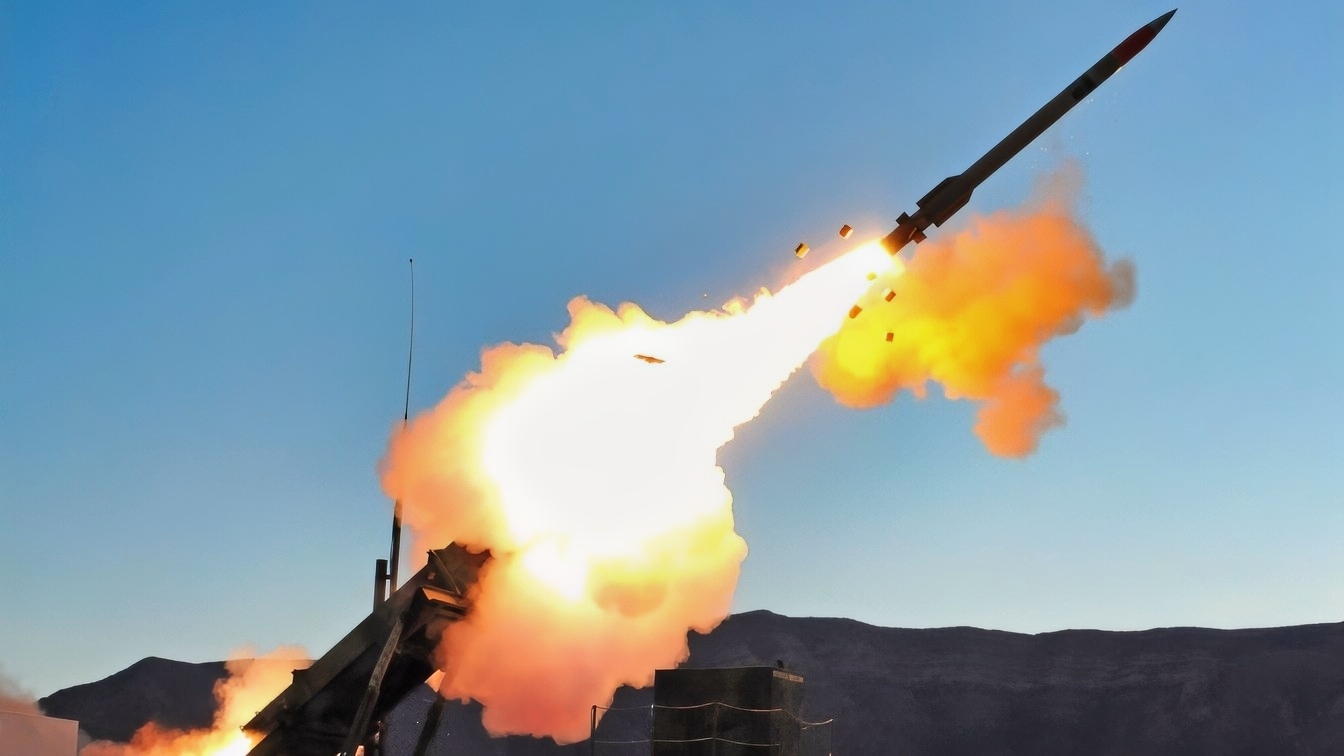
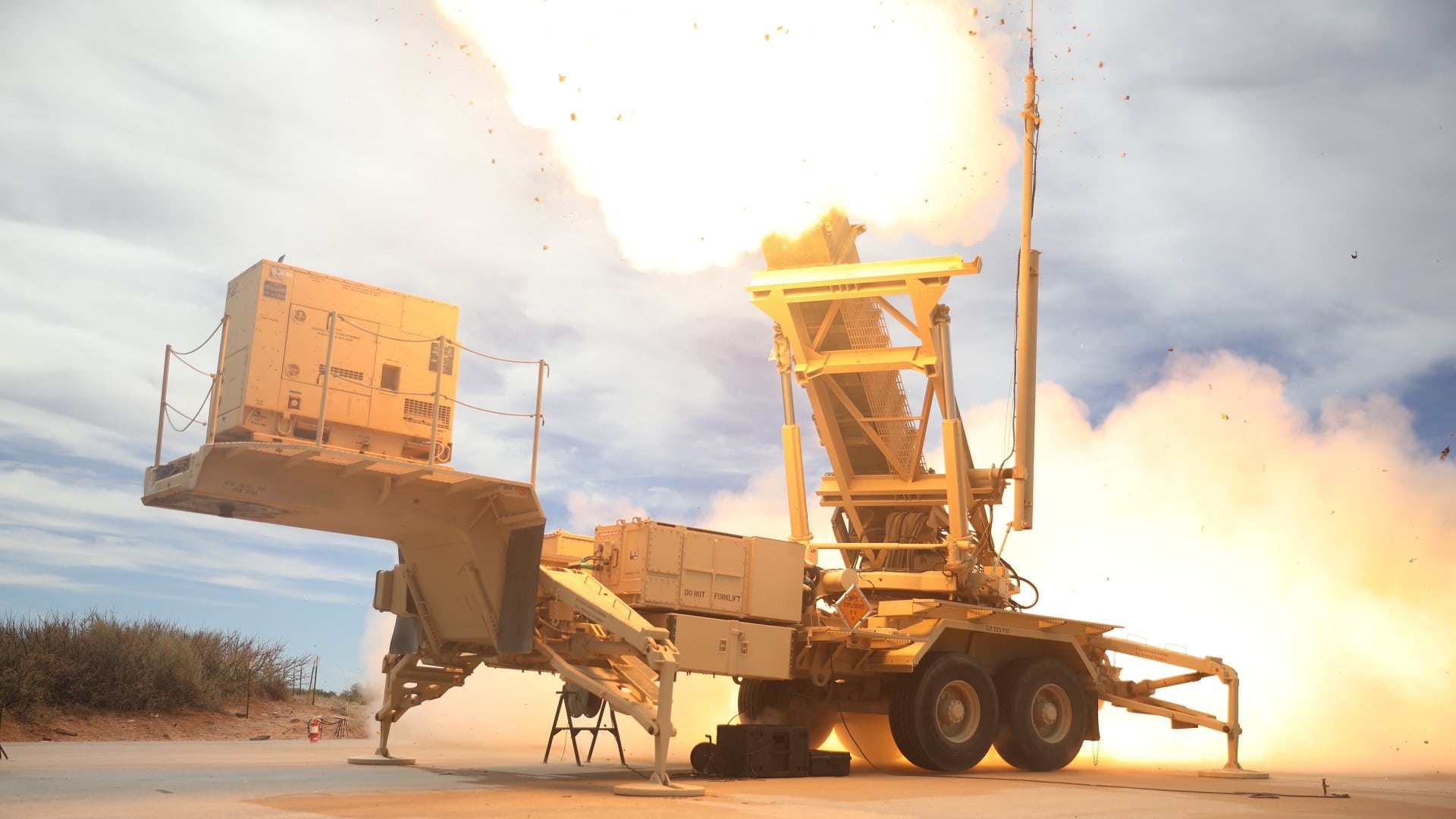
The Army test fires a Patriot missile in a recent test. The Patriot missile system is a ground-based, mobile missile defense interceptor deployed by the United States to detect, track and engage unmanned aerial vehicles, cruise missiles, and short-range and tactical ballistic missiles. Patriot, along with other missile defense systems, are included in the Army Air and Missile Defense 2028, which provides the Army’s overarching vision for the AMD force, describes how the AMD force is postured to support the Army and joint forces, and articulates what must be accomplished to achieve the 2028 desired end state of preventing and defeating adversary air and missile attacks through a combination of deterrence, active and passive defense, and support to attack operations. (U.S. Army photo)
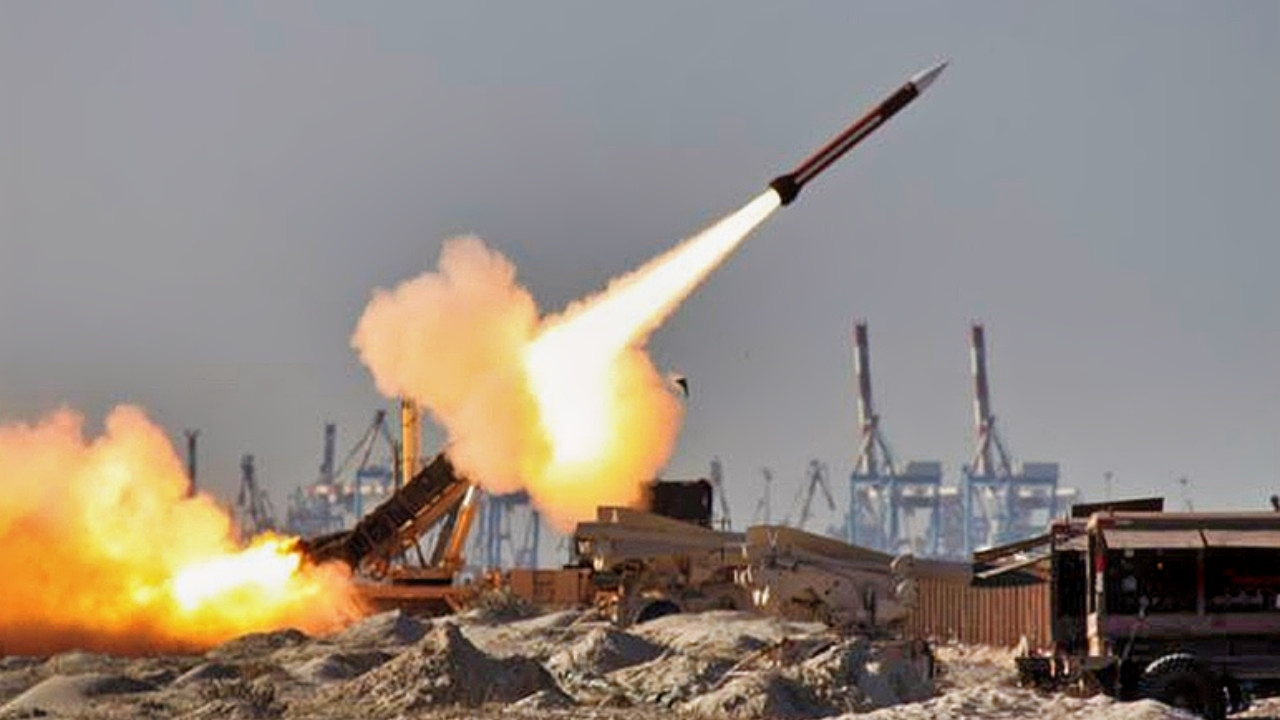
Patriot Missile Interceptor Test. Image Credit: Creative Commons.
As the interceptors are subject to American export controls, they need prior approval from the United States before they are sent elsewhere, permission that Hegseth is apparently not providing Ukraine.
The Patriot missile delay has coincided with an intensifying Russian campaign against Ukrainian civilian infrastructure as the country heads into some of the coldest winter months of the year.
Heating infrastructure, power substations, water treatment plants, and a variety of related civilian facilities have increasingly come under fire.
Patriot Air Defense Interceptors
The Patriot air defense system was developed in the United States to respond to a new kind of threat — engaging aircraft and missiles that were too fast for conventional anti-aircraft weapons or early surface-to-air systems to engage.
Developed in the 1970s, Patriot entered service in the mid-1980s initially as an air defense system, but was later adapted with more capable interceptor missiles to intercept tactical ballistic missiles as well.
The original Patriot was conceived of during the Cold War to defend against aircraft and cruise missiles.
Its radar, command post, and mobile launchers were meant to provide a layer, mobile shield that could move as the situation required.
The 1991 Gulf War turned Patriot into a powerful political symbol too, as the system’s interceptors were used to great effect to protect against Iraqi Scud missiles.
Early Developments
But Patriot’s combat debut exposed some limits too.
The systems could sometimes disrupt incoming missiles, but their early antimissile performance was not entirely reliable.
Patriot’s initial shortcomings led to redesigns and ultimately yielded improved radar, better communications, and, most importantly, new interceptors.
PAC-2 and PAC-3 are not updated variants of the original Patriot interceptor missiles but entirely new munitions. PAC-2 is the older, larger of the two, and carries a blast-fragmentation warhead designed to explode near a target and destroy it.
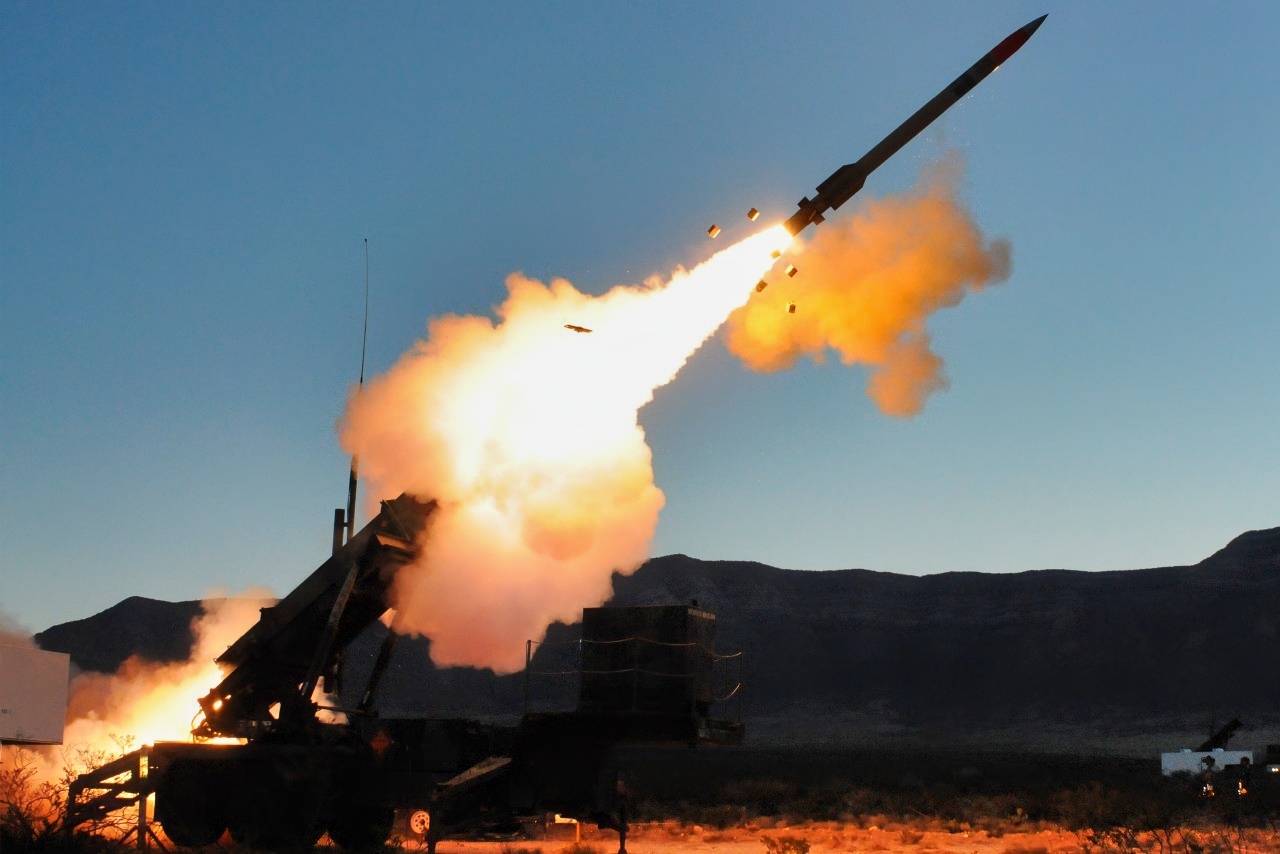
The PAC-3 MSE is a highly sought-after air defense munition due to its advanced capabilities and versatility. As a next-generation interceptor, it offers improved range, speed, and maneuverability, making it an effective counter to a wide range of threats, including tactical ballistic missiles, cruise missiles, and aircraft. (Official U.S. Army photo)
Patriot Missile. Image Credit: Creative Commons.
It is useful against aircraft, cruise missiles, and some slower ballistic missiles.
PAC-3 was a clean-sheet design. Smaller and more agile than its predecessors, it is a hit-to-kill interceptor.
Instead of exploding near a target, PAC-3 interceptors strike an incoming missile directly and rely on kinetic energy to destroy threats.
An active radar seeker guides the missile in its final second of flight, allowing it to discriminate and engage a variety of fast-moving threats.
While PAC-2 interceptors are useful to Ukraine, particularly for broad air defense, PAC-3 interceptors are especially needed by Kyiv’s forces to defend against Russia’s Iskander ballistic missiles and other high-speed weapons launched at Ukraine.
Supply and Demand
One of Ukraine’s central problems now is the supply of Patriot interceptors.
Kyiv has been receiving far fewer Patriot missiles than it needs, while Russian strikes on energy infrastructure have intensified.
Some reports indicate that Ukraine faces a growing gap between the missile interceptors it can fire and the incoming missiles it needs to shoot down.
“It is very important that America authorize the transfer of missiles for Patriot systems that our partners have already paid for,” Ukrainian President Volodymyr Zelensky said over the weekend.
But the ongoing war in Iran has caused a global supply squeeze as American allies in the Middle East have expended Patriot missiles in defense of their territory against Iranian drone and missile attacks.

Iskander-M. Image Credit: Creative Commons.
The Patriot air defense system is Ukraine’s most capable defense against Russian ballistic missile attacks. Still, it is slow to manufacture and expensive—factors that have dovetailed, forcing Ukraine to make difficult decisions about which sites to defend and which not to.
It is a difficult wartime calculation, and one Washington seems unmotivated to alleviate.
About the Author: Caleb Larson
Caleb Larson is an American multiformat journalist based in Berlin, Germany. His work covers the intersection of conflict and society, focusing on American foreign policy and European security. He has reported from Germany, Russia, and the United States. Most recently, he covered the war in Ukraine, reporting extensively on shifting battle lines in Donbas and writing about the war’s civilian and humanitarian toll. Previously, he worked as a Defense Reporter for POLITICO Europe. You can follow his latest work on X.


