

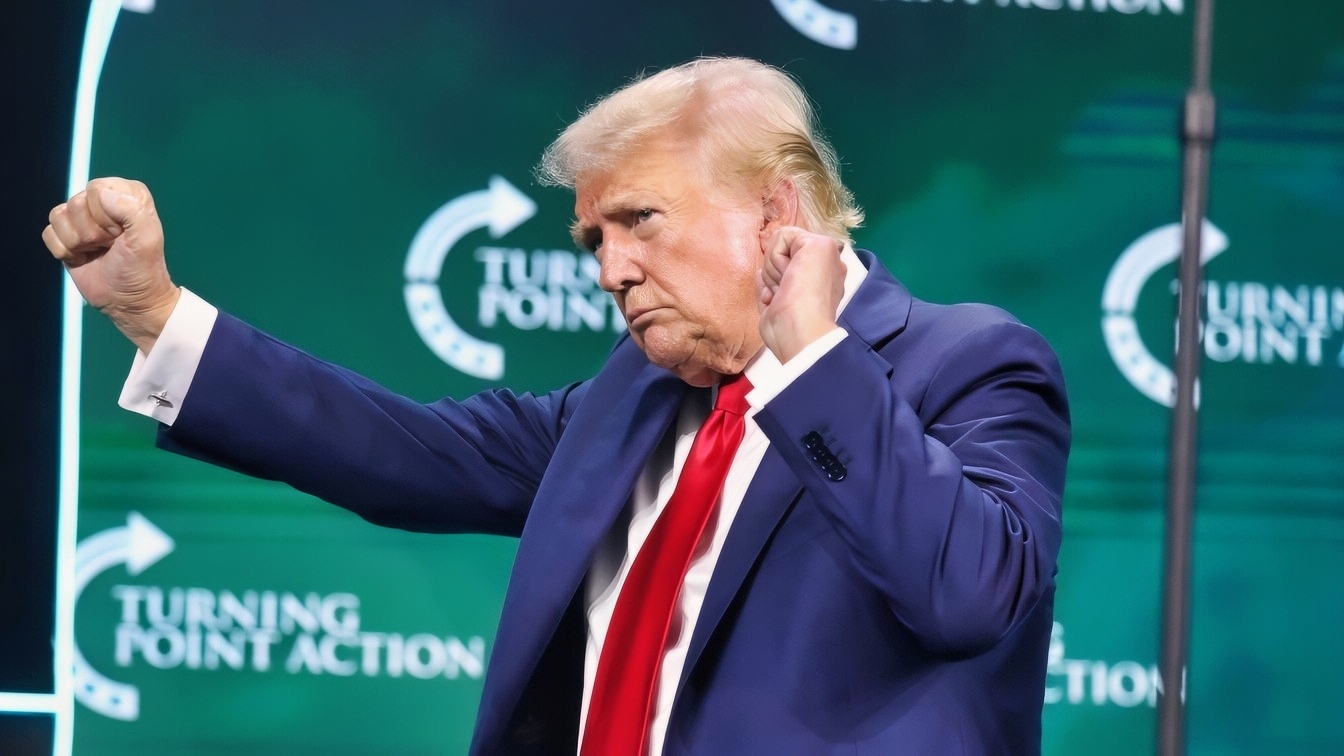
Two oil tankers were damaged after hitting mines in the Strait of Hormuz on Wednesday — just the latest in a string of commercial vessels that have either been sunk or damaged in the strait amid President Donald Trump’s ongoing war against Iran.
Iran’s Islamic Republic News Agency reported the incident in an article, claiming that fires erupted in the engine rooms of two oil tankers after they hit naval mines while transiting the strait.
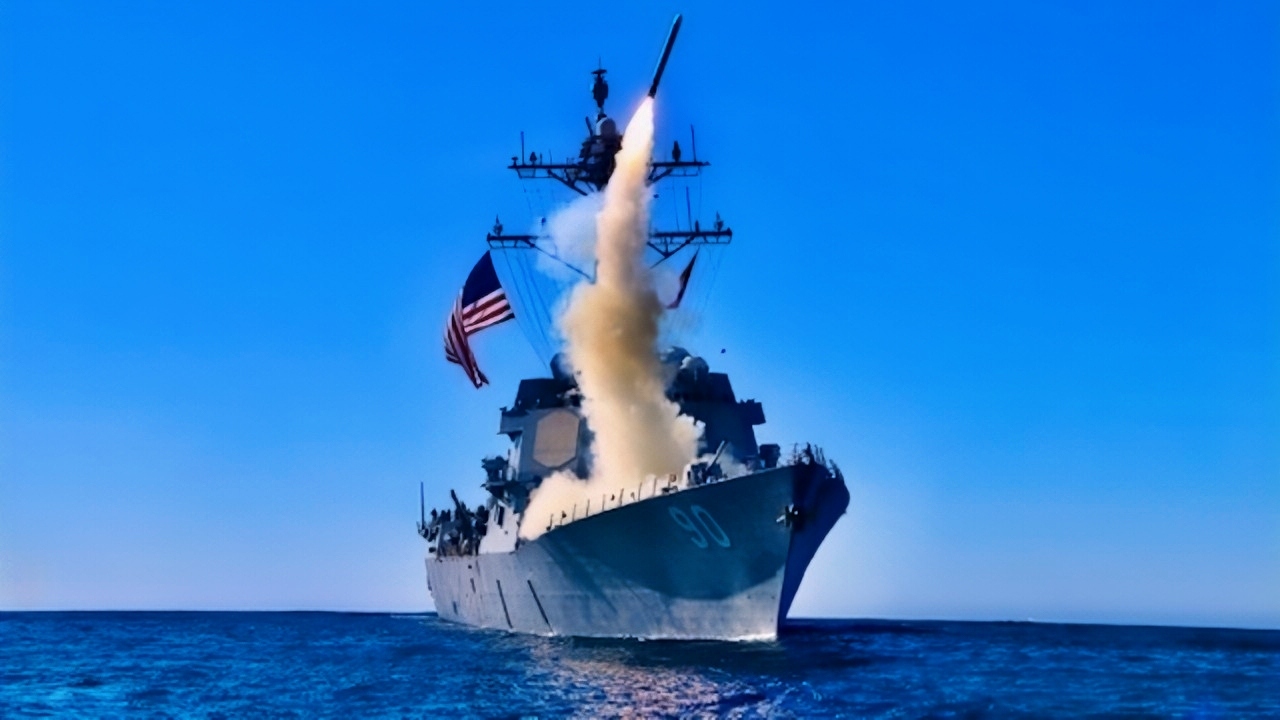
(Dec. 01, 2020) – The guided-missile destroyer USS Chafee (DDG 90) launches a Block V Tomahawk, the weapon’s newest variant, during a missile exercise. This event marked the first time a Block V Tomahawk missile was operationally tested, marking the Navy’s transition to a more advanced capability for the fleet. Block V includes an upgrade that will enhance navigation performance and provide robust and reliable communications. Chafee is currently assigned to Carrier Strike Group ONE and is homeported in Pearl Harbor. (U.S. Navy photo by Ens. Sean Ianno/Released)
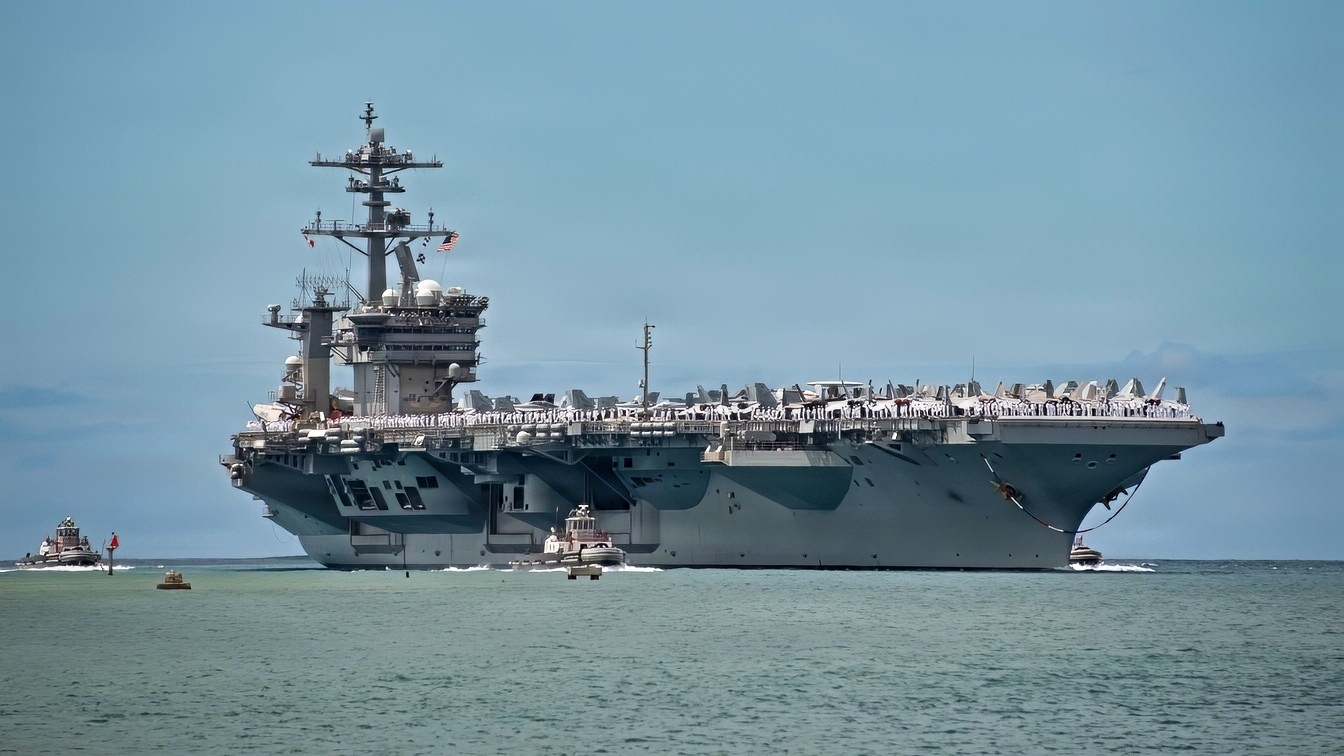
Nimitz-class aircraft carrier USS Theodore Roosevelt (CVN 71) arrives at Joint Base Pearl Harbor-Hickam, Hawaii, to participate in Exercise Rim of the Pacific 2026, June 23, 2026. Thirty-one nations, more than 36 surface ships, 5 submarines, 15 national land forces, more than 206 aircraft and 25,000 personnel are participating in RIMPAC in and around the Hawaiian Islands, June 24 to July 31. The world’s largest international maritime exercise, RIMPAC provides a unique training opportunity while fostering and sustaining cooperative relationships among participants critical to ensuring the safety of sea lanes and security on the world’s oceans. RIMPAC 2026 is the 30th exercise in the series that began in 1971. (U.S. Navy photo by Mass Communication Specialist 1st Class Erik Melgar)
Mines Set Off a ‘Massive Explosion and Fire,’ According to Iran’s IRGC
“These oil tankers imagined they were secretly passing through the fake route of the Strait of Hormuz, but the naval mines blocked their passage, setting off a massive explosion and fire,” the IRNA reported, citing the Islamic Revolutionary Guard Corps’ (IRGC) Navy Public Relations Department.
“The IRGC Navy’s Strait of Hormuz Traffic Control Center warned all crews of ships with their navigation and positioning systems switched off to be careful that American officials’ lies do not drag them into the explosion and fire of naval mines.”
Later on Wednesday, Iranian media reported that a third vessel had also caught fire in the Strait of Hormuz after hitting a naval mine in a “restricted zone” of the waters.
What Can We Believe?
While other outlets, other than Iranian-backed government outlets, are also reporting the story, we cannot confirm these events, and, as we have reported in the past, Iran has many times embellished its reporting of tanker attacks. However, we do know such attacks have occurred, as evidenced by widespread environmental damage and oil leaks due to the war.
Attacks on Vessels in the Strait of Hormuz Hit an All-Time High Last Month
Attacks on ships in the Strait of Hormuz hit an all-time high in October, with at least 28 confirmed strikes — twice as many attacks as the previous month — as the conflict shows no signs of slowing down.
Despite the attacks, Trump has repeatedly insisted that the Strait of Hormuz is in U.S. hands.
“We don’t need a deal with Iran. Those days have long since passed,” wrote Trump in a Truth Social post earlier this month. “We’ve got their money, Hundreds of Billions of Dollars, and we’ve got their Strait! Thank you for your attention to this matter.”
The International Maritime Organization Has Warned Waters Are Unsafe to Transit
During an interview with Bloomberg, International Maritime Organization (IMO) Secretary-General Arsenio Dominguez warned that despite Trump’s claims, the Strait of Hormuz remained unsafe for ships to transit due to attacks from mines, drones, and missiles.
“There is no confirmation that the strait has been cleared of mines, so it is very difficult for me to come here and say it is clear of any hazards on top of attacks from drones and missiles that we are experiencing on merchant ships,” he said.
This month, an oil supertanker carrying two million barrels of fuel sank in the strait after hitting a mine.
A spokesman for Iran’s armed forces warned commercial vessels on Wednesday that they must coordinate with the country’s military to ensure safe passage through the Strait of Hormuz, or risk damage from naval mines while transiting so-called “unauthorized” routes.
“He also said that the enemy had pursued objectives beyond nuclear, regional and missile-related issues in its plans to attack Iran,” reported Iran’s Fars News. “But the Islamic Republic’s resistance and effective measures had prevented it from achieving those goals.”
About the Author: Charlie Nash
Charlie Nash is a journalist and author whose work has appeared in The Spectator, Mediaite, New Statesman, and the American Conservative, among other major publications. His reporting has been featured by The Washington Post, Fox News, the Daily Beast, MS NOW, NewsNation, Hannity, and more. You can follow Charlie on X at @CharlieNash and on LinkedIn.


