


Amid divisions within Israel’s political and security establishment over whether to launch further strikes on Iran, the country’s military has said it is prepared to carry out such an operation without U.S. support if necessary.
The office of an Israeli government minister confirmed to The Times of Israel on Wednesday that caretaker prime minister Benjamin Netanyahu would convene his security cabinet on Thursday evening.
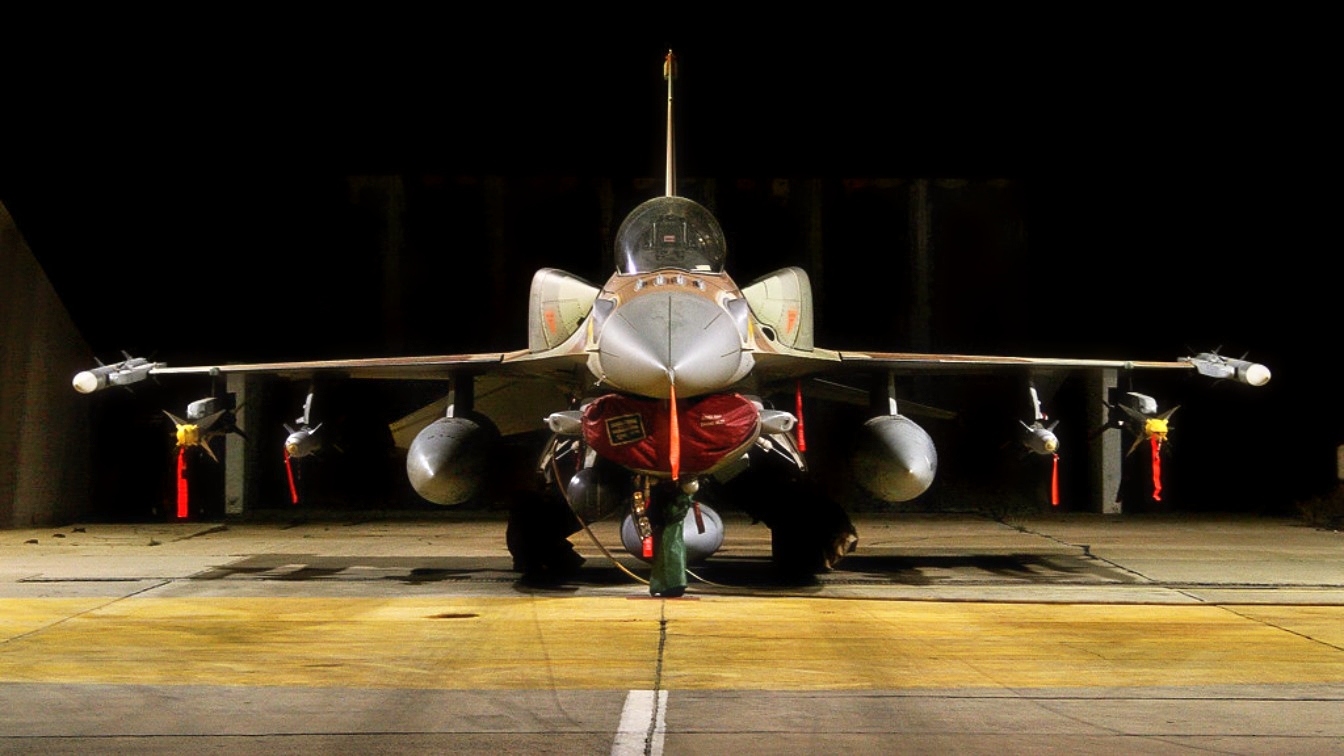
Israeli F-16 Fighter Jet IDF Flickr Photo
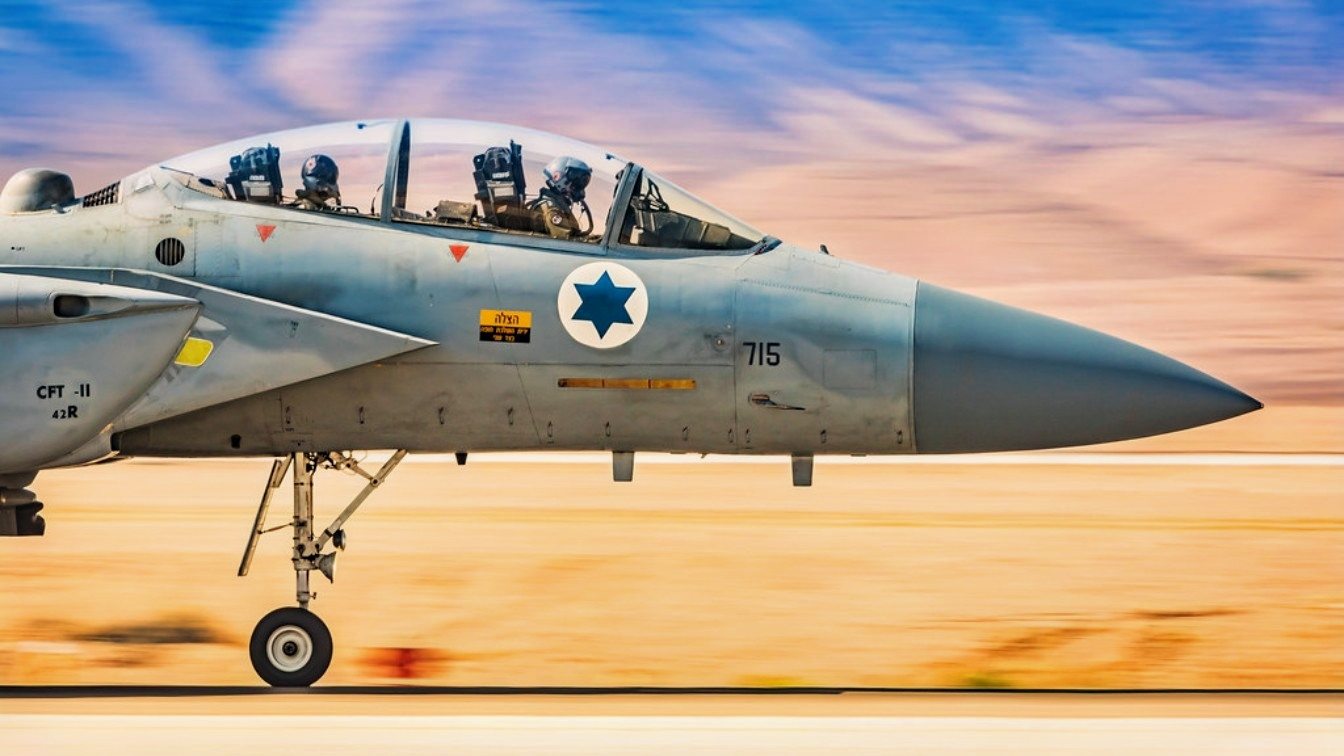
Israeli Air Force F-15I Image Credit IDF
No decision to resume military operations against Iran has been publicly announced.
Israel ‘Ready to Strike With Force’
Speaking to Israel’s public broadcaster Kan on Thursday, Israel Defense Forces (IDF) spokesperson Brig. Gen. Effie Defrin stressed that the Israeli military was able to conduct operations in the absence of U.S. involvement.
“We are monitoring the situation and are ready to strike with force at any moment, including on our own, without the Americans,” Iran International quoted Defrin as saying.
“There is no change in the guidelines,” he said, referring to instructions for the Israeli public.
Caretaker Defense Minister Israel Katz told Israeli reporters in his Tel Aviv office on Tuesday that Iran “is in the process of developing chemical weapons.”
Israel’s defense minister also discussed defense coordination between the IDF and U.S. Central Command (CENTCOM), telling the press that: “The plans are ready.”
Kushner Promotes Economic Diplomacy
U.S. President Donald Trump’s son-in-law and special envoy Jared Kushner promoted an alternative strategy for Israel during an appearance on German media executive Mathias Döpfner’s MD Meets podcast, released on Wednesday.
Israel “needs to get out of the constant wartime mindset and focus on economic diplomacy,” The Times of Israel quoted Kushner as saying.
He went on to suggest that an end to the Gaza conflict could pave the way for Israeli collaboration with Egypt on setting up data centers and on energy ventures in the Sinai Peninsula.
Kushner did not entirely rule out continued U.S. military action against Iran.
“President Trump always keeps all his options on the table,” Kushner told Döpfner.

Iron Dome from Israel. Image Credit: Creative Commons.

F-15I Ra’am from Israel. Image Credit: Creative Commons.
He also said the U.S. had held several meetings with Iranian representatives, though he did not elaborate on when these took place.
Bibi Favors Coordination With U.S.
CBS News also reported that Netanyahu’s government would still favor an operation coordinated with Washington.
Israel held an inconclusive parliamentary election on October 27, in which Netanyahu’s governing coalition lost its majority.
Gadi Eisenkot, a former IDF chief of staff and chairman of the Yashar party, was tasked by Israeli President Isaac Herzog with forming the country’s next government.
“I do not see today a direct and immediate threat to the State of Israel that requires action before a government is formed,” Eisenkot told Al-Monitor as saying during a meeting of his party’s parliamentary faction on Monday.
Rather, he pointed to Iran’s stockpile of enriched uranium as the key security issue.
Later, speaking to his Likud party faction, Netanyahu accused his adversaries of being politically motivated in their downplaying of security dangers.
“This is real, this is serious, and anyone familiar with the information knows how serious it is,” he said.

Israel’s F-35I Adir Fighter. Image credit: Creative Commons
Avigdor Liberman, chairman of the Yisrael Beytenu party, also expressed concerns at a closed meeting of his party’s faction on Monday.
“The concern is that Netanyahu may see an attack on Iran as his last political way out,” The Jerusalem Post quoted Liberman as saying.
Trump’s Window For Iran Action Is Closing
Netanyahu’s attempt to persuade the United States to join a further attack on Iran may be complicated by the incoming Democratic majorities in Congress, which will take office on January 3.
In an Oval Office interview with the New York Post on Tuesday, Trump said that funding for the U.S. war effort against Iran would last through the end of January 2027.
“But up until really the end of January, pretty much, you know, we’re funded,” he stated.
However, Trump has said he’s ready to allow more time to negotiate.
“I am not rushing into any decision,” he told Axios on November 19, as he was flying back to the United States from China on Air Force One.
While Tehran has signaled that it is still interested in reaching a deal, it is unwilling to give up its highly enriched uranium, Iranian Foreign Minister Abbas Araghchi has said.

Israel’s F-35I Adir Fighter. Image credit: Creative Commons
Reuters quoted Araghchi as telling Iran’s state-owned newspaper, Iran, last week that Tehran was seeking “an agreement that would ensure there was no further war.”
The International Atomic Energy Agency (IAEA) estimated that Iran had 440.9 kilograms of uranium enriched to 60% at the time of Israeli and U.S. attacks on Iran in June 2025.
The current whereabouts and condition of that stockpile remain uncertain.
About the Author: Georgia Gilholy
Georgia Gilholy is a journalist based in the United Kingdom who has been published in Newsweek, The Times of Israel, and the Spectator. Gilholy writes about international politics, culture, and education.


