

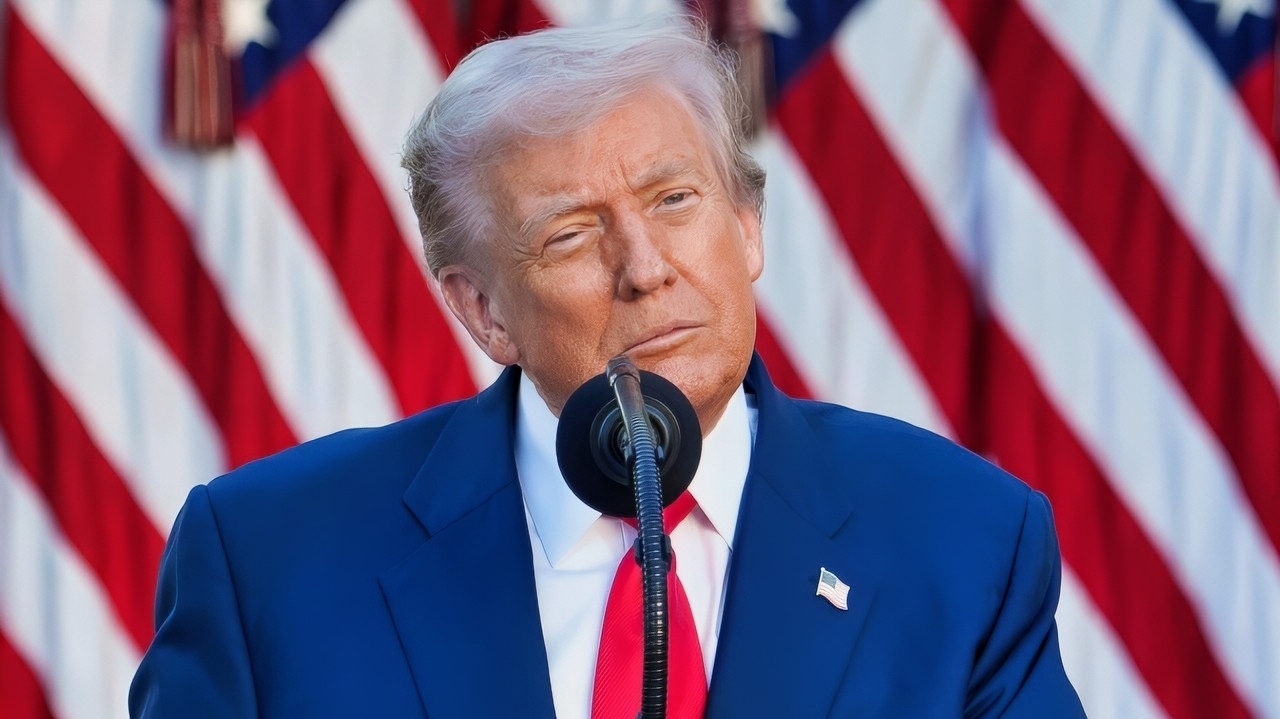
As the Iran War approaches its tenth month and the American naval blockade and economic pressure campaign continues, a number of analysts are questioning whether U.S. President Donald Trump can successfully bring the conflict to an end.
Washington has yet to reach a lasting resolution with Tehran or fully reopen the Strait of Hormuz, a key chokepoint for global energy.
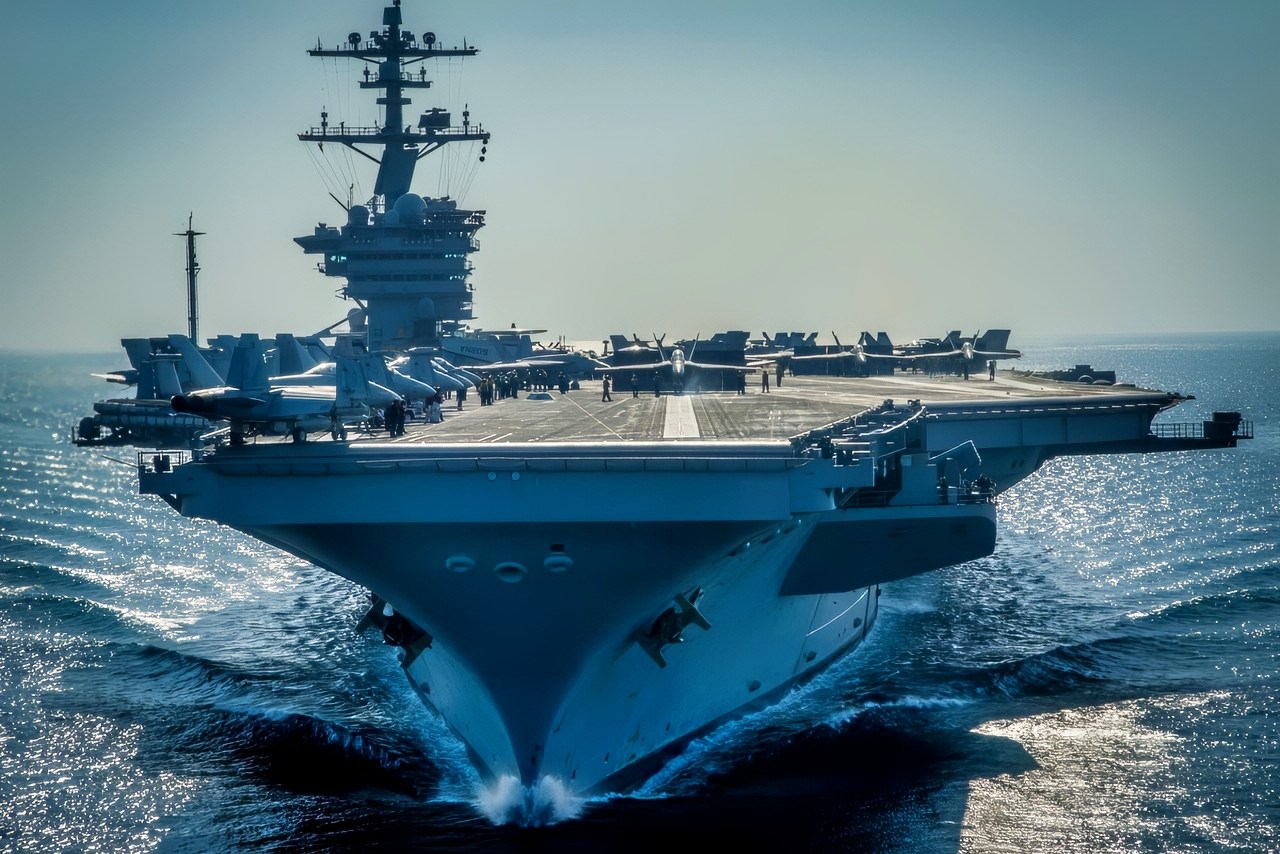
141208-N-WD464-386 ARABIAN GULF (Dec. 8, 2014) The Nimitz-class aircraft carrier USS Carl Vinson (CVN 70) prepares for flight operations in the Arabian Gulf. Carl Vinson is deployed in the U.S. 5th Fleet area of operations supporting Operation Inherent Resolve, strike operations in Iraq and Syria as directed, maritime security operations, and theater security cooperation efforts in the region. (U.S. Navy photo by Mass Communication Specialist 2nd Class Alex King/Released)
Tehran, meanwhile, faces rising inflation and deteriorating economic conditions, but continues to refuse to agree to Washington’s demands over its nuclear program, instead insisting that sanctions relief and a lifting of the American blockade come first.
Trump has repeatedly said his objective is to permanently prevent Iran from acquiring nuclear weapons and has hinted that renewed military action is possible in the new year if a deal is not reached by that time.
However, a number of analysts are questioning the exit plan for the conflict as it continues to destabilize the region and impact the global economy.
Trump Trying to ‘Quiet Quit’ War Without Admitting It’s Failed, Professor Says
Writing Nov. 25 in The Nation, author and professor David Faris said Trump appears to be trying to “quiet quit” the Iran war and avoid facing its failure by delaying major decisions until next year.
“This latest effort to kick the can down the road is very much of a piece with the countless ultimatums Trump has issued and then walked back in the weeks and months since this pointless and ill-conceived war failed to achieve its objectives,” Faris wrote.
Faris adds that the conflict has not succeeded in its aims, writing that “the president finds himself mired in an open-ended standoff that not only strengthened the Iranian regime and its resolve but has also sent catastrophic ripple effects through the global economy.”
Neither Side Appears Willing to Reenter ‘Renewed, All-Out Conflict’: Middle East Analyst
Mona Yacoubian, who heads the Middle East program at the Center for Strategic and International Studies, recently said the war appears to be in a stalemate.
She said that Tehran appears to have hardened its negotiating stance in recent months, blocking Washington from reaching a deal and preventing an “off-ramp” for Trump.
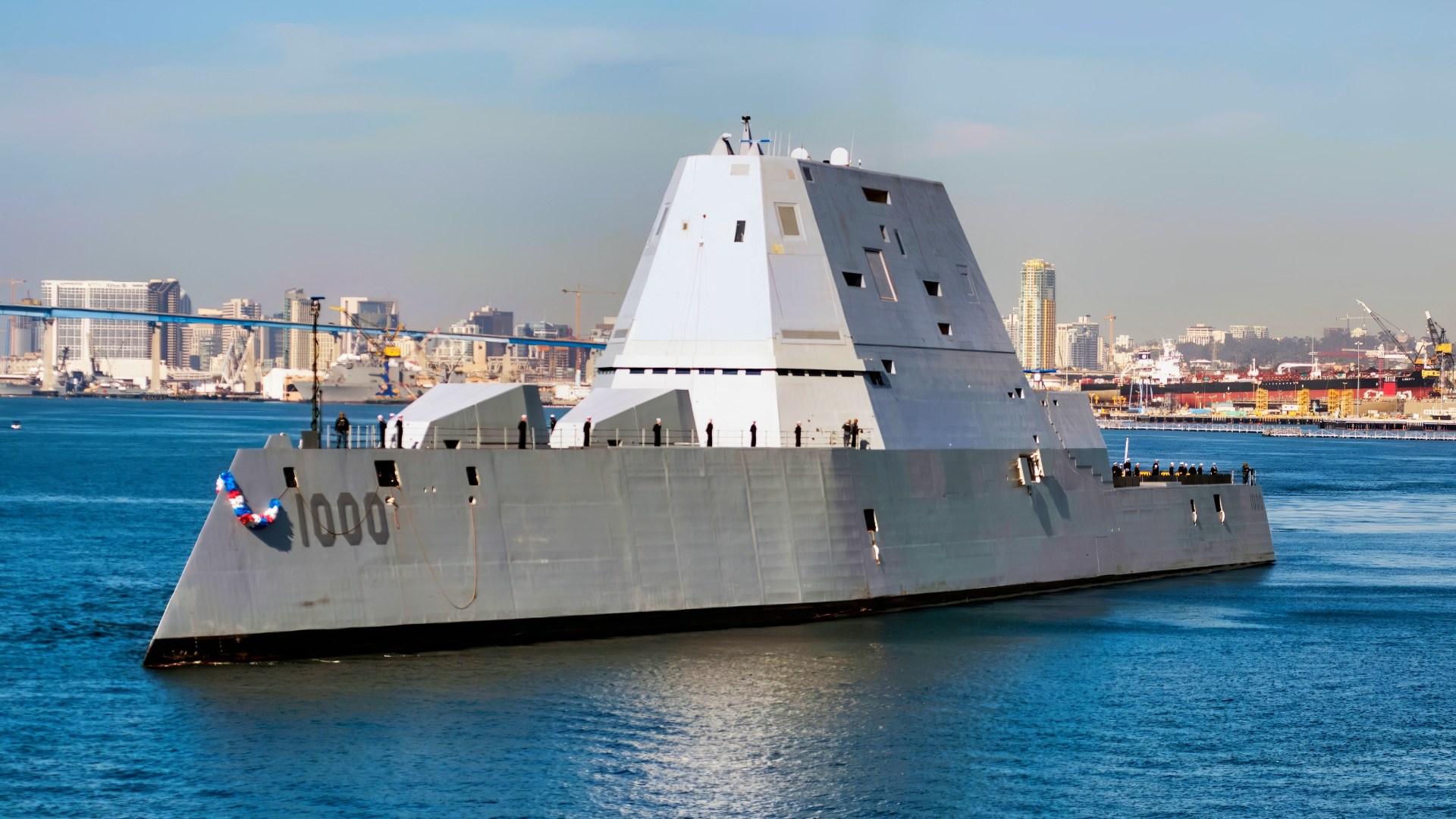
(Dec. 8, 2016) The guided-missile destroyer USS Zumwalt (DDG 1000) arrives at its new homeport in San Diego. Zumwalt, the Navy’s most technologically advanced surface ship, will now begin installation of combat systems, testing and evaluation and operation integration with the fleet. (U.S. Navy photo by Petty Officer 3rd Class Emiline L. M. Senn/Released)
“They basically have deprived President Trump of that face-saving off-ramp,” Yacoubian told the Associated Press in a Nov. 20 interview.
Yacoubian added that the situation is in “an incredibly volatile moment” with tensions running high and neither side apparently willing to compromise to secure a deal.
“And yet, neither side, I don’t think, seems to be willing to just jump headlong back into renewed, all-out conflict,” Yacoubian said.
Catch-22: Renewed Military Conflict Carries Risks, But So Does the Blockade
The U.S. first imposed its naval blockade on Iranian ports and maritime routes, including areas of the Strait of Hormuz this past April.
It temporarily eased some of the blockade after a preliminary agreement with Tehran was reached in June, but reimposed it in July as the agreement broke down.
Chatham House associate fellow Bilal Saab said earlier this month that Washington’s decision to hold back from major military operations will not necessarily deter renewed hostilities from Tehran.
“Tehran is unlikely to absorb US pressure quietly while its economy further deteriorates,” Saab wrote in a Nov. 9 analysis for Chatham House.
“It’s a stalemate. But it may not last long,” he added.
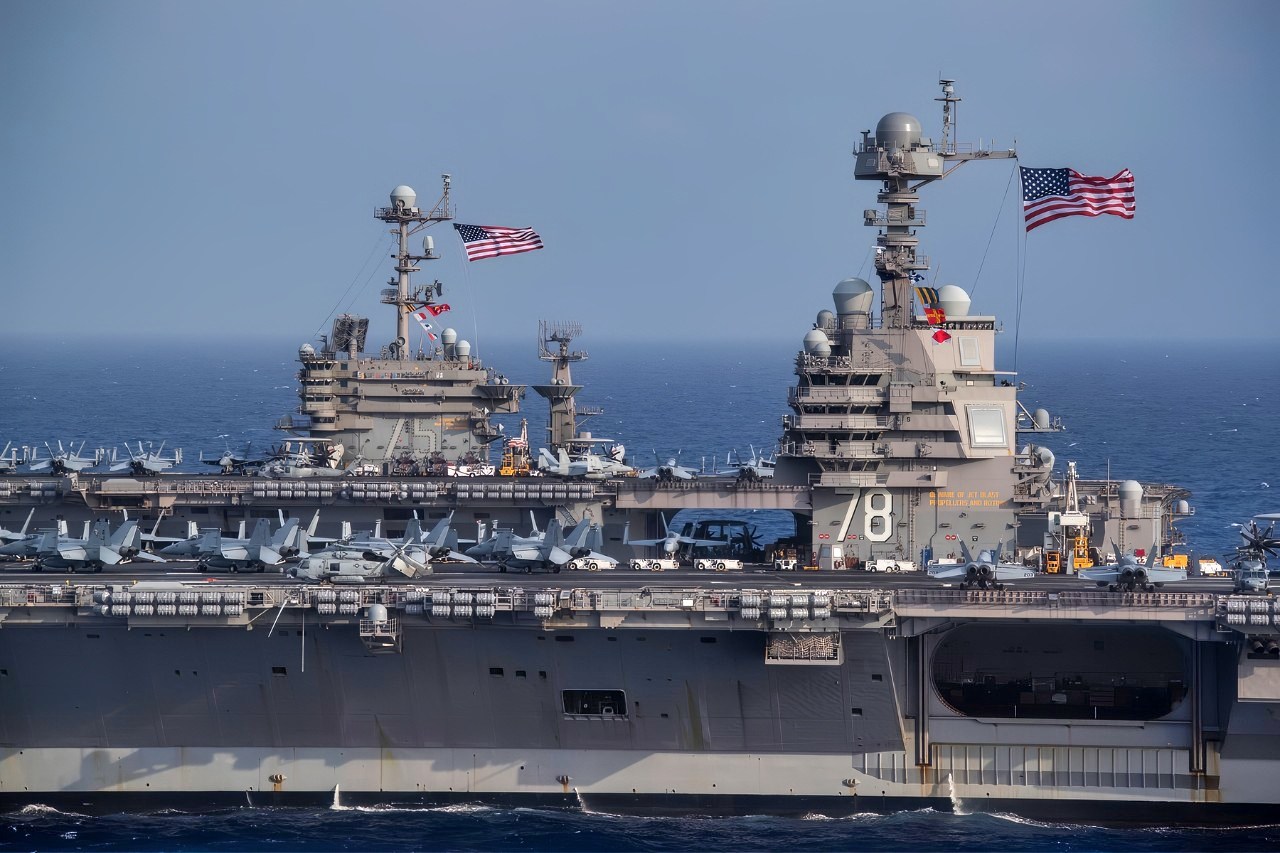
ATLANTIC OCEAN (June 4, 2020) The Ford-class aircraft carrier USS Gerald R. Ford (CVN 78) and the Nimitz-class aircraft carrier USS Harry S. Truman (CVN 75) transit the Atlantic Ocean, June 4, 2020.
Saab said both sides have no confidence in each other and Tehran is unlikely to trust U.S. promises.
“The deep distrust between the two sides will make Iran doubt that US concessions will be durable enough to bring it lasting economic relief. Some in the regime will believe it is better for Iran to fight on its own terms than collapse from within as the economy is throttled,” he wrote.
Differing Views on the End Game for the Conflict as Blockade Drags On
Foundation for the Defense of Democracies analyst Bradley Bowman has also weighed in, saying that even if Washington holds back on military operations, Tehran still has major leverage over traffic in the Strait of Hormuz.
“We can try to end the war, but what do we do if the Islamic Republic of Iran continues to attack shipping in the Strait of Hormuz?” Bowman told the Associated Press earlier this month.
A different view came from former U.S. Ambassador to Iraq and Turkey and distinguished fellow at the Washington Institute James Jeffrey, who said a prolonged stalemate could actually work to Washington’s benefit.
“As the blockade drags on, Tehran’s position is likely to weaken faster than Washington’s,” Jeffrey opined in a Sept. 3 analysis.
“The costs of accommodating the other side’s demands to end the stalemate are so high, and the costs of the stalemate sufficiently low, that a mutual blockade has emerged as the least bad option for both the United States and Iran for the foreseeable future,” he added.
About the Author: Charlie Nash
Charlie Nash is a journalist and author whose work has appeared in The Spectator, Mediaite, New Statesman, and the American Conservative, among other major publications. His reporting has been featured by The Washington Post, Fox News, the Daily Beast, MS NOW, NewsNation, Hannity, and more. You can follow Charlie on X at @CharlieNash and on LinkedIn.


