

Even though the United States has failed to achieve strategic victory over the Islamic Republic of Iran, despite nine months of intensive air warfare and stringent economic warfare, the Islamic Republic of Iran is not coasting through this conflict.
Indeed, Tehran is implementing increasingly severe austerity measures as the country confronts a deepening economic crisis after nine months of war with America, according to The Washington Post.
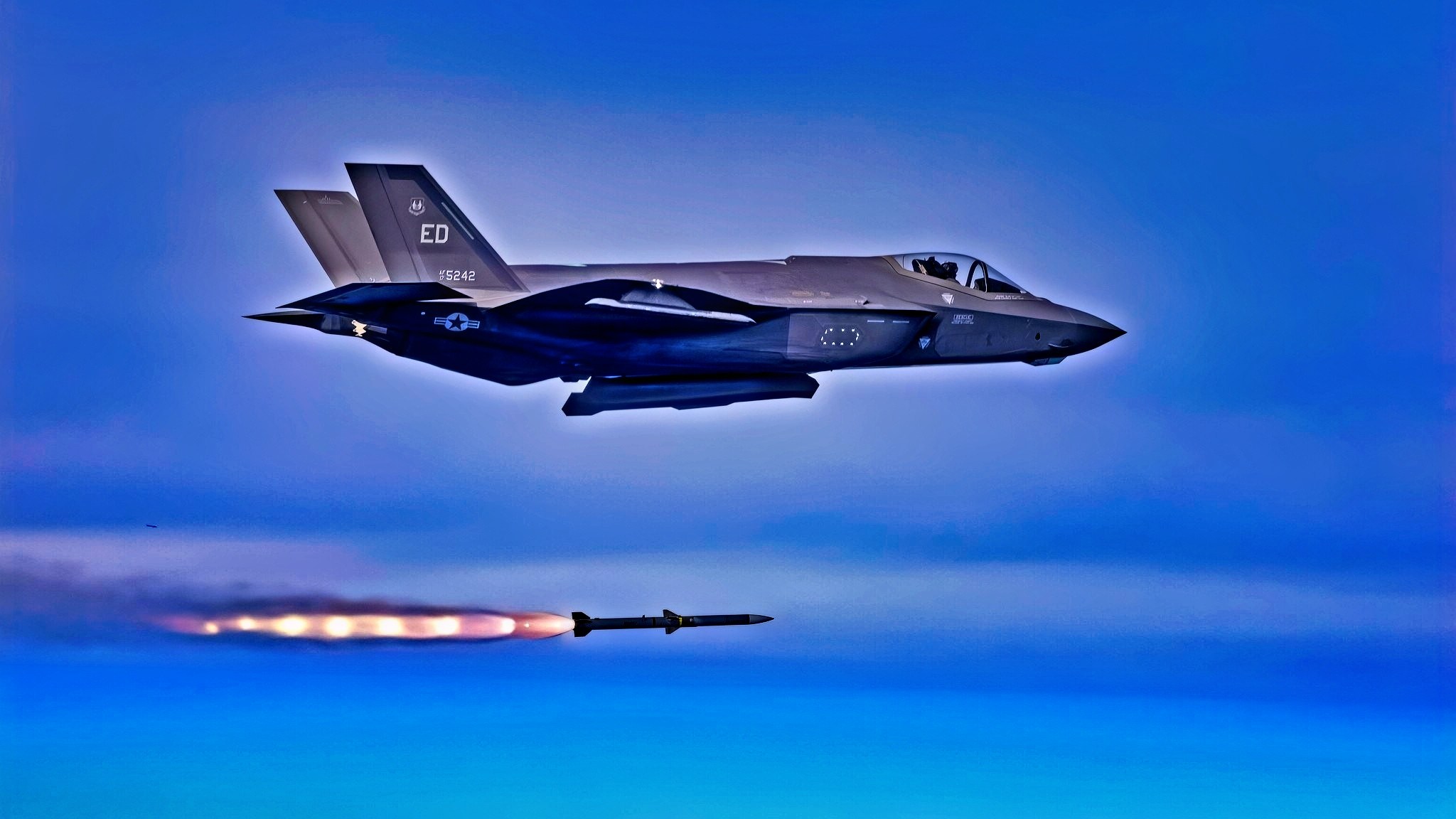
An F-35A with the 461st Flight Test Squadron, 412th Test Wing, conducts a TR-3 AIM-120 live fire mission over the Pacific Test Range on January 22, 2025. The F-35 Integrated Test Force at Edwards is responsible for developmental testing of all three F-35 aircraft variants across the joint-services. (Courtesy Photo)
Trouble in Iran
The Iranian government has announced electricity rationing, reduced subsidies for gasoline and bread, and restricted access to government assistance programs as American sanctions and the US Navy blockade deprive the Islamic Republic of billions of dollars in much-needed revenue.
Even Iranian lawmakers and labor organizations are raising concerns about the new austerity measures.
Electricity is already being rationed. Scheduled blackouts could last up to two hours daily, with longer interruptions possible as temperatures decline and energy demand increases.
Damage to Iranian energy infrastructure sustained during the war has compounded the country’s existing electricity generation and distribution problems.
These moves come after several months of government spending reductions intended to ease mounting financial pressures. Iranian authorities have restricted subsidized bread purchases in at least three provinces.
In October, the government removed millions of Iranians from the food voucher program established in January in response to widespread demonstrations over the cost of living.
Because of the war, too, the Islamic Republic abandoned its original plans to raise certain wages despite double-digit inflation, meaning most Iranians have endured a substantial decline in household purchasing power.
Add in the pain of the war, and Iran’s government faces a most dangerous moment in its existence. The Americans are clearly banking on their economic warfare strategy provoking the Iranian people into overthrowing their much-maligned government.
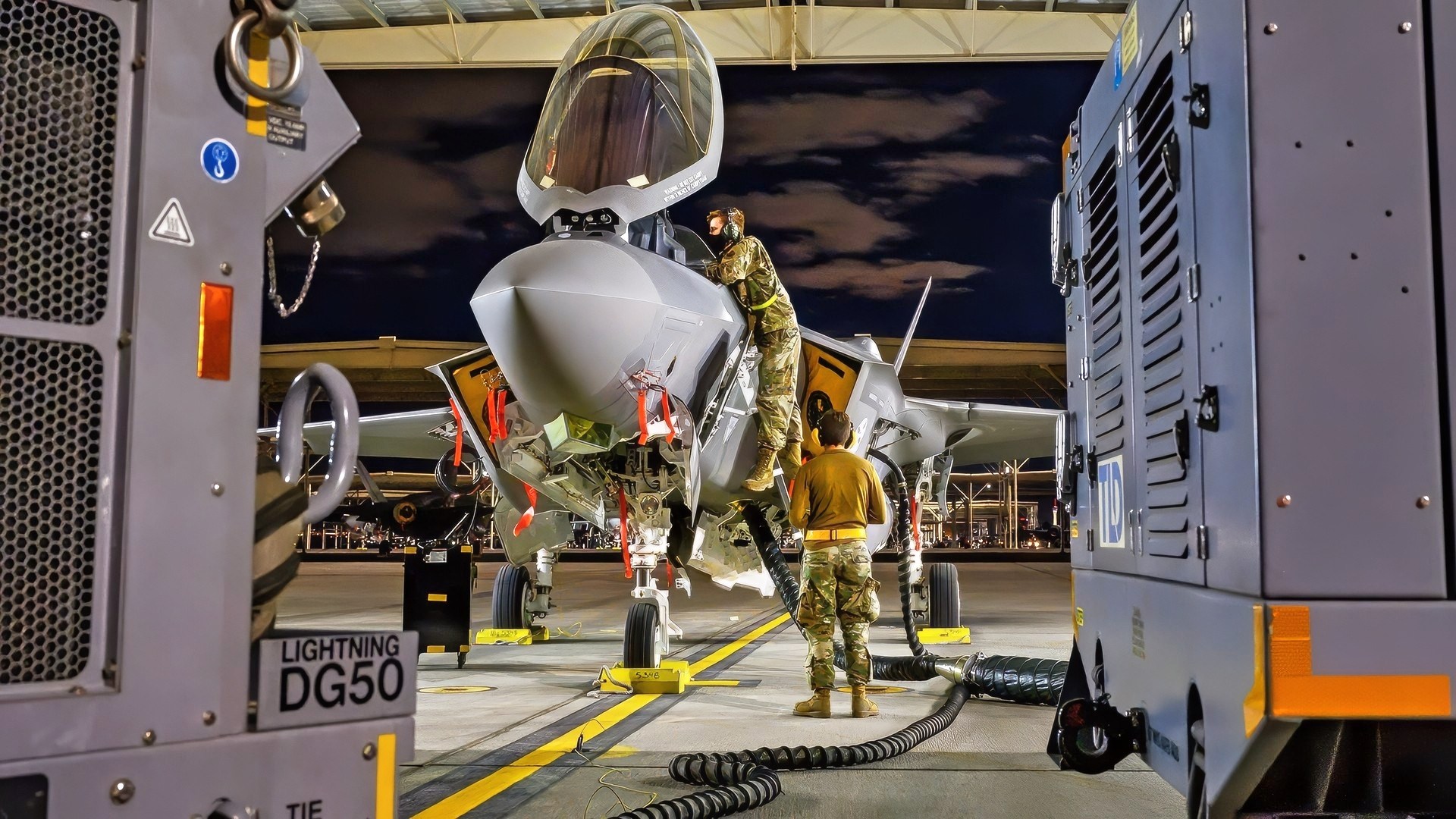
F-35 Fighters Ready. Image Credit: Creative Commons.
That has not yet happened. But it still could occur.
Meanwhile, government-imposed reductions in gasoline subsidies have proven unpopular, too. Iran has maintained heavily subsidized fuel prices, and previous attempts to reduce those subsidies have triggered widespread unrest.
That Tehran is doing this at such a precarious moment for the regime’s existence suggests the American economic warfare plan is having some of its intended impact.
Washington’s economic pressure campaign on Tehran has reportedly deprived the Islamic Republic of nearly $4 billion in monthly revenue, straining government finances and limiting the regime’s ability to maintain domestic subsidies.
Experts have assessed that the blockade and American economic pressure on Iran’s economy could force the Iranian economy to contract by as much as six percent this year.
Economic Instability
But there is no real evidence that the blockade and economic pressure imposed upon Iran by Washington will have the intended impact of galvanizing the Iranian people into overthrowing their regime.
After all, conditions for overthrow were much better in January, when tens of thousands of people were rioting against the Islamic Republic, and it never ended that regime.
Despite how unlikely it is that, even under current deteriorating economic conditions, the Iranian people will overthrow their blighted regime, the fact remains that public criticism of government economic policies has intensified.

F-35 Stealth Fighter in Red. Image Credit: Lockheed Martin.
Even some members of Iran’s political establishment have increased their attacks on the government, highlighting how precarious the political situation is in Tehran because of the US-imposed sanctions and naval blockade.
Nevertheless, Iranian commercial activity continues. Businesses are open, consumers are buying goods, and the government is receiving alternative revenue from allies in places like China and Russia.
But the specter of rising prices, along with declining wages and increasing unemployment–to say nothing of the damage to the country’s critical energy infrastructure–is creating downward pressures on the political situation in Iran.
The concern now among most military experts is not that the Americans will restart the war with Iran, as Trump has at times suggested he would. The real fear is that the declining economic conditions in Iran, coupled with the growing discontent among the Iranian people, will put the Islamic Republic into a use-it-or-lose-it mentality.
If the Islamic Republic does nothing and allows the Americans to prosecute their economic war against Iran, over time, the people of Iran might grow tired of things and overthrow the regime.
With that in mind, then, the Islamic Republic might decide to escalate unilaterally soon rather than wait for the slow death at the hands of US Treasury Secretary Scott Bessent.
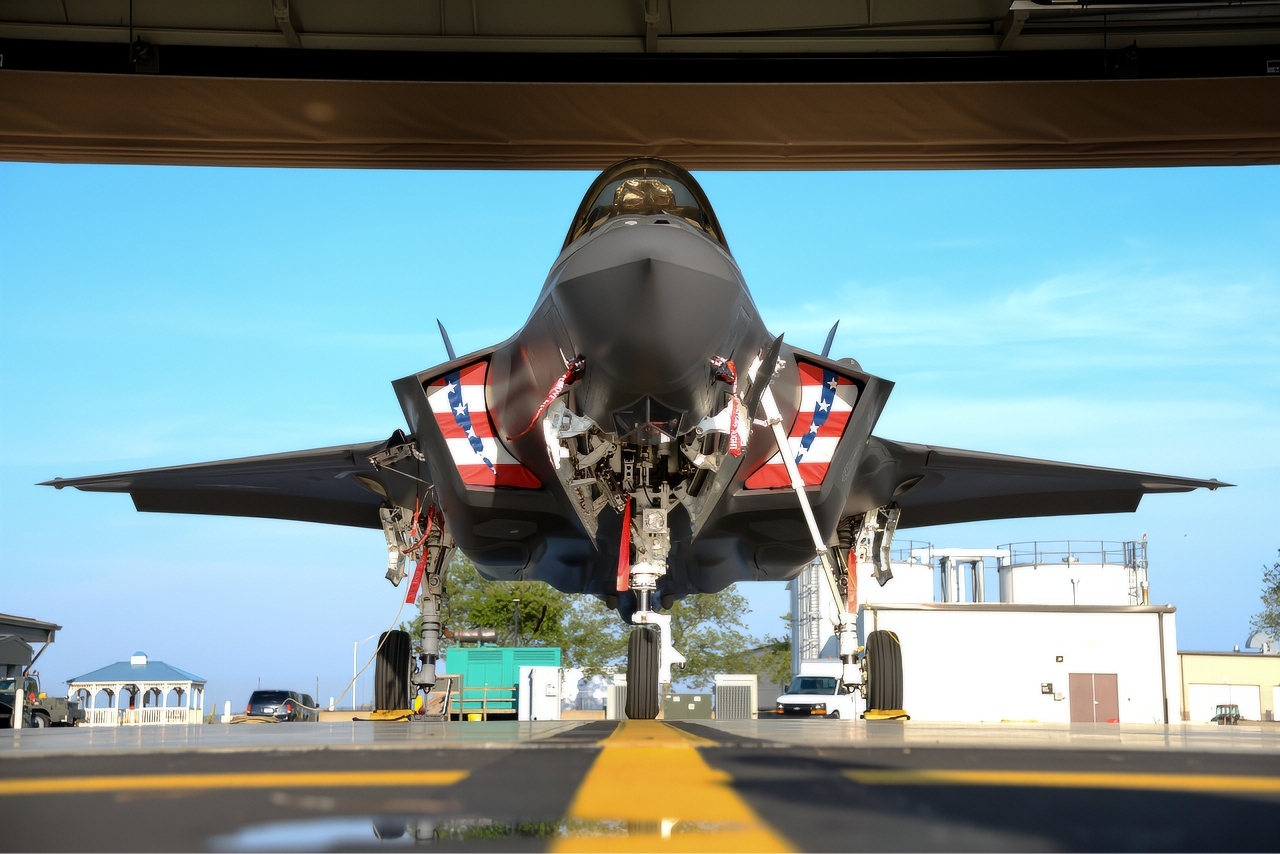
A U.S. Air Force F-35 Lightning II fighter jet from the 56th Fighter Wing, Luke Air Force Base, Arizona, displays it’s crew-designed red, white and blue inlet covers while parked in a military aircraft shelter at the Atlantic City International Airport in Egg Harbor Township, N.J. on May 26, 2016. Pilots and crew from the USAF F-35 Heritage Flight Team made a stop at the 177th Fighter Wing of the New Jersey Air National Guard on the way to their performance at the Jones Beach Airshow in Wantagh, New York on May 28 and 29. (U.S. Air National Guard photo by Master Sgt. Andrew J. Moseley/Released)
And if Iran did that, the United States would be ill-prepared to sustain the conflict, because of the severe drain of critical American defensive stockpiles and offensive systems.
Triggering Wider War
In other words, the primary concern is that Iran senses US military weaknesses in the near term while feeling the burn of US economic pressure in the long run.
Therefore, the Iranians might try to break that impasse now. At the same time, they still retain some military power, rather than waiting for everything to be drained by economic warfare over many months or even years. So, the US economic war might have the opposite of its intended effect.
The US economic warfare might be militating the Islamic Republic into taking an action it didn’t want to take: going back into conventional war with Iran in the coming days or weeks.
About the Author: Brandon J. Weichert
Brandon J. Weichert is the Senior National Security Editor. He also manages The Weichert Brief on Substack. Weichert is the co-host of The Mario Nawfal Show on Twitter/X. He is the author of four bestselling national security books, most recently A Disaster of Our Own Making: How the West Lost Ukraine (Encounter Books). His next book, Fortress Americas: A New Monroe Doctrine (Tucker Carlson Books), is due out December 8. Follow him via Twitter/X @WeTheBrandon.


