


The US Navy fired expired munitions during the war with Iran. Acting Navy Secretary Hung Cao revealed the practice during a Senate confirmation hearing on November 17.
Cao said the Navy could return older weapons to service by changing their ammunition condition codes. The disclosure comes amid concerns that Operation Epic Fury consumed enormous quantities of expensive American missiles.
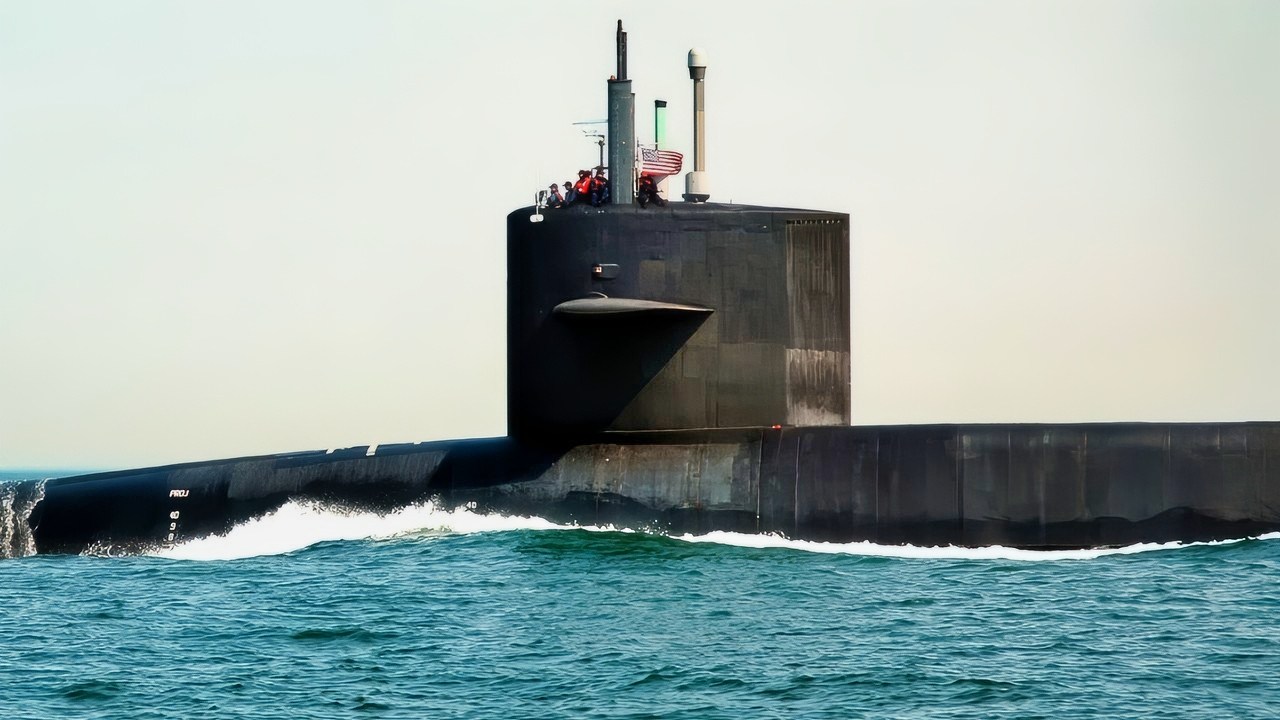
(March 31, 2006) – The guided missile submarine USS Florida (SSGN 728) conducts sea trials off the coast of Virginia. Florida will be delivered to the Fleet in April, and a Return To Service ceremony is scheduled for May 25 in Mayport, Fla. As the second of four SSBN submarines to be converted to SSGN, this nuclear-powered submarine will have the capability to: launch up to 154 Tomahawk cruise missiles; conduct sustained special warfare operations with up to 102 Special Operations Forces (SOF) personnel for short durations or 66 SOF personnel for sustained operations; and provide approximately 70 percent operational availability forward deployed in support of combatant mission requirements. U.S. Navy photo by Chief Journalist (SW/AW) Dave Fliesen.
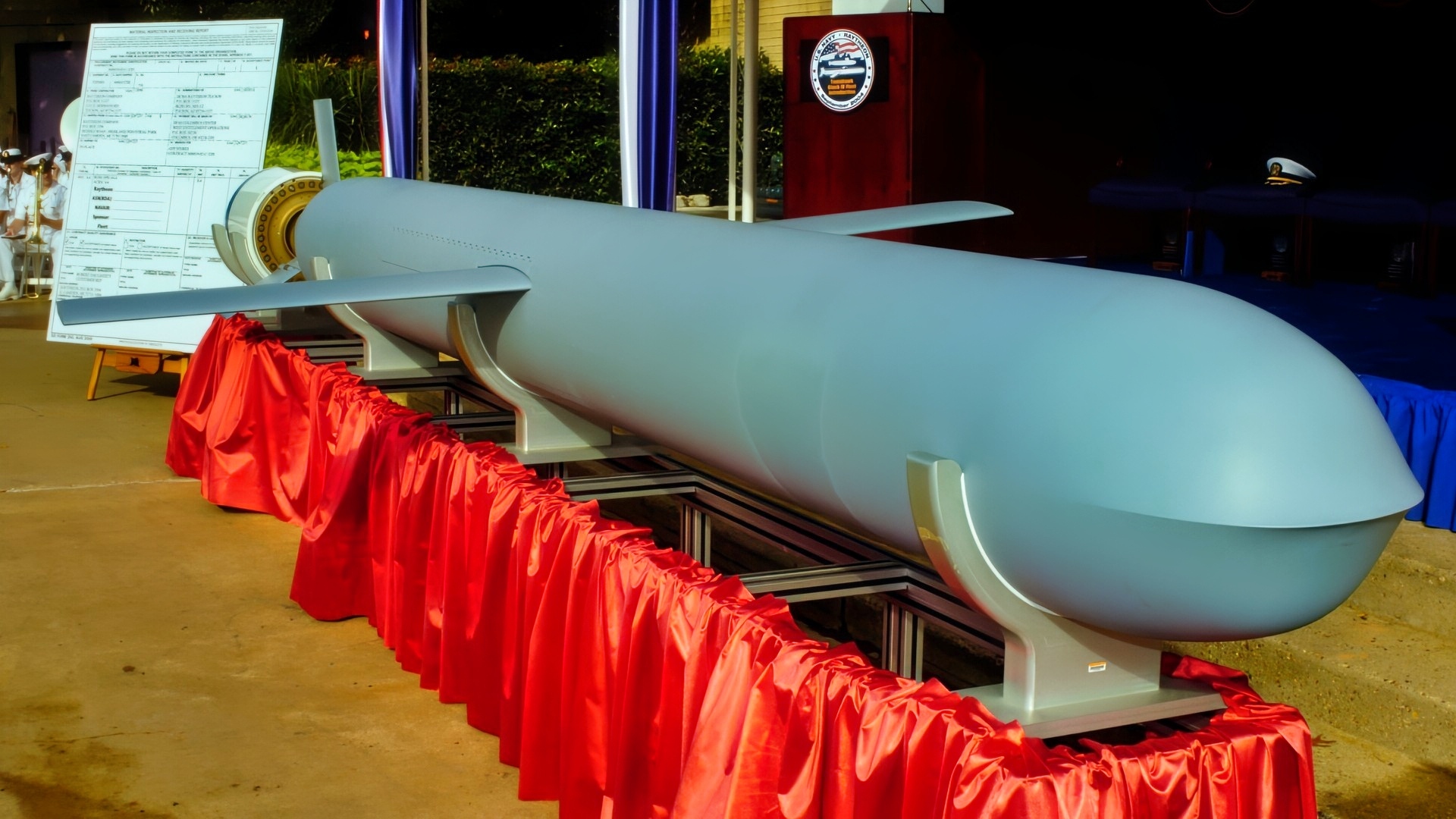
Tomahawk Block IV Missile. Image Credit: Creative Commons.
Cao offered an unusual analogy: expired weapons, he suggested, could sometimes be salvaged much like stale bread. The revelation raises questions about how much ammunition the Pentagon has available for future conflicts.
What Cao Told Congress
Cao made the comments while responding to Senator Deb Fischer (R-Nebraska). Fischer questioned whether the Navy was striking the right balance between expensive precision-guided weapons and cheaper munitions that could be produced in greater quantities.
Cao acknowledged that the Navy had used weapons previously assigned restrictive supply condition codes. “A lot of the munitions we used in Epic Fury, we were able to recode those,” Cao said, identifying the original classifications as Code Echo and Code Foxtrot. Cao then compared the practice to reviving stale bread: “You just rub some water on it and microwave for 15 seconds, and it’s good to go.” Cao did not identify the weapons involved or disclose how many expired weapons were fired.
How Does a Missile Expire?
Military munitions do not necessarily become useless just because they reach a pre-set service-life limit. Weapons can be removed from service because components require inspection, repair, replacement, or recertification.
The Defense Logistics Agency uses condition codes to distinguish between different categories of military equipment. Condition Code E (Echo) means unserviceable material requiring limited restoration.
Condition Code F (Foxtrot) means unserviceable material requiring more extensive repair or overhaul.
For sophisticated missiles, potential concerns of expired inventory include aging rocket propellant, deteriorating seals or other components, electronic systems, batteries, and mechanical deterioration during storage.
Technical inspections and authorized maintenance can sometimes return older munitions to service. However, changing an administrative code alone does not establish that a weapon is safe or operationally reliable. It has to be repaired or refurbished in some respect.
Sustaining Epic Fury
Operation Epic Fury began on February 28, 2026, and placed significant demands on America’s finite missile inventories. Reports indicate that American forces launched at least 850 Tomahawk cruise missiles during the conflict’s first month.
A September Pentagon inspector general report said the war created “strategic inventory shortfalls” and exposed difficulties replenishing ammunition.
The reported expenditure of $22.3 billion worth of munitions between February and June illustrates the scale of the campaign.
Many of the advanced missiles cost millions of dollars apiece, and unlike ordinary ammunition, sophisticated guided missiles carry long manufacturing lead times—meaning that America will not be able to replenish its stock of these missiles for years.
Returning serviceable older weapons in inventory during the war seems to have helped maintain the administration’s desired operational tempo.
Replacing the Tomahawk
The Tomahawk missile is one of the Navy’s principal long-range strike weapons. It allows American warships and submarines to attack distant land targets without approaching enemy territory.
But Tomahawks are expensive, technically sophisticated, and difficult to manufacture rapidly.
Cao told lawmakers that production had increased from roughly 125 missiles annually earlier in his career to more than 60 per month.
At 60 missiles per month, annual production would exceed 720 weapons.
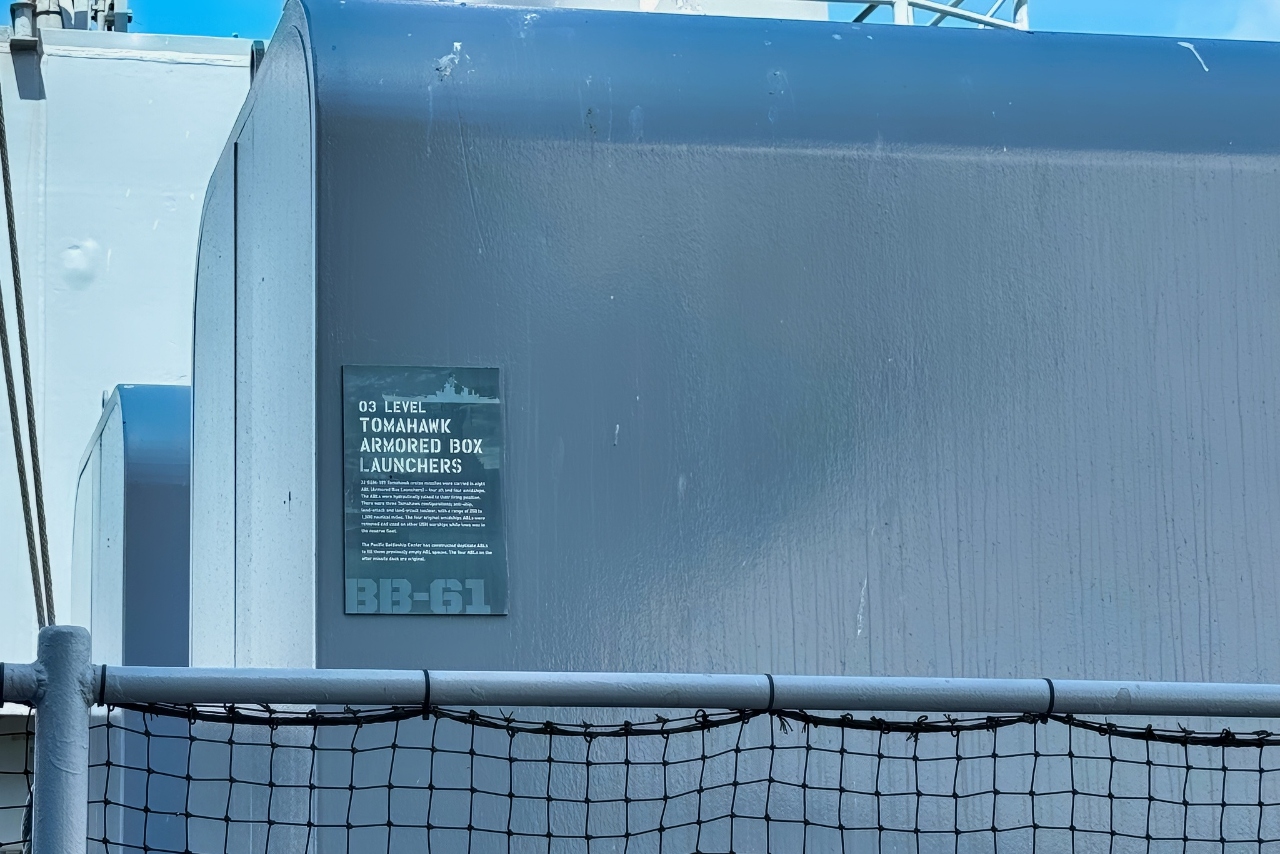
USS Iowa Tomahawk Box. National Security Journal Photo.

Puget Sound Naval Shipyard, Wash. (Aug. 14, 2003) — Illustration of USS Ohio (SSGN 726) which is undergoing a conversion from a Ballistic Missile Submarine (SSBN) to a Guided Missile Submarine (SSGN) designation. Ohio has been out of service since Oct. 29, 2002 for conversion to SSGN at Puget Sound Naval Shipyard. Four Ohio-class strategic missile submarines, USS Ohio (SSBN 726), USS Michigan (SSBN 727) USS Florida (SSBN 728), and USS Georgia (SSBN 729) have been selected for transformation into a new platform, designated SSGN. The SSGNs will have the capability to support and launch up to 154 Tomahawk missiles, a significant increase in capacity compared to other platforms. The 22 missile tubes also will provide the capability to carry other payloads, such as unmanned underwater vehicles (UUVs), unmanned aerial vehicles (UAVs) and Special Forces equipment. This new platform will also have the capability to carry and support more than 66 Navy SEALs (Sea, Air and Land) and insert them clandestinely into potential conflict areas. U.S. Navy illustration. (RELEASED)
Still, even at that rate, replacing hundreds of missiles expended during a major campaign would take a year or more. Manufacturing bottlenecks include specialized components, propulsion systems, suppliers, and skilled labor.
The Navy must replenish its inventories while also preparing for potential future conflicts.
Looking Ahead
The concern over munitions extends well beyond Iran.
A potential conflict with China could require large quantities of anti-ship missiles, defense interceptors, and long-range strike weapons.
American warships have limited magazine capacity and cannot necessarily replenish every type of missile while operating at sea.
Expending large numbers of weapons in one theater can reduce inventory available for another. Congress has pressed the Pentagon to expand weapons manufacturing and improve stockpile management. Returning older weapons to service can provide temporary relief, but it cannot substitute for the sustained industrial production needed to engage future adversaries.
About the Author: Harrison Kass
Harrison Kass is a writer and attorney focused on national security, technology, and political culture. His work has appeared in Tablet, City Journal, The Hill, The Spectator, and The Cipher Brief. He holds a JD from the University of Oregon and a master’s in Global & Joint Program Studies from NYU. More at harrisonkass.com.


