
Moscow Mayor Sergey Sobyanin confirmed on Saturday, November 28, that a Ukrainian drone attack saw 460 UAVs launched towards the Moscow region overnight. 123 drones were reportedly intercepted as they approached the Russian capital city.
The Russian Ministry of Defense also announced on Saturday morning that its forces had intercepted 1,246 Ukrainian drones across the whole of Russia and occupied Crimea. The attacks forced several major Russian airports to temporarily suspend operations.

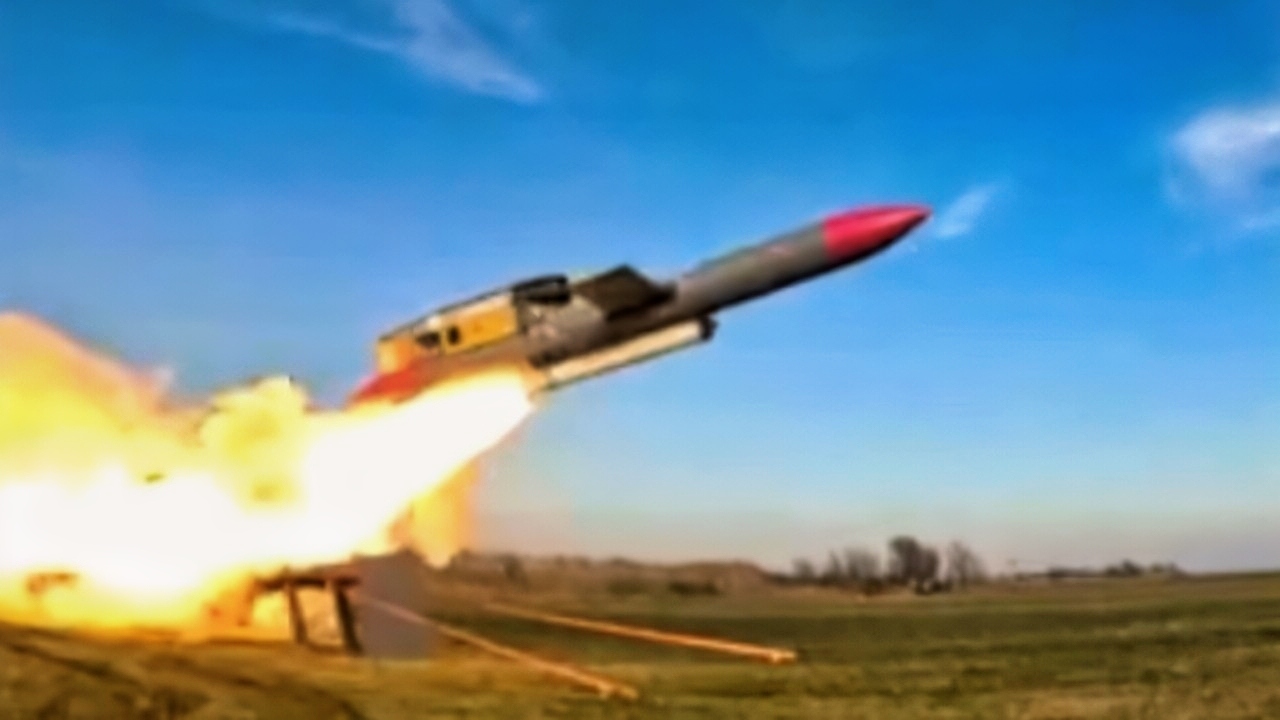
Switchblade Drone. Image Credit: Industry Handout.
Separate reports described drone attacks against the Novoshakhtinsk oil refinery in the Rostov region of Russia for the second time in a matter of days. The same refinery had already been forced to suspend operations following a Ukrainian attack on November 23.
The Ukrainian drone strikes come less than three weeks after Ukrainian and Russian negotiators met in Abu Dhabi to engage in a new round of U.S.-mediated peace talks, which resulted in a prisoner exchange commitment but no real progress made in terms of a peace deal.
Ukraine has launched several particularly large drone attacks against Russia since those negotiations came to an end, and Russian forces continue to target Ukrainian energy infrastructure ahead of the winter.
Hundreds of Drones Target Moscow
Sobyanin wrote on the Russian social media platform Max on Saturday morning that 462 drones were headed toward the Moscow region and claimed that air defenses had intercepted most of them before they reached the capital.
The Russian Ministry of Defense also confirmed that Ukrainian drones were intercepted over 14 regions of Russia, as well as Crimea and the Republic of Bashkortostan. Ukraine had not publicly acknowledged the strike on Moscow as of Saturday morning, and Russia’s figures have not been independently verified.
Nonetheless, the figures are close to those previously released by the Russian Ministry of Defense earlier this month. On November 16, the defense ministry said that it had intercepted 1,336 Ukrainian drones overnight. The next morning, another 1,441 Ukrainian drones had reportedly been destroyed.
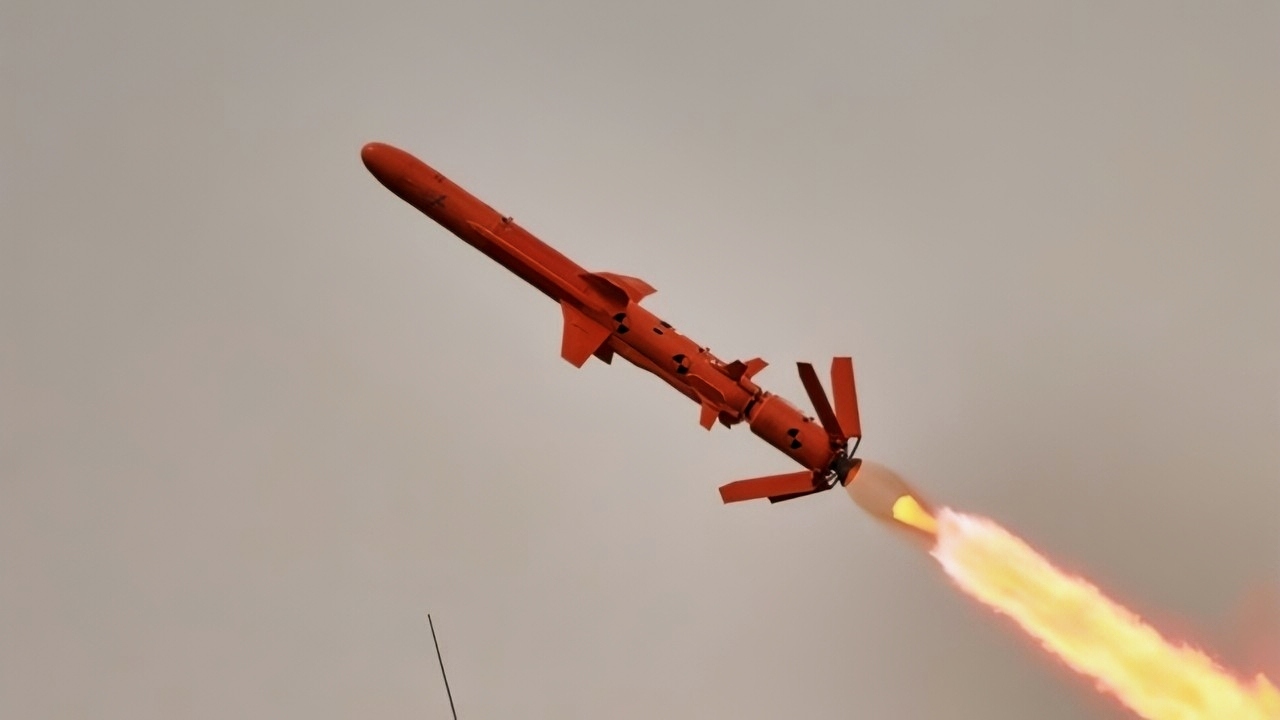
Neptune Missile from Ukraine Creative Commons
The massive scale of Ukrainian drone strikes against Russia in recent weeks indicates that Kyiv has no intention of scaling back what President Volodymyr Zelenskyy has described as a campaign of “long-range sanctions.” And, in recent months, Ukrainian forces have shown that they are looking to disrupt in varying ways, targeting everything from energy infrastructure to logistics — and more.
Targeting Commercial Aviation
The latest round of strikes impacted commercial aviation yet again, with flight restrictions implemented at the Vnukovo and Domodedovo airports in Moscow. Airports in Kaluga, Penza, Saratov, and Tambov also implemented restrictions.
Russian news outlet Astra reported that passengers on a flight from Moscow’s Sheremetyevo Airport to Vladivostok were required to disembark before the flight was postponed.
Ukraine’s ongoing strikes are, therefore, causing widespread disruption — even if the drones are intercepted before they reach their targets in Russia’s capital city.
Targeting Oil Refineries — Again
Also on Saturday, Rostov Governor Yury Slyusar said that Russian forces had intercepted over 50 drones across the region. Drones were reportedly intercepted over Novoshakhtinsk, home to one of Russia’s largest oil refineries.
Russian media also published video footage that appeared to show fires in the vicinity of the refinery.
A day earlier, Ukraine’s General Staff published an assessment of the damage that had been inflicted on the refinery during a previous attack on November 23.
The Ukrainian military said that 20 oil storage tanks were destroyed in the assault and an additional 32 were damaged. Saturday’s attack may therefore complicate ongoing efforts to restore operations at the facility — and that could be consequential, too, given the plant’s annual oil processing capacity of several million metric tons.
On Saturday, Samara Governor Vladislav Fedorishchev also confirmed that Ukrainian forces had targeted an industrial facility in his region.
While he did not identify the specific facility, RBC-Ukraine reported that Ukrainian drones were recorded targeting an oil pumping station operated by Transneft. The Associated Press also confirmed that Ukrainian and Russian Telegram channels had claimed that drones “struck the junction of four oil pipelines in the region.”
Russia Continues Drone Campaign
While Ukraine continues to escalate its long-range strike campaign, so too does Russia. Ukraine’s energy infrastructure remains under threat, with the Ukrainian Air Force announcing on Saturday morning that Russian forces had launched 162 drones overnight. 141 were intercepted or electronically suppressed before they reached their targets.
The Ukrainian military also confirmed that Russian drones struck 13 locations throughout the country.
This week, Zelenskyy also said Moscow proposed that Ukraine suspend its strikes on Russian oil infrastructure as part of a truce. However, Zelenskyy said Kyiv would consider the proposal only if it protected a broader range of Ukrainian energy infrastructure in return.
About the Author: Jack Buckby
Jack Buckby is a British researcher and analyst specializing in defense and national security, based in New York. His work focuses on military capability, procurement, and strategic competition, and he produces and edits analysis for policy and defense audiences. He brings extensive editorial experience, with a career output spanning over 1,000 articles at National Security Journal, and has previously authored books and papers on extremism and deradicalization.


