
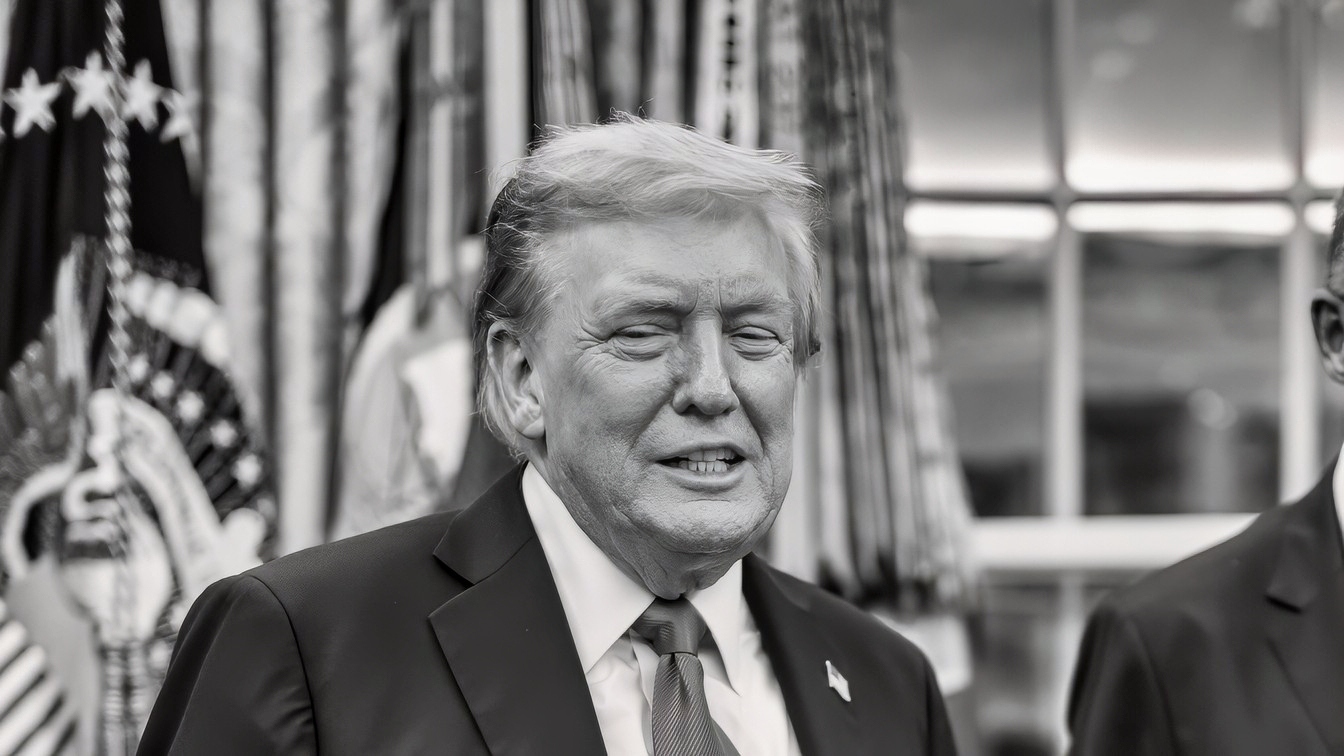
President Donald Trump’s approval ratings still don’t look very good, and as he prepares to spend the next two years of his final term dealing with a Democratic-controlled Congress, data show that he is losing support among the people who put him in office the first time: Americans without college degrees.
That demographic has long been central to his electoral success, and the findings, which come from an Economic/YouGov survey, suggest that Republicans may struggle to pick them back up in 2028 unless Trump delivers on the promises he made during his campaign, including no more “forever wars” and reducing the cost of living.
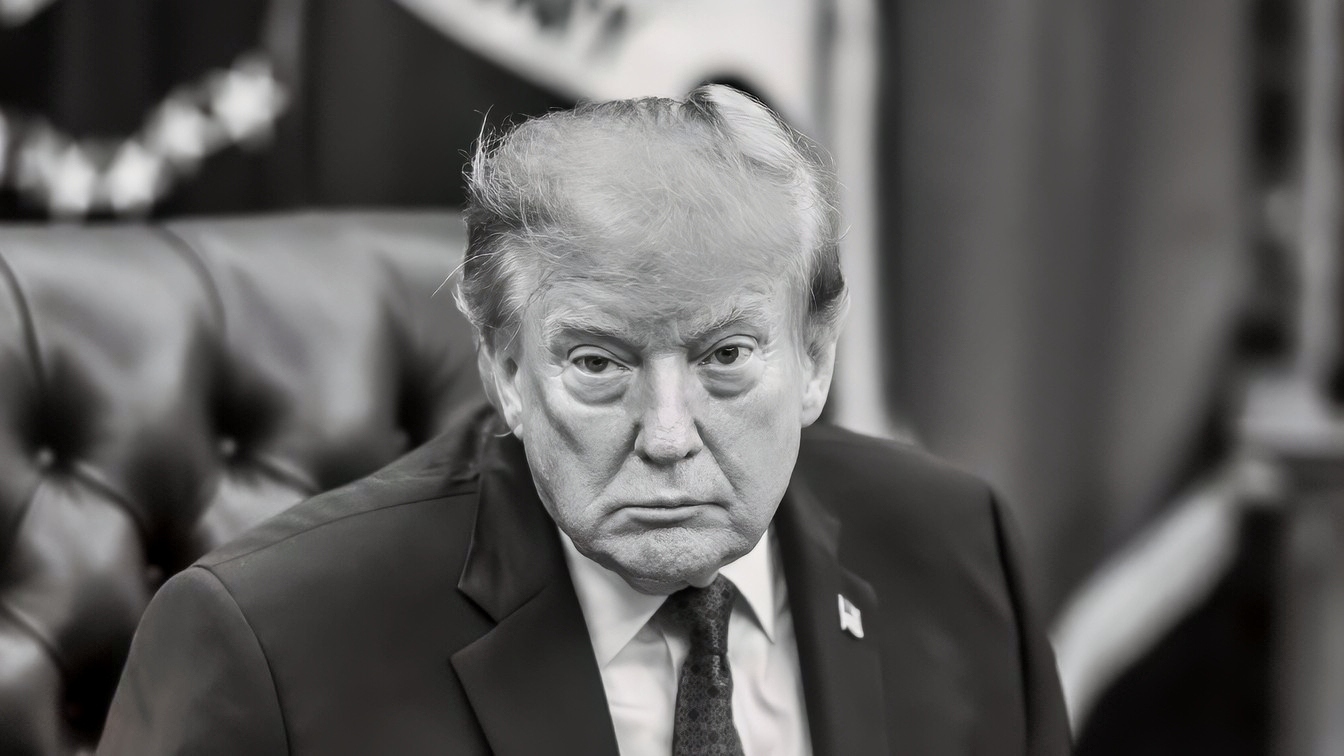
President Donald J. Trump signs an Executive Order designating the Oval Office and Cabinet Room as national landmarks, Thursday, November 5, 2026, in the Oval Office of the White House. (Official White House Photo by Molly Riley)
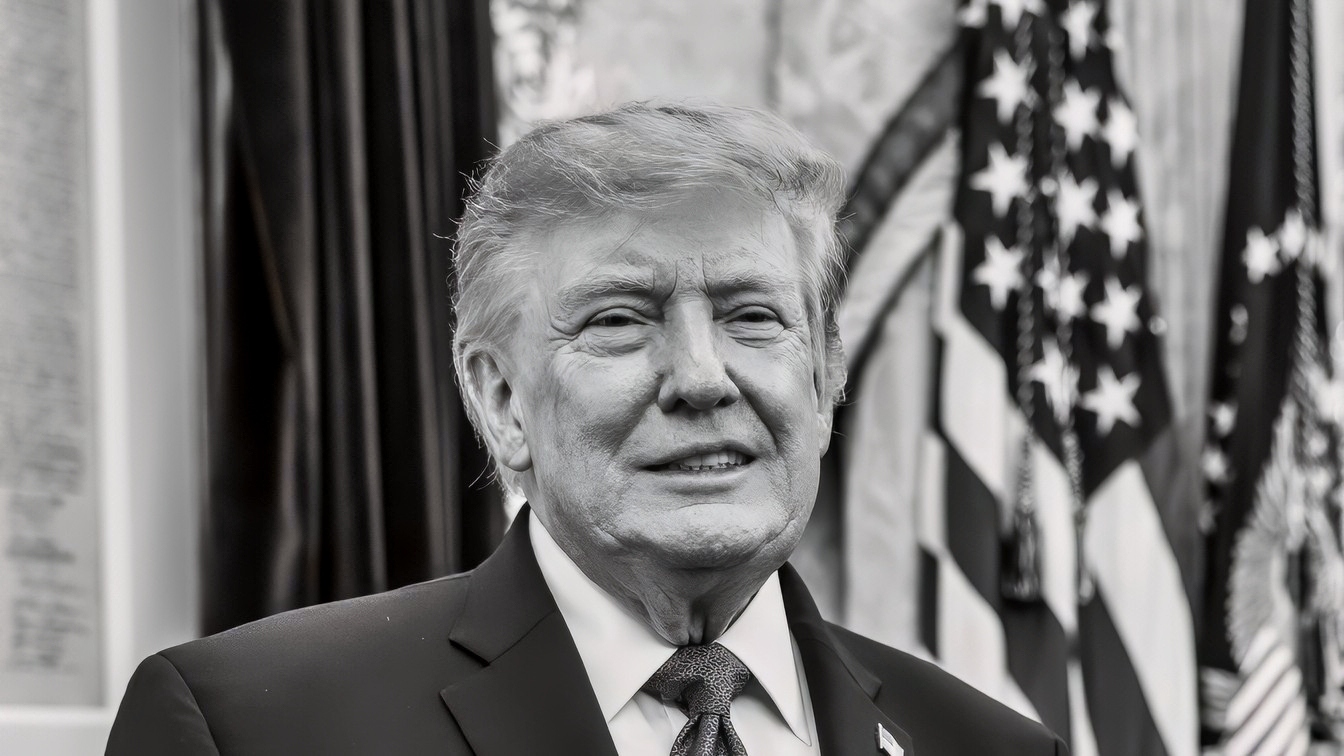
President Donald J. Trump participates in a bilateral meeting with President Xi Jinping of China in the Oval Office, Thursday, September 24, 2026. (Official White House Photo by Daniel Torok
The news also comes as polling suggests that roughly one quarter of Americans who voted for Trump in 2024 no longer approve of his performance as president, and as the Trump administration pursues tariffs and economic policies that voters opposed in the November 3 midterm elections.
Trump Loses Support Among Non-College-Educated Americans
Newsweek published an analysis over the weekend examining the results of five separate Economist/YouGov surveys conducted since October, and the data shows a marked shift in the scale of his support. The survey, conducted between October 23 and 26, found that 43% of respondents in this demographic approved of President Trump’s performance. 54% said they disapproved. By November 20-23, YouGov put these figures at a much lower 34%, with 61% disapproving. The data shows a 16-percentage-point decline in support for the president among those without a four-year college degree in just a month.
Compare that data to Pew Research Center’s analysis of the 2024 presidential election, and it’s bad news for President Trump: not because he will struggle in a re-election that cannot constitutionally happen anyway, but because it could impact his ability to maintain control over the Republican Party or influence the 2028 nomination. Pew found that roughly two-thirds of the voters who turned out for Trump in the last election did not have a four-year college degree.
Trump Voters Disillusioned
This is a problem for the Republicans now, given that President Trump has been the face of the party for the last decade. Polling data from YouGov, published on November 24, found that just 73% of Americans who voted for Trump in 2024 currently approve of his performance as president, compared to 93% at the beginning of his second term. After being elected by both the Electoral College and the popular vote, Trump enjoyed a wave of support in the immediate aftermath of the election, but that support has since waned.
Among registered voters more generally, only 35% approve of Trump’s performance, and 63% approve. President Trump’s net approval rating was minus eight at the same stage of his first term, compared to minus 28 now.
The numbers suggest that many of the Americans Trump won over during the campaign, and who he hoped would maintain a coalition throughout his second term, are becoming less receptive to his agenda. And that matters, because President Trump enjoyed the support of many non-traditional Republican voters that year, including those who backed Robert F. Kennedy Jr’s presidential run and his Make America Healthy Again agenda — an agenda that has, much like Trump’s position on wars in the Middle East, arguably been compromised by lobbyists.
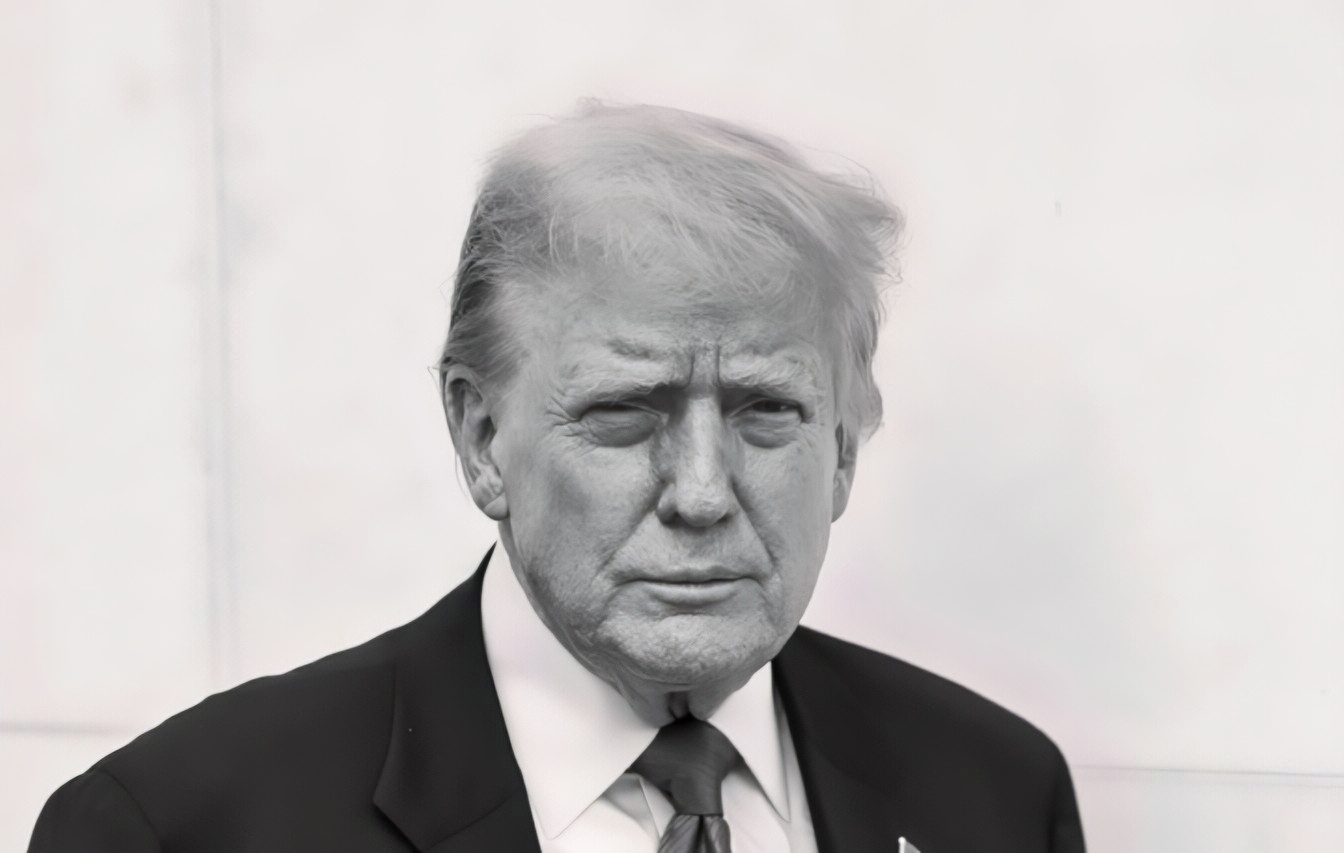
President Donald Trump tours the John F. Kennedy Center for the Performing Arts in Washington, D.C., Wednesday, August 13, 2025. (Official White House Photo by Daniel Torok)
The Republicans’ Turnout Problem
Research also shows that Republicans suffered a turnout problem in the recent midterms and may now struggle to convince many of those voters to participate in future elections. Researchers for Prolific surveyed the same Americans before and after the midterm elections and identified a decline in President Trump’s popularity among Republicans without college degrees who did not vote in the midterms.
The study surveyed 1,518 American adults in October and found that President Trump’s net approval rating among this particular demographic fell by seven percentage points after the midterms. Among Republican voters without degrees, President Trump’s approval rating fell by 12 points. Republican-leaning independents without degrees also became less supportive of the president, with his approval dropping 10 points among that demographic. Researchers also found that President Trump’s support remained somewhat stable among those without degrees who voted for him in 2024.
Overall, however, the findings suggest that the Republicans’ ability to build on the electoral coalition that won in 2024 is diminishing.
What It Means for 2028
Whoever replaces President Donald Trump and becomes the Republican presidential nominee in 2028 will go into the election with an enormous amount of baggage. They will also face the challenge of either rebuilding the coalition that President Trump appears to be losing or building a new one entirely. If Trump chooses and endorses that candidate, however, they will likely need to work on the old coalition rather than build a new one.
With Democrats in control of Congress from January, and corruption investigations expected to arrive within weeks, that candidate will face an uphill battle.
About the Author: Jack Buckby
Jack Buckby is a British researcher and analyst specializing in defense and national security, based in New York. His work focuses on military capability, procurement, and strategic competition, and he produces and edits analysis for policy and defense audiences. He brings extensive editorial experience, with a career output spanning over 1,000 articles at National Security Journal, and has previously authored books and papers on extremism and deradicalization.


