
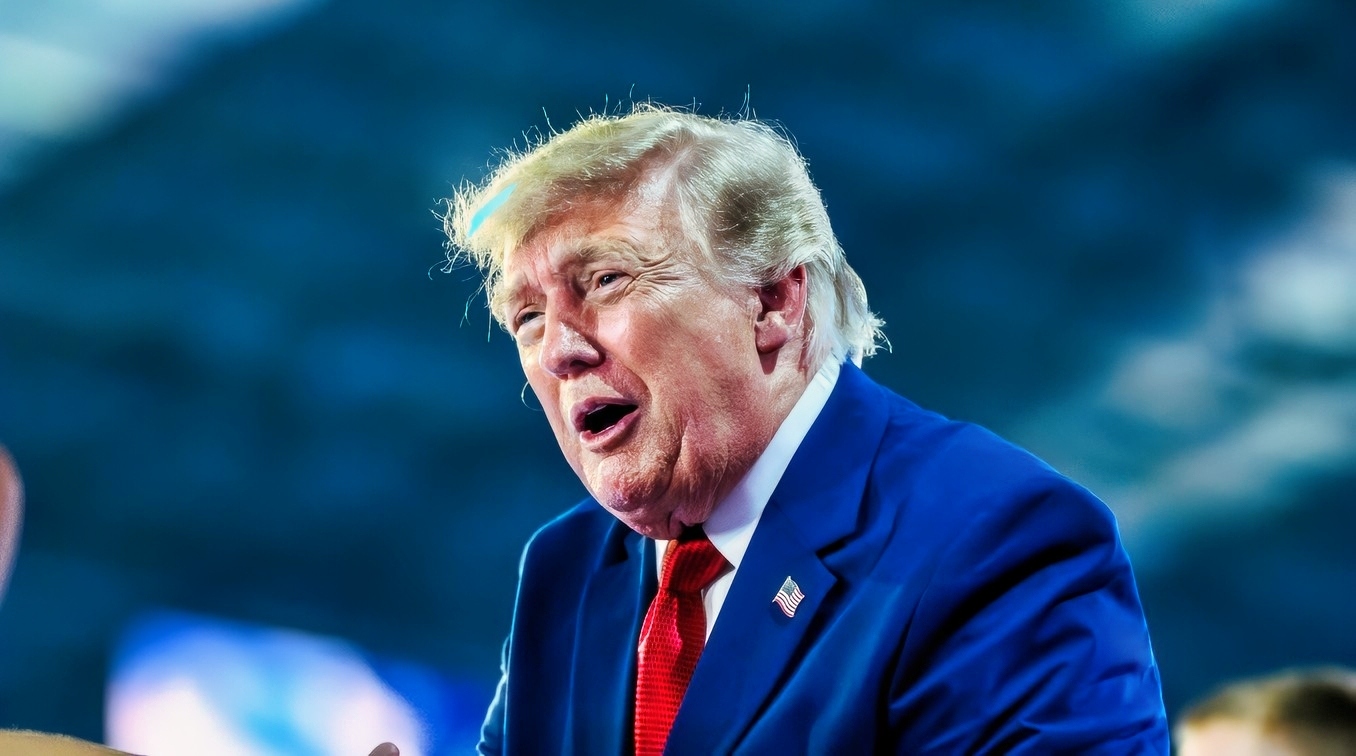
The Trump administration is looking down the barrel of a political gun, if you will, with the incoming Democratic congressional majority preparing to investigate everything from the president’s business dealings to the enforcement of his long-promised “mass deportations” agenda.
On Monday, November 23, two people who were arrested during Operation Midway Blitz in Illinois in 2025 filed lawsuits against the federal government seeking financial compensation. One of those suing the government is an American citizen who is pursuing $1 million in damages after suffering injuries during the arrest and her detention.
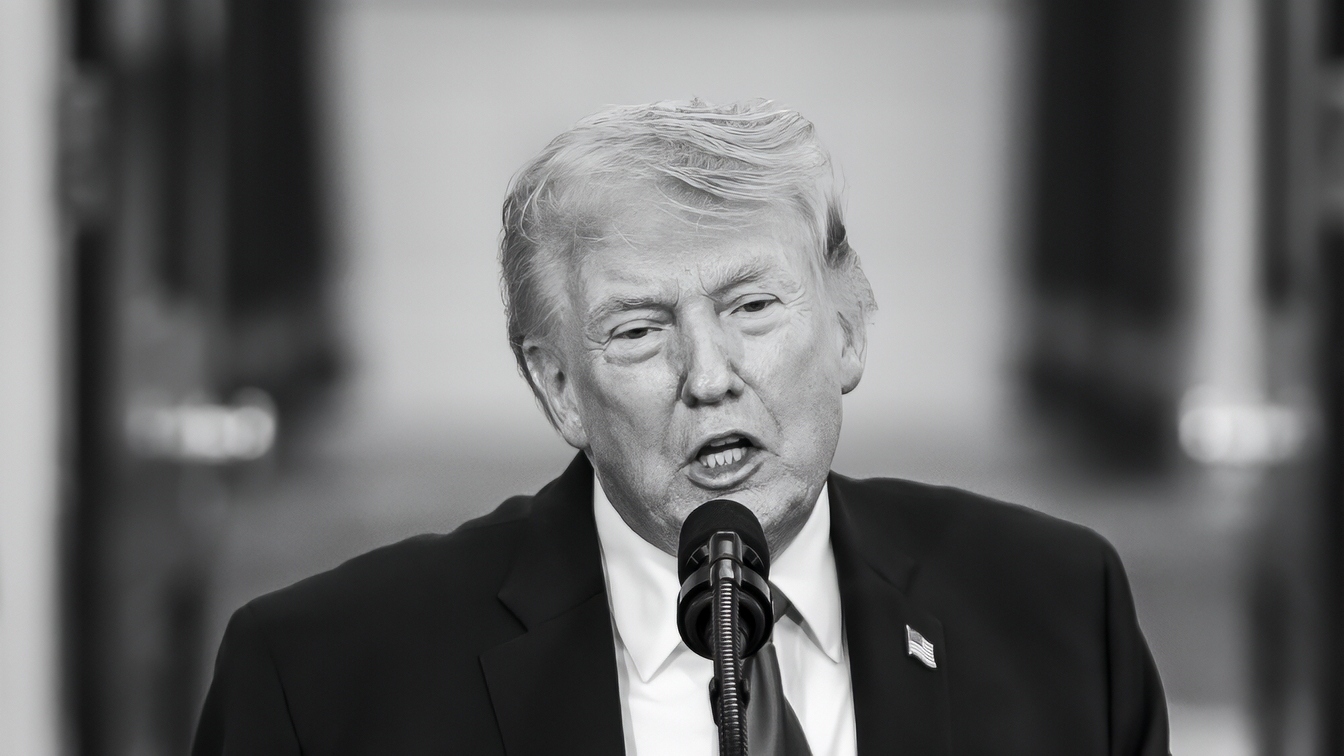
President Donald Trump delivers an address to the nation, Wednesday, April 1, 2026, in the Cross Hall of the White House. (Official White House Photo by Daniel Torok)
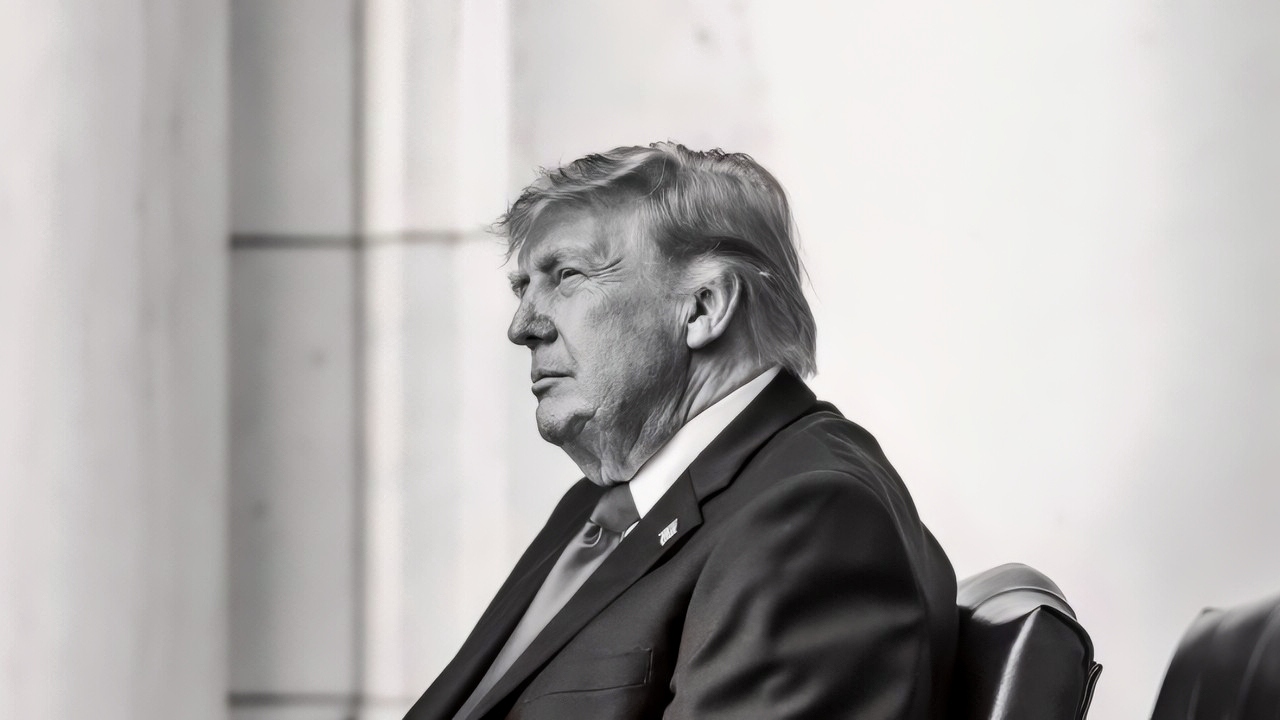
President Donald J. Trump participates in a Memorial Day ceremony at Arlington National Cemetery Amphitheater, Monday, May 25, 2026, in Arlington, Virginia. (Official White House Photo by Daniel Torok)
The lawsuits come as the Department of Justice struggles to keep up with an unprecedented number of legal challenges related to the administration’s enforcement of immigration policies. On Wednesday, November 25, a federal judge in Montana also imposed restrictions on when immigration officers may make arrests without first obtaining a warrant.
The Trump administration defends the conduct of its immigration officers. However, President Donald Trump suggested during a recent 60 Minutes interview that he believes enforcement measures may have gone too far. The new lawsuits could, therefore, pressure the Trump administration to scale back its ambitions.
U.S. Citizen Sues Trump Administration
Legal advocacy group Democracy Forward announced that it was representing 31-year-old American citizen Dayanne Figueroa in a statement published on November 24, explaining how federal immigration officers arrested the plaintiff in Chicago on October 10, 2025.
The lawsuit claims that Figueroa had dropped her son at school and was heading to work when a vehicle carrying federal immigration officers struck her car on the road. Those officers then forcibly removed her from the vehicle and arrested her.
Figueroa was recovering from kidney surgery at the time, and the lawsuit claims that officers applied pressure to the area around her surgical incision even after she informed them of her condition.
She was later transported to a hospital after she experienced complications while being held in federal custody.
The Department of Homeland Security has disputed the claims, however, with a spokesperson maintaining in a statement to Newsweek that Figueroa had struck the government vehicle herself and then later resisted arrest. Figueroa was released without charge.
“The victim of a horrific and unlawful assault and detention during “Operation Midway Blitz” in Chicago last fall is suing the federal government, seeking accountability for the actions of federal agents who violently attacked, arrested, and detained her without reason,” the statement reads.
“What happened to me is what happens to people when our government is allowed to act with impunity and trample our Constitution. A badge – or in my case, a police velcro patch that looks like it was bought off Amazon – is not a free pass to intimidate, terrorize, or mistreat people. These reckless federal agents are an insult to every legitimate law enforcement officer and a complete and utter embarrassment from the very top all the way down,” Figueroa said.
“They have made a mockery of everything this country claims to stand for, and I hope this lawsuit helps hold those responsible for my attack accountable, and puts an end to this horrific abuse.”
More Lawsuits Are Coming
The lawsuit comes more than a year after the incident, but that’s by design; the Federal Tort Claims Act (FTCA) requires individuals to pursue an administrative claim with the relevant government agency first.
The 21-page lawsuit explains that DHS received Figueroa’s initial claim on January 20, 2026, and that an amended claim was submitted on May 5. The department’s failure to resolve the case within six months allowed her to pursue the case in federal court instead.
Other individuals are preparing to make the same moves, too. Reports from September revealed that 15 American citizens and legal residents had submitted similar claims relating to incidents during Operation Midway Blitz.
The Justice Department, however, maintains that federal immigration officers must operate with certain legal protections, allowing them to do their duty without risk of being legally pursued for every interaction with arrestees.
And while the FTCA allows Americans to sue the federal government over wrongful arrests, several exceptions in that legislation are likely to be invoked by attorneys.
Nonetheless, more suits are coming the government’s way.
What the Lawsuits Might Reveal
Perhaps most concerning for the Trump administration — more than paying out millions of dollars in potential compensation — is what the lawsuits may reveal about directives issued to immigration officers.
If the cases do proceed to discovery, government lawyers may be required to turn over internal communications detailing how officers were instructed to conduct arrests and whether senior members of the Trump administration were made aware of alleged misconduct.
But if it turns out the cases are baseless, or that the Trump administration simply followed procedure, then the cases may be for nothing.
After all, if the Trump administration is pursuing mass deportations, it means more interactions with the public — and more interactions with the public mean a greater chance of lawsuits, particularly when those suits are encouraged by high-profile Democrats and their advocacy groups.
About the Author: Jack Buckby
Jack Buckby is a British researcher and analyst specializing in defense and national security, based in New York. His work focuses on military capability, procurement, and strategic competition, and he produces and edits analysis for policy and defense audiences. He brings extensive editorial experience, with a career output spanning over 1,000 articles at National Security Journal, and has previously authored books and papers on extremism and deradicalization.


