

Ukraine again launched hundreds of drones toward Moscow overnight into Tuesday, August 18.
It is the second massive assault on the Russian capital in just three days, with Kyiv accelerating its long-range campaign designed to disrupt logistics and infrastructure and raise the cost of sustaining the war in Ukraine.
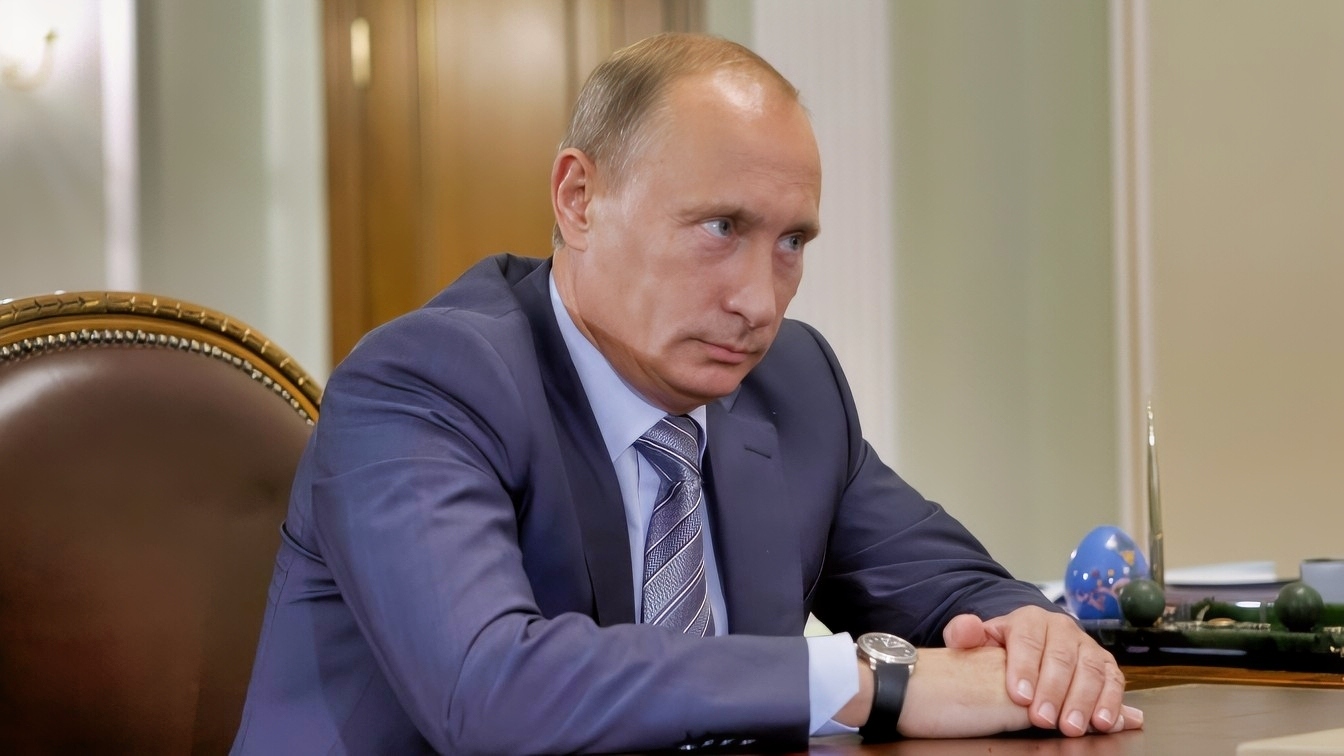
Putin Back in 2010 Creative Commons Image
Moscow Mayor Sergey Sobyanin said that at least 620 Ukrainian drones were launched toward Moscow and surrounding areas through early Tuesday, with Russian air defenses destroying 180 over the Moscow region.
Russia’s Defense Ministry also said of intercepted 791 drones overnight.
ABC News reported at least 637 drones launched toward the capital region and 197 intercepted – but the figures cannot be independently verified.
If true, however, the attack would rank among the largest Ukrainian drone operations of the entire war and followed another major assault on Sunday, August 16, when Russia’s Defense Ministry claimed 822 Ukrainian drones were intercepted nationwide.
The constant barrage of attacks suggests Ukraine is pushing hard to overwhelm Russian air defenses right as Moscow begins to expend its large and growing supply of ballistic missiles in a campaign that is taking advantage of Ukraine’s interceptor shortage.
Moscow Hit Again
Moscow Region Governor Andrei Vorobyov said three people were injured Tuesday, including a 10-year-old girl, and residential properties were also damaged in multiple districts.
In Kolomna, southeast of Moscow, the attack damaged a shopping center, a government building and a residential building.
Mosoblenergo, the regional electricity provider, said more than 5,000 customers and 46 socially important facilities lost power.
Russia’s aviation authority, Rosaviatsiya, also temporarily restricted flights at all four major Moscow airports – another round of disruption to an aviation network that is now being repeatedly interrupted by Ukrainian drone operations.
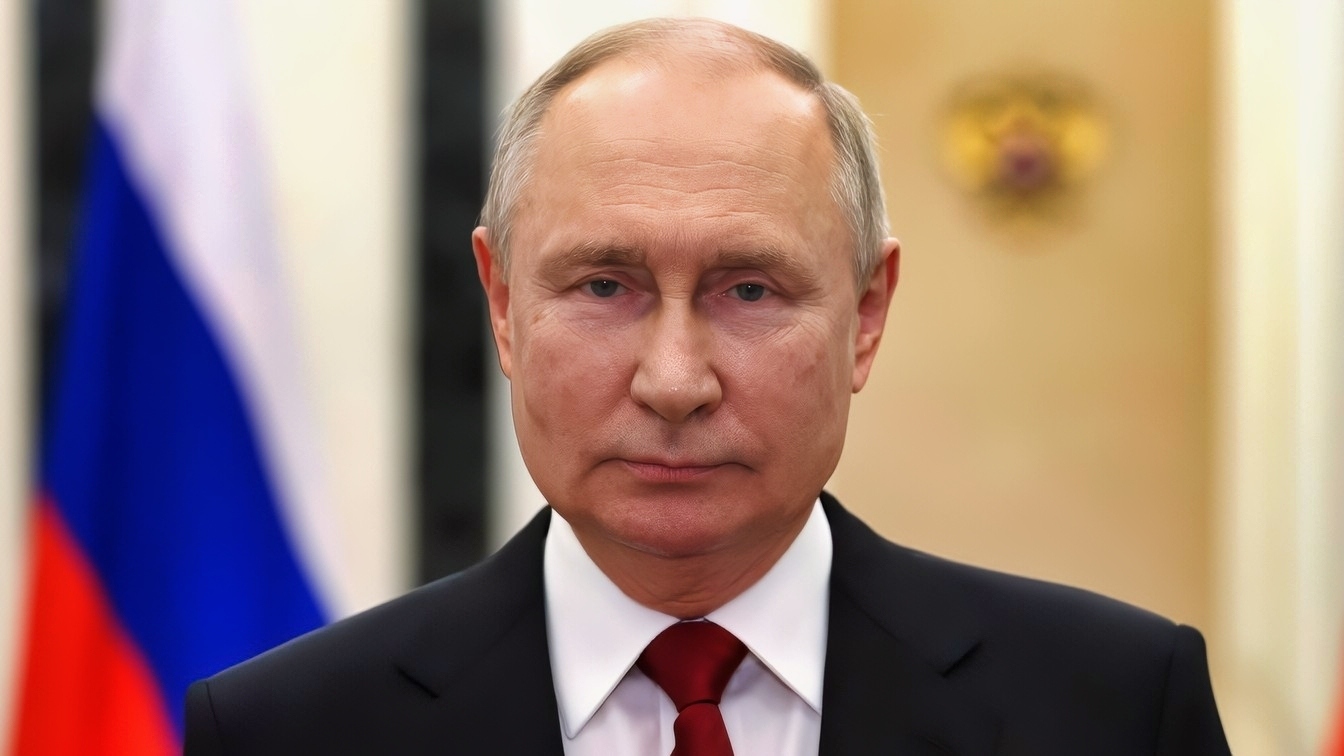
Putin on June 24 2023 Russian Federation Photo
The effects of the strikes are being felt well beyond the capital, with three people injured in Ryazan and another three in Bryansk, according to regional Russian authorities.
There were also more power disruptions in Russian-occupied Crimea.
Wildberries Hit Again
Ukraine also continued its campaign against Wildberries, the Russian answer to Amazon that has propped up much of Russia’s civilian economy throughout the war.
The strikes saw Russia’s largest online retailer face continued assaults, with Vorobyov reporting a fire at a Wildberries warehouse to the east of Moscow.
Wildberries confirmed that drone debris struck a wall and caused minor damage to the logistics facility – one of the least destructive strikes on a Wildberries facility in weeks.
It was the latest in roughly 20 attacks on Wildberries since the end of July – attacks that have since spanned Moscow, St. Petersburg, southern Russia, and locations as far east as Yekaterinburg, some 1,200 miles from Ukraine.
The attacks are hugely costly, owing to the ongoing disruption to thousands of businesses and daily deliveries to regular Russian citizens, as well as the financial support that the Kremlin is now looking to provide to the company as Ukrainian assaults continue.
Ukraine’s Ministry of Defense has said seven of Wildberries’ 10 largest logistics centers have been forced to suspend some operations, and estimates also indicate that as much as 20% of the company’s warehouse space has been destroyed, with losses reaching as much as $6 billion.
Wildberries has responded by announcing it will launch smaller “partner hubs” throughout the country to minimize its dependence on large warehouses, and that it will reorganize supply chains and potentially move some operations out of the country entirely.
Russia Keeps Up Its Own Long-Range Campaign
The massive Ukrainian attack came as Russia continued its own long-range campaign designed to prevent Ukraine from continuing its extraordinarily successful campaign against Russian logistics and infrastructure.
Moscow launched 147 drones against Ukraine overnight, with the Ukrainian Air Force announcing that 111 were intercepted or suppressed, and that impacts were recorded in 19 locations.
More significantly, though, two Russian Banderol cruise missiles struck the village of Pechenihy in the northeastern Kharkiv region on Tuesday, according to Ukraine’s Prosecutor General’s Office.
The attack killed 10 people and injured at least 18, Kharkiv Governor Oleh Syniehubov said. Homes, a cafe, a post office, and 15 vehicles were also damaged in the strike.
Ukrainian President Volodymyr Zelenskyy responded in a statement promising to retaliate, only a day after revealing that he had met with military commanders to review Ukraine’s long-range operations during the first half of August.
In a statement issued on Monday, Zelenskyy also said Ukrainian commanders had set priorities for deep strikes through the remainder of August and into September, indicating no plans to wind down the campaign.
The long-range strikes were expected to last 40 days, per an announcement made by Zelenskyy on June 25, but strikes have already continued weeks after that timeline passed on August 4.
About the Author: Jack Buckby
Jack Buckby is a British researcher and analyst specializing in defense and national security, based in New York. His work focuses on military capability, procurement, and strategic competition, producing and editing analysis for policy and defense audiences. He brings extensive editorial experience, with a career output spanning over 1,000 articles at 19FortyFive and National Security Journal, and has previously authored books and papers on extremism and deradicalization.


