
U.S. President Donald Trump’s super PAC spent $277 million in six weeks from the start of September. But even all the money in the world might not stop what looks like big losses on November 3.
The President and the Republican Party have launched an aggressive campaign to secure GOP control of Congress for Trump’s last two years in office.

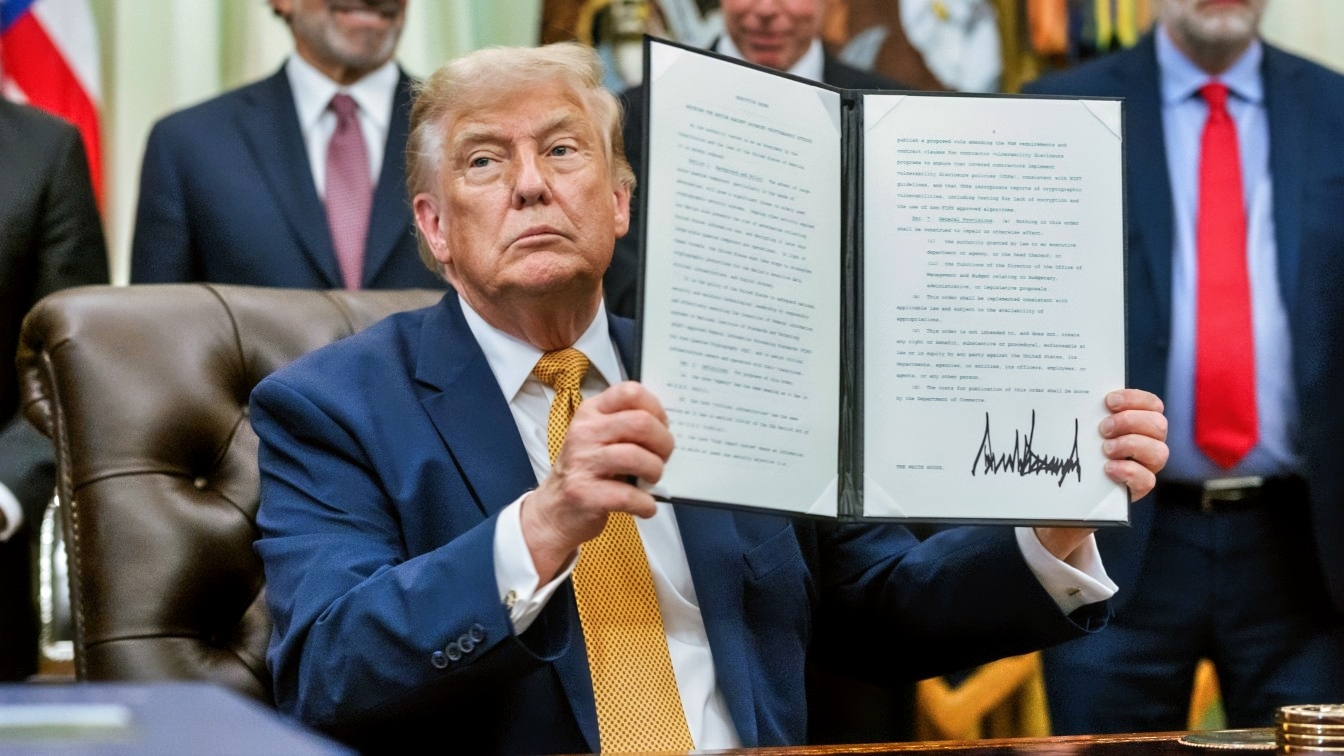
President Donald J. Trump delivers remarks at the 450th mile of the new border wall Tuesday, Jan. 12, 2021, near the Texas Mexico border. (Official White House Photo by Shealah Craighead)
Opinion polls, however, suggest the Democratic Party will control at least one chamber of Congress by the start of 2027.
Raising Funds
Trump’s super PAC, MAGA Inc., spent $277 million from the start of September through the first two weeks of October.
MAGA Inc. also raised an additional 25 million dollars through donations from multiple billionaires.
Blackstone Inc.’s Stephen Schwarzman, casino tycoon Stephen Wynn, and billionaire Diane Hendricks have written checks to support the Republican campaign, according to Federal Election Commission (FEC) filings.
In total, MAGA Inc. has raised $449 million since it launched shortly after Trump’s 2024 presidential election, far more than any second-term president in U.S. history.
It has contributed $2.1 billion to GOP funding, aided by additional super PACs tied to the President or to House and Senate leaders in the party.
That tally far outweighs the $1.3 billion the Democrats raised.
Funding Campaigns
FEC filings show that MAGA Inc. spent $33.8 million directly supporting GOP House and Senate hopefuls from Tuesday, 1st September to Wednesday, 14th October.
During the same period, it sent another $225 million to No Going Back PAC and Safety and Affordability PAC. The two committees have spent $208 million supporting Republican candidates.
Trump’s super PACs have donated $1 million to eight Republican Senate candidates.
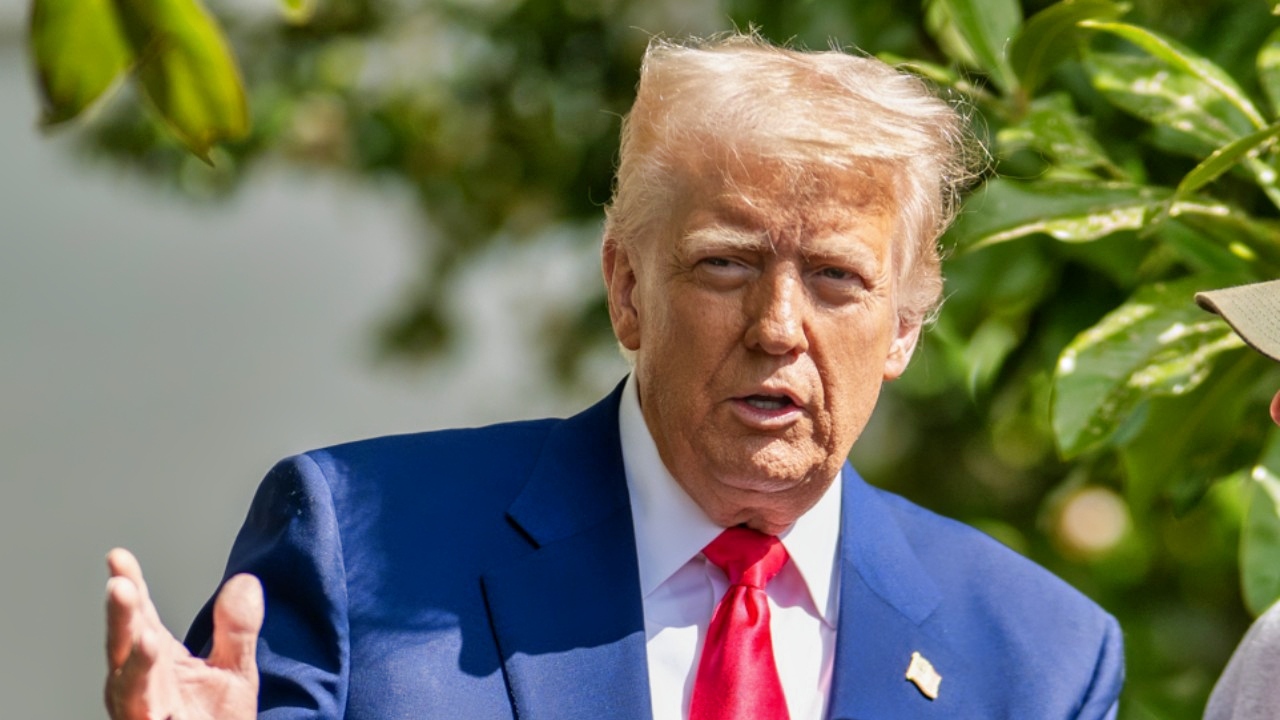
President Donald Trump participates in a commemorative tree-planting ceremony at the South Portico of the White House, Tuesday, April 8, 2025, to replace the Jackson Magnolia with a descendant sapling. (Official White House Photo by Daniel Torok)
Ken Paxton, who is vying for Texas’ Senate seat, has received $36 million from Trump-affiliated super PACs so far this campaign.
Sen. Jon Ossoff of Georgia and former Governor Roy Cooper of North Carolina have also received funding that the GOP has otherwise pulled after substantial leads in the polls.
In addition, Trump’s super PACs have spent at least $1 million in 33 House races.
More to Come
MAGA Inc. was slow to spend, using just 0.6% of its funds by the end of June 2026. However, that spending has ramped up, with the President pledging to spend more than $400 million by Election Day.
In a Tuesday Truth Social post, Trump added that the campaign had spent more than $300 million so far.
Polls Apart
The GOP’s financial advantage is one of the few successes of an otherwise disheartening electoral campaign.
Trump remains unpopular with voters on the economy, cost of living, and the Iran war, with Republican candidates set to be punished by the electorate at the ballot box on Tuesday, 3rd November.
With the President suffering record-low approval ratings daily, Republican candidates have slowly distanced themselves from the administration.
GOP Senate hopeful and current Iowa Representative Ashley Hinson has called for an “immediate and successful” end to the Iran war amid rising gas prices – a view shared by Michigan Senate candidate Mike Rogers, who has also demanded an end to the ongoing trade war with Canada.
Meanwhile, Colorado State Sen. Mark Baisley, who is running for the state’s U.S. Senate seat, has distanced himself from Trump on Ukraine.
Yet, this approach has done little to decidedly change the fortunes of GOP candidates vying for a seat in Congress.
A Marist poll released last week found that 48% of Iowa’s likely voters were planning to vote for Democrat Josh Turek over Republican Hinson.
In Michigan, Rogers trails Abdul El-Sayed by just over three percentage points, a deficit that has largely remained consistent over the past three months, except for a brief period in August when Rogers led his Democratic rival.
In Colorado, Baisley remains well behind his Democratic counterpart in early voting.
The Democratic Party leads of about nine percentage points in average congressional ballot polls. Although congressional generic ballot polls provide an overview of American public sentiment, they don’t reflect the individual races that will decide President Trump’s final two years in office.
Any scenario other than the GOP retaining control of Congress will complicate Trump’s agenda for the final two years of his presidential career.
About the Author: Shay Bottomley
Shay Bottomley is a British journalist. He has written for the Western Standard, Business Insider, Maidenhead Advertiser, Slough Express, Windsor Express, Berkshire Live and Southend Echo.